
Quick Answer: Keeping Your Car Healthy
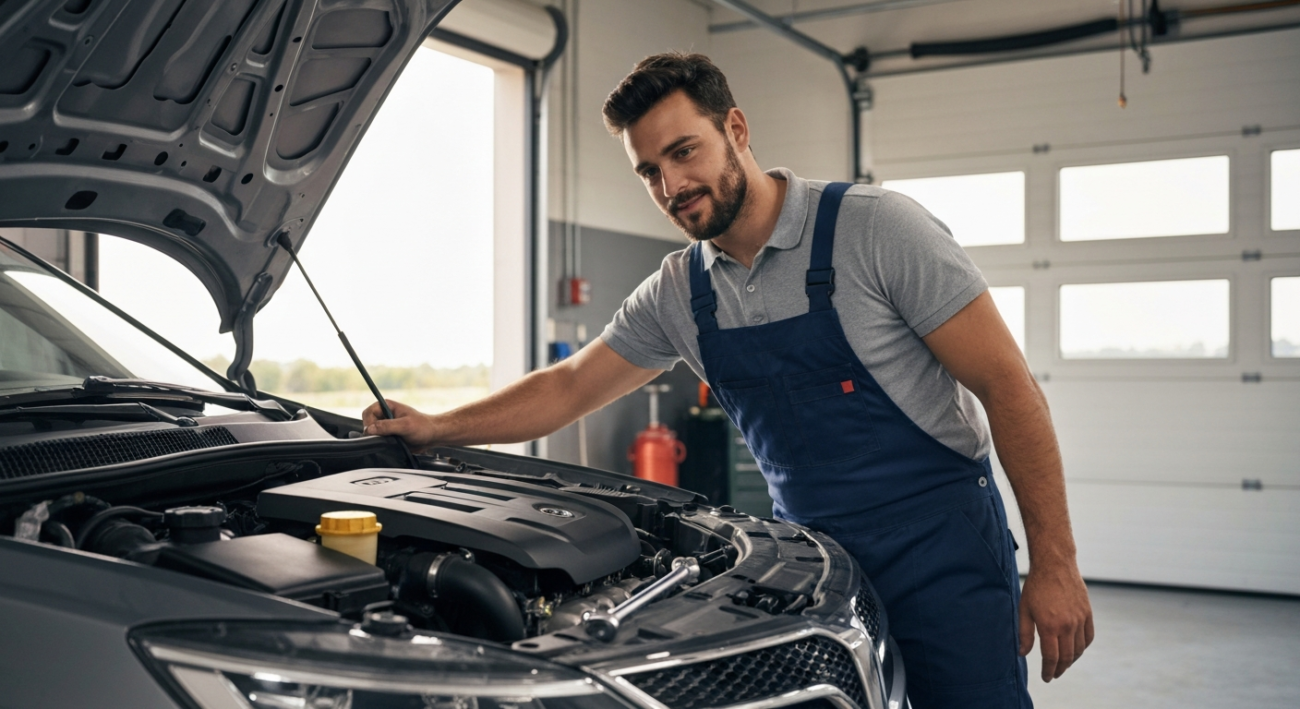
To maintain your car’s health, regularly check fluids, tire pressure, and listen for unusual sounds. Adopting these car maintenance basics helps prevent costly repairs and ensures a safer, more reliable ride. You’ll gain confidence knowing your vehicle is in top condition, ready for any journey. This guide empowers you to handle simple checks yourself.
Car Maintenance Basics: Your Complete Starter Hub
This guide is the central hub for car maintenance basics on BroadMatters.Each section below links to detailed step-by-step guides so you can learn,fix, and prevent common car problems with confidence.
Why Proactive Car Care Pays Off
Regular, simple checks can extend your car’s life significantly. Catching small issues early prevents them from escalating into major, expensive problems. This approach saves you money, improves fuel efficiency, and enhances safety for you and your passengers. It also helps your car hold its value over time.
What You’ll Need for Basic Checks
- Car owner’s manual
- Clean rag or paper towels
- Funnel (for fluids)
- Correct type of engine oil, coolant, and other fluids (as needed)
- Tire pressure gauge
- Flashlight
- Work gloves (optional)
Steps for Essential Car Maintenance Basics
Step 1: Understand Your Owner’s Manual
Your car’s owner’s manual is a treasure trove of information. It outlines specific maintenance schedules, fluid types, and recommended tire pressures unique to your vehicle. Always start by consulting this guide to understand your car’s particular needs. It’s your first and best resource for understanding your specific model.
Step 2: Regularly Check Your Car’s Fluids
Fluids are the lifeblood of your car. Checking them regularly is one of the most important aspects of car maintenance basics. Start with your engine oil; learn how to check engine oil properly and understand how often should you change engine oil. Don’t forget other vital fluids. Inspect your brake fluid level to ensure safe stopping, as explained in how to check brake fluid level. Also, check your transmission fluid by following instructions on how to check transmission fluid. Your coolant system is also critical; know what happens if car runs low on coolant and learn how to top up engine coolant safely. Finally, for easier steering, review how to check power steering fluid. Maintaining proper fluid levels prevents overheating and protects critical components.
Step 3: Maintain Your Tires for Safety and Efficiency
Tires are your car’s only contact with the road, making their condition paramount. Regularly check your tire pressure using a reliable gauge. Discover how to check tire pressure correctly and determine what tire pressure should you use. Proper pressure ensures optimal handling, fuel efficiency, and tire longevity. Also, consider how often should you rotate your tires to ensure even wear. Look for signs of wear and tear, and know signs your tires need replacement. If you notice a persistent slow leak, you might need to investigate how to fix a slow tire leak.
Step 4: Keep an Eye on Your Car Battery
A healthy battery is essential for starting your car. Keep the battery terminals clean and corrosion-free. Look for signs your car battery is failing so you can replace it before it leaves you stranded. If you find your car battery keeps dying overnight, it’s a clear indicator something is wrong. Knowing how to jump start a car safely is a valuable skill, and you should also be aware of how long to drive after jump starting car. While less common in modern vehicles, some might wonder can you push start a car in an emergency.
Step 5: Inspect Your Brakes Regularly
Your brakes are crucial for safety. Listen for squealing or grinding noises when you stop. Familiarize yourself with how to tell if brakes are worn out. A common concern is what does grinding noise when braking mean. Understand how long do brake pads last and consider learning how to bleed brakes at home for advanced maintenance.
Step 6: Address Dashboard Warning Lights
Dashboard lights are your car’s way of communicating. Don’t ignore them. The check engine light can signal various issues, from minor to serious. Understand is it safe to drive with check engine light on before taking risks. Other lights might warn of car overheating or low oil. Immediate attention can prevent further damage.
Step 7: Handle Common Minor Issues
Some issues might seem big but have simple solutions. If your car won’t start but lights work, it might be a battery or starter problem. A shaking steering wheel often points to tire balance issues. Learn how to change windshield wipers for clear visibility. For electrical quirks, knowing how to check and replace a blown car fuse can be very helpful. And if you ever find your car hood won’t open, there are specific tricks to try.
Common Car Maintenance Mistakes
- Ignoring dashboard warning lights, hoping they’ll go away.
- Neglecting fluid checks, especially engine oil and coolant.
- Overlooking tire pressure and wear, leading to unsafe driving.
- Sticking to a ‘fix it when it breaks’ mentality instead of preventive care.
- Using incorrect fluids or parts for your specific car model.
If Something Doesn’t Work as Expected
Car won’t start after jump start.
Check battery terminals for corrosion, ensure cables are connected correctly, and allow more time for charging. If it still fails, the battery might be completely dead, or there’s an issue with the alternator or starter.
Fluid levels drop quickly after topping up.
This indicates a leak. Inspect hoses, fluid reservoirs, and the ground under your car for drips. Address leaks immediately to prevent significant engine damage or safety hazards.
Unusual noises persist after basic checks.
Strange sounds (squealing, grinding, knocking) often signal mechanical issues. If simple checks don’t resolve them, it’s best to consult a certified mechanic. Don’t delay, as minor noises can become major repairs.
Enjoy a Reliable and Safe Ride
By diligently applying these car maintenance basics, you will enjoy a vehicle that is more reliable, safer, and performs better. You’ll save money on emergency repairs, extend your car’s lifespan, and contribute to a healthier environment through better fuel efficiency. The peace of mind that comes with a well-maintained car is invaluable for any driver.
Quick Summary of Your Car Care Journey
Mastering car maintenance basics is easier than you think. Regular checks of fluids, tires, and timely responses to warning signs are key. By following these steps, you empower yourself to keep your car in excellent condition, ensuring a smoother, safer, and more economical driving experience for years to come. Your car will thank you!
