
Quick Answer
Generally, brake pads can last anywhere from 25,000 to 70,000 miles, but this range varies significantly. So, exactly how long do brake pads last depends heavily on your driving habits, the type of vehicle you own, and the quality of the brake pads themselves. Frequent city driving with lots of stopping and starting will wear them down much faster than mostly highway driving.
Understanding Brake Pad Lifespan
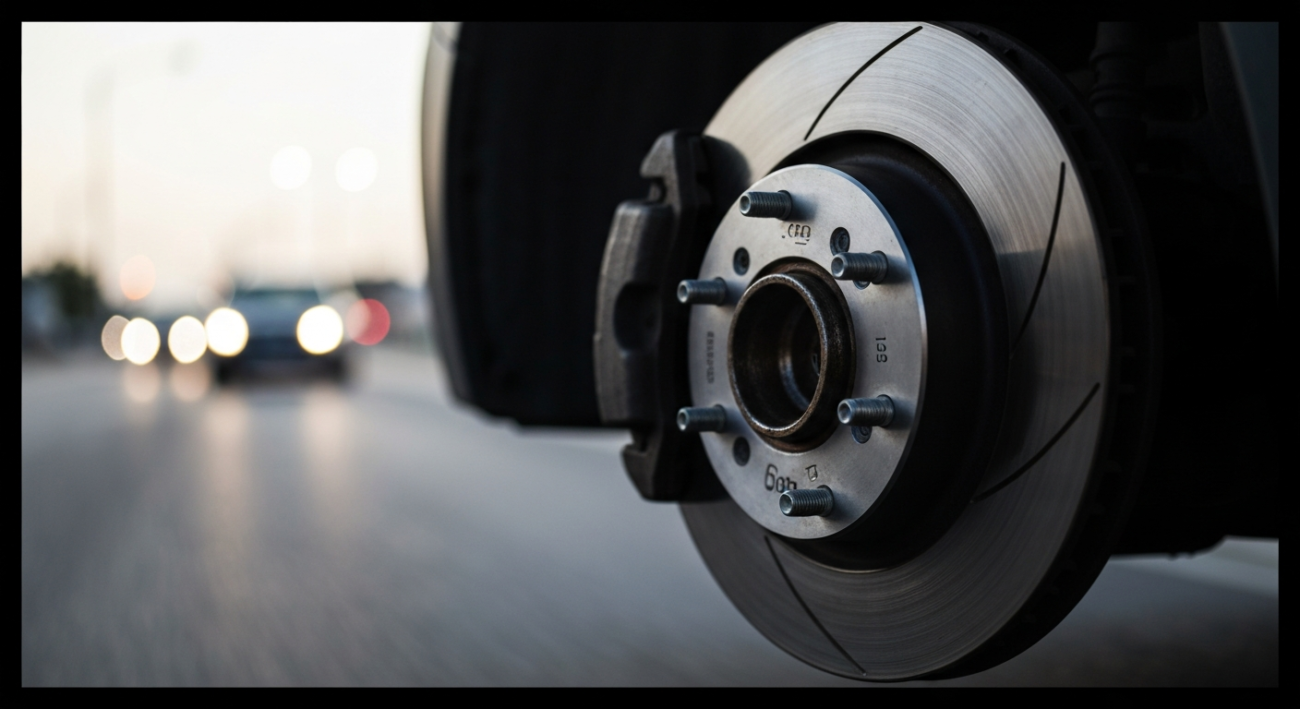
Brake pads are a crucial component of your vehicle’s braking system. They are designed to press against the brake rotor, creating friction that slows and stops your car. Over time, this friction wears down the pad material, requiring eventual replacement. Understanding how long do brake pads last is key to maintaining your vehicle’s safety and performance. Think of them as a sacrificial part, designed to wear out so your more expensive rotors and calipers don’t.
Why Knowing How Long Brake Pads Last Matters
Knowing the lifespan of your brake pads is vital for both your safety and your wallet. Worn-out brake pads can significantly reduce your car’s stopping power, increasing the risk of accidents. Delaying replacement can also cause damage to other braking components, like rotors, leading to more expensive repairs down the line. Regular checks and timely replacements ensure your vehicle remains safe and efficient.
Common Reasons Brake Pads Wear Out Fast
- Aggressive driving (hard braking, rapid acceleration)
- Frequent city driving or stop-and-go traffic
- Towing heavy loads or driving a heavier vehicle
- Driving on hilly or mountainous terrain
- Poor quality brake pad material
- Improper brake system maintenance
How to Extend How Long Your Brake Pads Last
Adopt Smooth Driving Habits
Avoid sudden acceleration and sharp braking. Anticipate stops and coast whenever possible to reduce the frequency and intensity of brake applications. This significantly lessens wear on your pads.
Perform Regular Brake Inspections
Have your brakes inspected during routine general car maintenance, ideally every 10,000 to 12,000 miles. A mechanic can check the pad thickness, rotor condition, and overall brake system health, catching potential issues early.
Choose Quality Brake Pads
While cheaper options might be tempting, investing in higher quality brake pads often means better durability and performance. Different materials like ceramic, semi-metallic, and organic offer varying levels of lifespan and stopping power.
Lighten Your Load
If possible, avoid carrying excessively heavy loads in your vehicle, as extra weight puts more strain on your braking system, causing pads to wear faster.
When Brake Pad Lifespan May Differ
- Electric Vehicles: Regenerative braking systems can extend pad life significantly as they use the electric motor to slow the car.
- Performance Cars: Often equipped with softer, high-friction pads designed for maximum stopping power, which tend to wear faster.
- Off-Road Driving: Harsh conditions, mud, and water can accelerate wear and require more frequent pad replacements.
- Towing: Vehicles regularly towing heavy trailers will experience much faster brake pad wear due to increased load and braking demands.
Common Myths Debunked About Brake Pads
Brake pads always need replacement at a specific mileage, like 50,000 miles.
Reality: There’s no fixed mileage. Lifespan is highly variable. Some may need replacement at 25,000 miles, while others last over 70,000, depending on driving style and conditions.
You only need to worry about your brakes if you hear squealing or grinding.
Reality: While these are definite signs of wear, waiting until you hear them can mean your pads are severely worn, potentially damaging rotors. Regular inspections are key to proactive maintenance.
When You Should Be Concerned About Your Brakes
- You hear a persistent squealing or grinding sound when braking.
- Your car pulls to one side when you apply the brakes.
- The brake pedal feels unusually soft or spongy, or sinks too far.
- You notice vibrations in the steering wheel or brake pedal when stopping.
- The brake warning light illuminates on your dashboard.
- It’s been a long time since your last inspection. For more detailed signs, see our guide on how to tell if brakes are worn out.
Brief Look at Brake Pad Material Evolution
Early brake pads often contained asbestos, a highly effective but hazardous material. Today, most pads are made from safer composites like ceramic, metallic, or organic materials. Ceramic pads offer quiet operation and low dust, while metallic pads provide excellent stopping power and durability, especially under heavy use. Organic pads are quieter and less abrasive but tend to wear faster. This evolution has significantly improved both braking performance and environmental safety.
Taking the Next Steps for Brake Health
Understanding factors that influence how long do brake pads last empowers you to make informed decisions about your vehicle’s maintenance. Don’t wait for warning signs; prioritize regular inspections and adopt driving habits that prolong brake life. If you suspect your pads are worn, consult a trusted mechanic promptly. Keeping your brakes in top condition is paramount for your safety and the longevity of your car.
