
Quick Answer: How to Identify Worn Brakes
To tell if your brakes are worn out, listen for squealing, grinding, or clicking sounds when braking. Feel for vibrations or pulsations through the brake pedal or steering wheel. Also, pay attention if the brake pedal feels spongy, soft, or requires more pressure than usual to stop. Visually inspect your brake pads for thickness; if they’re thinner than a quarter inch, it’s time for a check-up. Ignoring these crucial signs brakes are worn out can lead to dangerous driving conditions and more costly repairs down the line, so act swiftly if you notice any of these indicators.
Why Paying Attention to Brake Wear Matters
Your vehicle’s braking system is one of its most critical safety components. When your brakes are in good condition, they provide the stopping power you need to react to traffic, obstacles, and sudden emergencies. As brakes wear down, their effectiveness diminishes, increasing stopping distances and reducing your control. Recognizing the early signs of wear allows you to address issues before they become severe, ensuring your safety and the safety of others on the road. Proactive maintenance, including understanding these warning signs, is key to reliable vehicle operation and can save you from more extensive and expensive repairs later on. It’s a fundamental part of good car maintenance basics.
What You Need to Check Your Brakes
- A safe, level surface to park your vehicle
- Good lighting (a flashlight might be helpful)
- A ruler or measuring tape (optional, for pad thickness)
- An understanding of your vehicle’s usual braking feel and sound
Step-by-Step Instructions to Identify Worn Brakes
Step 1: Listen for Unusual Sounds When Braking
The first and often most noticeable indicator of brake wear is unusual noises. Healthy brakes typically operate quietly. If you hear a high-pitched squealing or squeaking sound every time you apply the brakes, this usually indicates that the wear indicators on your brake pads are rubbing against the rotor, signaling that pads are getting thin and need replacement soon. A low-pitched grinding or metallic sound, however, is a more serious warning sign. This often means that the brake pads are completely worn down, and the metal backing plate is grinding directly against the rotor. This can cause significant damage to your rotors and severely impact braking performance. Pay close attention to these audio cues.
Step 2: Feel for Vibrations or Pulsations Through the Pedal or Steering Wheel
Another common symptom of worn brakes is a change in how your car feels when you brake. If you experience vibrations or pulsations through the brake pedal, it often indicates warped brake rotors. When rotors are warped, their surface is uneven, causing the brake pads to grab inconsistently, which you feel as a pulsating sensation. If the vibrations are also felt through the steering wheel, it might suggest issues with the front rotors or even problems with your vehicle’s suspension or wheel balance. These sensations reduce braking efficiency and can be unsettling. Don’t dismiss these tactile feedback warnings, as they are strong signs brakes are worn out.
Step 3: Observe Changes in Brake Pedal Feel
The way your brake pedal feels can tell you a lot about the condition of your braking system. A healthy brake pedal should feel firm and engage consistently when pressed. If your brake pedal feels unusually soft, spongy, or goes closer to the floor than before, it could be a sign of air in the brake lines, a fluid leak, or a failing master cylinder. Conversely, a brake pedal that feels excessively hard or requires significant pressure to stop the vehicle might indicate a problem with the brake booster or a blockage in the brake lines. Any significant deviation from the normal pedal feel warrants immediate investigation.
Step 4: Visually Inspect Your Brake Pads and Rotors
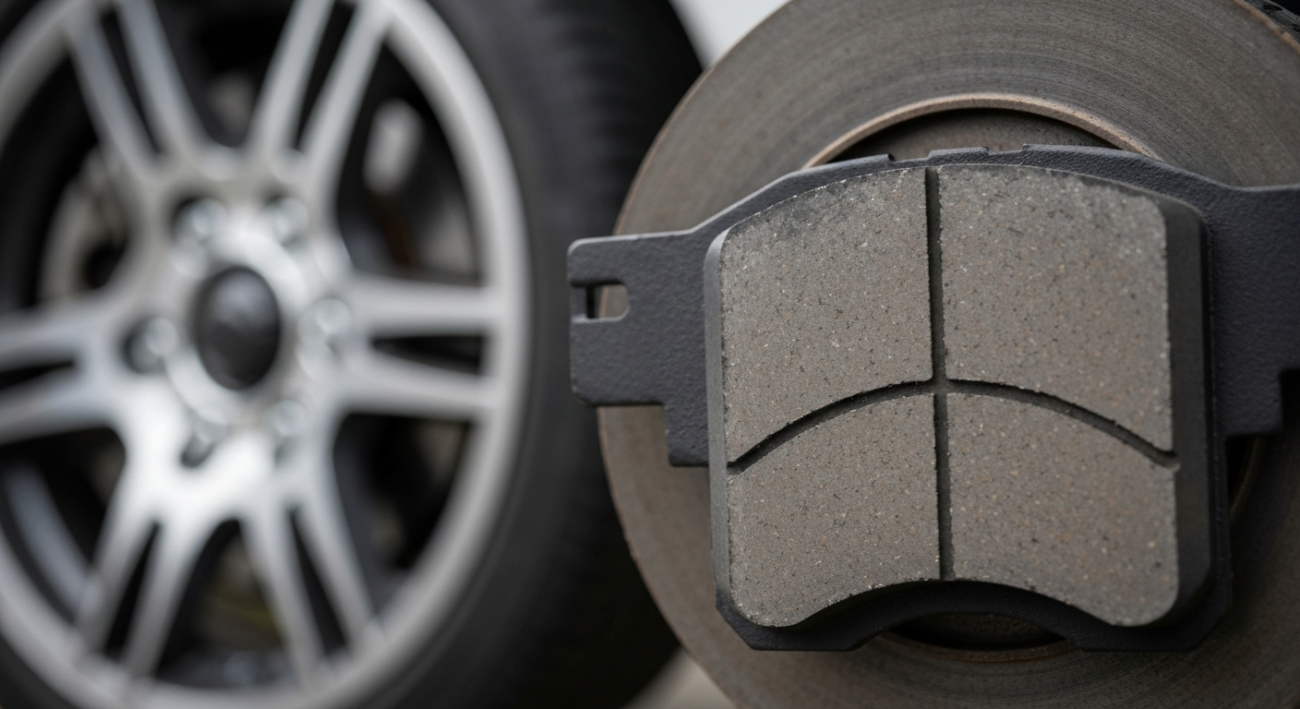
When your vehicle is safely parked, you can often perform a visual inspection of your brake components. Look through the spokes of your wheels to locate the brake caliper and the brake pads within it. You should be able to see the brake pad material. New brake pads typically have about a half-inch or more of material. If you see that your pads are thinner than a quarter-inch, or roughly the thickness of a few pennies stacked together, they are likely worn out and need replacing. Also, examine the brake rotors, the shiny metal discs behind the pads. They should appear smooth and free of deep grooves, scoring, or excessive rust. Deep grooves or uneven wear on the rotors are also strong indications of issues.
Step 5: Monitor Your Vehicle’s Overall Braking Performance
Beyond specific sounds or feelings, pay attention to the overall performance of your brakes. If you notice your car takes longer to stop, or you need to press the pedal harder than usual to achieve the same stopping power, your brakes may be losing their effectiveness. This reduced responsiveness is a critical safety concern, especially in emergency braking situations. A car that pulls to one side when braking can also indicate uneven wear on the brake pads or a problem with a caliper. Any noticeable decline in your vehicle’s ability to stop smoothly and efficiently means it’s time to have your braking system professionally inspected.
Common Mistakes When Dealing With Worn Brakes
- Ignoring initial warning sounds like squealing, thinking they will go away.
- Delaying brake inspection or replacement, which can lead to further damage to rotors and calipers.
- Only replacing pads on one side of an axle; brake pads should always be replaced in pairs (both front or both rear).
- Using incorrect brake fluid or low-quality replacement parts.
- Failing to break in new brake pads properly, which can reduce their lifespan and performance.
If Something Doesn’t Work as Expected
Brakes still squeal after pad replacement.
Sometimes new pads need to ‘bed in’ or adjust to the rotors. If squealing persists, it might be due to glazed rotors, improper installation, or cheap pads. Have a mechanic re-check the installation and rotor condition.
Brake pedal still feels soft or goes to the floor.
This often points to air in the brake lines, a brake fluid leak, or a failing master cylinder. Do not drive the car until this is diagnosed and repaired by a professional, as it’s a major safety hazard.
Car pulls to one side when braking.
This could be caused by unevenly worn pads, a sticking caliper, or an issue with the brake hose. It’s crucial to have a professional inspect the entire braking system to identify and correct the imbalance.
Expected Result: Safe and Reliable Braking
By diligently following these steps and addressing any warning signs promptly, you will achieve a fully functional and safe braking system. Your brake pedal will feel firm and responsive, stopping distances will be consistent, and you’ll experience smooth, quiet stops without any unsettling vibrations or noises. Your vehicle’s ability to stop reliably is paramount for your safety and confidence on the road. A well-maintained braking system gives you peace of mind, knowing you can react effectively in any driving situation. Regular checks for the signs brakes are worn out ensure you always maintain this critical safety component.
Quick Summary: Stay Safe by Recognizing Worn Brakes
Recognizing the signs brakes are worn out is a vital skill for any driver. Pay close attention to unusual sounds like squealing or grinding, feel for vibrations in the pedal or steering wheel, and notice any changes in how your brake pedal feels. Regular visual inspections of your brake pads and rotors can also provide clear indicators of wear. Addressing these issues promptly not only ensures your safety but also helps prevent more extensive and costly damage to your vehicle. Stay proactive, stay safe, and enjoy confident driving with properly maintained brakes.
