
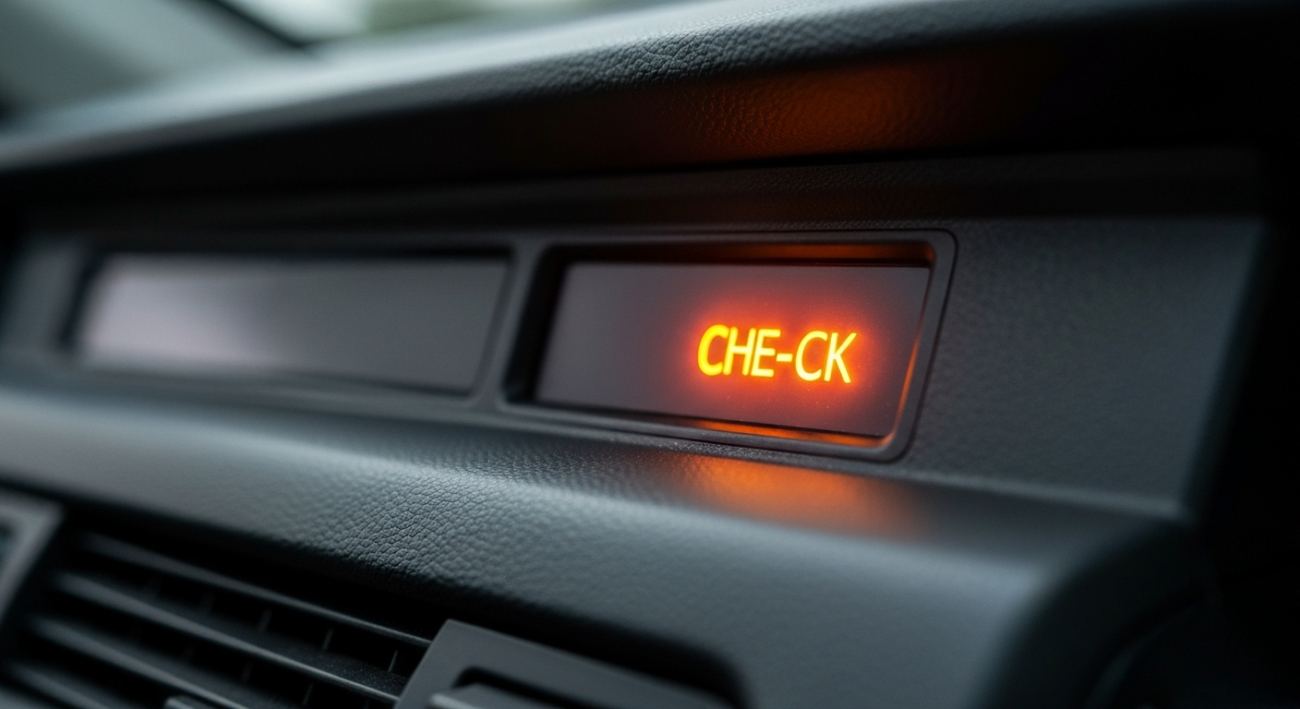
Immediate Steps When Your Check Engine Light Appears
If your check engine light has just illuminated, the immediate concern is it safe to drive with check engine light on. Often, a simple issue like a loose gas cap can trigger this warning. First, pull over safely, tighten your gas cap until it clicks, and drive for a short period to see if the light resets itself. If the light is flashing, this indicates a severe problem that requires immediate attention. In such cases, pull over as soon as it is safe to do so and arrange for professional assistance.
What Your Check Engine Light Means: Is It Safe to Drive With Check Engine Light On?
The check engine light, also known as the Malfunction Indicator Lamp (MIL), is a crucial warning system in your vehicle. It’s designed to alert you to an issue within your car’s engine management system or emissions control system. The light can signal problems ranging from very minor to extremely serious. The critical question often on drivers’ minds is, ‘is it safe to drive with check engine light on?’ The answer is nuanced. While some issues might allow you to drive cautiously for a limited time, others demand immediate attention to prevent further damage or ensure your safety. Ignoring this warning can lead to reduced fuel efficiency, increased harmful emissions, and potentially very costly engine repairs down the line. Understanding what the check engine light means is the first step toward effective diagnosis and resolution, helping you decide on the safest course of action.
Common Reasons Your Check Engine Light Activates
- A loose, faulty, or completely missing gas cap is a surprisingly common trigger for the check engine light.
- A malfunctioning oxygen sensor can lead to decreased fuel efficiency and increased emissions, as it monitors exhaust gases.
- A damaged catalytic converter is a serious issue that affects your vehicle’s emissions control and engine performance.
- Failing spark plugs or ignition coils can cause engine misfires, leading to rough idling and reduced power.
- A problem with the mass airflow sensor (MAF) can disrupt the air-fuel mixture, affecting engine operation.
- A vacuum leak in the engine system can introduce unmetered air, causing performance issues and illumination of the light.
- Issues with the Exhaust Gas Recirculation (EGR) valve can impact combustion efficiency and emissions.
- Problems within the Evaporative Emission Control (EVAP) system, which prevents fuel vapors from escaping, often trigger the light.
Fast Things to Try First
- Always begin by checking your gas cap to ensure it’s tightened properly; often, this simple fix will resolve the issue after a few drive cycles.
- Pay close attention to your vehicle’s performance for any noticeable changes, such as reduced power, strange noises, smoke from the exhaust, or a burning smell.
- If you own an OBD-II scanner, retrieve the diagnostic trouble codes (DTCs) yourself to get an initial idea of the underlying problem.
- If the light is solid and no immediate performance issues are apparent, try to limit heavy acceleration or high speeds to minimize potential damage until you can diagnose it.
More Advanced Fixes for Persistent Issues
- If quick fixes don’t work, take your vehicle to a certified mechanic for a professional diagnostic scan and thorough inspection of the engine system.
- Based on the diagnostic trouble codes, you might need to replace specific faulty sensors, such as the oxygen sensor, MAF sensor, or coolant temperature sensor.
- If misfires are consistently detected, inspecting and replacing worn spark plugs or faulty ignition coils is a common and effective repair.
- Should severe performance issues or a strong sulfur smell be present, having the catalytic converter inspected for damage or clogging is crucial.
- Prioritize routine car maintenance basics, including regular oil changes, air filter replacements, and scheduled tune-ups, to prevent recurring check engine light issues.
Vehicle-Specific Check Engine Light Considerations
- The specific meaning and urgency of the check engine light can vary slightly between different car manufacturers and models, so consult your owner’s manual.
- Hybrid and electric vehicles may have unique diagnostic codes related to their battery systems, electric motors, or regenerative braking systems.
- Newer vehicles often have more advanced diagnostic systems that can provide more detailed information directly through the infotainment screen or a dedicated app.
- Always refer to your vehicle’s owner’s manual for precise instructions, warning interpretations, and manufacturer-recommended service intervals related to engine warnings.
When to Seek Professional Help: Is It Safe to Drive With Check Engine Light On?
- The check engine light is flashing rapidly, which usually indicates a severe engine misfire that could quickly damage the catalytic converter.
- You notice a significant and sudden drop in engine power, acceleration, or your vehicle begins to stall unexpectedly.
- There are unusual and persistent noises coming from the engine, such as knocking, rattling, hissing, or grinding sounds.
- Smoke is visibly coming from the exhaust pipe, particularly if it’s thick, colored, or excessive, or from under the hood.
- Your car is overheating, and the temperature gauge is unusually high, posing a serious risk to engine components.
- You detect a strong and unusual smell, such as burning oil, melting plastic, or a sulfur-like (rotten eggs) odor, which often indicates a catalytic converter issue.
Ensuring Your Vehicle’s Long-Term Health
Once the root cause behind your check engine light has been thoroughly diagnosed and expertly repaired, the light should turn off. If it doesn’t extinguish automatically, a mechanic can often manually clear the diagnostic codes. Remember that addressing the immediate problem is just one part of vehicle ownership; ongoing vigilance and preventative care are equally vital. Continue to monitor your vehicle’s performance closely and remain attentive to any new or recurring warning signs. Adhering to your car’s regular maintenance schedule, including routine inspections and fluid checks, is your most effective defense against future dashboard warnings. By consistently addressing issues promptly, you not only protect your significant investment but also ensure your vehicle remains safe, reliable, and efficient for countless miles ahead.
