
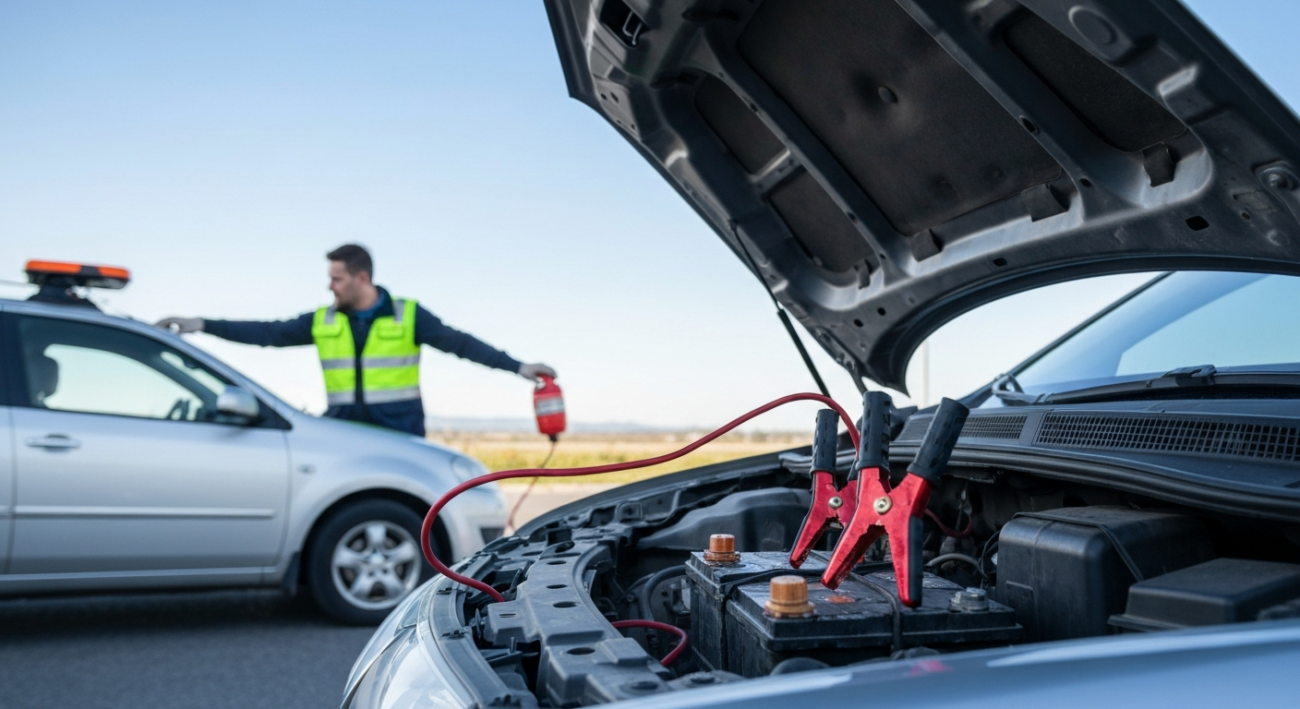
Quick Answer: Recharge Your Car Battery
After a successful jump start, you should drive your car for at least 20-30 minutes. Aim for consistent speeds, ideally on a highway, to give your alternator sufficient time to recharge the battery effectively. This ensures your car battery regains enough power to start reliably on its own next time. Understanding how long to drive after jump starting car is crucial for preventing future starting issues.
Why a Good Drive Recharges Your Battery
Your car’s alternator is the hero here. It’s designed to generate electricity to power all your car’s electrical components and, importantly, to recharge the battery while the engine is running. When your battery dies, it’s severely depleted. A longer drive allows the alternator to operate at peak efficiency, pumping enough power back into the battery to bring it to a healthy charge level. Short trips often aren’t enough for a full recovery, leaving you vulnerable to another dead battery.
What You’ll Need for a Successful Recharge
- A car with a good working alternator
- An adequately jump-started vehicle
- A safe route for driving without frequent stops
Step-by-Step: Determining How Long to Drive After Jump Starting Car
Step 1: Get Your Car Safely Started First
Before you can even think about driving, ensure your car has been properly jump-started. If you need a refresher or are unsure of the correct procedure, it’s wise to consult a guide on how to jump start a car safely. Once your car’s engine is running, carefully remove the jumper cables in the reverse order they were connected, and then close your hood.
Step 2: Start Driving Immediately After Jump Start
Once your car is running, resist the urge to turn it off. Instead, begin driving right away. The alternator starts charging the battery as soon as the engine is on. However, driving provides a more consistent and efficient charging environment, especially when maintaining steady speeds.
Step 3: Aim for 20-30 Minutes of Consistent Driving
The golden rule is to drive for at least 20 to 30 minutes. This duration is generally sufficient for your alternator to put a significant charge back into the depleted battery. Ideally, choose a route where you can maintain a consistent speed, like a highway or a less congested road. Frequent stops and starts can reduce the alternator’s efficiency.
Step 4: Minimize Electrical Loads During Your Drive
While your battery is recharging, try to limit the use of non-essential electrical accessories. This includes things like the air conditioning, heater fan, heated seats, powerful stereo systems, and even headlights during the daytime. Reducing the electrical draw allows more of the alternator’s power to be directed towards recharging the battery.
Step 5: Verify Your Car Starts Again
After your extended drive, park your car in a safe location and turn the engine off. Wait a few minutes, then attempt to start the car again. If it starts smoothly and without hesitation, your battery has likely received a good charge. If it struggles or fails to start, this indicates a deeper problem with your battery or charging system.
Common Mistakes After a Jump Start
- Turning off the car too soon (e.g., after only 5-10 minutes of driving).
- Using many electrical accessories that draw power while recharging.
- Ignoring the underlying cause of the dead battery and not getting it checked.
- Assuming the battery is fully charged after a quick drive around the block.
- Repeatedly jump starting without addressing the battery’s health.
If Your Car Doesn’t Hold a Charge
Car won’t start again after a long drive.
This is a strong indicator of a faulty battery that can no longer hold a charge, or a problem with your car’s alternator. Both components are vital for starting and running your car. You should have your battery and entire charging system tested immediately at an auto parts store or by a mechanic. A new battery is often the solution.
Car struggles to start even after driving for a while.
If your car still struggles, the battery might not be receiving a full charge, or there could be a poor connection. Check your battery terminals for corrosion and clean them thoroughly if present. Ensure all connections are tight. If the problem persists, your car’s charging system or battery may require professional inspection. Refreshing your knowledge on car maintenance basics can help you catch these issues early.
What a Fully Recharged Battery Means
A successful recharge means your car will start reliably on its own, without any hesitation or the need for another jump. The engine will crank strongly, indicating that the battery has sufficient power stored. This gives you peace of mind and prevents the inconvenience and stress of an unexpected breakdown due to a dead battery. Your car is ready for your next journey.
Quick Recap: How Long to Drive After Jump Starting Car
After jump starting your car, the most effective way to recharge its battery is to drive it for at least 20-30 minutes at a consistent speed, ideally on a highway. Remember to minimize the use of electrical accessories during this period to maximize charging efficiency. If, after this drive, your car still struggles to start, it’s a clear sign to investigate further for underlying issues with your battery or alternator.
