
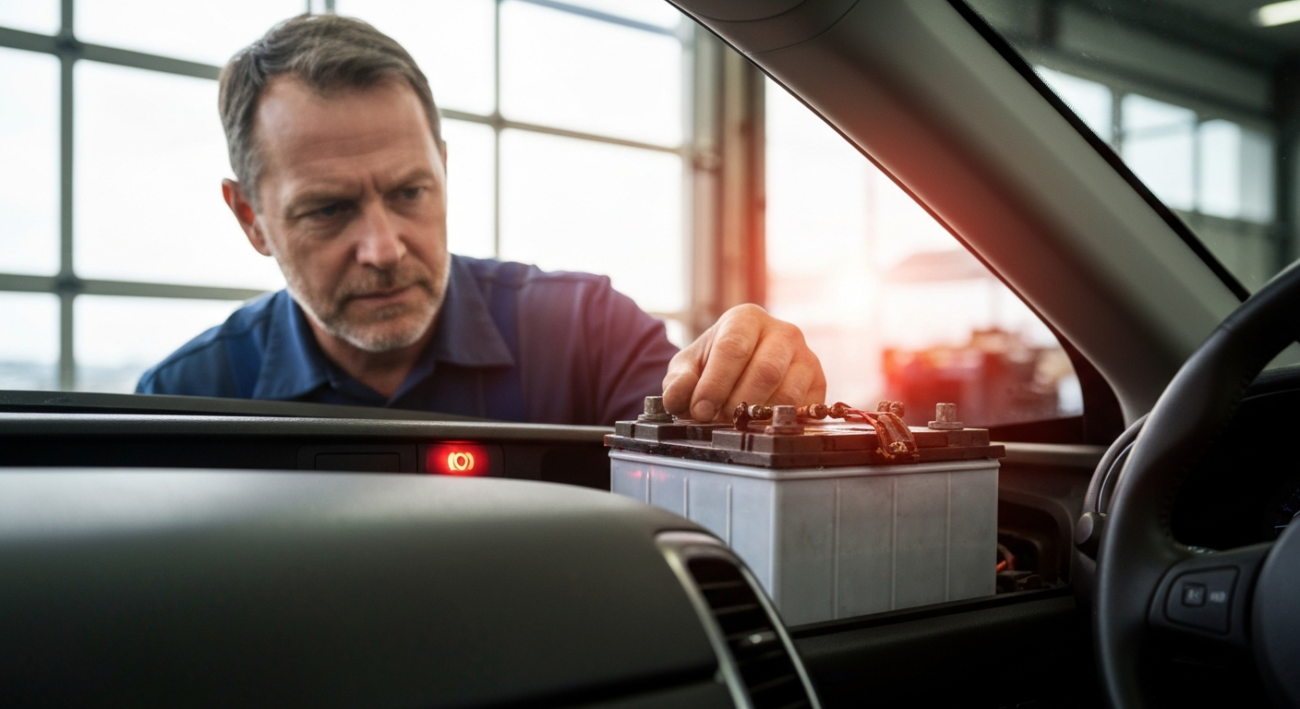
Jump Start for a Quick Fix
A quick jump start can get your car running temporarily if the battery is just drained, but it’s not a permanent solution for a truly failing battery.
Understanding What Happens When Your Car Battery Fails
Your car battery is more than just a power source; it’s the heart of your vehicle’s electrical system, responsible for everything from cranking the engine to powering your radio and lights. When a car battery starts to fail, it means its ability to hold a sufficient charge or deliver the necessary current is significantly reduced. This degradation doesn’t happen overnight; it’s a gradual process often influenced by age, environmental factors, and usage patterns. If you’re experiencing issues, recognizing the signs car battery is failing is your first step towards preventing an inconvenient breakdown. A dying battery struggles to perform its primary roles, leading to noticeable performance issues. It’s a vital component that needs to be in top condition for reliable operation. Ignoring these early warnings can lead to more serious, and often more expensive, problems down the line.
Key Reasons Your Car Battery Shows Signs of Failing
- Age and Natural Wear: Just like any component, car batteries have a lifespan, typically 3 to 5 years. Over time, the internal chemistry breaks down, reducing its capacity to hold a charge. This is a primary reason for failure.
- Extreme Temperatures: Both scorching summers and freezing winters are brutal on batteries. High heat accelerates fluid evaporation and internal corrosion, while cold weather dramatically reduces a battery’s cranking power and can strain it during startup.
- Frequent Short Trips: If your daily commute involves only short drives, your alternator might not have enough time to fully recharge the battery after each start. This constant state of undercharge can significantly shorten its lifespan.
- Parasitic Drains: Sometimes, electrical components in your car continue to draw small amounts of power even when the vehicle is off. Things like interior lights, faulty alarm systems, or even memory functions can slowly drain the battery, especially if the car sits unused for extended periods. This can lead to a completely dead battery unexpectedly.
- Corrosion and Loose Connections: Corroded battery terminals (often a white or blue powdery substance) act as an insulator, preventing electricity from flowing efficiently. Loose connections have a similar effect, reducing the power reaching the starter and other components.
- Faulty Alternator: While often mistaken for a battery issue, a failing alternator means your battery isn’t being properly recharged while the engine runs. The battery might be perfectly fine, but without a working alternator, it will eventually drain and leave you stranded.
Immediate Things to Try When You Spot Battery Problems
- Check and Clean Battery Terminals: Visually inspect your battery terminals for any signs of corrosion. A wire brush and a solution of baking soda and water can effectively clean them. Ensure the connections are snug and tight after cleaning, as loose cables can severely impact power delivery.
- Observe Headlights and Interior Lights: Before trying to start your car, turn on your headlights. If they appear dim or fade quickly when you attempt to start the engine, it’s a strong indicator of a weak battery. Similarly, dim interior lights or a sluggish radio can signal low voltage.
- Listen to the Engine Cranking Sound: A healthy battery delivers a quick, strong crank. If your engine cranks slowly, struggles, or makes a rapid clicking sound but doesn’t turn over, these are classic symptoms of insufficient battery power. The clicking sound often means there isn’t enough power to engage the starter motor fully.
- Get a Professional Battery Test: Many auto parts stores offer free battery testing. They use specialized equipment to check the battery’s voltage, cold-cranking amps (CCA), and overall health. This quick test can often confirm whether your battery is the culprit or if the problem lies elsewhere.
- Inspect the Battery Case for Damage: Take a look at the physical condition of your battery. Bulges on the sides, cracks, or any signs of leakage are critical warnings. These can indicate internal damage, overcharging, or freezing, and usually mean the battery needs immediate replacement.
More In-Depth Fixes for Persistent Battery Issues
- Perform a Load Test: Unlike a simple voltage check, a load test simulates the high current draw experienced during engine startup. This provides a much more accurate assessment of your battery’s actual capacity and ability to perform under stress. This test can reveal a dying battery even if it shows a healthy voltage reading when unloaded. Professional mechanics and specialized auto shops can conduct this crucial test.
- Identify and Eliminate Parasitic Draws: If your battery consistently drains even when the car is off, you might have a parasitic draw. This means some component is continuously consuming power. Tracing these drains requires a multimeter and patience, often involving pulling fuses one by one to isolate the circuit. Resolving these can prevent your car battery keeps dying overnight and extend its life. If you’re not comfortable with electrical diagnostics, a professional technician can help find the source of the drain.
- Thoroughly Inspect the Alternator and Starter: If the battery itself tests fine, the problem might be with the components responsible for charging or starting the car. The alternator recharges the battery while the engine runs; if it’s faulty, your battery won’t get enough juice. The starter motor uses a massive burst of power to get the engine going; a failing starter can draw too much current or fail to engage properly. Both require professional inspection and potentially replacement.
- Consider a New Battery Installation: Ultimately, if all tests point to an old, worn-out, or internally damaged battery, replacement is the most reliable and often only solution. Ensure you choose a battery that matches your vehicle’s specifications regarding size, terminal placement, and cold-cranking amperage. For many modern vehicles, battery replacement isn’t just a swap; it might require the new battery to be registered with the car’s onboard computer, a job best left to professionals.
Vehicle-Specific Indicators: Signs Car Battery Is Failing
- Modern Vehicles with Start-Stop Technology: If your car features an automatic start-stop system, a failing battery might first manifest as the system becoming inactive or intermittent. These vehicles use advanced AGM or EFB batteries, and their complex electrical systems often require battery replacement to be registered with the car’s computer system.
- Older and Simpler Car Models: In older cars, the indicators are often more straightforward: slow engine cranking, dim headlights, or a completely dead battery after sitting for a short period. There are usually fewer electronic systems to complicate the diagnosis.
- Hybrid and Electric Vehicles (12V Battery): While these cars have large propulsion batteries, they also rely on a smaller 12V battery for starting the vehicle’s computer systems, accessories, and sometimes for initial power before the main battery takes over. Symptoms of a failing 12V battery in these vehicles will resemble those of conventional cars, affecting lights, infotainment, and the ability to ‘start’ the vehicle.
- Vehicles with Extensive Aftermarket Accessories: If your car is equipped with numerous power-hungry additions like high-wattage sound systems, security alarms, or additional lighting, these can accelerate battery wear. Monitoring battery health is even more critical in such vehicles to catch the early signs of weakening performance before it leads to a complete failure.
Knowing When to Call in the Experts
- Repeated Failures After Jump Starts: If your car consistently needs a jump start, or dies again shortly after being jumped, the issue is beyond a simple drained battery. It points to a severe battery defect, a major parasitic draw, or a problem with your car’s charging system that needs professional diagnosis.
- Visible Damage or Leaks: Any physical damage to the battery, such as a cracked case, bulging sides, or the presence of a strong rotten egg smell (sulfuric acid), indicates a dangerous and severely compromised battery. Do not attempt to handle it yourself; it requires specialized and safe removal and disposal by a professional.
- Persistent Dashboard Warning Lights: If your battery warning light, check engine light (especially if related to the charging system), or other electrical system warnings remain illuminated after basic checks, it’s a clear signal that a deeper diagnostic is needed from a qualified mechanic.
- Uncertainty or Lack of Tools: If you’re uncomfortable performing checks yourself, lack the necessary tools (like a multimeter or battery tester), or simply can’t pinpoint the problem despite trying basic steps, don’t hesitate to seek professional assistance. Modern car electrical systems can be complex.
- Complex Battery Replacements: For many modern cars, battery replacement isn’t a simple ‘swap and go’. It can involve battery registration with the car’s computer, resetting electronic modules, and handling complex wiring. These tasks are best entrusted to professionals to avoid potential damage or system malfunctions. Taking care of these aspects are critical to car maintenance basics.
Enjoying Reliability After Battery Resolution
Once your car battery has been properly addressed—whether through replacement, fixing a parasitic draw, or repairing a faulty charging system—you should experience a dramatic return to reliable vehicle operation. Your engine will crank strongly and consistently, all electrical accessories will function as expected, and the underlying anxiety of an unexpected breakdown will be significantly reduced. Remember that proactive battery maintenance, including periodic checks and cleaning, is key to maximizing the life of your new battery and ensuring smooth driving for years to come.
