
Quick Answer
Hearing a grinding noise when braking is often a sign that your vehicle’s brake pads are severely worn, leading to metal-on-metal contact. This distinct sound indicates an urgent need for inspection and repair to prevent further damage and ensure your car’s safety. It could also point to other issues like debris or worn rotors, all requiring prompt attention.
What This Means
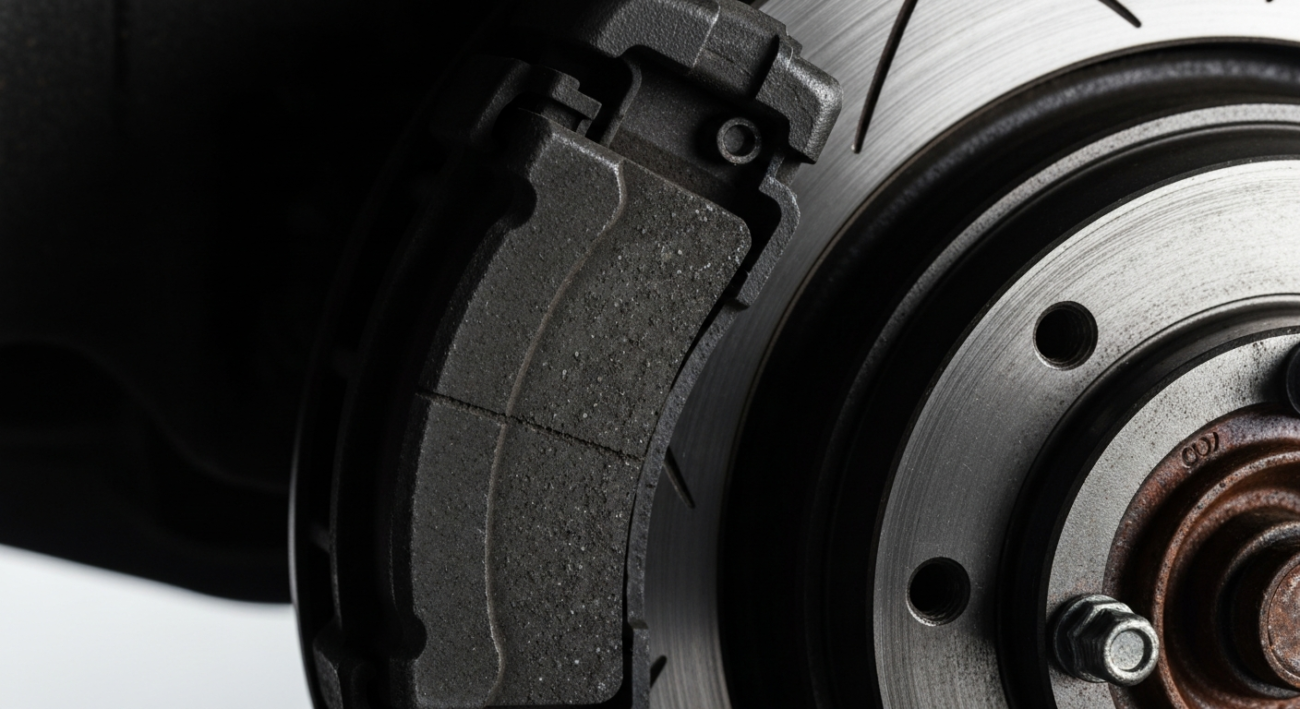
A grinding noise when braking typically means there’s friction happening where it shouldn’t be, usually between metal components. When your brake pads wear down, the protective friction material eventually disappears. This leaves the metal backing plate of the pad scraping against the metal brake rotor. This contact is not only loud but also damaging. Understanding what causes this specific sound is the first step toward a proper fix. A continuous, harsh scraping sound is generally a clear indicator.
Why This Matters
Your brakes are one of the most critical safety features of your car. A grinding noise when braking isn’t just annoying; it signals a problem that directly impacts your ability to stop safely. Ignoring this sound can lead to significantly reduced braking performance, increased stopping distances, and potential brake failure. Moreover, delaying repairs can cause more extensive and costly damage to other components, like brake calipers and rotors, turning a simple pad replacement into a much larger bill. Addressing this issue promptly protects both your wallet and your life.
Common Causes of a Grinding Noise When Braking
- Severely worn brake pads (metal-on-metal contact)
- Worn or warped brake rotors
- Foreign objects caught in the brake assembly
- Sticking or seized brake calipers
- Excessive rust build-up on brake components
How to Fix or Handle This
Replace Worn Brake Pads and Rotors
If the grinding is due to worn pads, replacing them is crucial. Often, worn pads will have also damaged the rotors, making it necessary to replace or resurface the rotors as well. This restores proper braking function and eliminates the metal-on-metal grinding. Always replace pads and rotors in pairs on the same axle for balanced braking performance.
Inspect for Foreign Objects
Sometimes, a small stone, piece of gravel, or road debris can get lodged between the brake rotor and caliper or dust shield. This can cause a distinct grinding noise when braking. A mechanic can quickly inspect the brake assembly, remove the foreign object, and ensure no lasting damage has occurred. This is a simple fix if caught early.
Address Sticking Calipers
A sticking brake caliper prevents the brake pad from fully disengaging from the rotor, leading to constant friction and a grinding sound, even when not actively braking. This also causes excessive heat and premature wear. A professional can diagnose and either repair or replace the caliper, ensuring smooth and quiet operation.
Clean Off Rust Buildup
If your car sits for a while, especially in damp conditions, rust can form on the brake rotors. This rust can cause a temporary grinding noise when braking during the first few stops. Usually, normal driving and braking will wear off the surface rust. However, if the rust is severe or the grinding persists, the rotors might need cleaning or replacement.
When This May Be Different
- New brake pads: Sometimes new pads need a ‘break-in’ period, causing a slight squeal or light grinding until they seat properly.
- Wet weather/humidity: A thin layer of surface rust can form on rotors overnight, causing a momentary grinding sound on the first few stops.
- Infrequent driving: Cars that sit for extended periods can develop surface rust or stiff components, leading to initial braking noises.
Common Myths Debunked
The grinding noise will eventually go away on its own.
Reality: Unfortunately, a grinding noise when braking is almost never a temporary issue that resolves itself. It typically indicates a mechanical problem that will worsen over time, leading to more severe damage and potentially unsafe driving conditions if not addressed.
It’s just the wear indicator, it’s not a big deal.
Reality: While brake pads do have wear indicators that make a squealing sound, a distinct grinding noise when braking suggests you’ve likely gone past the wear indicator stage. This grinding means metal is scraping metal, indicating a much more serious problem than just a warning chime.
When You Should Be Concerned
- The grinding noise is accompanied by a pulsation in the brake pedal or steering wheel.
- Your car pulls to one side when you apply the brakes.
- The braking distance feels noticeably longer than usual.
- There’s a burning smell coming from the wheels after braking.
- The brake pedal feels spongy or goes to the floor.
What to Do Next
If you hear a grinding noise when braking, the most important step is to have your vehicle inspected by a qualified mechanic as soon as possible. Driving with compromised brakes is dangerous for you and others on the road. A professional can accurately diagnose the source of the noise and recommend the necessary repairs. Don’t delay addressing this critical safety concern. To learn more about keeping your vehicle in top shape, check out car maintenance basics.
