
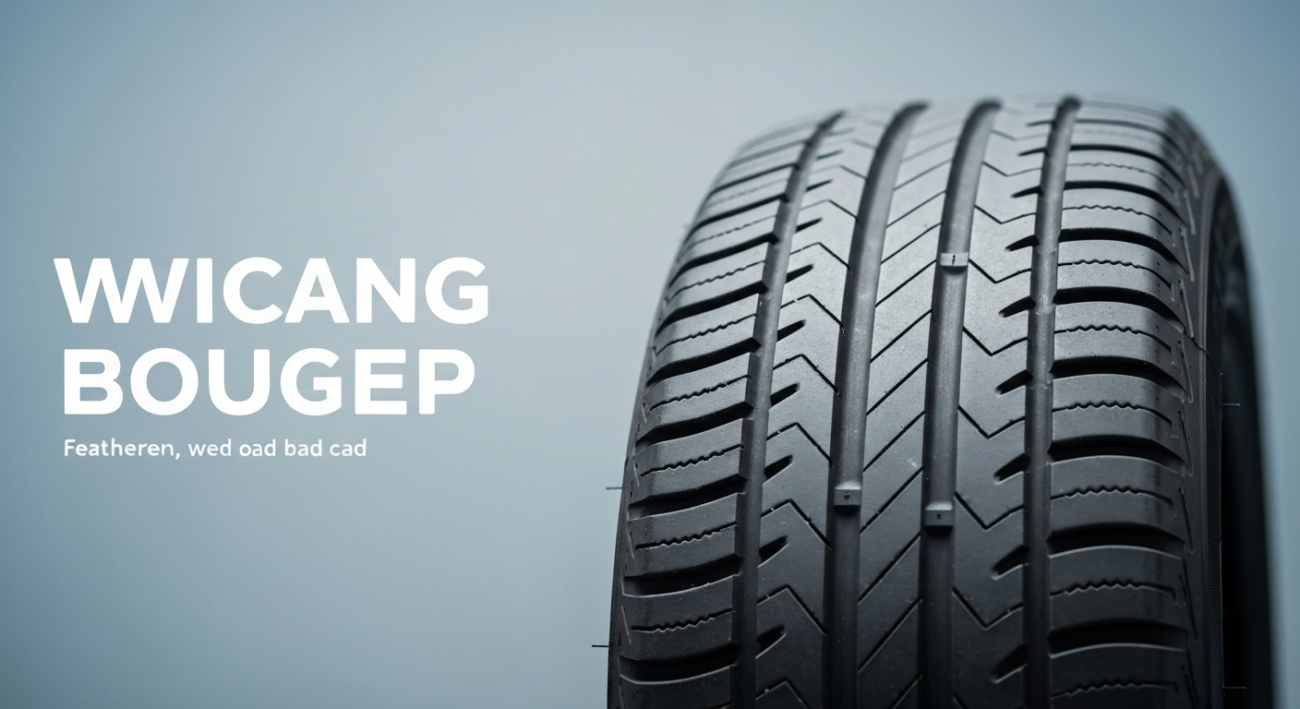
Quick Check for Tire Wear
The fastest way to spot issues is by performing a visual inspection and the ‘penny test’ on your tire tread depth. This can quickly indicate if replacement is needed.
Understanding Tire Wear Issues
Tires are your vehicle’s only contact with the road, making them absolutely critical for safety, handling, and braking performance. Over time, all tires naturally wear down. However, specific patterns of wear, or reaching a certain tread depth, can indicate underlying issues or, more simply, that it’s time for new tires. Recognizing the signs your tires need replacement is vital. Ignoring these indicators can lead to compromised vehicle control, reduced fuel efficiency, and a heightened risk of dangerous blowouts or hydroplaning. Understanding what’s going wrong with your tires is the first step toward a safer driving experience. We’ll explore these common signs and what they mean for your vehicle’s health.
Why Your Tires Wear Unevenly
- Incorrect Tire Pressure: Both under-inflation and over-inflation can cause significant wear. Under-inflated tires wear excessively on the outer edges, while over-inflated tires wear primarily in the center.
- Wheel Misalignment: Improper wheel alignment means your tires aren’t tracking straight. This often leads to feathering (jagged wear across the tread) or rapid wear on one side of the tire.
- Worn Suspension Components: Shocks, struts, and other suspension parts absorb road impacts. When they’re worn, tires can bounce excessively, causing cupping or scalloping – a wavy wear pattern.
- Improper Tire Rotation: Skipping regular tire rotations prevents even wear across all four tires. Different positions on the vehicle put different stresses on tires, leading to varied wear rates.
- Lack of Tire Balancing: An unbalanced tire can cause vibrations and irregular wear patterns, as certain sections of the tire are repeatedly impacted harder than others.
- Aggressive Driving Habits: Frequent hard acceleration, sudden braking, and fast cornering put immense stress on tires, accelerating wear, especially on the shoulders and specific tread blocks.
- Defective Tires: Rarely, a manufacturing defect can cause a tire to wear unevenly or prematurely. This is less common but worth considering if all other causes are ruled out.
Immediate Checks for Signs Your Tires Need Replacement
- The Penny Test: This classic test is a simple way to gauge tread depth. Insert a penny upside down into several tread grooves. If you can see the top of Abraham Lincoln’s head, your tread is likely too shallow (under 2/32nds of an inch), indicating it’s time for replacement.
- Visual Inspection for Damage: Look closely at the tire’s sidewalls and tread for any obvious damage. This includes cracks, bulges, blisters, or punctures from nails or sharp objects. Any of these could indicate an immediate safety risk.
- Examine Tread Wear Indicators: Most modern tires have built-in tread wear indicator bars (small rubber bars molded into the tread grooves). If these bars are flush with the tread surface, the tire is worn out and needs replacing.
- Check for Uneven Wear: Run your hand across the tread of each tire. Do you feel any areas that are significantly smoother or rougher than others? Look for patterns like wear on only one side, cupping (scooped-out areas), or feathering (tread blocks worn more on one side than the other).
- Monitor Tire Pressure: Use a reliable tire gauge to check the pressure in all four tires, including the spare, at least once a month. Incorrect pressure is a leading cause of uneven tire wear and can severely impact handling and fuel economy. Consult your car’s manual or door jamb sticker for the recommended PSI.
Addressing Deeper Signs Your Tires Need Replacement
- Professional Wheel Alignment: If you observe consistent wear on one edge of your tires, or if your steering wheel isn’t centered, a professional wheel alignment is necessary. Misalignment causes tires to drag instead of roll straight, leading to rapid and uneven wear. Getting your wheels properly aligned can significantly extend tire life and improve handling.
- Suspension System Inspection: Cupping or scalloping patterns on your tires often point to worn-out suspension components like shocks, struts, or ball joints. A mechanic can diagnose these issues and recommend replacements, restoring proper tire contact with the road.
- Tire Balancing and Rotation: While often considered basic maintenance, having your tires professionally balanced ensures weight is evenly distributed. This prevents vibrations and irregular wear. Implementing a regular tire rotation schedule, typically every 5,000 to 8,000 miles, helps distribute wear evenly across all four tires, maximizing their lifespan.
- Vehicle Frame Inspection: In rare cases, especially after an accident, the vehicle’s frame can be bent, leading to persistent alignment issues that accelerate tire wear. A specialized body shop can assess and correct frame damage if suspected.
- Consider Driving Habits: Reflect on your driving style. Aggressive cornering, rapid acceleration, and sudden braking put immense strain on your tires. Adopting smoother driving practices can drastically reduce wear and tear. This is a simple, no-cost way to extend tire life and improve fuel efficiency.
- Regular Overall Vehicle Maintenance: Many tire issues are symptoms of broader vehicle health. Adhering to car maintenance basics, such as checking brakes and bearings, ensures all components work in harmony, preventing undue stress on your tires and catching potential problems early.
Specific Considerations for Tire Health
- Vehicle Type Differences: Front-wheel drive vehicles often exhibit more wear on the front tires due to steering, braking, and power delivery all occurring at the front. Rear-wheel drive vehicles might show more even wear, or slightly more on the rear if aggressively driven. All-wheel drive cars can wear tires more evenly, but still benefit from rotation.
- Performance vs. All-Season Tires: High-performance tires often use softer rubber compounds for better grip, leading to faster wear. All-season tires are designed for durability and a longer lifespan in varied conditions, but may not offer the same peak performance. Choose tires appropriate for your typical driving and climate.
- Electric Vehicle Considerations: EVs, with their instant torque and often heavier battery packs, can put unique stresses on tires, sometimes leading to faster wear, especially on the drive wheels. Tire manufacturers are developing specific EV tires designed to handle these characteristics.
- Load and Towing Impacts: Vehicles frequently carrying heavy loads or towing trailers experience increased stress on their tires. This can accelerate wear and require more vigilant monitoring of tire pressure and tread depth. Ensure you use tires rated for the maximum load of your vehicle if you frequently transport heavy items.
- Climate and Road Conditions: Extreme temperatures, prolonged exposure to harsh UV rays, and driving on poorly maintained roads (potholes, gravel) can all accelerate tire degradation and wear. Regular inspection is even more crucial in these conditions.
When Professional Help is Needed
- If you observe sudden and rapid tire wear despite regular maintenance.
- When uneven wear is severe and cannot be attributed to simple inflation issues.
- If you experience persistent vibrations or handling problems after attempting basic fixes.
- When tires consistently lose air pressure without an obvious puncture.
- If you find large cracks, bulges, or separations in the tire sidewall.
- Before a long trip if you are unsure about your tires’ condition or feel unsafe driving.
Drive Safely with Healthy Tires
By staying vigilant and regularly checking for the various signs your tires need replacement, you are taking proactive steps to ensure your personal safety and the optimal performance of your vehicle. Don’t wait for a noticeable problem; routine inspections and timely intervention are key to maintaining tire health. Well-maintained tires provide better grip, improved fuel economy, and a smoother, safer driving experience. Make tire care a priority, and enjoy peace of mind on every journey. This crucial aspect of vehicle upkeep helps you avoid unexpected breakdowns and costly repairs in the long run.
