Troubleshooting
Solutions for common issues, errors, and things that are not working as expected.
Latest Insights
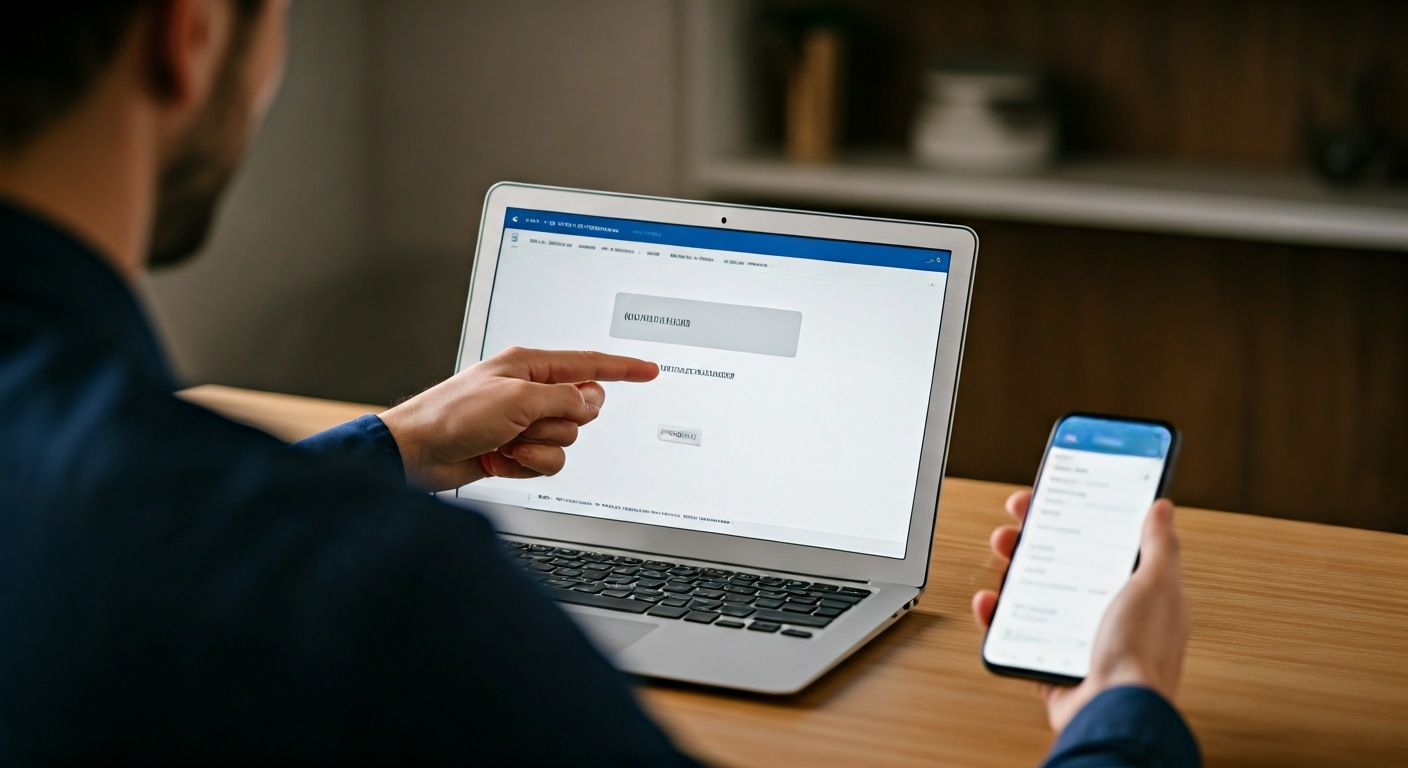
To fix a missing or non-working 'Share with Network' option on LinkedIn, first try refreshing your browser or restarting the mobile app. If the problem persists, clear your browser's cache and cookies, or reinstall the LinkedIn app. These steps often resolve temporary software glitches that interfere with button functionality, allowing you to share your content.
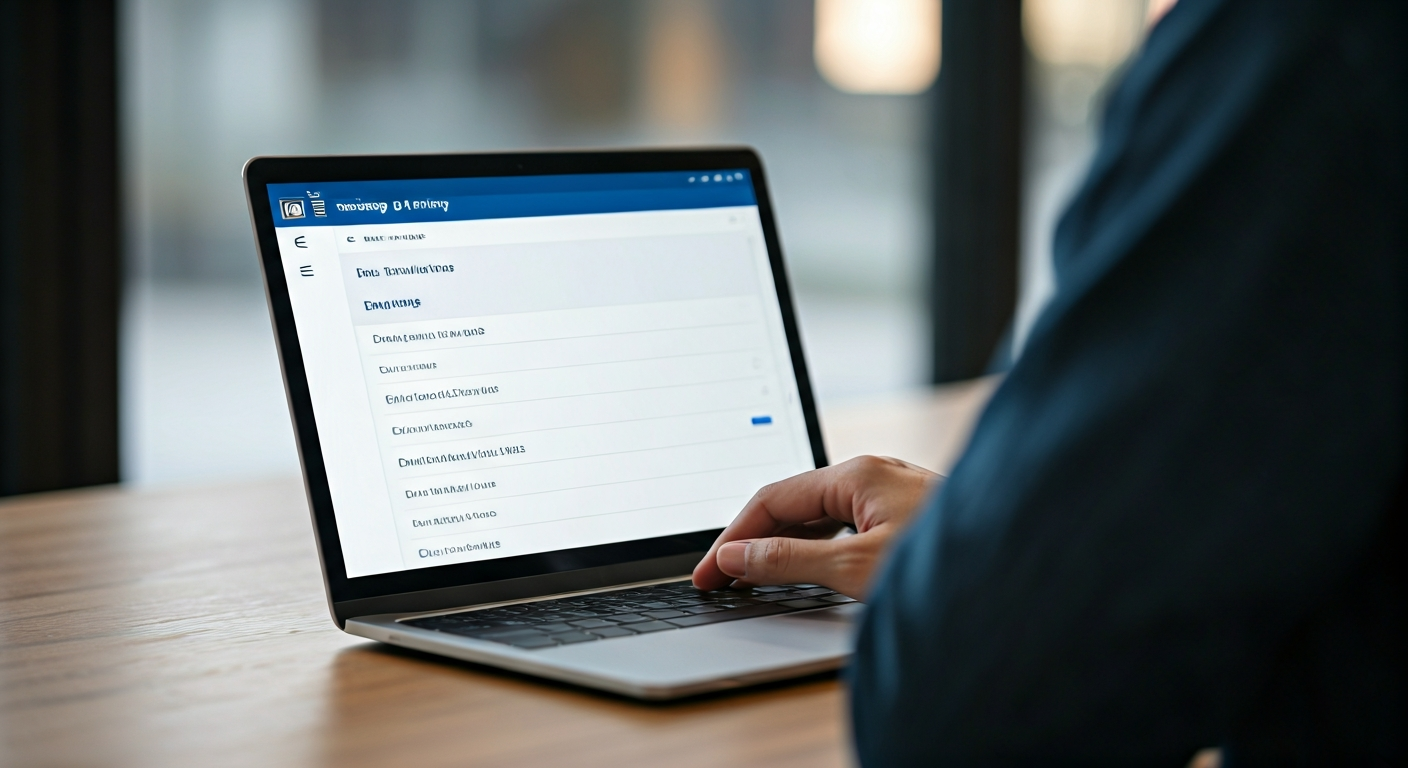
If your LinkedIn profile changes aren't visible to others, the most common fix is to review your 'Profile visibility off LinkedIn' settings and ensure individual sections are set to public. Additionally, clearing your browser's cache or refreshing the mobile app can resolve temporary display issues. Confirming that all changes have been saved and published is also crucial.
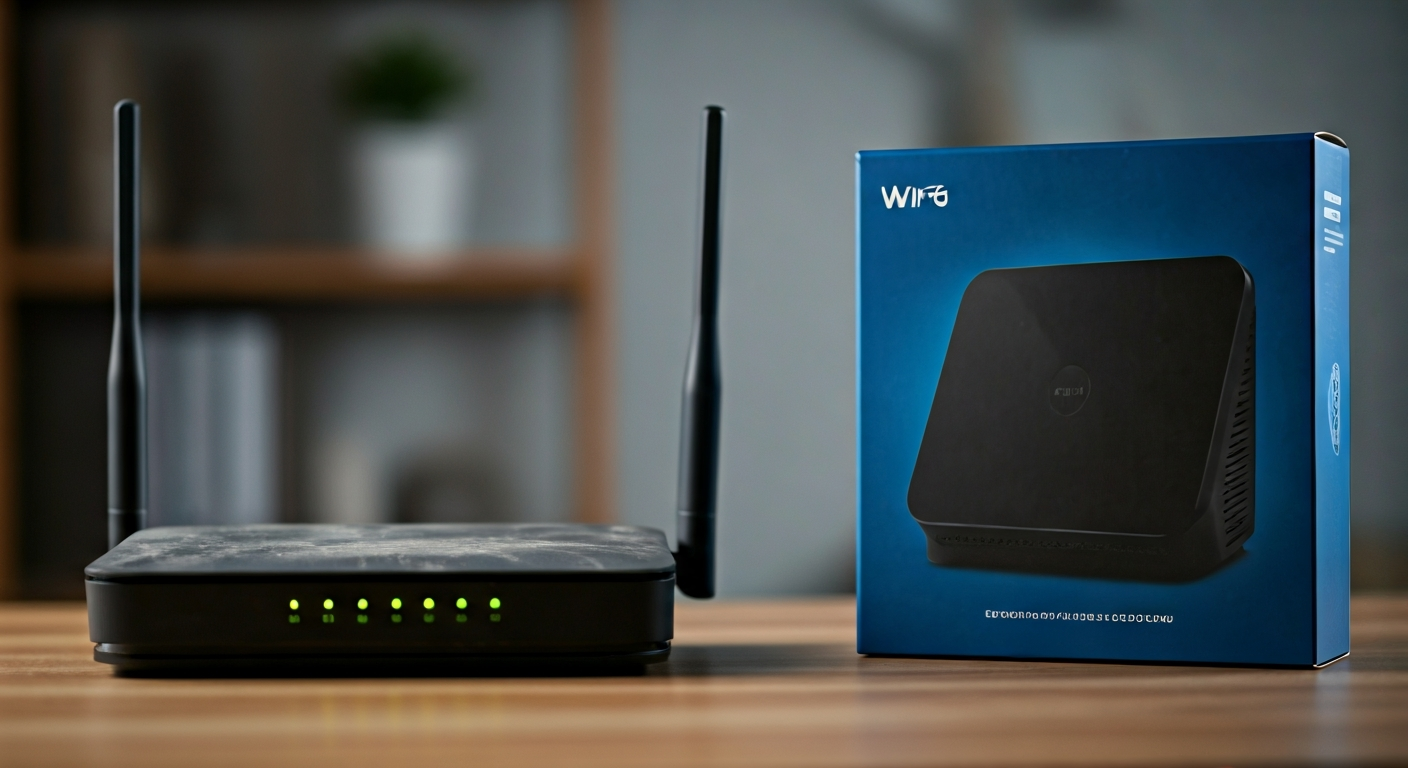
If your internet consistently underperforms despite good service from your provider, and you notice multiple symptoms like frequent disconnections, sluggish speeds even on nearby devices, or a significantly old router (over 3-5 years), it’s very likely time for a replacement. A new router will leverage modern technology to provide a faster, more stable, and secure connection.
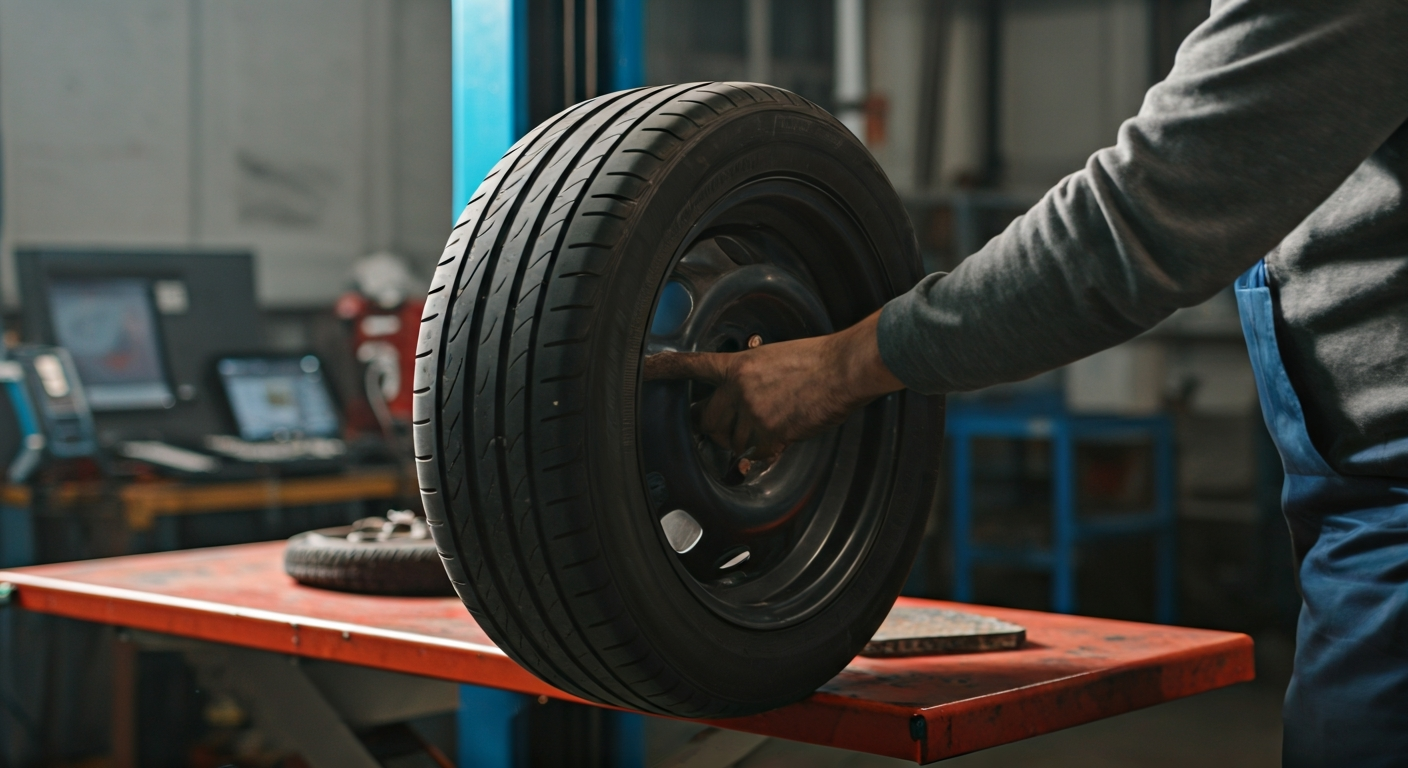
Flat tyres primarily result from punctures caused by sharp objects on the road, such as nails or glass. Other common causes include faulty valve stems, improper tyre inflation leading to uneven wear or bead leaks, and impact damage from potholes or curbs. Understanding these underlying issues is crucial for effective prevention and prompt resolution, keeping you safely on the road.
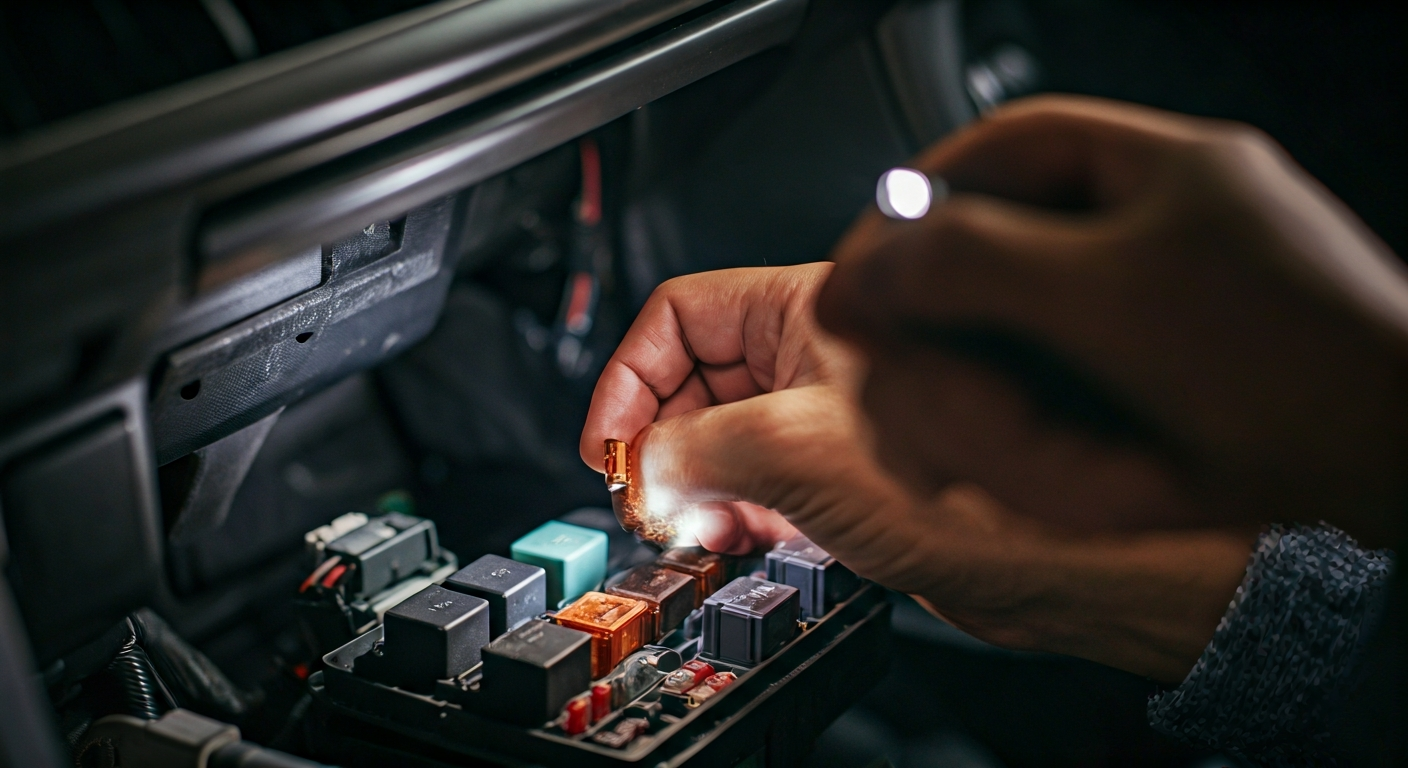
To check and replace a blown car fuse, first identify the affected circuit by consulting your owner's manual. Locate the appropriate fuse box, usually under the hood or dashboard. Carefully remove the suspected fuse using a fuse puller and visually inspect it for a broken filament or test it with a multimeter. Replace a blown fuse with a new one of identical amperage and type to restore electrical function safely.
If your new LinkedIn job post isn't showing, the most common reason is that it's still under review or has an issue with its status. Immediately check your 'Manage Job Posts' section. Look for the job's status; it might be 'Pending Review,' 'Draft,' or 'Rejected.' Editing and resubmitting or simply waiting for the review process to complete often resolves the issue.
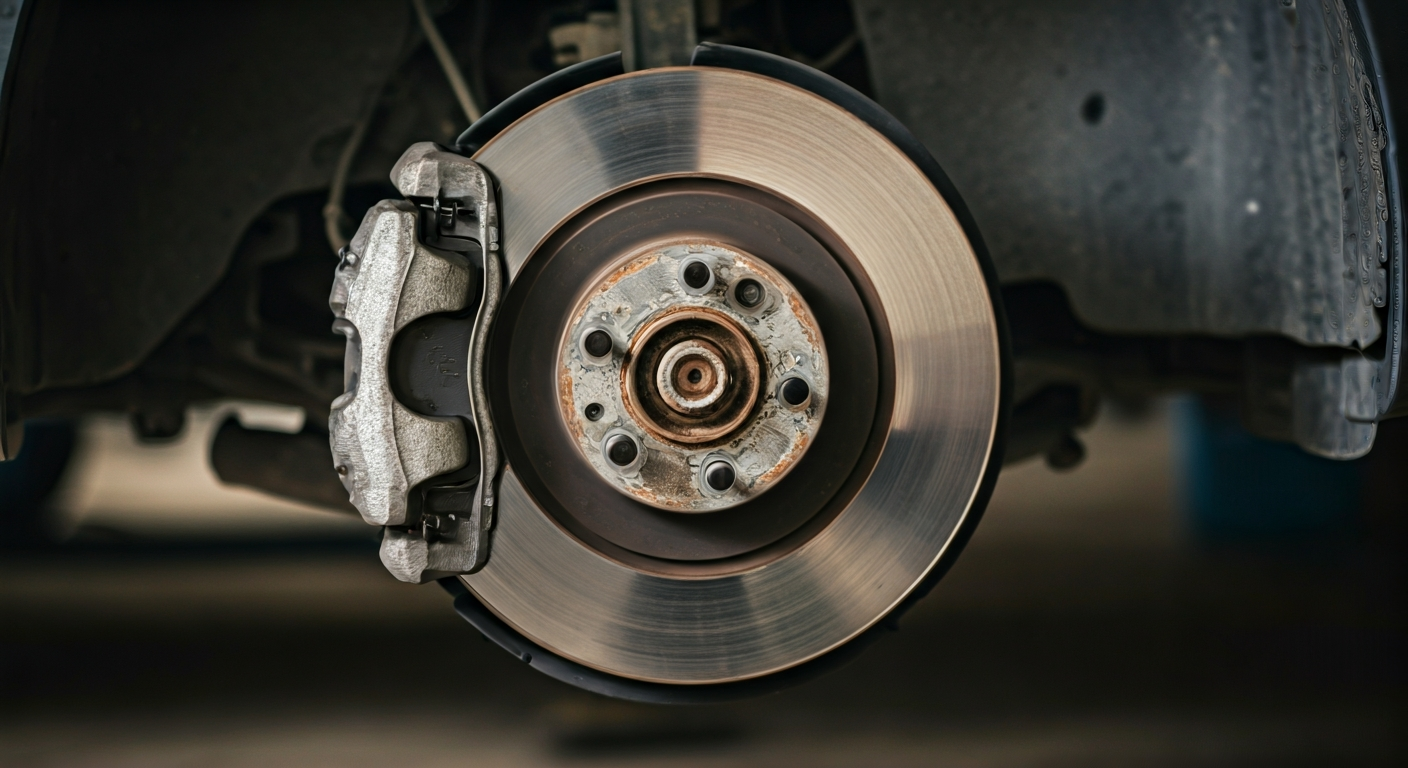
Check your brakes for warning signs like persistent squealing or grinding noises, a pulsating brake pedal, or a soft, spongy feel when pressed. Visually inspect brake pads for thinness and rotors for deep grooves. Any dashboard brake warning lights also indicate immediate attention is necessary. Address these indicators promptly to maintain vehicle safety and prevent further damage.
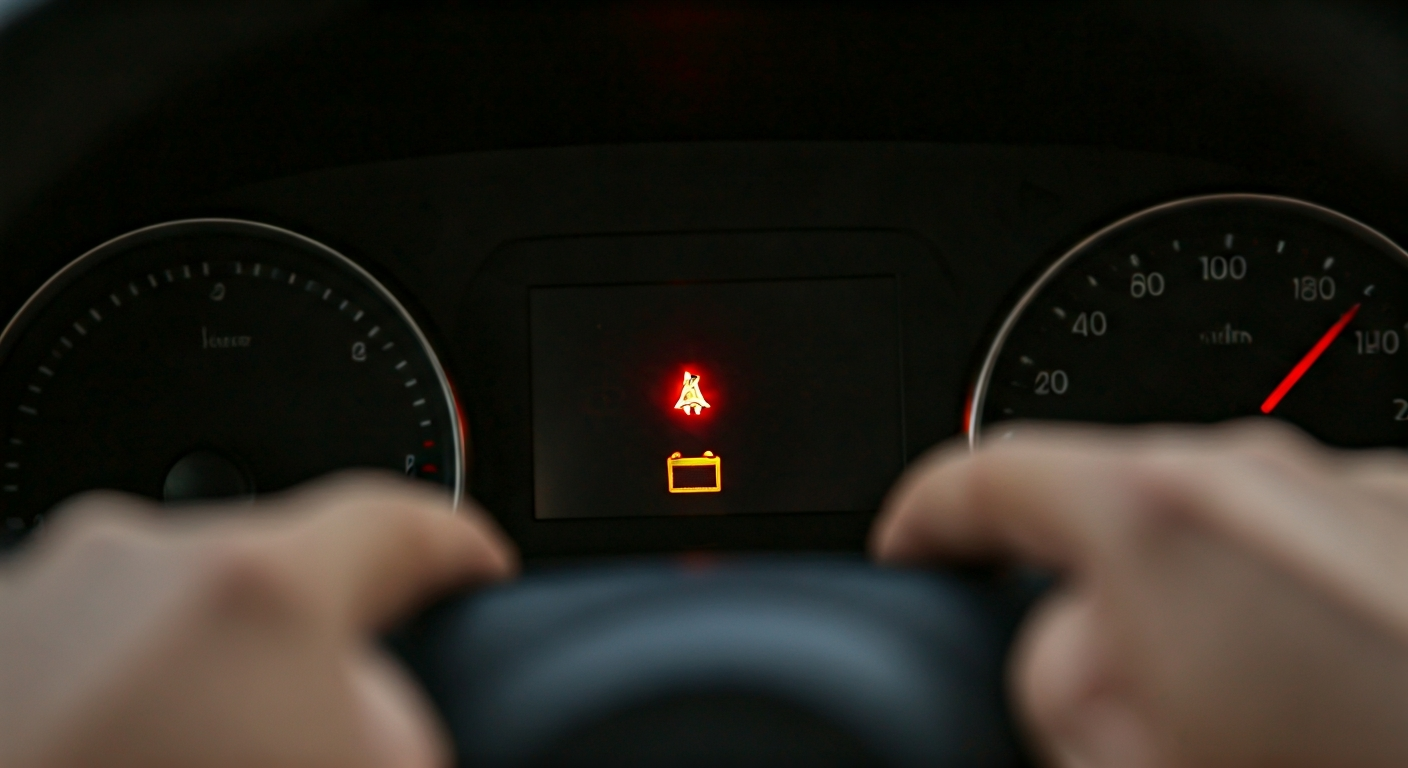
Identify a failing car battery by observing slow engine cranking, dim headlights or interior lights, clicking sounds when starting, and dashboard warning lights. Other indicators include swollen battery casing or a rotten egg smell. Address these signs promptly to prevent being stranded and to maintain your vehicle's reliability, potentially requiring a battery test or replacement.
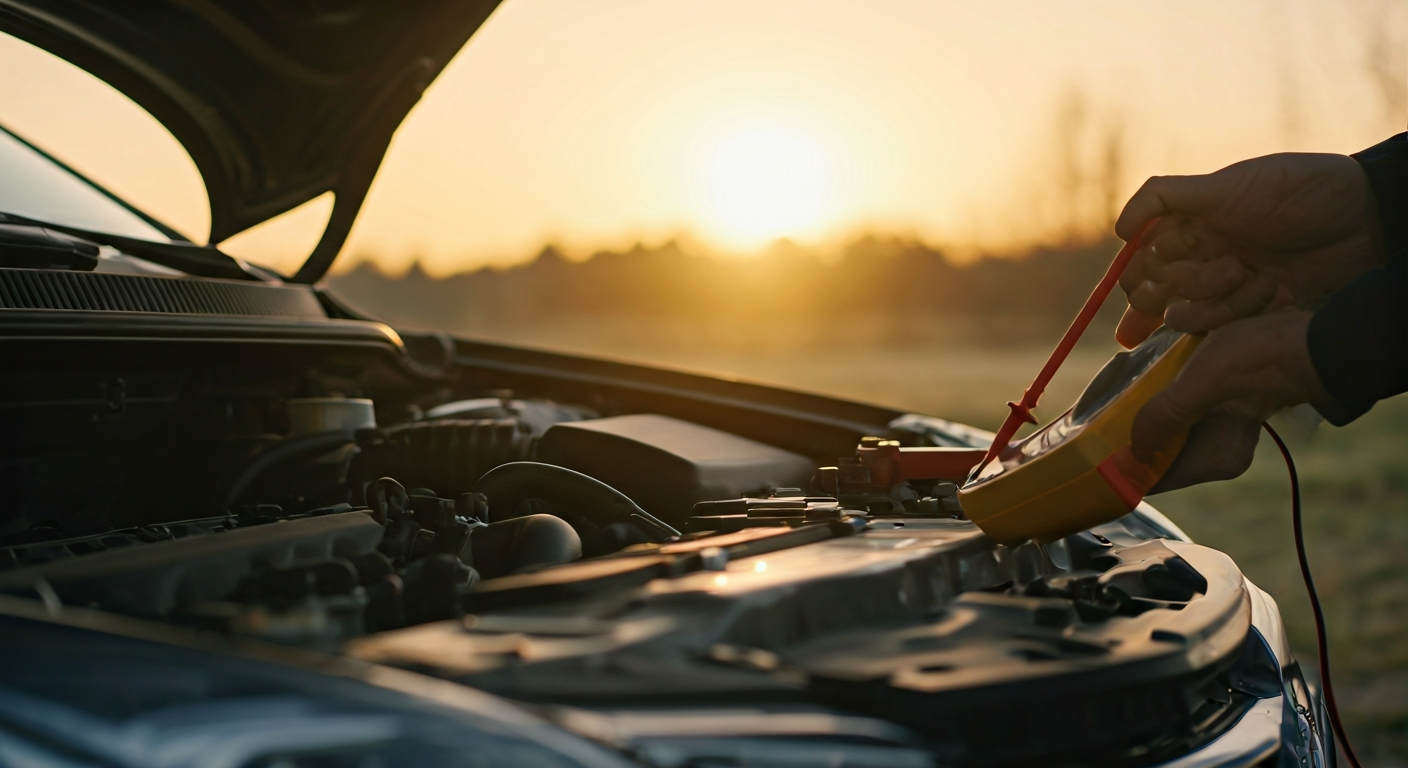
The most common reason a car battery dies overnight is a "parasitic draw," where electrical components continue to consume small amounts of power even after the vehicle is turned off. Other causes include a failing alternator that does not properly recharge the battery, or a battery that has reached the end of its lifespan and can no longer hold a charge effectively.
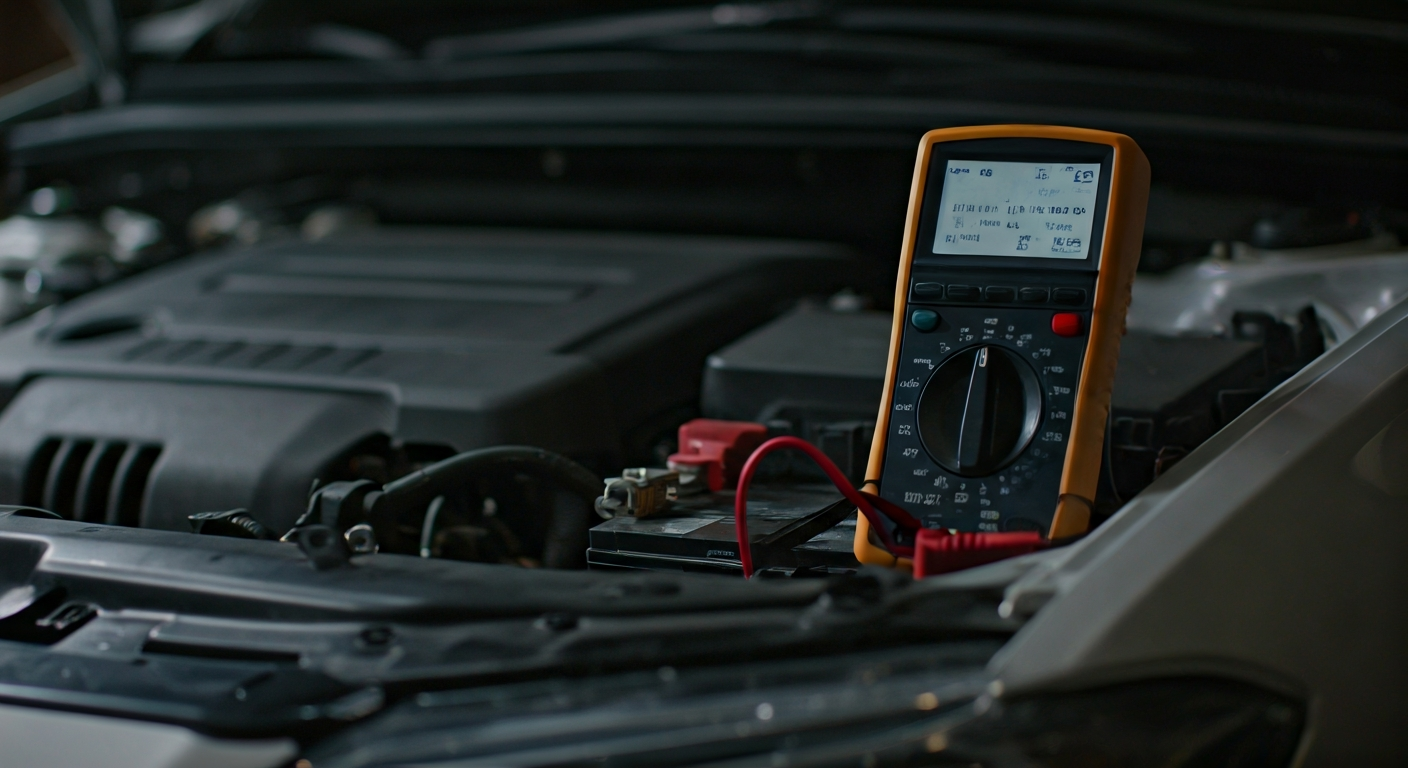
Yes, a bad alternator can absolutely cause battery drain overnight. A malfunctioning alternator may fail to properly recharge the battery while driving, leaving it undercharged. Furthermore, an internal short or failed diode within the alternator can create a "parasitic draw," silently draining the battery's power even when the car is off, resulting in a dead battery by morning.
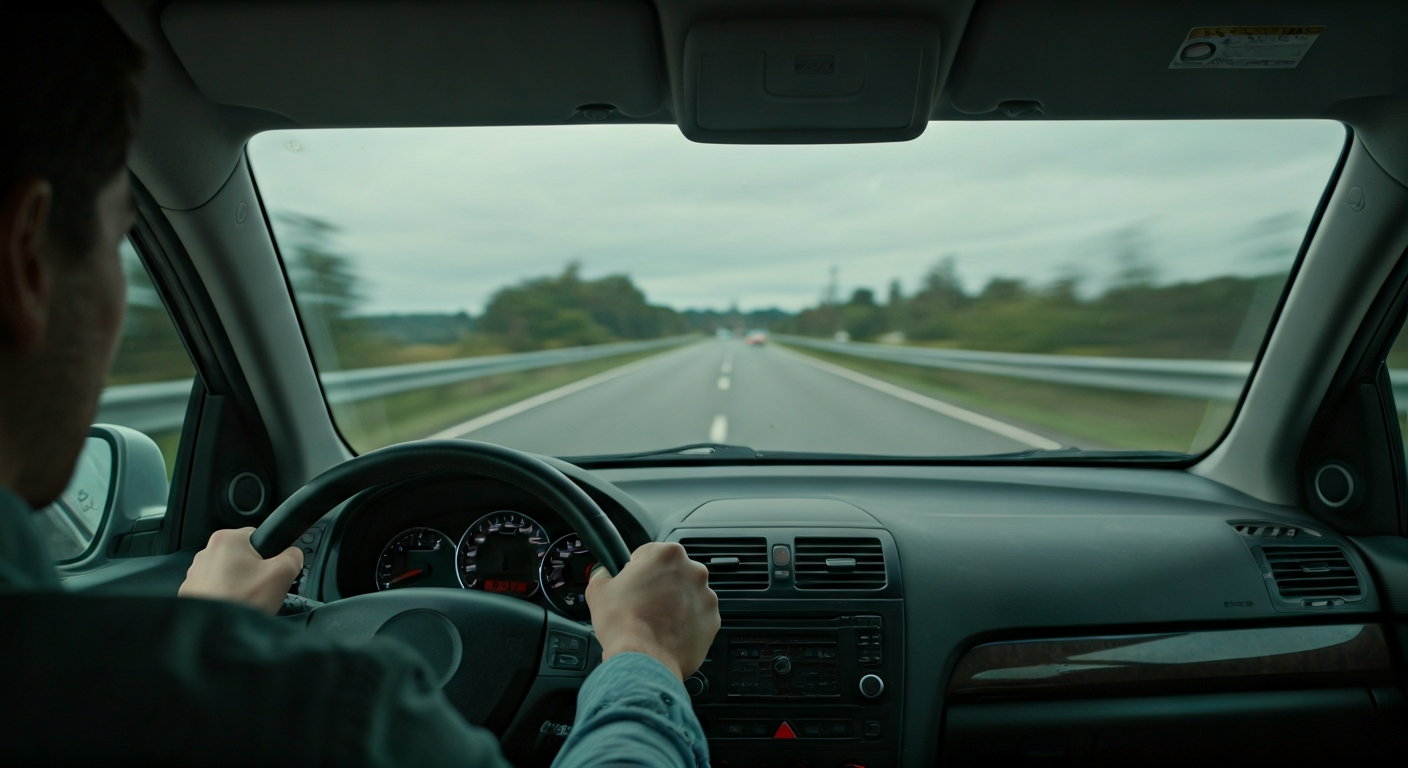
The most common reason for a shaking steering wheel is tire imbalance. When a tire's weight is unevenly distributed, it causes vibrations that transmit through the steering column. Other frequent causes include misaligned wheels, worn suspension components, or issues with the braking system, all of which compromise vehicle safety and handling.
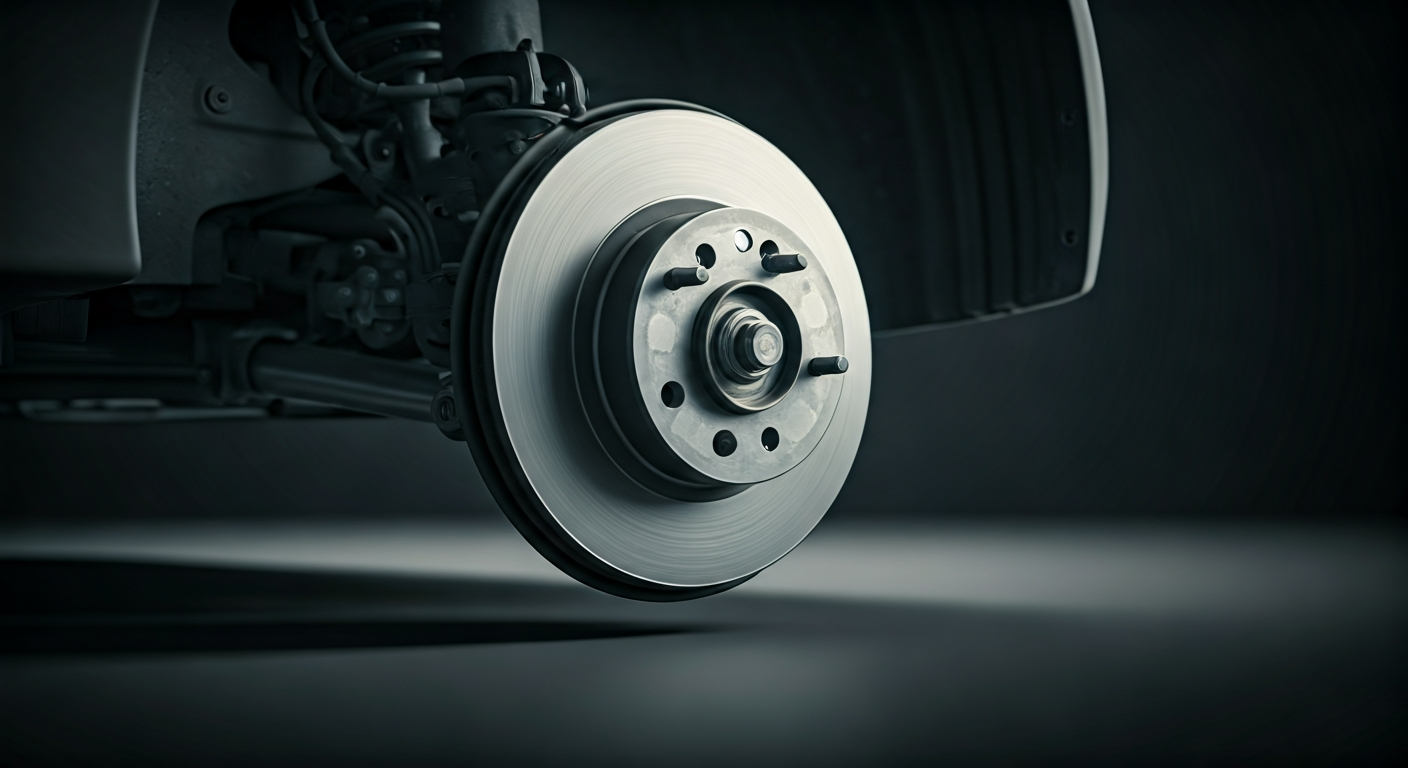
A grinding noise when braking signifies a critical problem within your vehicle's brake system, most commonly severely worn brake pads or damaged rotors. This sound often indicates metal-on-metal contact, drastically reducing braking effectiveness and posing a significant safety risk. Immediate inspection by a qualified mechanic is crucial to diagnose the exact cause and prevent further damage or brake failure.
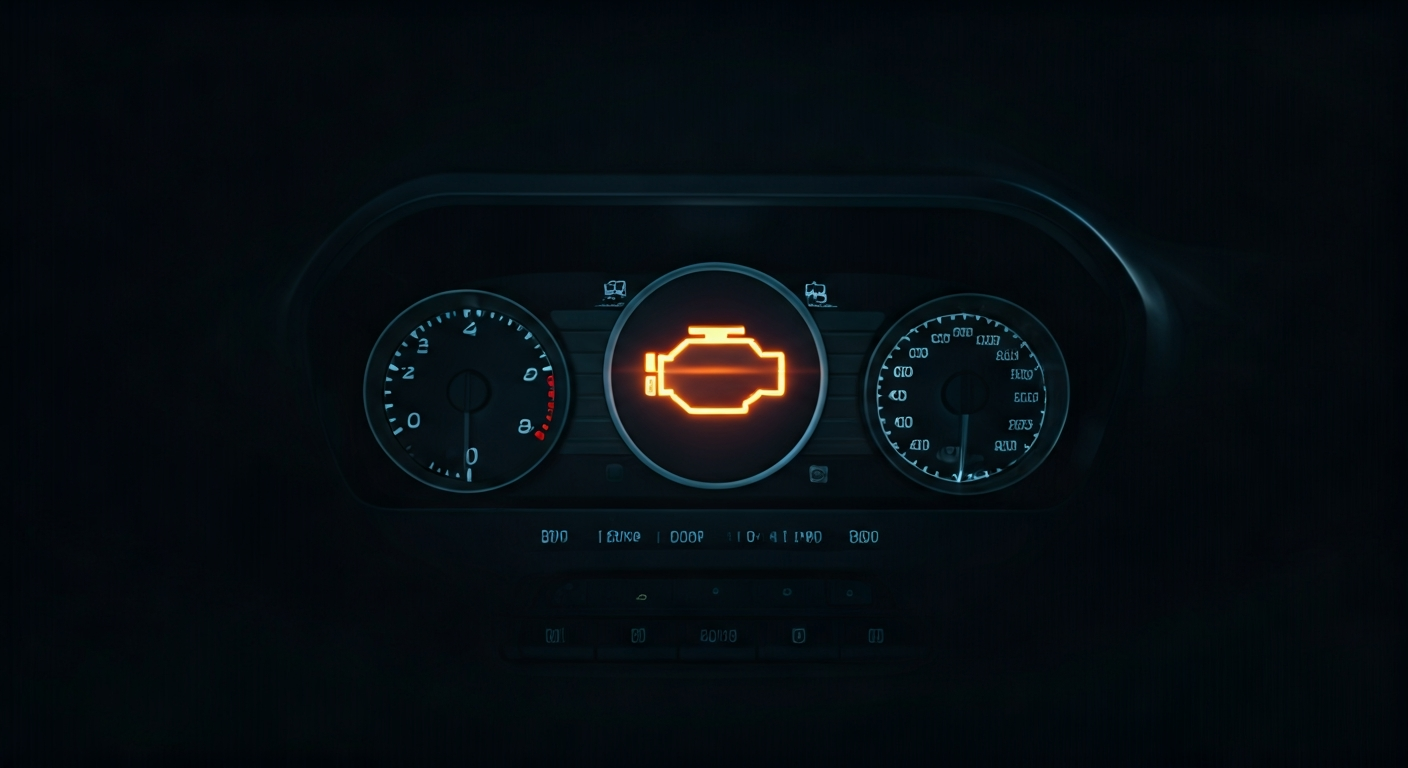
The check engine light indicates that your vehicle's engine computer (ECU) has detected a problem within the engine or emissions system. It does not specify the exact issue but alerts you that a diagnostic trouble code (DTC) has been stored. This light signals a range of problems, from minor sensor malfunctions to more serious engine or transmission issues requiring immediate attention.
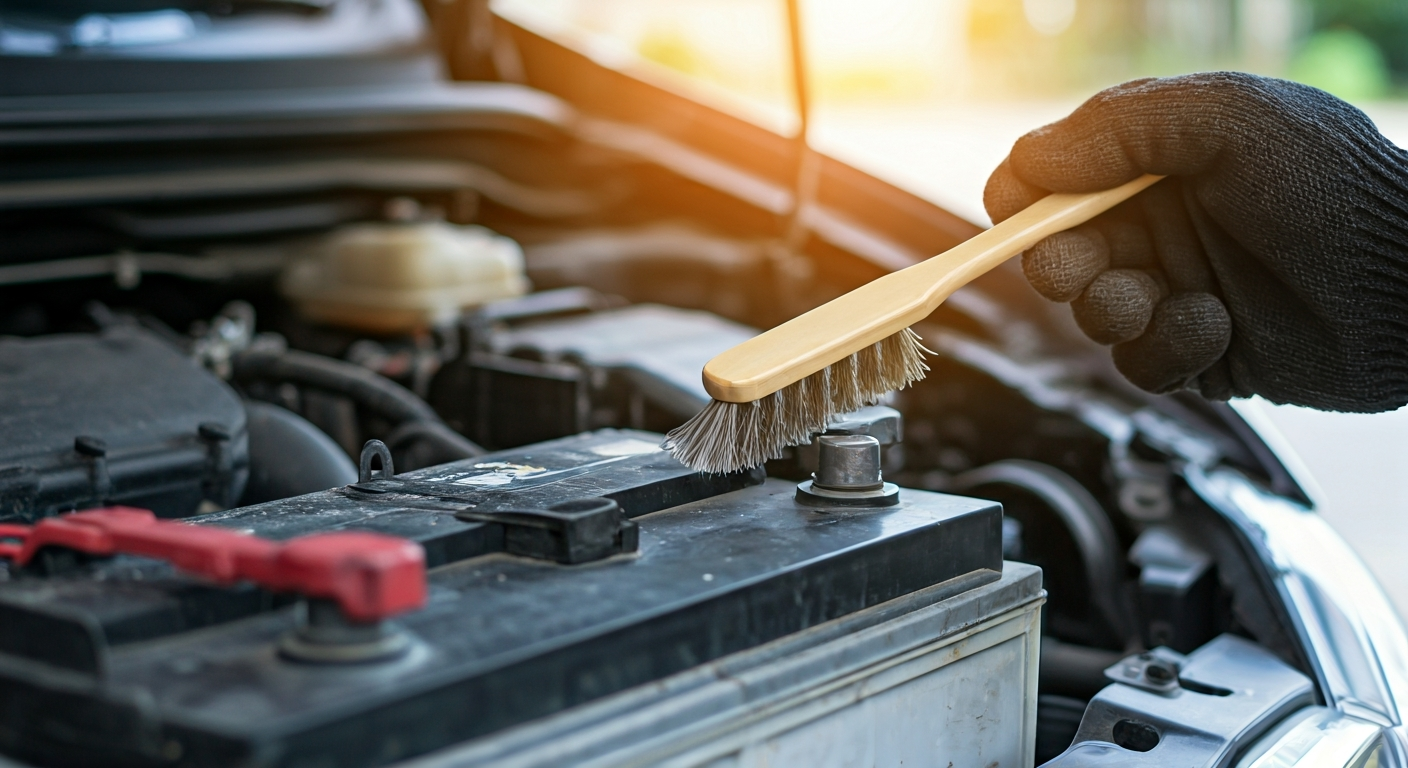
If your car won't start but the lights work, the most common issue is an insufficiently charged battery or corroded/loose battery terminals. While enough power exists for low-draw accessories, there isn't enough high amperage for the starter motor. Cleaning and tightening terminals, or a jump start, often resolves the problem immediately.
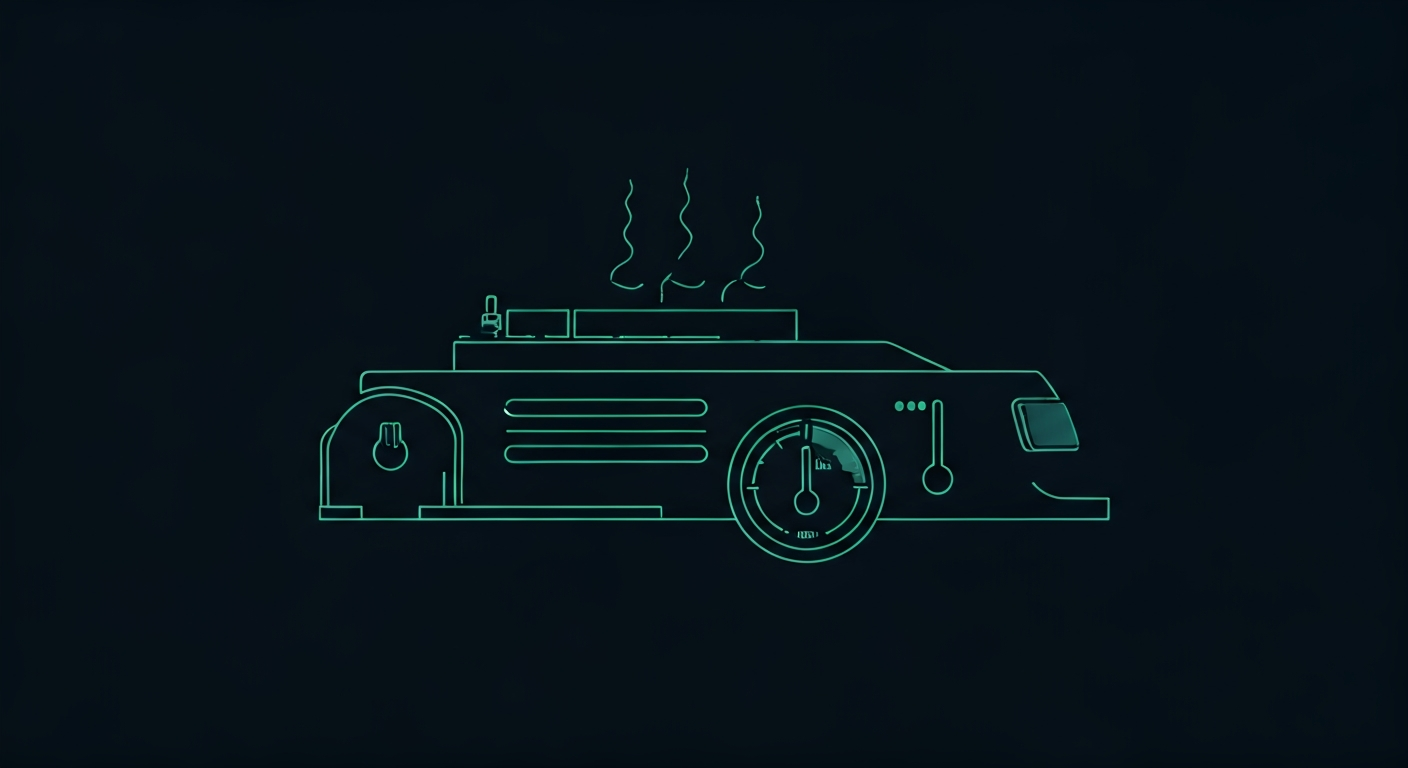
If your car runs low on coolant, the engine cannot effectively dissipate heat, leading to rapid overheating. This can cause critical components like the cylinder head, head gasket, and pistons to warp, crack, or seize, resulting in severe and expensive engine damage. Addressing low coolant immediately is essential to prevent catastrophic failure.
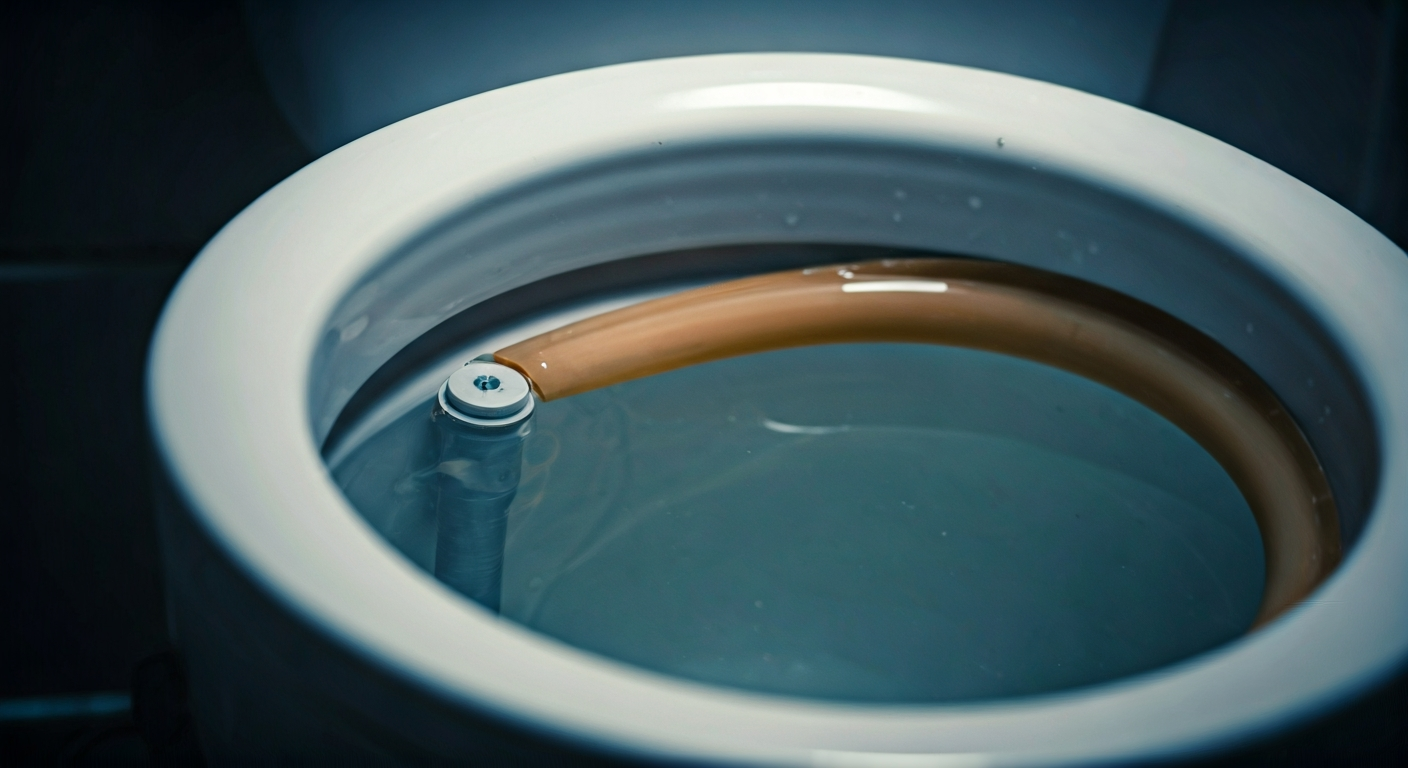
Your toilet constantly runs when a component within the tank fails to properly seal or regulate water flow, allowing water to continuously escape into the bowl or overflow tube. The most common culprit is a worn or misaligned flapper valve, which prevents a watertight seal at the bottom of the tank, causing water to slowly leak out and trigger the fill valve to replenish it.
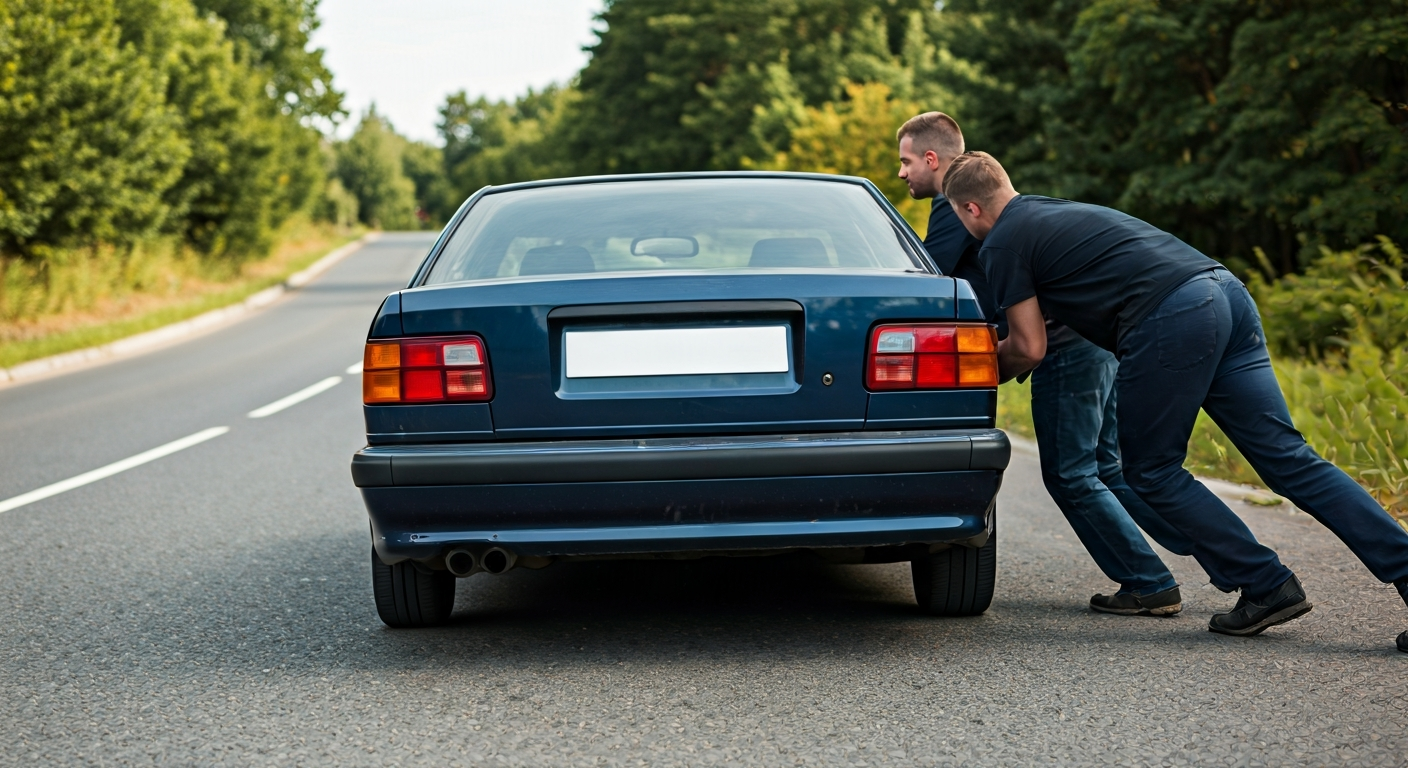
You can push start a manual transmission car if its battery is weak but not completely dead, and the engine is otherwise functional. This process involves pushing the car to a sufficient speed, then quickly engaging a low gear while releasing the clutch to force the engine to turn over and start. Automatic transmission vehicles, hybrids, and electric cars cannot be push started due to their different drivetrain designs.
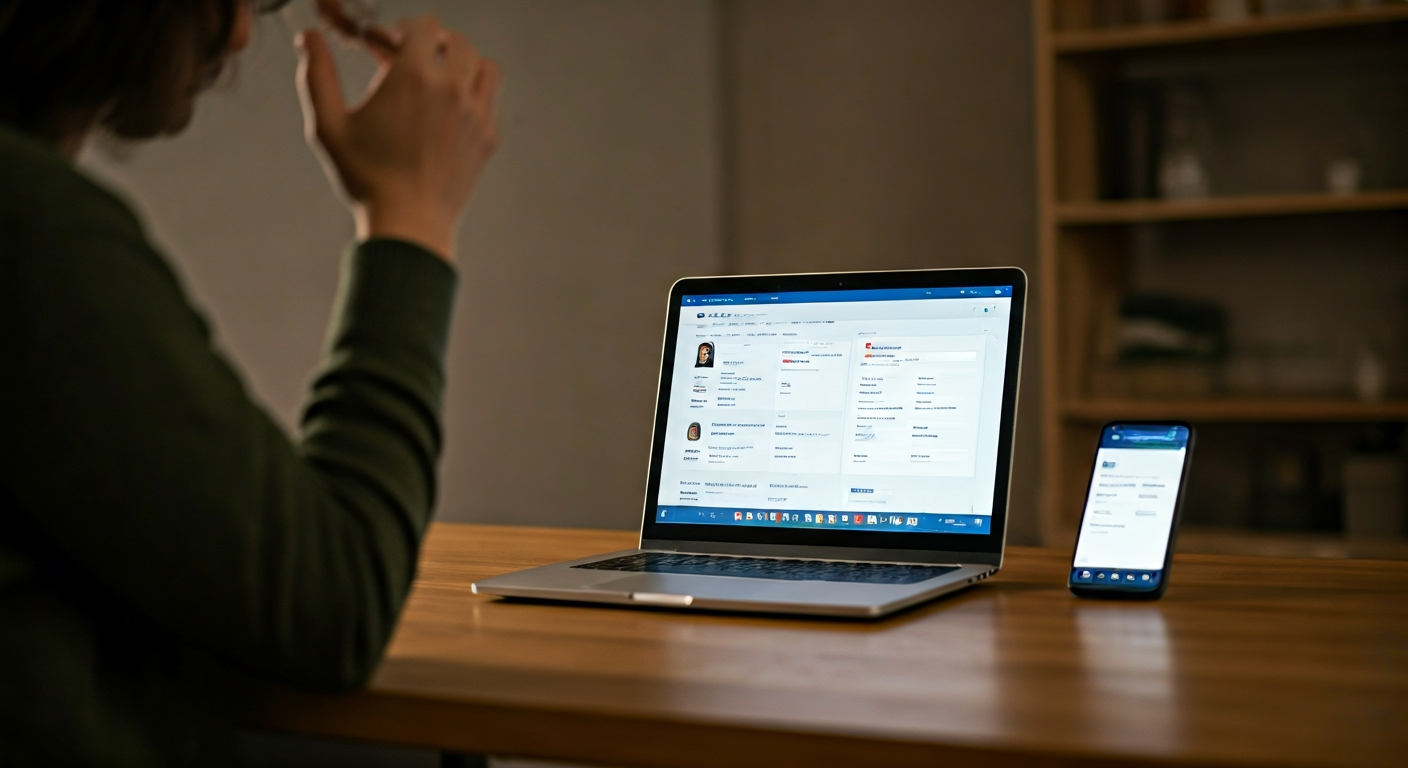
The most common reason your LinkedIn experience isn't updating is a cached browser issue. Immediately try clearing your browser's cache and cookies, or access LinkedIn using an Incognito/Private window. This often resolves display problems by forcing your browser to retrieve the latest version of the page directly from LinkedIn's servers.
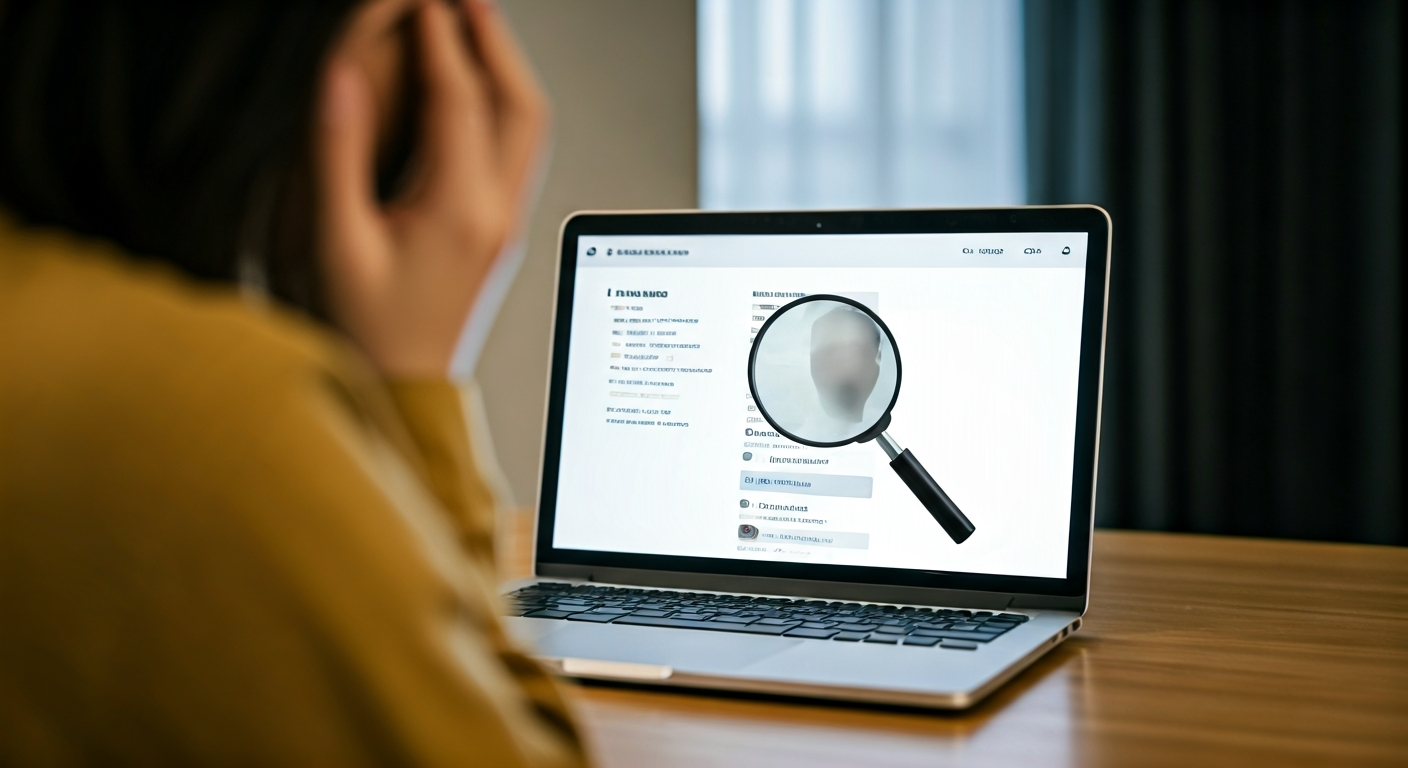
The most common reason your LinkedIn job update isn't showing is due to incorrect privacy settings. Immediately verify your profile visibility and sharing options. Navigate to 'Settings & Privacy' > 'Visibility' > 'Visibility of your LinkedIn activity' and ensure 'Share job changes, education changes, and work anniversaries from profile' is enabled, and your profile section visibility is 'Public'.
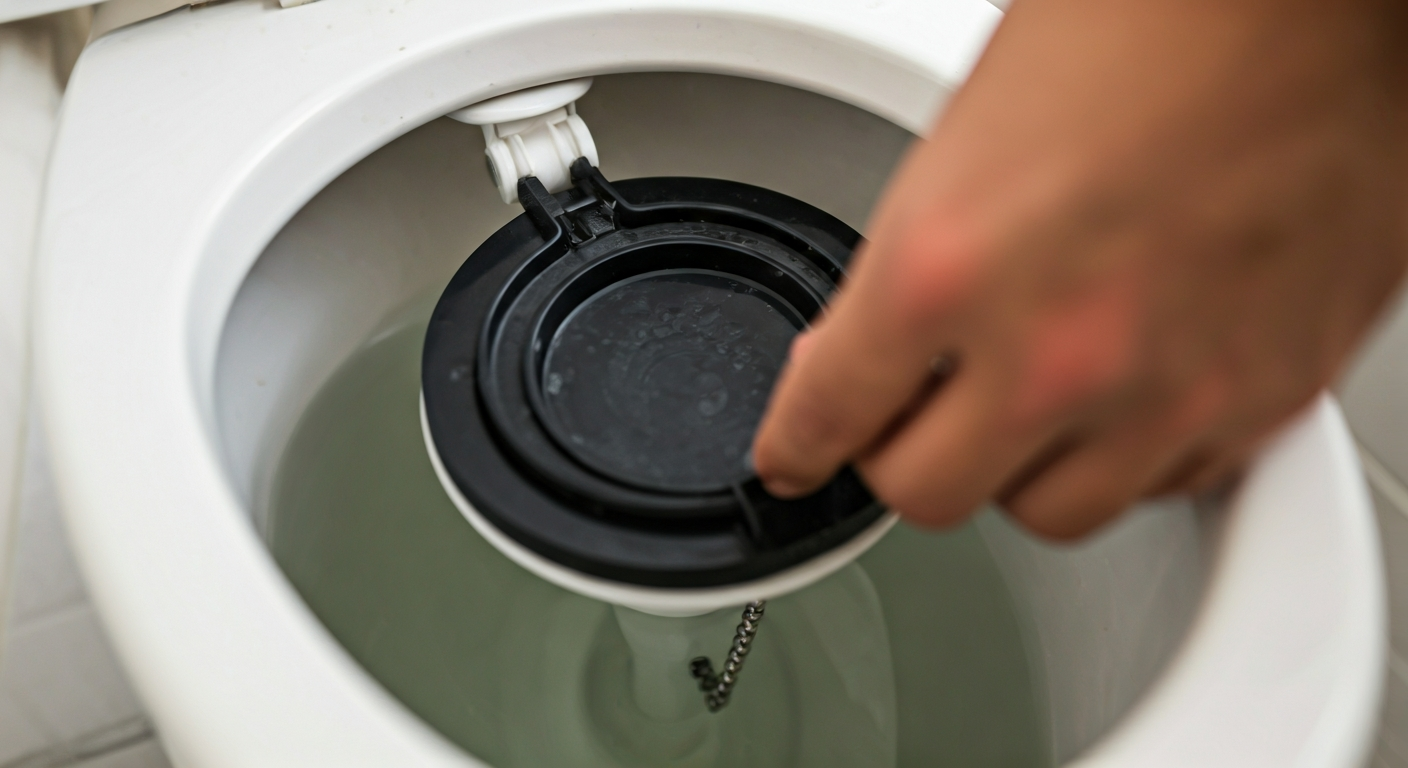
To temporarily stop a running toilet, lift the tank lid and manually push down on the flapper or adjust its chain to ensure it seals properly over the flush valve opening. If the chain is too long or tangled, shortening or untangling it often resolves the issue by allowing the flapper to seat fully. This quick adjustment can stop the water flow immediately, preventing continuous waste.
The most common reason your LinkedIn promotion isn't showing to your network is incorrect audience targeting or an 'inactive' campaign status. Immediately check your campaign's targeting settings in LinkedIn Campaign Manager to ensure your network is included and verify the campaign status is 'Active'. Adjust targeting to broaden reach if necessary, or activate the campaign to make it visible.
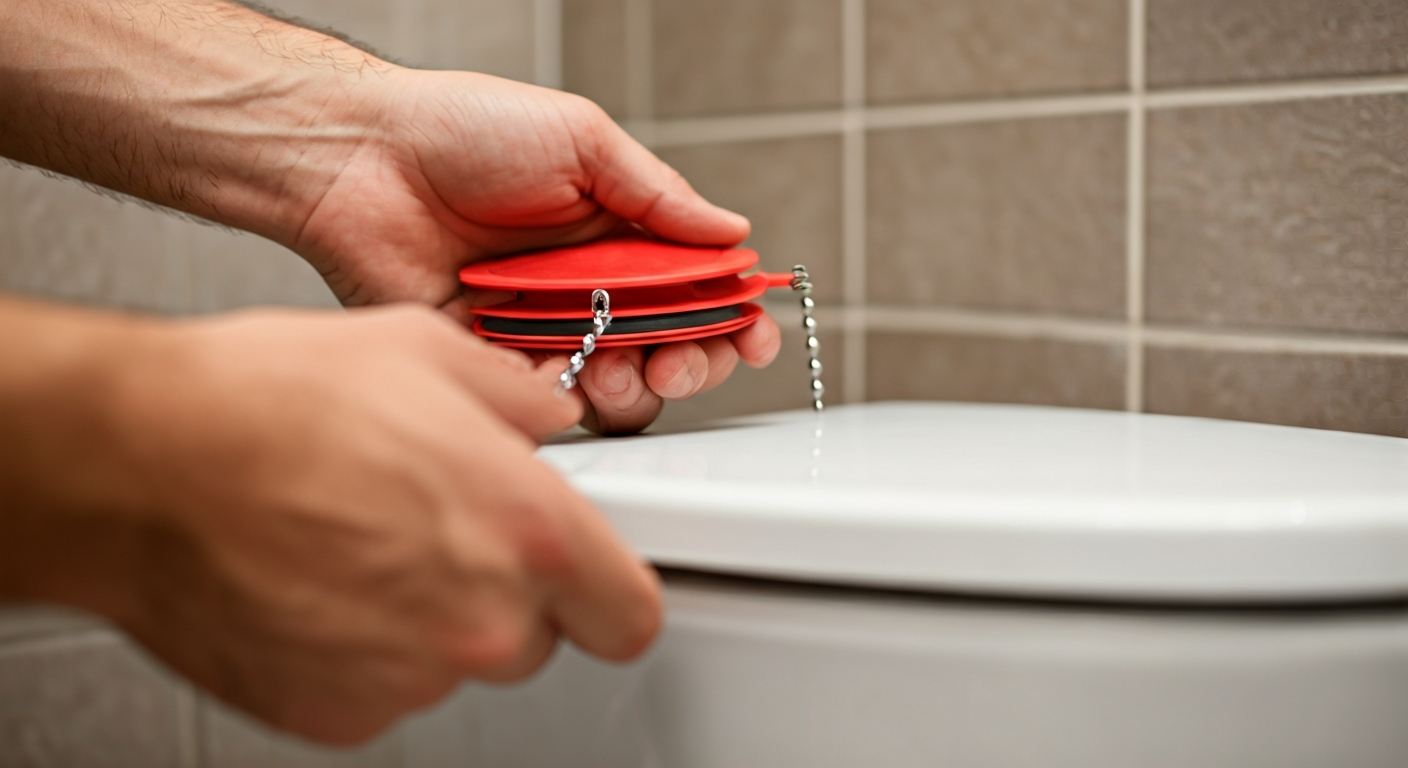
The most direct way to fix a toilet flapper issue is often to replace it. Over time, flappers degrade, losing their ability to create a watertight seal. Turn off the water supply to the toilet, flush to empty the tank, detach the old flapper from its pivots and lift chain, and install a new, compatible one. Ensure the chain has slight slack (about 1/2 inch) to allow proper sealing.
Your phone most commonly restarts randomly due to software glitches or conflicting applications. Outdated operating systems, corrupt app data, or even a build-up of temporary files can cause system instability. Less often, it indicates an aging battery struggling to deliver consistent power, or a hardware issue. Addressing software first often resolves the problem, restoring your phone's reliable operation.
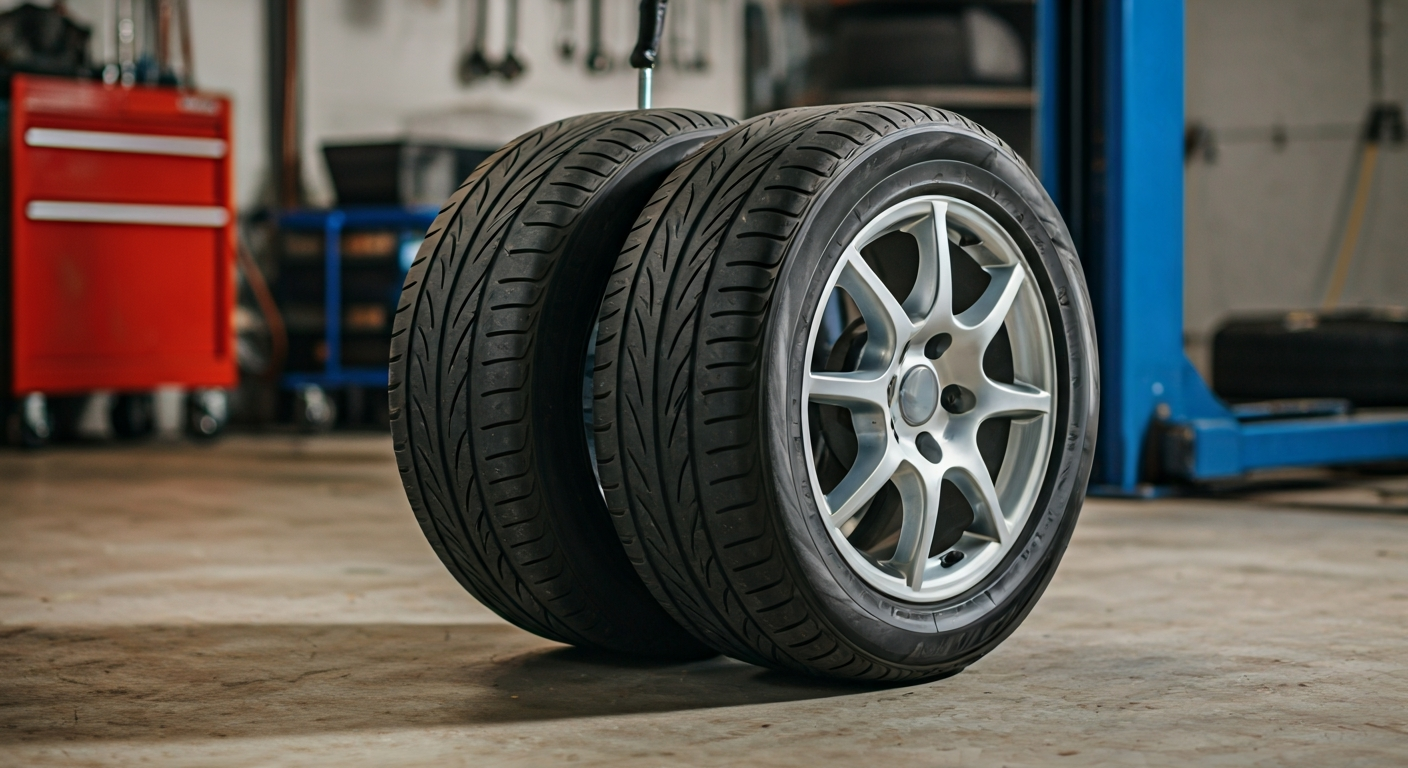
Tires should generally be rotated every 5,000 to 7,500 miles, or every six months, whichever comes first. However, the most accurate schedule is always specified in your vehicle owner's manual, which provides manufacturer-specific guidance.
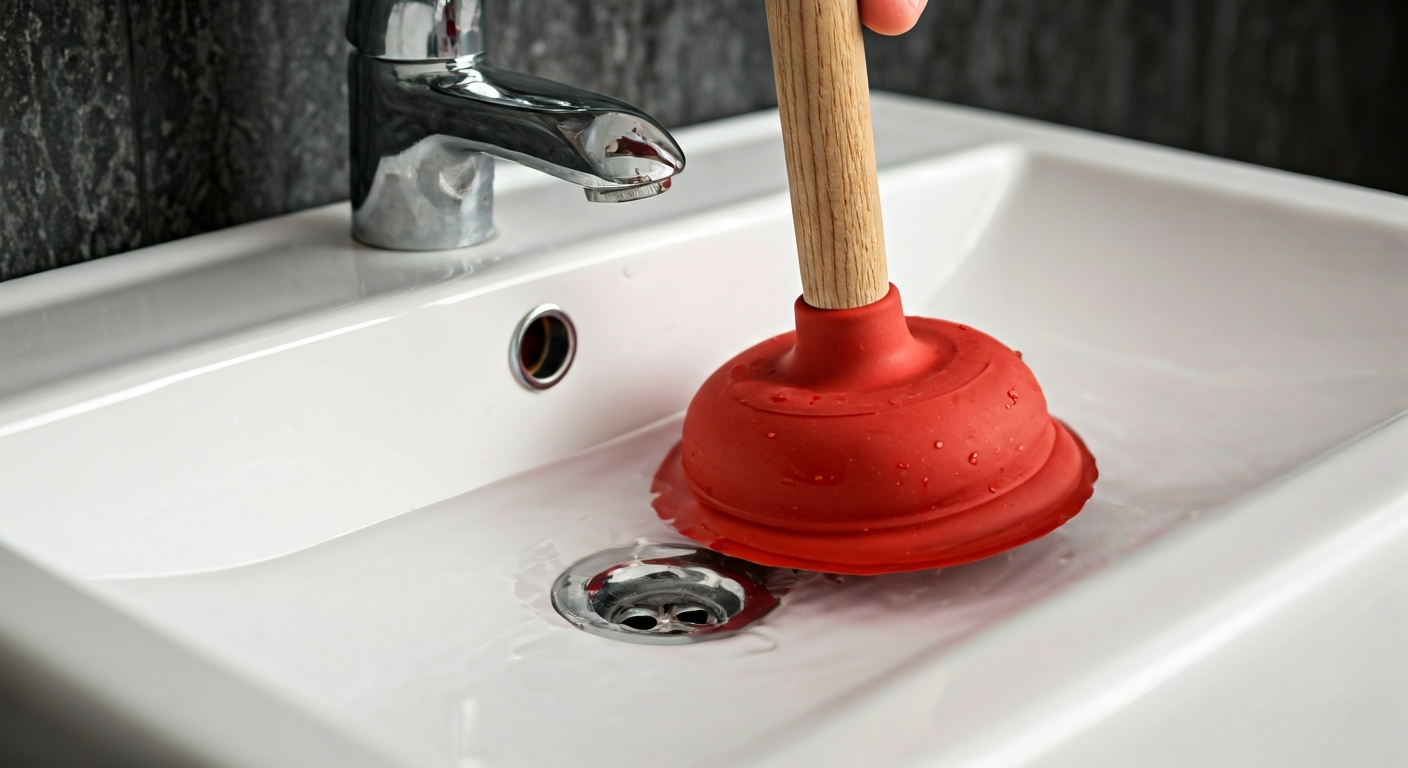
To unclog a drain, the most effective initial step is to use a plunger. Fill the basin with enough water to cover the plunger's cup, create a tight seal over the drain, and perform 10-20 forceful up-and-down plunges. The pressure change can often dislodge common blockages like hair or soap scum, quickly restoring flow.
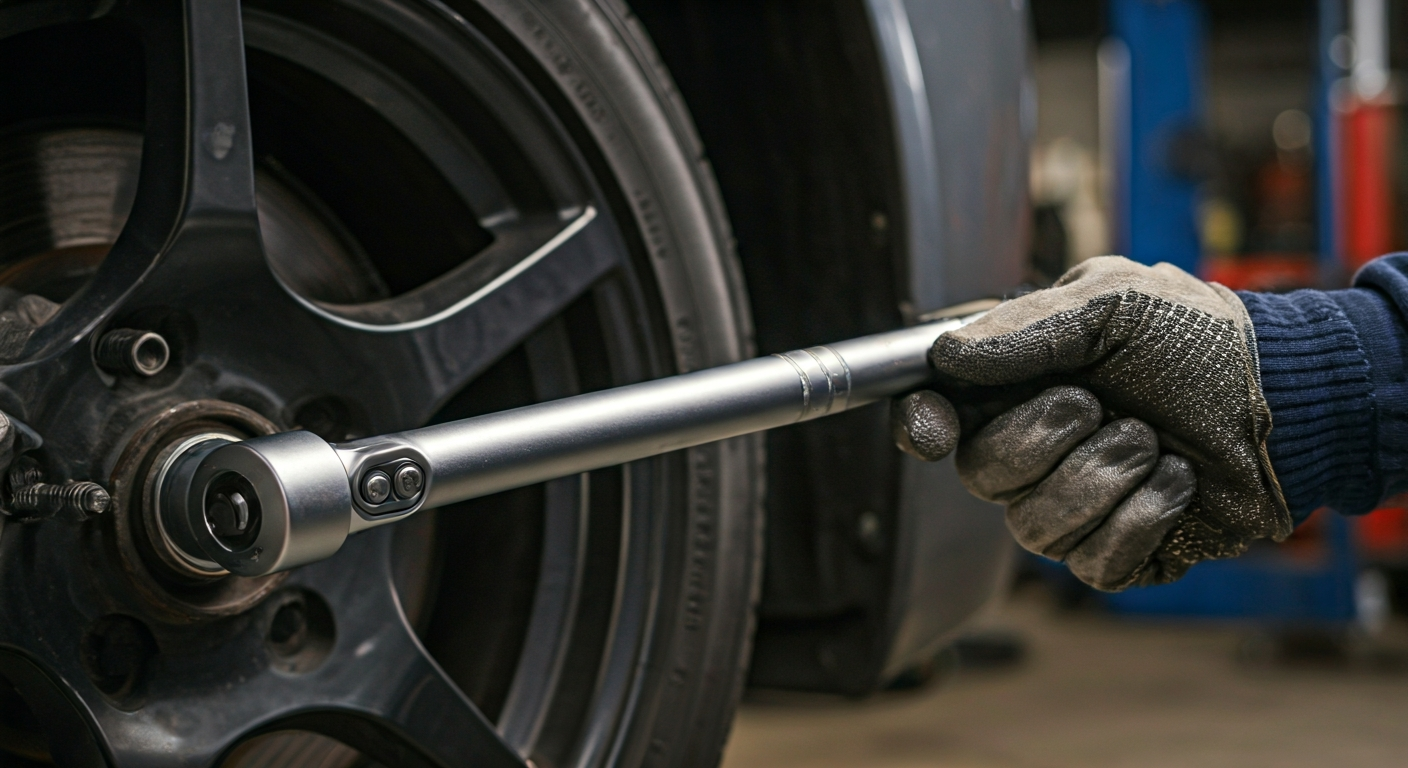
To correctly torque lug nuts, first find your vehicle’s specific torque specification in the owner's manual. Hand-tighten lug nuts, lower the vehicle until the tire just touches the ground, then use a calibrated torque wrench to tighten each nut to spec in a star or cross pattern. Fully lower the vehicle, then re-check torque after 50-100 miles.

Whether it's safe to drive with the check engine light on depends on its behavior. A steady light often indicates a less severe issue, allowing for continued, careful driving to a service center. However, a flashing or blinking check engine light signals a critical problem, such as a severe engine misfire, which requires immediate attention to prevent serious engine damage. Pull over safely as soon as possible.
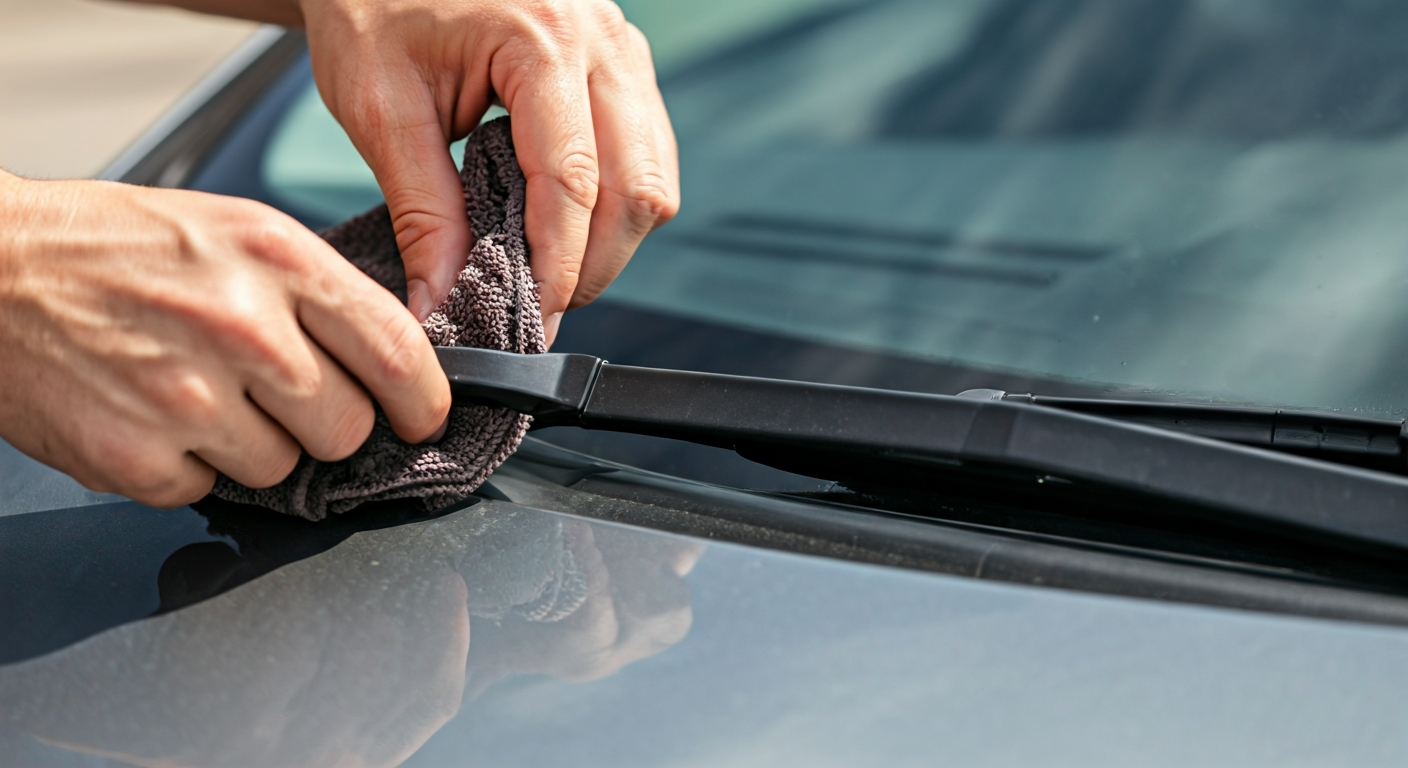
Replace your windshield wipers by first lifting the wiper arm away from the windshield. Locate the small tab or button on the wiper blade's connector, press it, and slide the old blade off. Attach the new blade by reversing the process, ensuring it clicks securely into place. Gently lower the wiper arm back onto the glass.
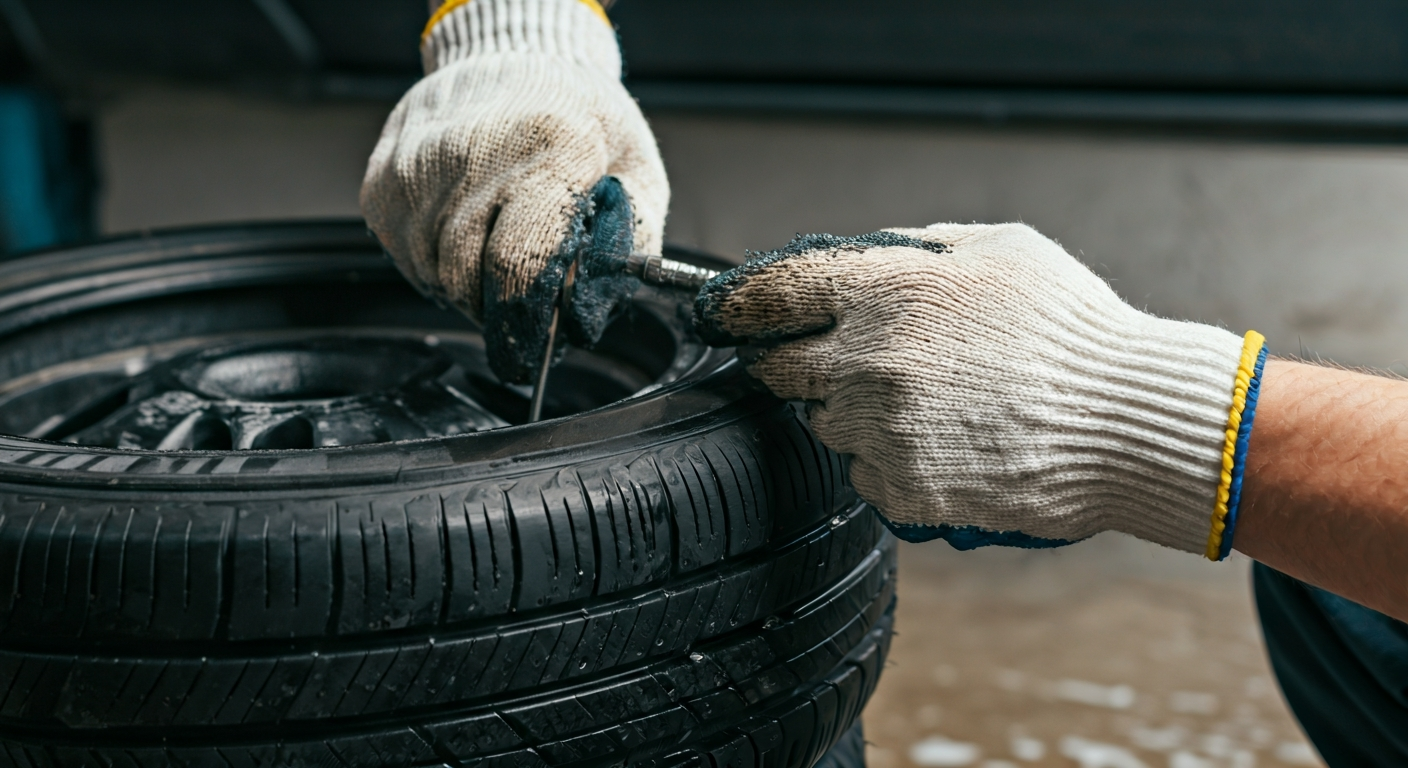
Locate the source of the leak by inspecting the tire for embedded objects or by applying a soapy water solution to the tread, sidewalls, and valve stem to find bubbling. For small punctures in the tread area, a tire plug kit is often an effective DIY repair. Always reinflate to the recommended pressure after any repair.
The most common reason your LinkedIn post isn't showing is often related to incorrect privacy settings, where the post's visibility is restricted to 'Only me' or a limited audience. Other frequent causes include LinkedIn's algorithm filtering content for perceived low quality or spam, content violations against community policies, or even temporary technical glitches affecting the platform. Review your post's settings and your profile's visibility to start diagnosing the problem.