
What This Solves
This guide addresses the common household problem of slow-draining or completely blocked sinks, showers, and tubs. A clogged drain is more than just an annoyance; it can lead to standing water, unpleasant odors, and even potential water damage if left unaddressed. We provide practical, step-by-step solutions to help you effectively unclog a drain using everyday tools and methods, restoring your plumbing’s functionality and maintaining a healthy home environment. We’ll cover various scenarios, from minor blockages to more stubborn clogs, ensuring you have the knowledge to tackle most drain issues yourself.
Why the Problem Happens
- Hair buildup is one of the most common culprits, especially in bathroom sinks and showers. Strands of hair combine with soap scum and other debris, forming dense blockages that restrict water flow.
- Grease and food particles often cause clogs in kitchen sinks. When grease cools, it solidifies and sticks to pipe walls, gradually narrowing the passage. Food scraps, even small ones, can accumulate over time and contribute to blockages.
- Soap scum is a residue left behind by bar soap, especially in hard water areas. It sticks to drain pipes and acts as a binding agent, trapping hair and other particles to create a sticky, stubborn clog.
- Mineral buildup from hard water can also contribute to narrowed pipes over many years, making it easier for clogs to form. This is a slower process but can make drains more susceptible to blockages.
- Foreign objects accidentally falling down the drain, such as small toys, jewelry, or even dental floss, can instantly create a severe blockage.
- Tree roots can infiltrate outdoor sewer lines through tiny cracks, growing inside the pipes and catching debris, leading to significant clogs that affect multiple drains in your home. This is more serious and usually requires professional help.
Items You May Need
- Plunger (cup plunger for sinks, flange plunger for toilets)
- Baking soda
- White vinegar
- Boiling water
- Drain snake (or zip-it tool)
- Bucket
- Pliers or wrench (for removing P-trap)
- Gloves
- Flashlight
- Old towel or rags
Easy Home Fixes
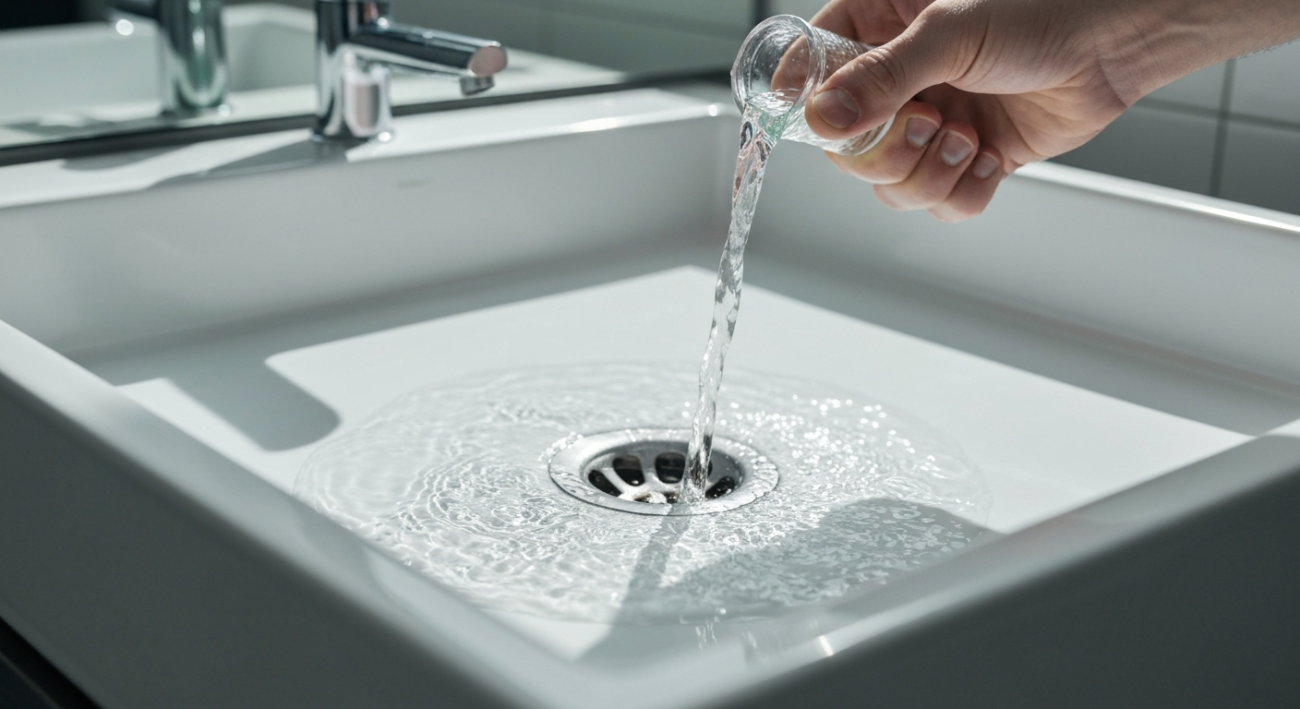
- The Boiling Water Flush: This is the simplest fix for minor grease clogs. Boil a large pot of water. Carefully pour it directly down the drain in several stages, allowing it to work between pours. Hot water can melt grease and loosen other soft blockages. Always be cautious when handling boiling water. This method is not recommended for PVC pipes if the water is extremely hot, as it could warp them, though standard boiling water from a kettle is usually fine for most modern plumbing.
- Plunger Power: A classic for a reason. For a sink, fill the basin with a few inches of water to create a seal around the plunger. Place the plunger over the drain, ensuring a tight seal. Plunge vigorously for about 20-30 seconds, then quickly pull it up. Repeat this process several times. The suction and pressure can dislodge many common clogs. If you’re dealing with a toilet, the technique is similar, but you’ll want to use a specific toilet plunger with a flange. For more on toilet clogs, you might find this guide on how to unclog a toilet like a pro helpful.
- Baking Soda and Vinegar: This natural, eco-friendly method works well for less severe clogs. Pour about half a cup of baking soda down the drain, followed by half a cup of white vinegar. The mixture will fizz and bubble, creating a chemical reaction that can break down grime and grease. Let it sit for 30 minutes to an hour (or even overnight for stubborn clogs). Finish by flushing with a pot of hot water. This method is safe for all pipes and is a great way to unclog a drain without harsh chemicals.
- Manual Drain Snake (or Zip-It Tool): When the plunger or baking soda methods fail, it’s time for a drain snake. These flexible tools are designed to reach deeper into pipes. For a zip-it tool, simply push it down the drain until you feel resistance, then pull it back out slowly. It will grab hair and gunk. For a manual drain snake (auger), feed the cable into the drain. Once you feel the clog, crank the handle to break through or pull out the obstruction. Wear gloves for this task, as it can be messy. Remember to clean the tool thoroughly after use.
- Cleaning the P-Trap: If the clog is still persistent, especially in a sink, the blockage might be in the P-trap (the U-shaped pipe directly under the sink). Place a bucket underneath to catch any water. Use pliers or a wrench to loosen the slip nuts on either side of the P-trap. Carefully remove the trap, empty its contents into the bucket, and clean out any hair, grease, or debris. Reattach the P-trap securely, ensuring a tight seal to prevent leaks. Run water to test your work.
Safety Tips
- Always wear protective gloves when dealing with drains, especially if using chemicals or reaching into dirty pipes.
- Be cautious with boiling water to prevent burns. Pour slowly and directly into the drain.
- Never mix different chemical drain cleaners. This can create dangerous fumes or violent reactions. If you’ve used one type, flush the drain thoroughly with water before trying another.
- Avoid using chemical drain cleaners regularly, as they can damage older pipes and are harmful to the environment. Opt for natural solutions or mechanical methods first.
- When disassembling pipes like the P-trap, ensure the area is well-ventilated, and have a bucket ready to catch wastewater.
When to Call a Pro
- If you’ve tried multiple DIY methods (plunging, baking soda/vinegar, snaking) and the drain remains stubbornly clogged. This could indicate a deeper or more complex issue beyond typical household blockages.
- When multiple drains in your home are clogged simultaneously or are slow-draining. This often points to a main sewer line blockage, which requires specialized equipment and expertise to resolve.
- If you notice foul odors coming from multiple drains, gurgling sounds, or sewage backing up into sinks or toilets. These are strong indicators of a serious main line clog that needs immediate professional attention.
- When water starts leaking from pipes or fixtures while you’re trying to clear a clog. This suggests a more significant problem with the plumbing system itself that could lead to water damage.
- If you suspect tree roots have infiltrated your sewer lines. Professionals have cameras to inspect pipes and specialized tools to cut and remove roots without damaging the lines.
- When you have old or delicate plumbing. Aggressive DIY methods or strong chemicals could cause irreversible damage, making a professional assessment safer and more cost-effective in the long run.
Summary
Learning how to unclog a drain is a valuable skill for any homeowner. From simple boiling water flushes to using a drain snake or cleaning the P-trap, most common clogs can be tackled with a few basic tools and a bit of patience. Always prioritize safety by wearing gloves and avoiding the mixing of harsh chemicals. By understanding the causes of clogs and knowing when to apply the right fix, you can maintain clear drains and prevent bigger plumbing problems. If your efforts aren’t successful, or if you suspect a more serious issue like a main line blockage, don’t hesitate to call a professional plumber. Keeping your drains clear ensures your home’s plumbing runs smoothly and efficiently.
