
Quick Answer
Flat tyres can be a real hassle for any driver. Understanding the causes of flat tyres is crucial for prevention. Common culprits include punctures from road debris, valve stem leaks, and improper tyre pressure. Regular checks and good driving habits significantly reduce your risk. Therefore, proactive maintenance is key to avoiding roadside trouble.
What a Flat Tyre Means
A flat tyre means your tyre has lost air pressure. It can happen quickly or slowly over time. When a tyre loses air, it cannot support your vehicle’s weight properly. This impacts handling and braking. A flat tyre can make driving dangerous. It also leaves you stranded. To truly understand how this affects your vehicle, you might want to learn more about what a car tyre is and how it works.
Why Tyre Health Matters for You
Tyre health is vital for your safety. A flat tyre can cause an accident. It affects your car’s stability. Moreover, it can damage your wheel rims. Fixing a flat tyre is inconvenient. It often requires roadside assistance or a costly repair. Ignoring tyre problems can lead to more expensive issues down the road. Therefore, proper tyre care saves you time, money, and stress.
Common Causes of Flat Tyres
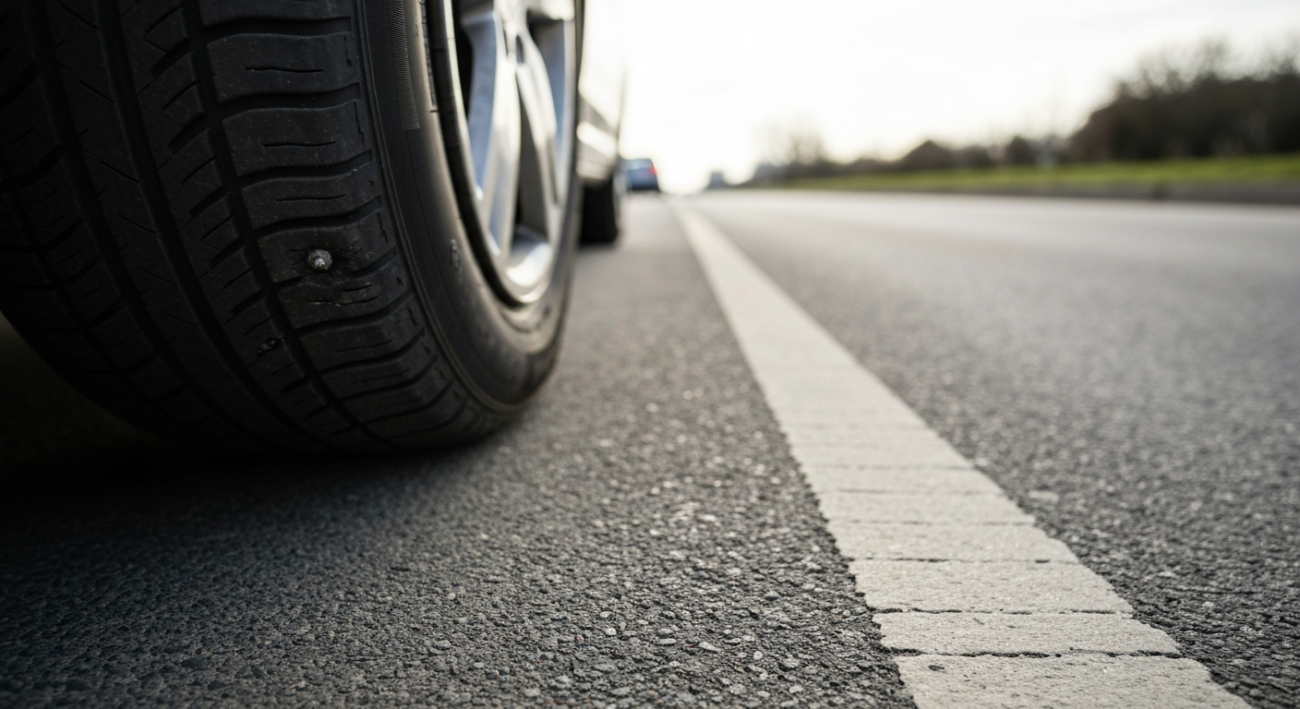
- Punctures from sharp objects like nails, screws, or glass on the road.
- Valve stem leaks, where air escapes slowly through a damaged valve.
- Under-inflation, which creates excessive heat and stress on the tyre walls.
- Impact damage from hitting potholes or curbs, leading to structural weaknesses.
- Tyre bead leaks, often due to corrosion on the wheel rim or improper mounting.
- Tyre rot or aging, causing cracks and weakening of the rubber over time.
- Over-inflation, which can make tyres more susceptible to blowouts from impacts.
- Deliberate vandalism, although less common, can also result in a flat tyre.
How to Prevent and Handle the Causes of Flat Tyres
Maintain Correct Tyre Pressure
Always check your tyre pressure regularly. Use a reliable gauge. Consult your car’s manual for the correct PSI. Proper inflation prevents premature wear. It also reduces the risk of blowouts. Under-inflated tyres are a leading cause of flats.
Inspect Tyres for Damage
Make it a habit to visually inspect your tyres. Look for embedded objects like nails. Check for bulges, cracks, or excessive wear. Early detection can prevent a full flat. Promptly address any visible damage.
Practice Defensive Driving
Avoid driving over potholes and curbs. Steer clear of road debris whenever possible. Harsh braking and rapid acceleration also wear down tyres faster. Smooth driving extends tyre life. It reduces impact-related punctures.
Rotate and Balance Tyres Regularly
Regular tyre rotation ensures even wear across all four tyres. This extends their lifespan. Balancing prevents vibrations and uneven stress. Follow your vehicle manufacturer’s recommendations. This simple step can prevent many common problems. If you do get a flat, knowing how to change a tyre is a valuable skill.
Replace Old or Worn Tyres
Tyres have a limited lifespan. Even with good care, rubber degrades over time. Check the manufacturing date on your tyres. Worn treads reduce grip and increase puncture risk. Replace tyres when they reach their wear limits. Do not wait for them to become dangerous.
When a Flat Tyre Might Be Different
- Run-flat tyres allow you to drive a short distance after a puncture.
- Tyres with internal sealants can automatically repair small punctures.
- In colder weather, tyre pressure naturally drops, needing more frequent checks.
- Heavy loads or towing can require higher tyre pressure than usual.
- Off-road driving exposes tyres to different hazards and wear patterns.
Common Tyre Myths Debunked
You only need to check tyre pressure when tyres look low.
Reality: Visual inspection is often misleading. Tyres can lose significant pressure before it’s noticeable. Regular checks with a gauge are essential. Therefore, always use a tool, not just your eyes.
All flat tyres can be easily patched and repaired.
Reality: Not all flat tyres are repairable. Damage to the sidewall or large punctures often mean replacement is necessary. Consult a professional. Safety should always be your top priority.
Filling tyres with nitrogen prevents all flats.
Reality: Nitrogen fills maintain pressure more consistently than air. However, they do not prevent punctures from road hazards. A tyre can still go flat with nitrogen. It offers some benefits, but it’s not a magic shield.
When You Should Be Concerned About Your Tyres
- If your tyre consistently loses air, even after inflation.
- When you notice a visible bulge or deep crack on the sidewall.
- If your steering wheel vibrates excessively while driving.
- When the tread wear indicator bars are flush with the tread surface.
- If you hear a persistent hissing sound from a tyre.
- When the tyre is more than six years old, regardless of tread depth.
A Brief History of Tyre Evolution
Tyres have come a long way since their invention. Early vehicles used solid rubber tyres. These offered durability but lacked comfort. John Boyd Dunlop developed the pneumatic tyre in 1888. This revolutionary design made riding bicycles much smoother. Soon, this technology was adapted for automobiles. Modern tyres incorporate advanced materials and complex designs. They enhance safety, efficiency, and driving comfort. This continuous evolution protects drivers from many previous hazards. It makes our journeys far more reliable today.
What to Do Next for Tyre Health
Prioritize your tyre health moving forward. Make monthly pressure checks a routine. Visually inspect your tyres before long journeys. Learn the signs of wear and damage. Replace old or worn tyres proactively. These simple steps ensure safer driving. They also extend the life of your vehicle. Stay informed and stay safe on the road.
