
Understanding Your Vehicle’s Foundation
Have you ever stopped to consider one of the most critical parts of your car? We often take them for granted. However, understanding what is a car tyre is essential for every driver. These seemingly simple devices are incredibly complex. They are your car’s only contact with the road. Therefore, knowing their function and structure is key. This article will explore the definition and components of these vital parts. Let’s dive into the world of automotive rubber and engineering. We’ll uncover what makes them so crucial for your safety and vehicle performance. This knowledge empowers you as a driver.
Defining What is a Car Tyre
A car tyre is essentially a ring-shaped component. It covers the wheel’s rim. Tyres transfer the vehicle’s load from the axle to the ground. They provide essential traction. They also absorb road shocks. This allows for smooth and safe driving. Tyres are made primarily from rubber and fabric. They are air-filled. This air pressure is crucial for their performance and structural integrity. Modern tyres are complex feats of engineering. They balance durability, grip, and comfort. The definition of what is a car tyre goes beyond just a simple rubber ring. It encompasses a sophisticated system. This system ensures your journey is both controlled and comfortable. They are designed to withstand extreme conditions. From hot summer pavements to icy winter roads, tyres must perform reliably. Moreover, they are vital for braking efficiency and steering response. Without them, controlling a vehicle safely would be impossible. Each journey depends on their consistent function.
The Structure: What is a Car Tyre Made Of
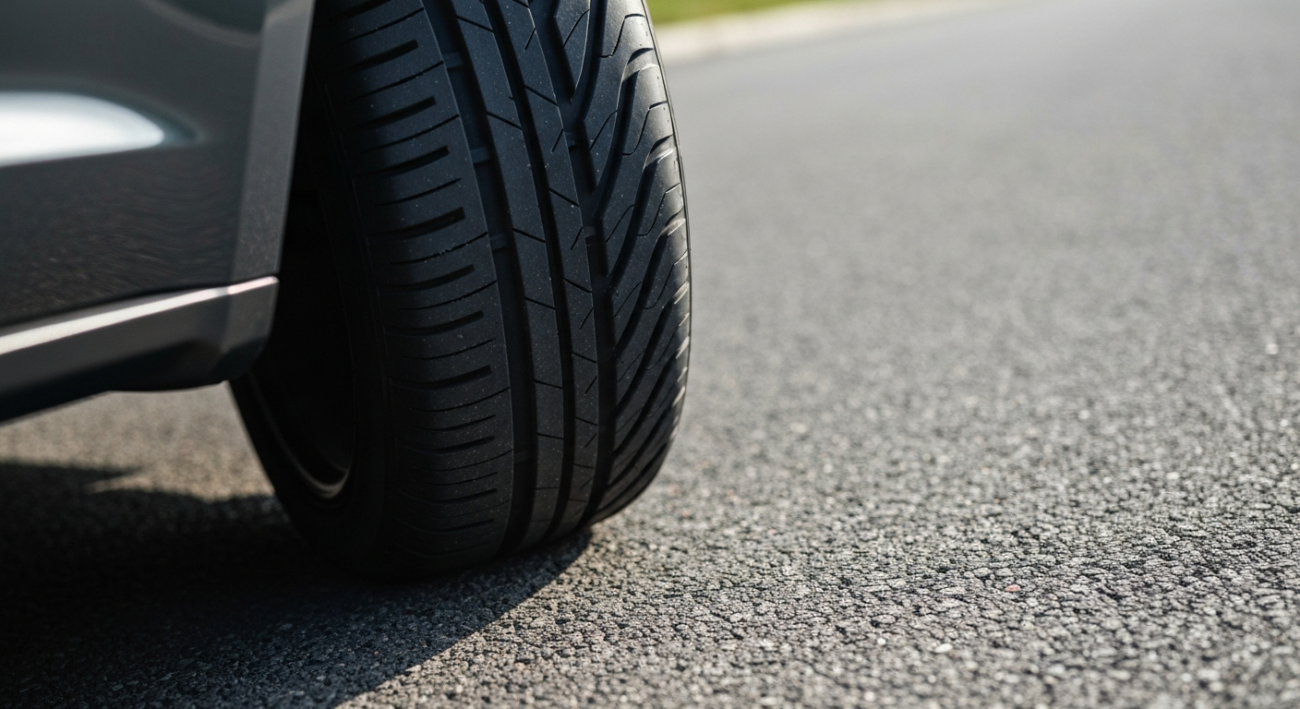
Understanding the individual parts helps explain how a tyre works effectively. Each component plays a vital and distinct role. Let’s look at the main elements that form a tyre. Firstly, the tread is the outermost part of the tyre. It directly touches the road surface. The tread features specific grooves and patterns. These patterns channel water away from the contact patch. This provides crucial grip in wet conditions. Secondly, the sidewall is the vertical section. It connects the tread to the wheel. The sidewall bears much of the vehicle’s weight. It also absorbs impacts from road imperfections. Thirdly, the bead is a reinforced assembly of rubber and wire. It creates a tight seal. This seal secures the tyre to the wheel rim. It creates an airtight chamber. This chamber holds the necessary air pressure. Inside the tyre, you’ll find layers of fabric. These are called plies. They are often made from polyester or steel. These plies provide strength and structural integrity. They help maintain the tyre’s overall shape under stress. Together, these parts form a resilient and highly effective unit. They are engineered for optimal performance across varied driving conditions. Each layer adds significantly to the tyre’s integrity and safety.
Beyond the Basics: Inner Liners and Belts Explained
Two other crucial, often unseen, components are the inner liner and the belts. The inner liner is a specialized rubber layer. It’s located on the inside of the tyre structure. Its primary job is to prevent air from slowly escaping. This maintains proper inflation over time. It functions much like the inner tube in older bicycle tyres. However, it’s integrated directly into the tyre’s construction. Steel belts are typically found directly under the tread area. These are robust cords made of steel. They are embedded within specific rubber layers. These belts provide rigidity to the tread area. This significantly enhances handling and stability during driving. They also help resist punctures from road debris. Radial tyres, which are most common today, extensively utilize these belts. They run perpendicularly to the direction of travel. This specific design improves tread life considerably. It also boosts fuel efficiency for your vehicle. These hidden parts work tirelessly. They ensure your tyres perform safely and consistently. They contribute significantly to the tyre’s overall durability and performance characteristics.
The Science Behind Tyre Performance and Road Safety
Tyres are far from simple rubber rings. They are highly engineered systems. Their intricate design impacts every aspect of driving. This includes fuel economy, passenger comfort, and, most importantly, road safety. Grip, for instance, depends on several factors. It relies on the tread compound used. It also depends on the specific tread pattern. Different compounds suit different weather conditions. Summer tyres offer excellent grip on dry roads. Winter tyres excel in snow and ice. All-season tyres provide a versatile balance. Proper inflation is also critically important. Under-inflated tyres can overheat quickly. This drastically increases the risk of a dangerous blowout. Over-inflated tyres, conversely, wear unevenly. They also reduce the tyre’s overall grip. Regular pressure checks are therefore vital. Furthermore, tyre balance significantly affects ride quality. Unbalanced tyres cause uncomfortable vibrations. They lead to premature and irregular wear patterns. Your tyres truly are your car’s critical connection to the road. Ensuring their optimal performance is absolutely paramount for safe and controlled driving. This is true for every single journey.
Maintaining Your Car Tyres for Optimal Longevity and Safety
Proper tyre maintenance extends tyre life significantly. It also greatly enhances your vehicle’s safety. Regular checks are not just optional; they are absolutely essential. Always check your tyre pressure. Do this at least once a month. Refer to your car’s owner’s manual for the correct pressure settings. Rotate your tyres regularly. This promotes even wear across all four tyres. It prevents any single tyre from wearing out too quickly. Typically, tyre rotations should happen every 5,000 to 8,000 miles. Inspect your tyres frequently for visible damage. Look for cuts, bulges, or any cracks. Also, closely check the tread depth. Worn treads drastically reduce grip. This is especially true in wet and slippery conditions. Legal tread depth limits exist for a reason. Never ignore any warning signs. If you ever face a flat, knowing how to change a tyre is very helpful. Always address tyre issues promptly. Neglecting them risks your own safety. It also risks the safety of other road users. Good tyre care consistently pays off in the long run.
Key Takeaways About Car Tyres
- Car tyres are complex, multi-component systems vital for vehicle safety and performance.
- Key components include the tread, sidewall, bead, inner liner, and steel belts, each with a specific function.
- Tyre design significantly impacts grip, fuel economy, comfort, and overall driving safety.
- Regular maintenance, including pressure checks, rotations, and inspections, is crucial for tyre longevity and safe driving.
Your Road to Safer Driving
In conclusion, understanding what is a car tyre is more than just knowing it’s a rubber ring. It’s about appreciating a sophisticated piece of engineering. These components work together seamlessly. They provide traction, support weight, and absorb shocks. From the tread patterns to the hidden steel belts, every part plays a critical role. They ensure your vehicle moves safely and efficiently. Proper knowledge and maintenance of your tyres are non-negotiable. They directly impact your safety on the road. Always prioritize their care. This ensures a smooth and secure journey every time you drive.
