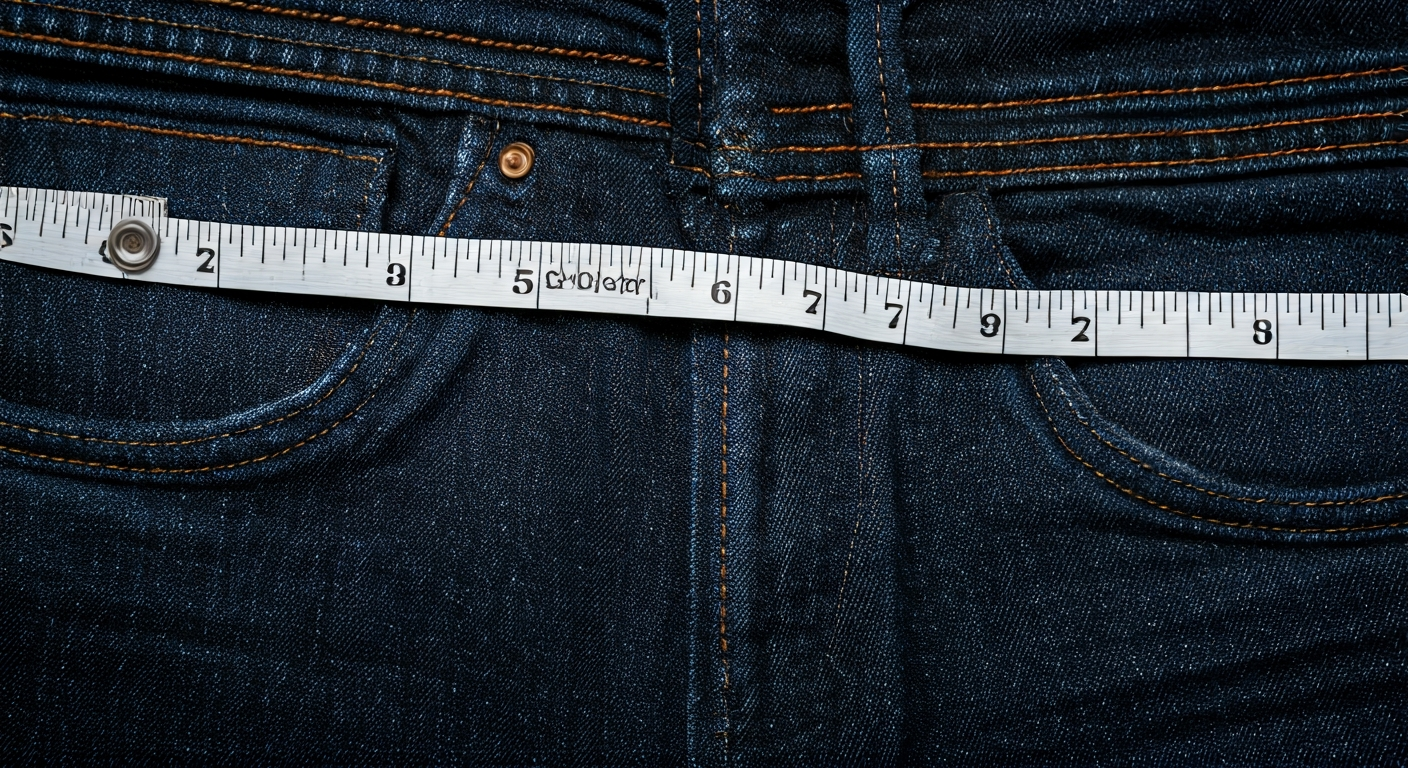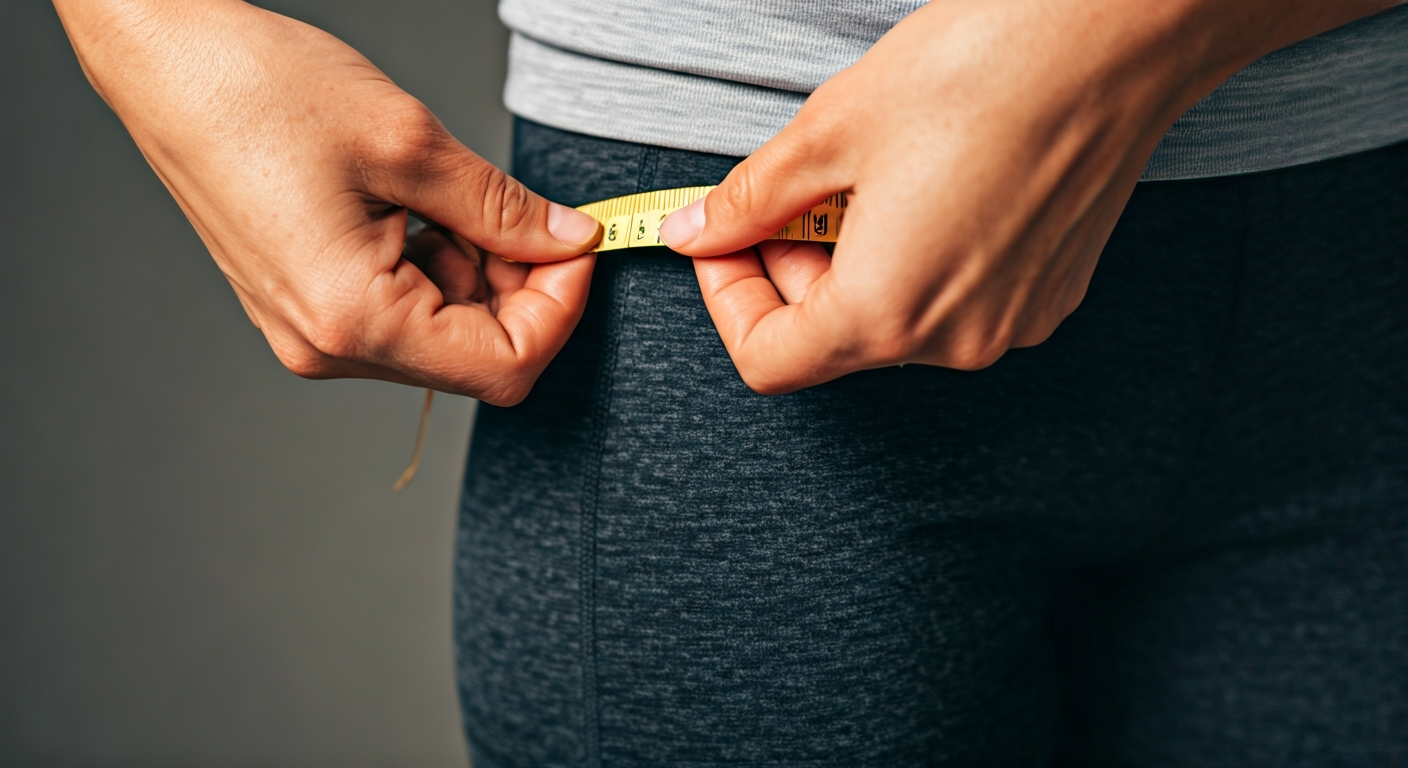
A person's hands using a fabric tape measure to accurately measure the inseam of a pair of blue jeans laid flat, with 'Measure Inseam' text.
How To

How to Measure Inseam Accurately for Perfect Clothing Fit

A
Ali Hassan
Writer
The Answer
To accurately measure inseam, locate the crotch seam where the two leg panels meet, then extend a measuring tape down the inside of the leg to the desired hem length. Ensure the tape is taut and straight. This method applies whether measuring on your body, with a helper, or from a well-fitting pair of pants, guaranteeing a precise fit for trousers, jeans, or other legwear.
Achieving the perfect clothing fit, particularly for pants, often hinges on one critical measurement: the inseam. The inseam refers to the length of the seam running from the crotch to the bottom hem of the garment. For anyone who has ever purchased pants online or needed alterations, understanding what is inseam and how to measure it correctly is invaluable. An accurate inseam measurement ensures that your pants sit at the ideal length, preventing issues like dragging hems, ankle gaps, or an ill-proportioned silhouette. This guide will walk you through precise methods for measuring inseam, empowering you to confidently select or tailor clothing for an impeccable fit every time. Mastering this fundamental skill eliminates guesswork and reduces returns, making your wardrobe choices more satisfying and sustainable.

Step-by-Step Guide to Accurate Inseam Measurement

1

Prepare Your Tools

Gather the necessary tools: a flexible fabric tape measure (essential for contouring to the body or fabric), a pen or marker, and a notebook for recording measurements. If measuring on yourself, you might need a full-length mirror or a helper. For an overview of essential tools, consult our guide on best tools for measuring inseam.
2

Method 1: Measuring on Your Body (with a Helper)

Wear shoes similar to what you'd typically wear with the garment. Stand upright with your feet shoulder-width apart. Have a helper place the end of the tape measure at your crotch seam (the point where your legs meet at the bottom of your torso). Guide the tape down the inside of your leg to the desired hem length, typically just above the top of your shoe or slightly longer for a break. Ensure the tape is straight and not twisted. For a comprehensive guide on how to measure inseam by yourself, consider using a similar method while seated or bending slightly.
3

Method 2: Measuring from Existing Well-Fitting Pants

Lay a pair of pants that fit you perfectly flat on a clean, hard surface. Smooth out any wrinkles. Fold one leg of the pants lengthwise so the inner seams are aligned and visible. Locate the crotch seam (the intersection of the front, back, and inner leg seams). Place the end of the tape measure at this seam. Extend the tape measure straight down along the inner seam to the bottom edge of the pant leg. This method is detailed further in our article on measuring inseam from existing pants.
4

Method 3: Measuring on Your Body (Solo)

This method requires more precision. Wear the shoes and undergarments you typically would. Stand against a wall or doorframe. Hold one end of the measuring tape firmly at your crotch point (highest part of your inner thigh). Let the tape fall straight down. With your other hand, mark where the tape hits your desired hem length, then carefully read the measurement. Alternatively, sit on a chair and measure from your crotch to the floor, then subtract a few inches depending on your desired fit.
5

Verify and Record the Measurement

Always measure twice to confirm accuracy. Slight variations can occur, so repeating the process ensures reliability. Record the measurement immediately, noting any specific garment types (e.g., 'dress pants,' 'jeans') or footwear considerations (e.g., 'with heels,' 'with flats') it applies to. This meticulous approach helps in achieving precise fits for measure inseam specific garments.
6

Consider Style and Footwear

Your desired inseam length can vary significantly based on the style of pants and the type of shoes you plan to wear. For example, jeans might be worn slightly longer to 'break' over sneakers, while dress pants often require a cleaner, shorter break or no break at all. Our guide on choosing the right inseam length offers further insights into these style considerations. The global apparel industry, as demonstrated by resources like Levi's official guide, emphasizes the importance of these nuances.
7

Adjust for Shrinkage (if applicable)

If measuring for raw denim or fabrics known to shrink, consider adding an extra half-inch to an inch to your measurement. Always check garment care labels or product descriptions for pre-shrunk status to avoid post-wash fit issues.

Understanding the Importance of Inseam for Clothing Fit

The inseam measurement is more than just a number; it's a critical factor in how comfortable and stylish your pants appear. An accurately measured inseam ensures that the hem of your pants falls at the intended point, preventing them from dragging on the ground and fraying, or conversely, sitting too high and looking disproportionate. This precision is especially vital for tailored garments where even a slight discrepancy can alter the overall aesthetic and comfort. Beyond just length, the inseam interacts with other measurements like the waist and hip to define the overall silhouette of the pant, contributing to a balanced and flattering look.
For those navigating the world of online shopping, where trying on garments isn't an option, knowing your precise inseam measurement is a game-changer. It transforms a potentially frustrating experience into an efficient one, significantly reducing the likelihood of returns due to incorrect length. Similarly, when engaging with a tailor for alterations, providing an accurate inseam measurement ensures they can achieve your desired fit with minimal fuss. This knowledge empowers consumers to take control of their wardrobe, moving beyond generic sizing to truly custom-fit clothing.
Furthermore, understanding the inseam helps in differentiating it from other common measurements. For instance, while inseam measures the inner leg, the inseam vs. outseam discussion highlights that the outseam measures the entire length of the pant along the outer leg, from waistband to hem. Both are important but serve different purposes in garment construction and fitting. A precise inseam contributes significantly to the longevity of your clothing, as hems that are too long are prone to damage, while those that are too short can strain seams over time.

Common Inseam Measurement Mistakes to Avoid

Avoid these common pitfalls to ensure your inseam measurements are always precise. Neglecting these can lead to ill-fitting clothing and frustrating alterations. Our detailed guide on common inseam measurement mistakes provides further insights.
1. Measuring on the Wrong Seam: The inseam starts at the very top of the crotch seam, where the inner thigh panels meet. Measuring from too high or too low will yield an incorrect result.
2. Using a Stretched or Incorrectly Placed Tape: Ensure your tape measure is taut but not stretched. If measuring on yourself, keep the tape straight, not allowing it to curve around the leg, which can shorten the perceived length.
3. Not Accounting for Footwear: The desired inseam length varies significantly based on the shoes you plan to wear. Measure with appropriate footwear on, or account for the heel height difference.
4. Measuring Wrinkled Pants: When measuring an existing garment, ensure it is laid perfectly flat and smooth. Wrinkles or creases will shorten the visible inseam length.
5. Solo Measurement Inaccuracies: While possible, measuring your own inseam can be tricky. If bending over, your leg length might change slightly. A helper provides a more reliable measurement.

Typical Inseam Lengths by Gender and Height

Height RangeAverage Men's Inseam (inches)Average Women's Inseam (inches)Notes
5'0" - 5'4"28 - 3026 - 28Petite sizing often aligns here. Varies by garment style.
5'5" - 5'9"30 - 3229 - 31Standard/Regular sizing. Most common range.
5'10" - 6'1"32 - 3431 - 33Tall sizing starts here. Good for heels for women.
6'2" and taller34 - 36+33 - 35+Extra tall/Long sizing. Crucial for comfortable fit.

Understanding Inseam Variations by Garment Type and Style

While a general inseam measurement provides a good baseline, the 'perfect' length often varies depending on the specific type of garment and its intended style. For example, dress pants typically call for a cleaner break, meaning the hem just grazes the top of the shoe, or even a 'no break' look where the hem sits slightly above the shoe. Jeans, on the other hand, are often worn with a slight 'stacking' or 'break' over casual shoes, which might require an additional half-inch or inch. Bootcut jeans will necessitate a longer inseam to cover the boot, while cropped pants or capris will intentionally have a shorter inseam, ending above the ankle or mid-calf.
Athletic wear also presents its own considerations. Running tights or yoga pants are often designed to be snug and end precisely at the ankle or slightly above, to avoid excess fabric. Cargo pants or utilitarian styles might tolerate a bit more length for a relaxed look, but still require proper measurement to prevent tripping. The fashion industry's varied approaches to hem lengths for different styles mean that one universal inseam measurement might not suffice for your entire wardrobe. It's often beneficial to have a few different inseam lengths in mind for various categories of pants.
Moreover, personal preference plays a significant role. Some individuals prefer a very clean, tailored look across all their pants, while others opt for a more relaxed or casual drape. Factors such as body proportions (e.g., longer torso, shorter legs), footwear choices (flats vs. heels), and the overall desired aesthetic contribute to the ideal inseam. Consulting resources like BurdaStyle's sewing measurement tips can offer broader insights into these style-dependent measurements, ensuring your clothes are not only functional but also fashionable. This nuanced understanding is what separates a good fit from a truly perfect one.

Key Takeaways for Perfect Inseam Measurement

Key Takeaways

  • Precision is Paramount: Always use a flexible fabric tape measure and ensure it is taut but not stretched, from the crotch seam to the desired hem length.
  • Multiple Methods Available: You can measure on your body (ideally with a helper for accuracy), or from a well-fitting existing pair of pants laid flat.
  • Context Matters: Consider the type of shoes you'll wear and the specific garment style (e.g., dress pants vs. jeans) when determining your ideal inseam length.
  • Avoid Common Mistakes: Be mindful of starting point, tape placement, wrinkled fabric, and the impact of footwear to prevent errors.
  • Record Your Findings: Keep a record of your accurate inseam measurements for different types of pants to streamline future clothing purchases and alterations.
  • Knowledge Empowers Fit: Understanding inseam measurement is a fundamental skill that transforms your ability to find perfectly fitting clothes, enhancing comfort, style, and garment longevity.

Frequently Asked Questions About Inseam Measurement

Was this guide helpful?

Your feedback helps our writers improve this help center.

Helpful for 19 readers

About the Author

A
Ali Hassan
Expert Author
Writer

"Professional writer."

Related Guides

See All Topics
A tailor's flexible tape measure extending along the inner seam of a neatly folded pair of dark blue jeans, illustrating how to measure the inseam, with 'INSEAM FIT' text on the jeans.

The inseam is the measurement from the crotch seam to the bottom hem of a pant leg. It is crucial for achieving proper clothing fit, influencing both comfort and aesthetics. An accurate inseam ensures pants are not too long (causing tripping or dragging) or too short (appearing ill-fitting), directly impacting the overall look and feel of garments, especially trousers and jeans.
20 Found This Helpful
Read Guide
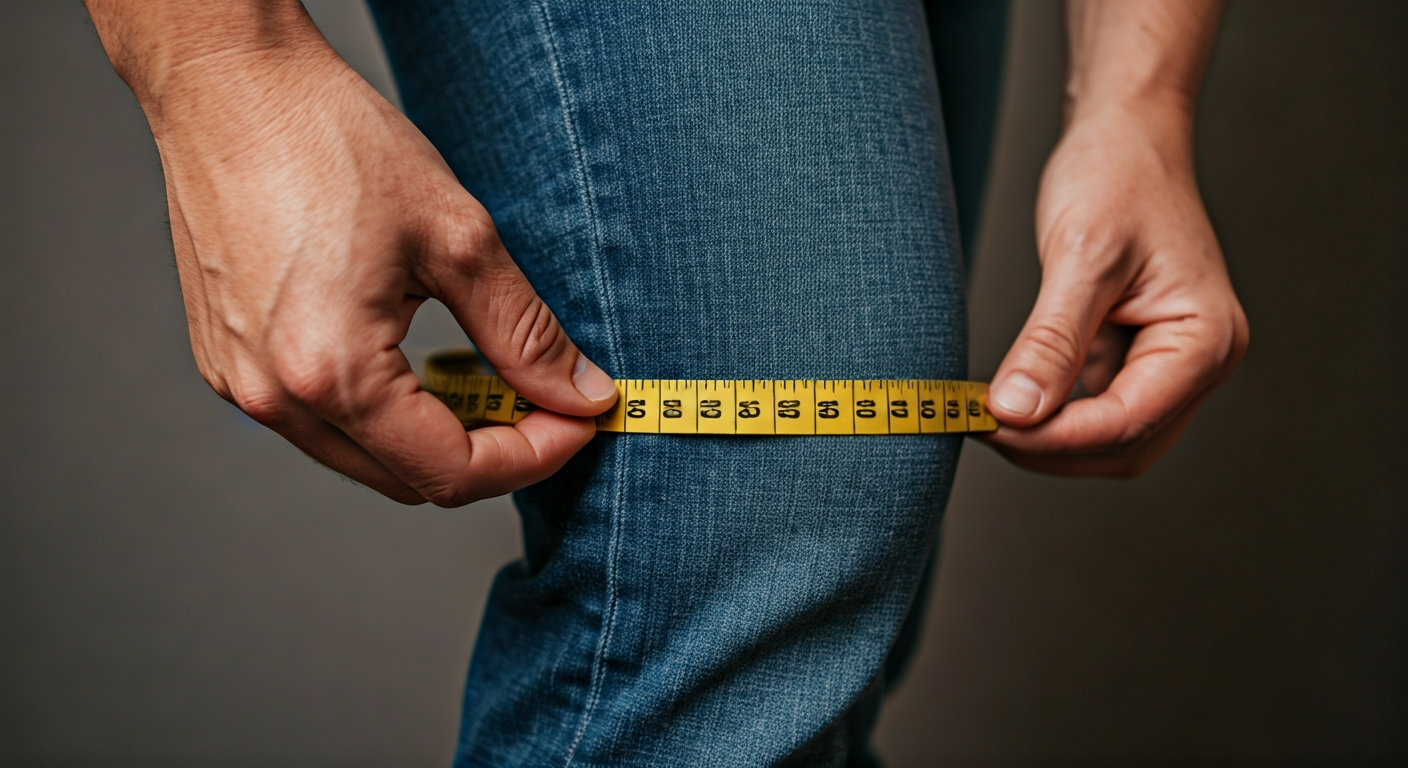
A close-up shot of a person using a yellow flexible tape measure to accurately measure their inseam, with the text "INSEAM TOOLS" visible on a neutral background.

A flexible tape measure is the most versatile and recommended tool for measuring inseam due to its adaptability to body contours. For accurate results, pair it with a flat, rigid ruler for initial marking, or consider a specialized inseam measuring device. Ensure the tool has clear, legible markings in both inches and centimeters for broader utility.

20 Found This Helpful
Read Guide
A person accurately measuring their own inseam with a tape measure for a custom fit of trousers.

To measure your inseam alone, wear well-fitting underwear or shorts. Stand straight, feet shoulder-width apart. Use a measuring tape, holding one end securely at your crotch where the fabric of your pants would naturally meet. Extend the tape down your inner leg to the desired hem length, typically just above the floor or to the top of your shoe, ensuring the tape is taut and straight. Read the measurement carefully.

11 Found This Helpful
Read Guide
BroadMatters LogoBroadMatters

Clear, simple guides and everyday explanations to help you solve common problems with confidence.

Stay Updated

Get our latest guides and simple tips delivered directly to your inbox.

By joining, you agree to our Terms and Privacy Policy.

© 2026 BroadMatters Help Center. All rights reserved.

contact@broadmatters.com