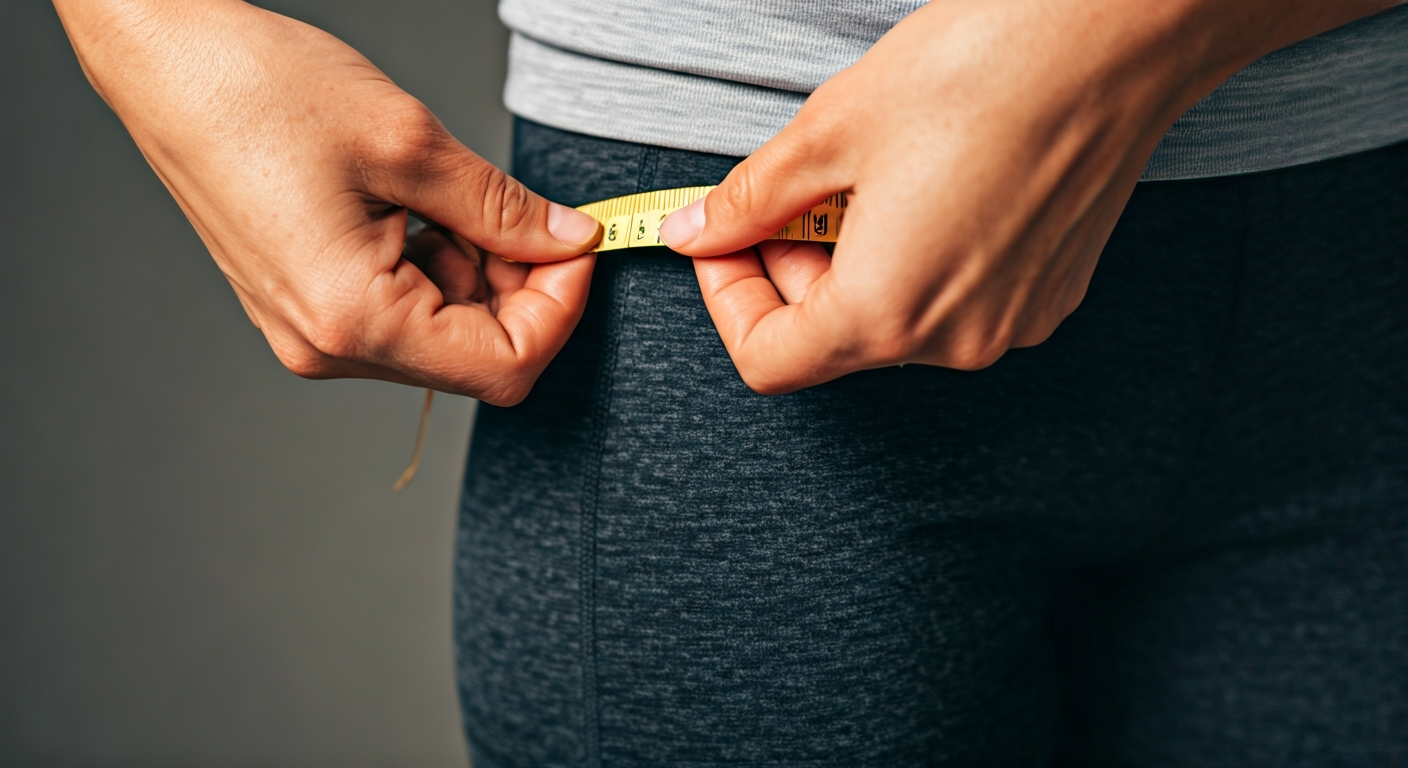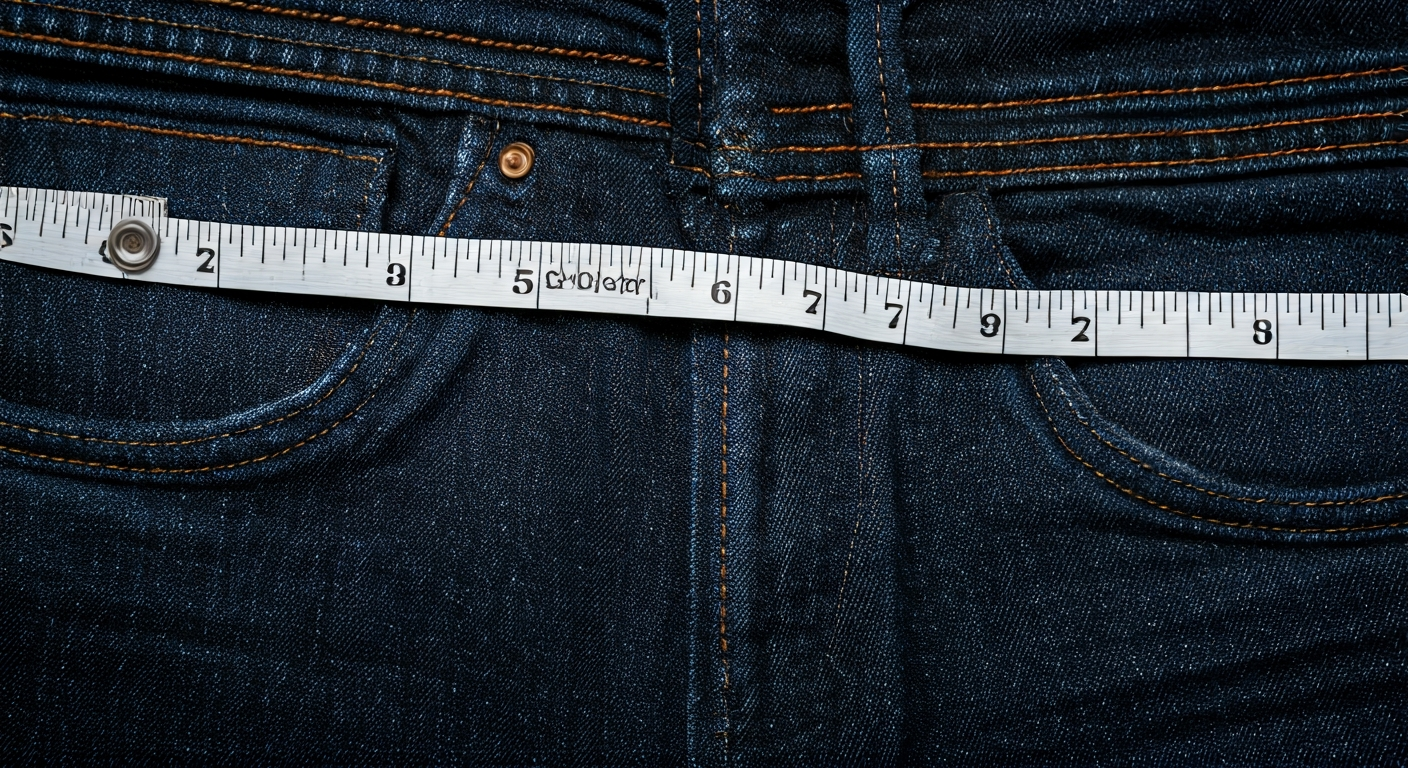
A tailor's flexible tape measure extending along the inner seam of a neatly folded pair of dark blue jeans, illustrating how to measure the inseam, with 'INSEAM FIT' text on the jeans.
How To

What is Inseam? Understanding its Importance for Clothing Fit

A
Ali Hassan
Writer
The Answer
The inseam is the measurement from the crotch seam to the bottom hem of a pant leg. It is crucial for achieving proper clothing fit, influencing both comfort and aesthetics. An accurate inseam ensures pants are not too long (causing tripping or dragging) or too short (appearing ill-fitting), directly impacting the overall look and feel of garments, especially trousers and jeans.
Understanding clothing measurements is fundamental to achieving a comfortable and flattering fit, whether you're buying off-the-rack or having garments tailored. Among these crucial dimensions, the 'inseam' stands out as a primary indicator of how well a pair of pants will sit on your frame. Many people might overlook its significance or confuse it with other measurements, leading to frustration with ill-fitting apparel. This article aims to clarify precisely what an inseam is, explain its critical role in the world of fashion and tailoring, and provide practical guidance on why this specific measurement is indispensable for correctly sized and aesthetically pleasing garments. By mastering the concept of inseam, you empower yourself to make informed purchasing decisions and enjoy greater comfort and confidence in your attire.

How to Measure Your Inseam Accurately for Perfect Fit

1

Gather Your Tools

You will need a flexible tape measure, a pair of well-fitting pants (or a similar garment you wish to replicate the fit of), and optionally, a friend to help. Ensure the pants you select are clean and laid flat without wrinkles.
2

Lay Pants Flat

Place the chosen pair of pants on a flat, clean surface. Smooth out any creases or folds to ensure the fabric lies completely flat and relaxed. This prevents errors caused by bunched material.
3

Locate the Crotch Seam

Identify the point where the two leg seams meet at the crotch. This central intersection is your starting point for the measurement. This is the top of the inseam.
4

Measure Along the Seam

Place the end of your tape measure precisely at the crotch seam. Extend the tape measure straight down the inside seam of one leg, all the way to the very bottom edge of the pant hem. Ensure the tape follows the seam line closely.
5

Record the Measurement

Read the number where the tape measure meets the hem. This value, typically in inches or centimeters, is your inseam measurement. It is often helpful to take the measurement twice to ensure accuracy.
6

Measure Your Body (Alternative Method)

While less common for beginners, you can also measure your body. Stand straight, bare-footed, with your back against a wall. Have a friend measure from your crotch down to the floor. This provides a maximum inseam; consider footwear and desired break (the fold in the fabric near the shoe) for final pant length. For a more detailed guide on precise body measurements, refer to our comprehensive article: How to Measure Inseam Accurately.

What Exactly Is an Inseam?

The inseam is a critical measurement in garment construction, specifically referring to the length of the seam running along the inner leg of pants, shorts, or even jumpsuits. It begins at the very bottom of the crotch seam—the point where the two leg seams converge—and extends straight down to the opening of the pant leg, or the hem. This measurement is distinct from the overall length of the garment and serves as a direct indicator of how long the trouser legs will be when worn. Its precise definition ensures consistency in sizing across different manufacturers and styles.
Understanding the inseam is essential because it directly impacts both the functional and aesthetic aspects of how pants fit. A correctly measured inseam ensures that the pants do not drag on the ground, preventing wear and tear on the hem and potential tripping hazards. Conversely, an inseam that is too short can make pants look awkwardly cropped, disrupting the intended silhouette of the garment and making the wearer appear disproportioned. This single dimension dictates the 'break' of the pant leg, which is how much the fabric creases or folds as it meets the shoe.
The inseam is a standard measurement used globally in the apparel industry for sizing. While waist and hip measurements determine the fit around the body, the inseam dictates the vertical drape and length of the legs. Tailors and clothing brands rely heavily on accurate inseam specifications to produce garments that cater to a wide range of body types and preferences. For consumers, knowing your ideal inseam empowers you to confidently select pants that provide the desired length and overall fit, minimizing the need for costly alterations.

Inseam vs. Outseam: A Critical Distinction in Pant Length

Measurement TypeDefinitionStarting PointEnding PointPrimary Use
InseamMeasures the inner length of the pant leg.Crotch seam (where inner leg seams meet).Bottom hem of the pant leg.Determines the length of the pant leg for fit and break.
OutseamMeasures the total outer length of the pant from waist to hem.Top of the waistband.Bottom hem of the pant leg.Indicates overall pant length and sometimes accounts for rise (waist to crotch). For a deeper dive, read our article on <a href="https://broadmatters.com/inseam-vs-outseam">Inseam vs. Outseam</a>.
RiseMeasures the distance from the waistband to the crotch seam.Top of the waistband.Crotch seam.Determines where the pants sit on the waist (e.g., high-rise, mid-rise, low-rise).
WaistMeasures the circumference of the waistband.Around the natural waist or where pants are designed to sit.Same point, completing the circumference.Determines the fit around the wearer's waist.

Why Inseam Matters: Impact on Comfort, Aesthetics, and Longevity

The inseam measurement holds significant weight in how a pair of pants ultimately fits and performs. A well-fitted inseam contributes immensely to the wearer's comfort, preventing fabric from bunching up around the ankles or, conversely, feeling like 'high waters' that expose too much ankle. When pants are the correct length, they move with the body without resistance, allowing for freedom of movement whether sitting, standing, or walking. This comfort factor is often underestimated but is crucial for daily wear, impacting everything from professional attire to casual outfits.
Beyond comfort, the inseam plays a pivotal role in the aesthetic appeal of an outfit. The length of your pant leg directly influences the silhouette and perceived proportions of your body. Pants that are too long can make legs appear shorter and create a sloppy, unkempt look, often requiring excessive tailoring. Conversely, pants that are too short can visually cut off the leg, making it appear stubby and creating an awkward gap above the shoe. The 'break' of the pant—the way the fabric creases slightly as it rests on the top of the shoe—is entirely dictated by the inseam and is a key element in sartorial elegance, especially for formal wear.
Finally, an accurate inseam contributes significantly to the longevity of your garments. Pants that are too long will invariably drag on the ground, leading to accelerated wear and tear on the hems, causing fraying, discoloration, and eventual damage. This not only diminishes the appearance of the pants but also shortens their lifespan, requiring premature replacement or costly repairs. By ensuring the inseam is correct from the outset, you protect your investment, maintain the garment's intended look, and avoid unnecessary maintenance, proving that a small measurement can have a substantial long-term impact on your wardrobe.

Common Inseam Lengths and How They Vary

  • Women's Pants: Typical inseams range from 28 inches (71 cm) for petite or ankle-length styles, up to 34 inches (86 cm) or more for tall or long-length cuts. Skinny jeans might have a slightly shorter inseam to avoid bunching, while bootcut or flare styles might require a longer inseam to clear the shoe.
  • Men's Pants: Common inseams for men vary from 29 inches (74 cm) for shorter heights or a no-break look, to 34 inches (86 cm) or 36 inches (91 cm) for taller individuals. Dress pants often have a longer inseam for a subtle break, while casual pants or chinos might be slightly shorter.
  • Shorts: Inseams for shorts vary widely based on style and intended use. Men's shorts can range from 5-inch (13 cm) athletic shorts to 10-inch (25 cm) Bermuda shorts. Women's shorts offer even greater variety, from 2-inch (5 cm) hotpants to 9-inch (23 cm) trouser shorts.
  • Children's Clothing: Inseams for children's wear are highly dependent on age and height, typically increasing by 1-2 inches with each size increment. Comfort and room for growth are primary considerations, often leading to slightly longer inseams that can be cuffed.

Troubleshooting Inseam-Related Fit Issues

Having trouble finding pants with the right inseam? Here are some common issues and their solutions. If pants are too long, consider professional tailoring to hem them to your ideal length. This is a common and relatively inexpensive alteration that dramatically improves fit. For a temporary fix, iron-on hemming tape can be used, but professional stitching is always recommended for durability and a cleaner finish. If pants are too short, unfortunately, there's little that can be done to add length unless there's extra fabric folded into a wide hem that can be let out by a tailor. Sometimes, embracing a slightly shorter, cropped look with specific footwear (like ankle boots or loafers) can make intentionally short pants work aesthetically. When shopping, always prioritize brands that offer multiple inseam options in addition to waist sizes, or consider 'tall,' 'petite,' or 'long' sizing categories if standard lengths don't work for you. Always remember to measure your ideal inseam with the shoes you plan to wear most often with the garment.

Summary: Mastering Inseam for Better Fit and Confidence

Key Takeaways

  • The inseam is the measurement from the crotch seam to the bottom hem of the pant leg, crucial for accurate sizing and fit.
  • Understanding your personal inseam measurement is fundamental for selecting pants that offer optimal comfort, aesthetic appeal, and garment longevity.
  • An incorrect inseam can lead to pants that are too long (causing dragging and damage) or too short (resulting in an awkward, ill-fitting appearance).
  • Always measure your inseam accurately, preferably from a well-fitting pair of pants, or directly from your body while wearing appropriate footwear.
  • Differentiating inseam from outseam and rise is key to comprehending overall pant dimensions and ensuring a tailored fit for any style or occasion.
  • Knowing your ideal inseam empowers you to make informed purchasing decisions, reducing the need for alterations and enhancing your overall wardrobe satisfaction.

Frequently Asked Questions About Inseam

Was this guide helpful?

Your feedback helps our writers improve this help center.

Helpful for 20 readers

About the Author

A
Ali Hassan
Expert Author
Writer

"Professional writer."

Related Guides

See All Topics
A person's hands using a fabric tape measure to accurately measure the inseam of a pair of blue jeans laid flat, with 'Measure Inseam' text.

To accurately measure inseam, locate the crotch seam where the two leg panels meet, then extend a measuring tape down the inside of the leg to the desired hem length. Ensure the tape is taut and straight. This method applies whether measuring on your body, with a helper, or from a well-fitting pair of pants, guaranteeing a precise fit for trousers, jeans, or other legwear.
19 Found This Helpful
Read Guide
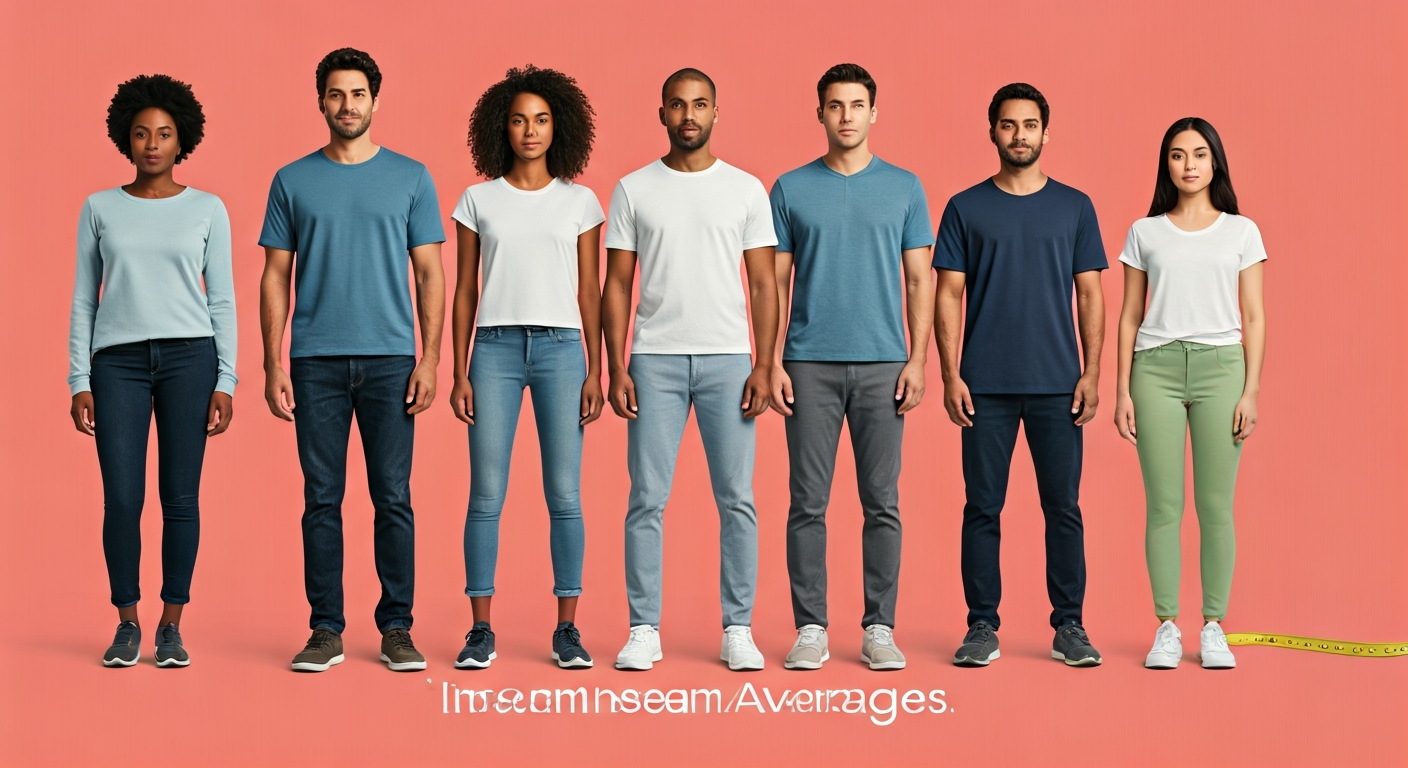
A diverse group of men and women standing with confidence, with a visual representation of inseam measurements and the text 'Inseam Averages' integrated into the scene.

Average inseam lengths vary significantly by gender and height, serving as a critical measurement for comfortable and well-fitting clothing. For men, averages typically range from 28 to 34 inches, while for women, they generally fall between 26 and 32 inches. These figures shift based on individual height and body proportions, making personalized measurement essential for optimal apparel selection.
2 Found This Helpful
Read Guide
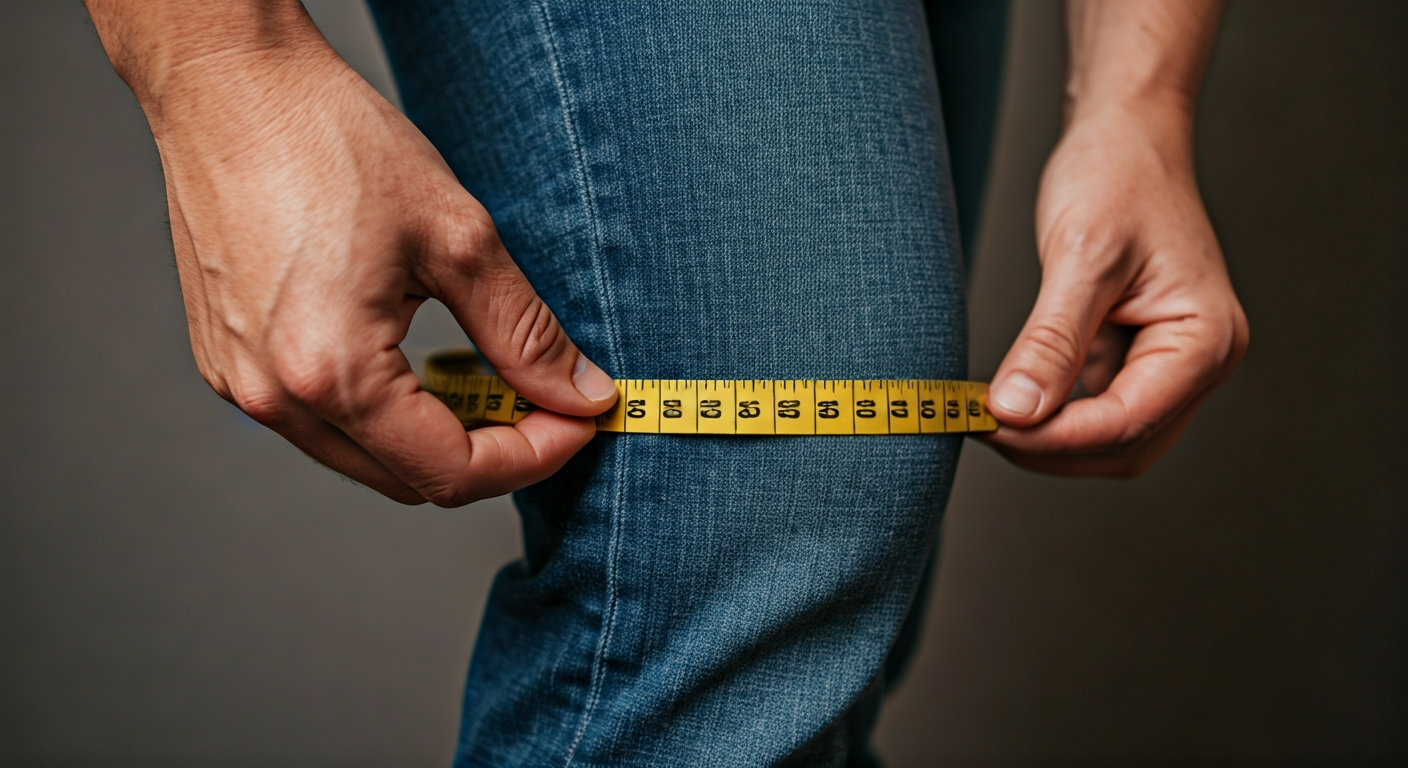
A close-up shot of a person using a yellow flexible tape measure to accurately measure their inseam, with the text "INSEAM TOOLS" visible on a neutral background.

A flexible tape measure is the most versatile and recommended tool for measuring inseam due to its adaptability to body contours. For accurate results, pair it with a flat, rigid ruler for initial marking, or consider a specialized inseam measuring device. Ensure the tool has clear, legible markings in both inches and centimeters for broader utility.

20 Found This Helpful
Read Guide
BroadMatters LogoBroadMatters

Clear, simple guides and everyday explanations to help you solve common problems with confidence.

Stay Updated

Get our latest guides and simple tips delivered directly to your inbox.

By joining, you agree to our Terms and Privacy Policy.

© 2026 BroadMatters Help Center. All rights reserved.

contact@broadmatters.com