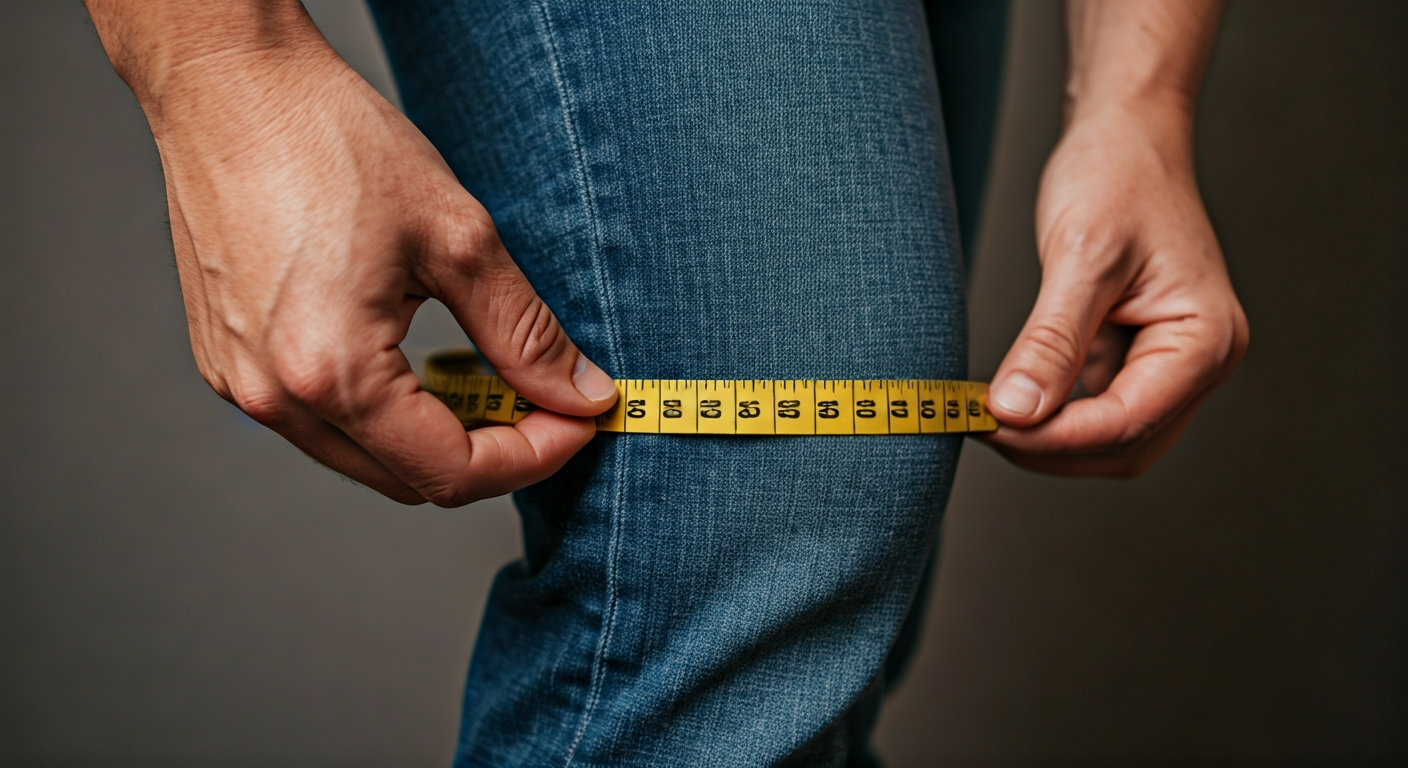
The Best Tools for Measuring Inseam: Tape Measures, Rulers, and Alternatives
How to Accurately Measure Inseam Using Standard Tools
Prepare for Measurement
Simulate a Saddle or Crotch Position
Position Your Measuring Tool
Read the Measurement
Use a Rigid Ruler for Reference (Optional)
Perform Self-Measurement with Care
Record and Re-verify
Flexible Tape Measures: The Industry Standard for Body Measurements
Rigid Rulers and Yardsticks: Precision for Flat Surfaces
Digital Tools and Creative Alternatives for Inseam Measurement
- Digital Tape Measures: These devices often feature an LCD screen displaying measurements, memory functions, and unit conversion. While they can offer convenience and eliminate reading errors, their core accuracy still depends on the physical tape's quality and the user's technique. They do not inherently provide a more accurate body contour measurement than a high-quality flexible manual tape but can simplify the reading process.
- Laser Distance Measurers: Primarily designed for architectural or construction applications to measure distances between two points, laser measurers are generally not suitable for direct inseam measurement. They struggle with soft, irregular surfaces like clothing or body contours and require a clear, flat target for accurate readings. However, they could potentially measure the distance from the floor to a marked point on a wall.
- String or Cord with a Standard Ruler: In the absence of a proper tape measure, a non-stretchy piece of string, yarn, or cord can serve as a makeshift tool. You would hold one end at the crotch point (using the book method) and extend it to the floor. Mark the string, then lay it flat and measure its length with a standard rigid ruler or yardstick. This method is prone to significant error if the string stretches or is not held perfectly straight and taut.
- Household Items for Reference: Large, sturdy books can be used to simulate a saddle in the crotch area. Once positioned, you can mark the book's top edge on a wall or use a spirit level to project that line to the wall. Then, measure from the floor to the marked line using any available measuring device. This is often a go-to solution for those learning how to measure inseam by yourself when specialized tools are unavailable, though it requires careful execution for reasonable accuracy.
- Smartphone Apps (with reservations): Some smartphone applications claim to measure dimensions using augmented reality (AR). While impressive for rough estimates of large objects, their accuracy for precise body measurements like inseam is highly questionable and not recommended for tasks requiring precision for garment fitting or equipment sizing due to calibration and perspective issues.
Comparing Inseam Measurement Tools
| Tool | Primary Use | Inseam Measurement Suitability | Pros | Cons |
|---|---|---|---|---|
| Flexible Tape Measure | Body measurements, tailoring, crafting | Excellent (standard choice) | Conforms to body, dual units, portable | Can stretch (if low quality), requires careful handling for straightness |
| Rigid Ruler/Yardstick | Drafting, straight lines, flat surface measurement | Limited (best for reference points) | Consistent, perfectly straight, durable | Cannot conform to curves, awkward for direct body measurement |
| Digital Tape Measure | General measurement, quick reads, unit conversion | Good (similar to flexible, but digital read-out) | Easy to read, memory function, unit conversion | Higher cost, battery dependent, still relies on physical tape quality |
| String/Cord + Ruler | Estimates when no specialized tool is available | Fair (requires secondary measurement) | Readily available, can contour body | Prone to stretching, needs two tools, high potential for inaccuracy |
Pros and Cons of Common Inseam Measurement Tools
Pros
- Flexible Tape Measures: Pro: Adapts perfectly to body contours for accurate physiological measurements. Pro: Often includes both imperial and metric units. Con: Lower quality tapes can stretch over time, leading to inaccuracies. Con: Can be challenging to keep perfectly straight for solo measurements.
- Digital Tape Measures: Pro: Offers easy-to-read digital displays, reducing reading errors. Pro: Often features unit conversion and memory functions for convenience. Con: More expensive than manual tapes. Con: Relies on battery power and the underlying physical tape's quality for accuracy.
Cons
- Rigid Rulers/Yardsticks: Pro: Provides an unyielding, straight edge for consistent reference points. Pro: Excellent for marking and measuring on flat surfaces. Con: Unsuitable for directly measuring curved body parts. Con: Requires careful positioning to avoid errors when used for inseam.
- String/Cord & Ruler: Pro: Utilizes readily available household items in a pinch. Pro: Can conform to body shapes similar to a flexible tape. Con: Highly susceptible to stretching and inconsistencies. Con: Requires an additional tool (a ruler) to get the final measurement, introducing another step for potential error.
Expert Tip: Maximizing Inseam Measurement Accuracy
Key Factors in Choosing Your Inseam Measuring Tool
- Purpose of Measurement: Consider why you need the inseam measurement. For casual clothing, a basic flexible tape might suffice. For cycling (like determining bike frame size), extreme precision is crucial, making a high-quality flexible tape or specialized device preferable. For example, REI's expert advice on bike fit emphasizes the importance of accurate inseam for optimal performance and comfort.
- Material Quality and Durability: For flexible tapes, opt for fiberglass or non-stretch vinyl to ensure longevity and consistent accuracy. For rigid tools, metal or durable plastic will withstand more use without warping or breaking.
- Legibility of Markings: Clear, bold, and accurately printed markings are essential for precise reading. Faded or unclear numbers can lead to frustrating errors.
- Ease of Use (Especially for Self-Measurement): Some tools are easier to manage alone than others. Retractable flexible tapes can be convenient, while a string-and-ruler method requires two hands and careful coordination. Reflect on your ability to use the tool effectively without assistance.
- Units of Measurement: Verify that the tool provides the units you need (inches, centimeters, or both). Many apparel and cycling brands specify measurements in metric units, so a dual-unit tape is often the most practical choice.
- Portability and Storage: If you need to carry your measuring tool frequently, its size, weight, and how easily it can be coiled or stored are important considerations.
- Cost vs. Precision Needs: While professional-grade tools offer superior accuracy and durability, they come at a higher price. Balance your budget with the level of precision required for your specific application.
Summary: Choosing the Right Tool for a Perfect Inseam Measurement
Key Takeaways
- The flexible tape measure stands out as the most recommended tool for inseam measurement due to its ability to conform to body contours and dual-unit functionality.
- Rigid rulers and yardsticks excel at establishing straight reference points but are not suitable for direct body measurement.
- Digital measuring tools offer convenience with clear displays but do not inherently improve core measurement accuracy over a well-used manual tape.
- Improvised alternatives like string and a standard ruler can serve in a pinch, but they introduce greater potential for measurement inaccuracies.
- Regardless of the tool chosen, consistent technique, proper body positioning, and careful reading are paramount to achieving reliable inseam measurements.
- Selecting the appropriate tool ensures that garments fit correctly, and equipment (like bicycles) is sized optimally for comfort and performance.
Frequently Asked Questions About Inseam Measurement Tools
Was this guide helpful?
Your feedback helps our writers improve this help center.
About the Author
Related Guides
See All Topics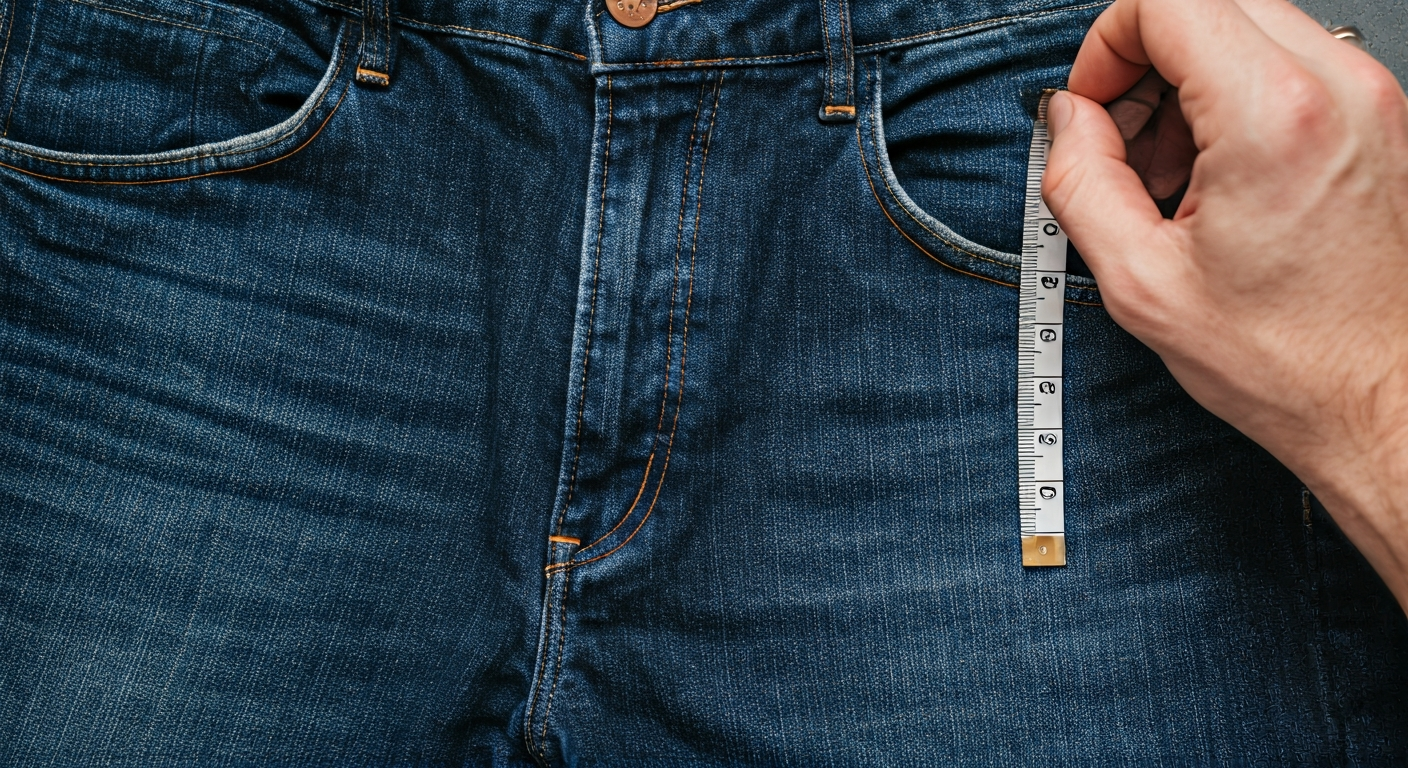
To measure inseam from existing pants, lay a well-fitting pair flat and smooth on a hard surface. Locate the crotch seam (where the four seams meet) and measure straight down the inside leg to the bottom hem, ensuring the fabric is not stretched or bunched. This provides an accurate inseam length, enabling you to replicate your preferred fit for new clothing purchases confidently and independently.
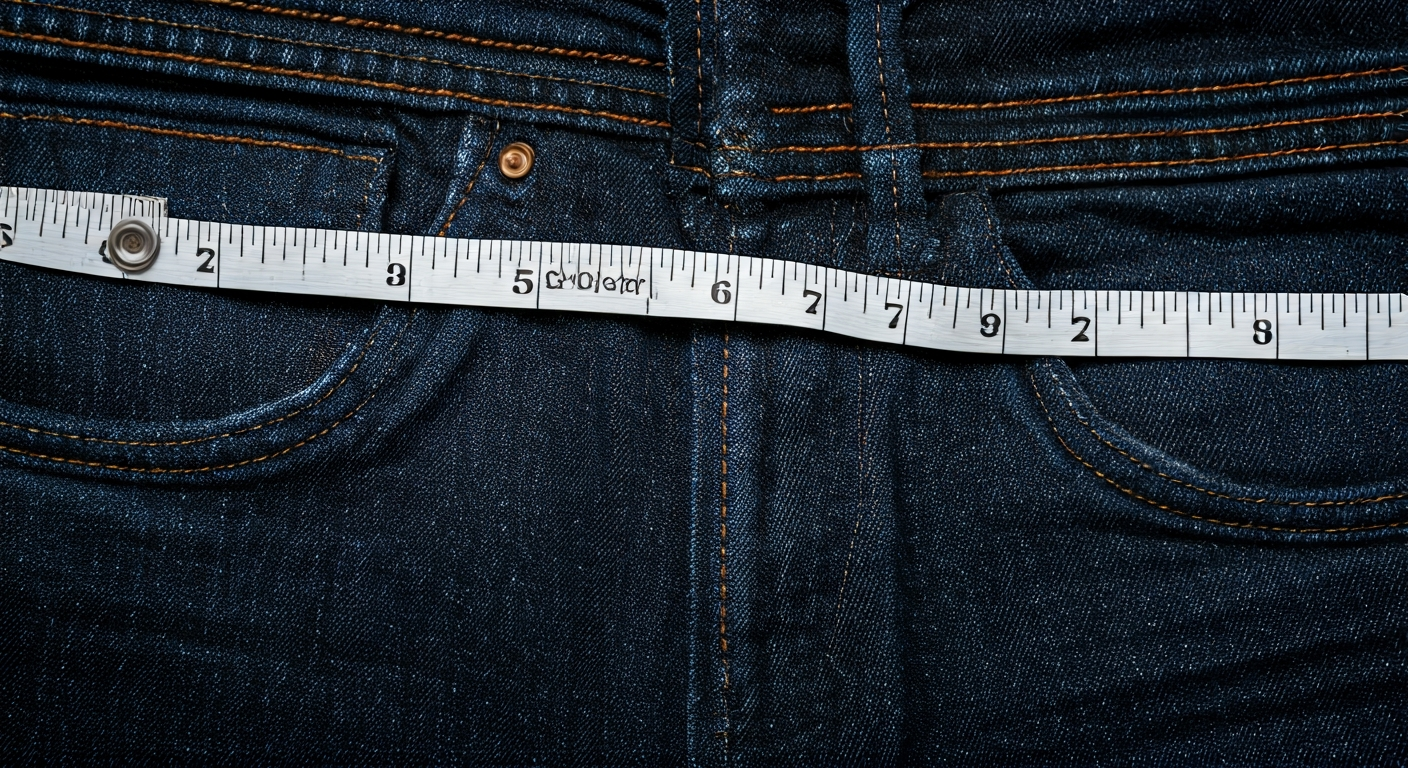
The inseam is the measurement from the crotch seam to the bottom hem of a pant leg. It is crucial for achieving proper clothing fit, influencing both comfort and aesthetics. An accurate inseam ensures pants are not too long (causing tripping or dragging) or too short (appearing ill-fitting), directly impacting the overall look and feel of garments, especially trousers and jeans.

Selecting the right inseam involves accurately measuring your current inseam, considering your desired pant style (e.g., skinny, straight, bootcut), and factoring in your preferred footwear and body type. The 'ideal' length balances aesthetic appeal, comfort, and the pant's intended 'break' or drape over your shoes, often requiring a personalized approach beyond generic sizing.