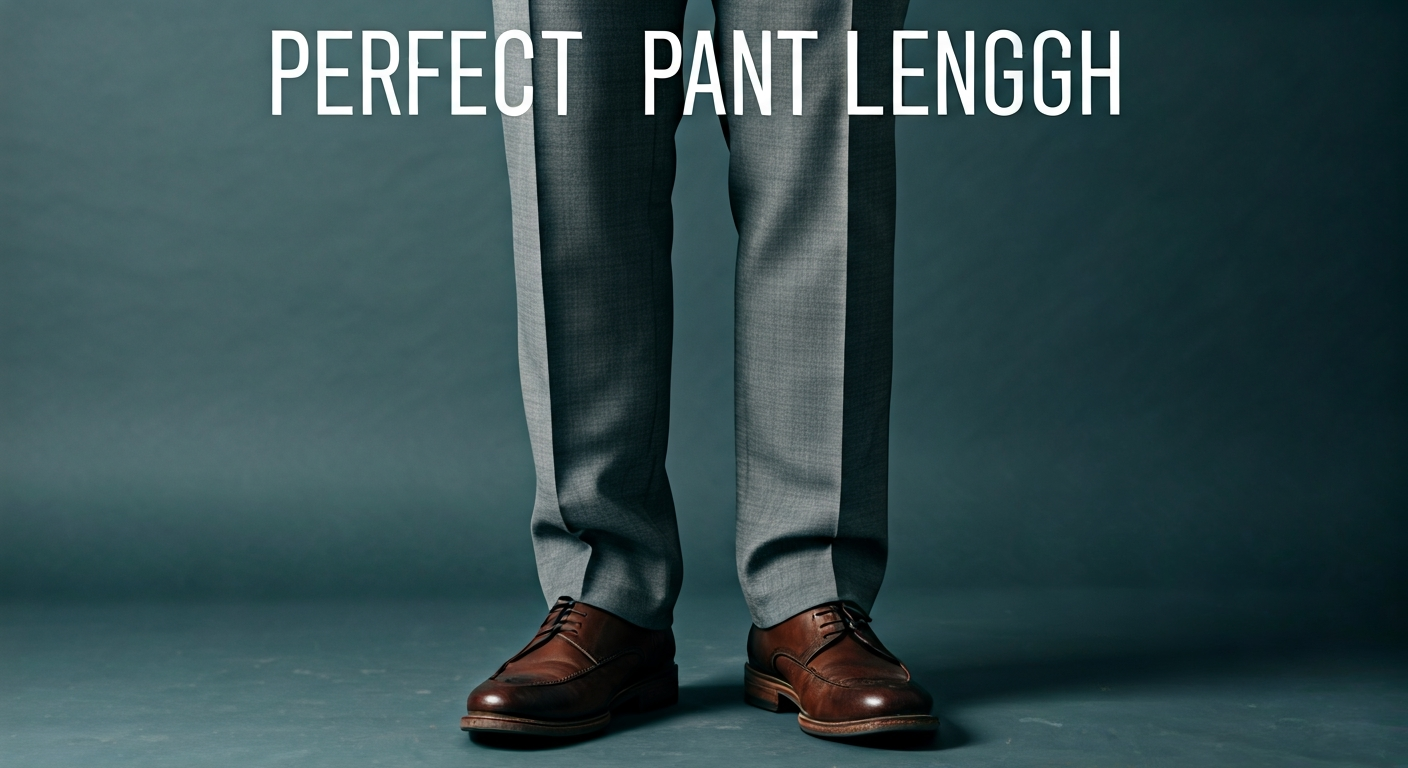
Choosing the Right Inseam Length: A Guide for Different Body Types and Styles
Determining Your Ideal Inseam Length: A Step-by-Step Approach
Step 1: Accurately Measure Your Current Inseam
Step 2: Define Your Desired Pant Style
Step 3: Consider Your Footwear Choice
Step 4: Account for Body Proportions
Step 5: Decide on Your Preferred 'Pant Break'
Step 6: Test and Adjust Before Finalizing
Step 7: When in Doubt, Err on the Longer Side
Step 8: Seek Professional Tailoring
Understanding Inseam: More Than Just a Number
Inseam Recommendations by Height and Pant Style
| Height Range | Pant Style | Recommended Inseam (Women) | Recommended Inseam (Men) | Desired Break/Fit Notes |
|---|---|---|---|---|
| Petite (Under 5'3") | Ankle/Cropped | 24-26 inches | 26-28 inches | No break or slight ankle graze to elongate legs. |
| Petite (Under 5'3") | Full Length/Straight | 27-29 inches | 29-31 inches | Slight break, just touching top of shoe; avoid pooling. |
| Average (5'4" - 5'7") | Ankle/Cropped | 26-28 inches | 28-30 inches | Mid-ankle to just above ankle bone, clean and modern. |
| Average (5'4" - 5'7") | Full Length/Straight | 29-31 inches | 30-32 inches | Slight to medium break, covers shoelaces. Ideal for most footwear. |
| Tall (5'8" - 5'11") | Ankle/Cropped | 28-30 inches | 30-32 inches | Clean break at ankle, ensures it doesn't look too short. |
| Tall (5'8" - 5'11") | Full Length/Bootcut | 31-33 inches | 32-34 inches | Full break or slight skim for bootcut, ensuring adequate coverage over shoes. For more general insights into typical sizing, explore <a href="https://broadmatters.com/average-inseam-lengths">average inseam lengths</a>. |
| Very Tall (6'0"+) | Full Length/Wide Leg | 33-35+ inches | 34-36+ inches | Full break or floor-skimming with heels, maintaining elegant drape without being too short. |
Popular Pant Styles and Their Inseam Characteristics
- Skinny/Slim Fit: These styles are designed to hug the leg closely. The ideal inseam usually results in no break or a very minimal break, often ending right at the ankle or slightly above. This prevents excess fabric from bunching and maintains the clean, streamlined silhouette.
- Straight Leg: A timeless and versatile cut. For a straight-leg pant, a 'slight break' is generally preferred, meaning the hem gently brushes the top of your shoe, creating one subtle crease. This offers a classic and polished look suitable for most occasions and footwear.
- Bootcut/Flare: Specifically designed to accommodate boots, these pants are wider at the hem. Their inseam should be long enough to cover most of your boot or shoe, with the hem typically ending about 1/2 to 3/4 of an inch off the ground when wearing the intended footwear. This creates a continuous line from hip to foot.
- Cropped/Ankle Pants: These pants are intentionally shorter, designed to hit above the ankle bone. The exact length can vary from just above the ankle to mid-calf, depending on personal style and current trends. The key is a clean finish, without any fabric pooling at the bottom.
- Wide Leg/Palazzo: Characterized by a generous cut from the hip down. For these styles, the inseam often needs to be longer, aiming to nearly skim the floor or cover most of your shoe, especially when paired with heels. This allows the fabric to flow gracefully and maintain the dramatic silhouette.
- Chinos/Casual Trousers: These can be quite flexible. While many opt for a no-break or slight break for a relaxed yet neat look, some might choose a slightly shorter inseam to wear cuffed, offering a more casual and versatile aesthetic.
Choosing Between Modern Cropped and Traditional Full-Length Inseams
Pros
- Modern Cropped Inseams: Offers a contemporary, fashion-forward aesthetic. Great for showcasing statement footwear like sneakers, loafers, or ankle boots. Can make a silhouette appear lighter and less formal. However, it can visually shorten the legs on some body types if not executed carefully, and might not be appropriate for all formal settings.
Cons
- Traditional Full-Length Inseams: Provides a classic, elongating effect, making legs appear longer and leaner. Ideal for formal wear, tailored trousers, and bootcut styles. Offers a timeless elegance and versatility for various occasions. Can sometimes look dated if the break is too pronounced or if the pants are too long, creating excessive fabric pooling.
Critical Tip: Always Consider Footwear
Advanced Styling and Fit: Body Types, Break, and Footwear
Key Takeaways for Your Perfect Inseam
Key Takeaways
- Personal Measurement is Paramount: Always start with an accurate personal inseam measurement as your foundation, rather than relying solely on generic size charts.
- Style Dictates Length: The desired pant style (e.g., skinny, straight, bootcut) significantly influences the ideal inseam, with each requiring a distinct length for its intended drape.
- Footwear is Non-Negotiable: The shoes you plan to wear with your pants must be considered. Always try on pants with the intended footwear before making final decisions or alterations.
- Consider Your Body Type: Adapt inseam choices to complement your body's proportions, using length and break to visually elongate or balance your figure.
- Master the 'Break': Understand the different pant breaks (no, slight, full) and choose one that aligns with the pant's formality and your personal style preference.
- Err on the Longer Side: When in doubt, choose a slightly longer inseam. It's always easier to shorten pants than to lengthen them.
- Professional Tailoring is an Investment: For a truly custom and polished look, professional tailoring is recommended, especially for more formal or expensive garments.
Was this guide helpful?
Your feedback helps our writers improve this help center.
About the Author
Related Guides
See All Topics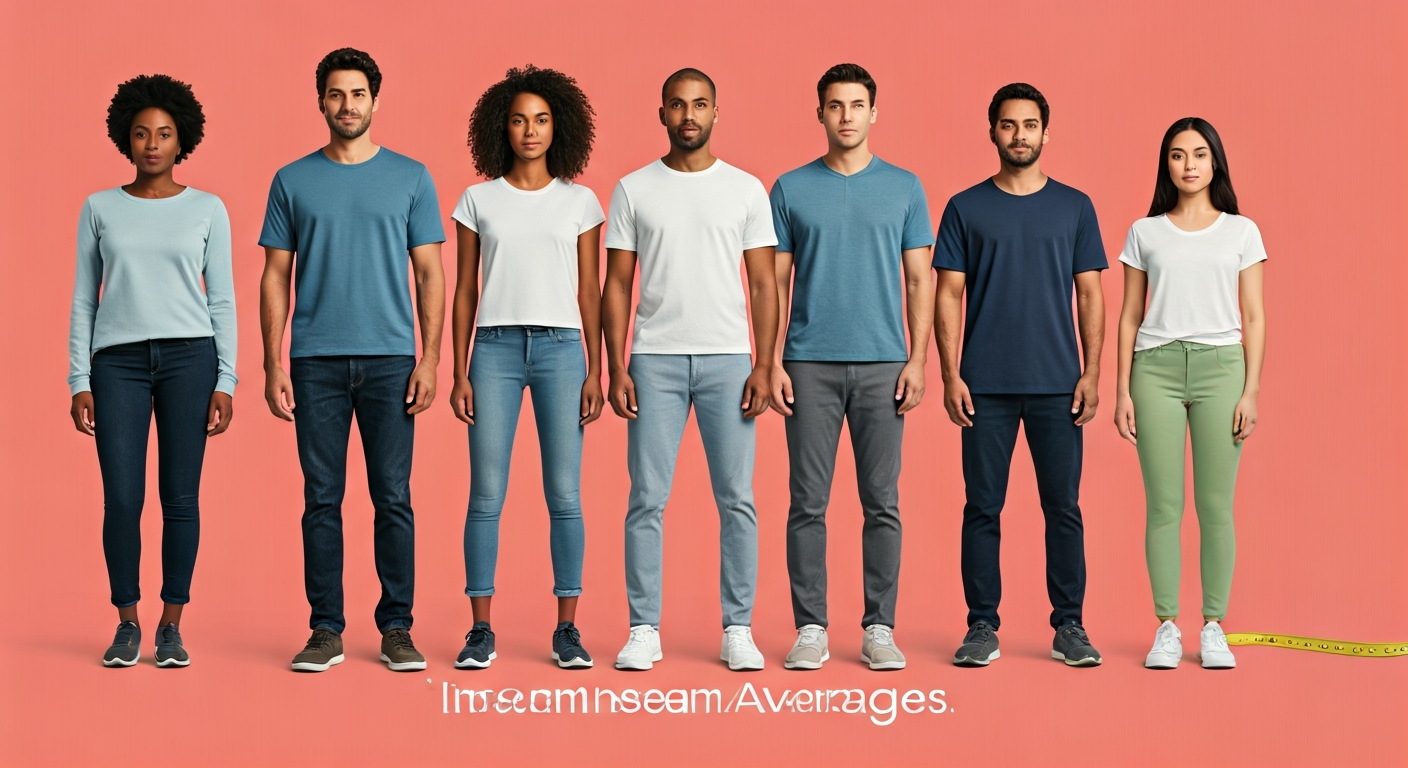
Average inseam lengths vary significantly by gender and height, serving as a critical measurement for comfortable and well-fitting clothing. For men, averages typically range from 28 to 34 inches, while for women, they generally fall between 26 and 32 inches. These figures shift based on individual height and body proportions, making personalized measurement essential for optimal apparel selection.
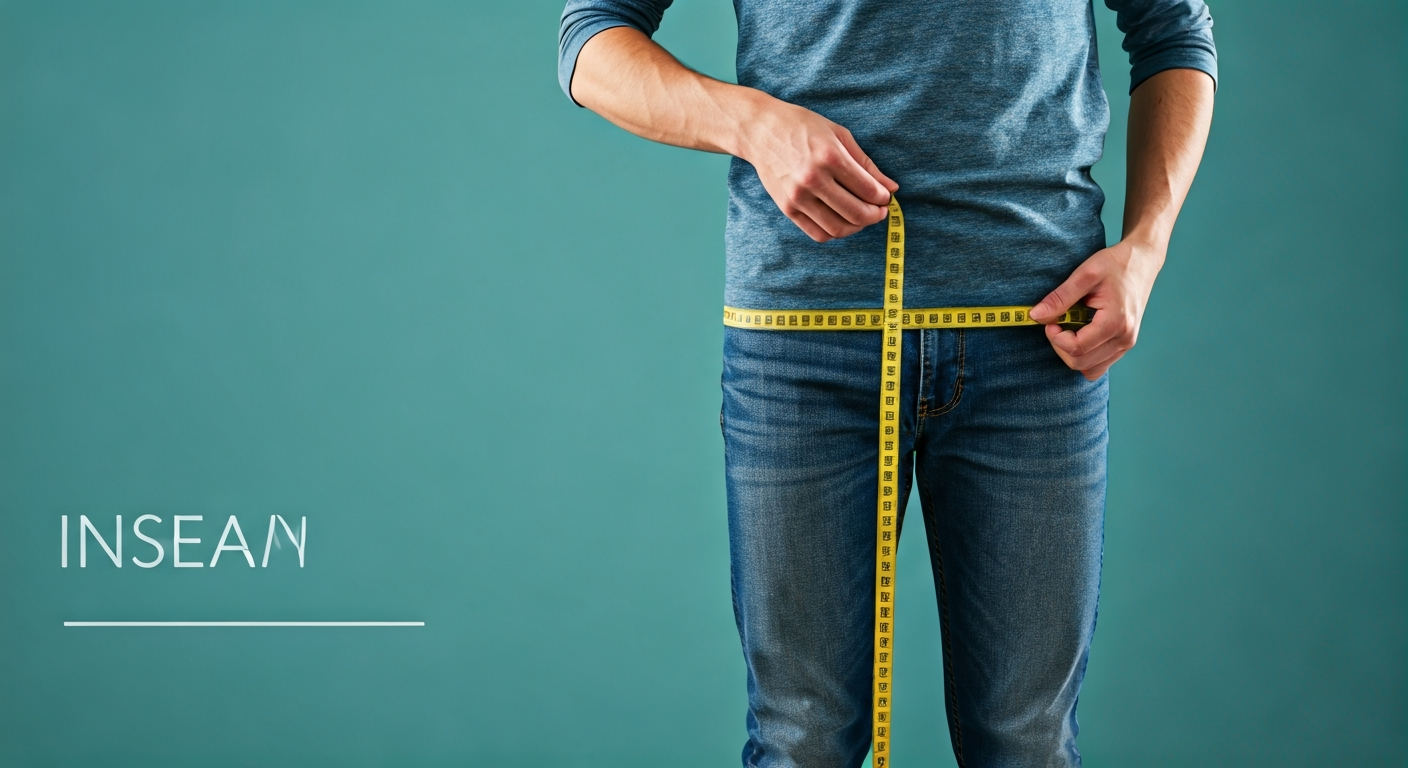
To measure your inseam alone, wear well-fitting underwear or shorts. Stand straight, feet shoulder-width apart. Use a measuring tape, holding one end securely at your crotch where the fabric of your pants would naturally meet. Extend the tape down your inner leg to the desired hem length, typically just above the floor or to the top of your shoe, ensuring the tape is taut and straight. Read the measurement carefully.

Identifying your spare tyre type—full-size, temporary (donut), or run-flat—is crucial for safe driving. Check your car's boot for a conventional spare or a compact 'donut' and examine its sidewall for usage restrictions. If no physical spare is present, your vehicle might be equipped with run-flat tyres or a tyre repair kit, indicating a different emergency strategy.