
How to Measure Your Inseam By Yourself: A Step-by-Step Guide
Your Solo Inseam Measurement: Step-by-Step
1. Prepare Your Setup
2. Find Your Stance
3. Locate the Starting Point
4. Extend the Tape Downward
5. Determine Your Desired Hem Length
6. Read and Record Your Measurement
7. Verify for Accuracy
8. Consider Garment Specifics
Understanding Your Inseam: More Than Just a Number
Achieving Precision: Key Tips for Accuracy
Self-Measurement vs. Assisted Measurement: A Comparative Look
Pros
- Convenience and Accessibility: You can measure anytime, anywhere, without needing to schedule with a tailor or find a helper. This offers unparalleled flexibility for online shopping or last-minute custom orders.
- Cost-Effective: Eliminates the need for professional tailoring services solely for measurement, saving money over time, especially if you frequently purchase new clothing items.
- Personal Understanding: Performing the measurement yourself helps you better understand your body dimensions and how different garment styles might fit, empowering more informed choices.
Cons
- Increased Accuracy Risk: Without a second pair of hands, maintaining perfect posture and tape alignment can be challenging, potentially leading to small but significant inaccuracies.
- Physical Difficulty: Bending and twisting to read the tape measure while maintaining a straight leg can be awkward, especially for individuals with mobility issues or flexibility limitations.
- Subjectivity in Endpoint: Determining the precise desired hem length can be subjective. An unassisted eye might misjudge the 'perfect' break, leading to a hem that is slightly too long or too short for preference. For comprehensive insights into tailoring measurements, resources like The Spruce Crafts' guide on measuring pants inseam offer valuable context.
Pre-Measurement Checklist: Get Ready for Accuracy
- Gather Your Tools: Ensure you have a soft, flexible measuring tape, a pen, and paper. A full-length mirror is highly recommended for visual checks.
- Choose Appropriate Attire: Wear minimal, close-fitting clothing like underwear or thin shorts. Avoid bulky trousers, skirts, or jeans, as they will interfere with accurate placement of the tape at the crotch.
- Select a Flat Surface: Stand on an even, hard surface. Avoid carpets or uneven flooring that can affect your balance and posture, leading to skewed measurements.
- Ensure Good Lighting: A well-lit area allows you to clearly see the measuring tape, its markings, and your body's posture, minimizing errors from poor visibility.
- Mentally Prepare for Stance: Remind yourself to stand as straight as possible, feet shoulder-width apart, and weight evenly distributed throughout the entire process.
- Decide Your Desired Hem: Before you even start measuring, have a clear idea of where you want your pants to fall (e.g., no break, full break, with specific shoes). This prevents mid-measurement indecision.
Mastering Your Own Inseam: Key Takeaways
Key Takeaways
- Preparation is Paramount: Before measuring, ensure you have the right tools (flexible tape, mirror), wear minimal clothing, and stand on a flat surface with good lighting. This sets the foundation for an accurate result.
- Posture and Precision are Crucial: Maintain a perfectly straight, upright posture throughout the measurement. Use your free hand and a mirror to guide the tape tautly and squarely from the crotch down to your desired hem length, avoiding any twists or sagging in the tape.
- Define Your Endpoint: The 'correct' inseam endpoint depends on your preferred pant break and the shoes you plan to wear. Decide this beforehand to ensure the measurement reflects your intended style and fit.
- Verify and Record: Always measure at least three times and take the average of consistent readings. Immediately record your measurement to ensure accuracy, and keep it handy for future clothing purchases or tailoring needs. Understanding how to measure inseam alone empowers you with greater control over your clothing fit.
Frequently Asked Questions About DIY Inseam Measurement
Was this guide helpful?
Your feedback helps our writers improve this help center.
About the Author
Related Guides
See All Topics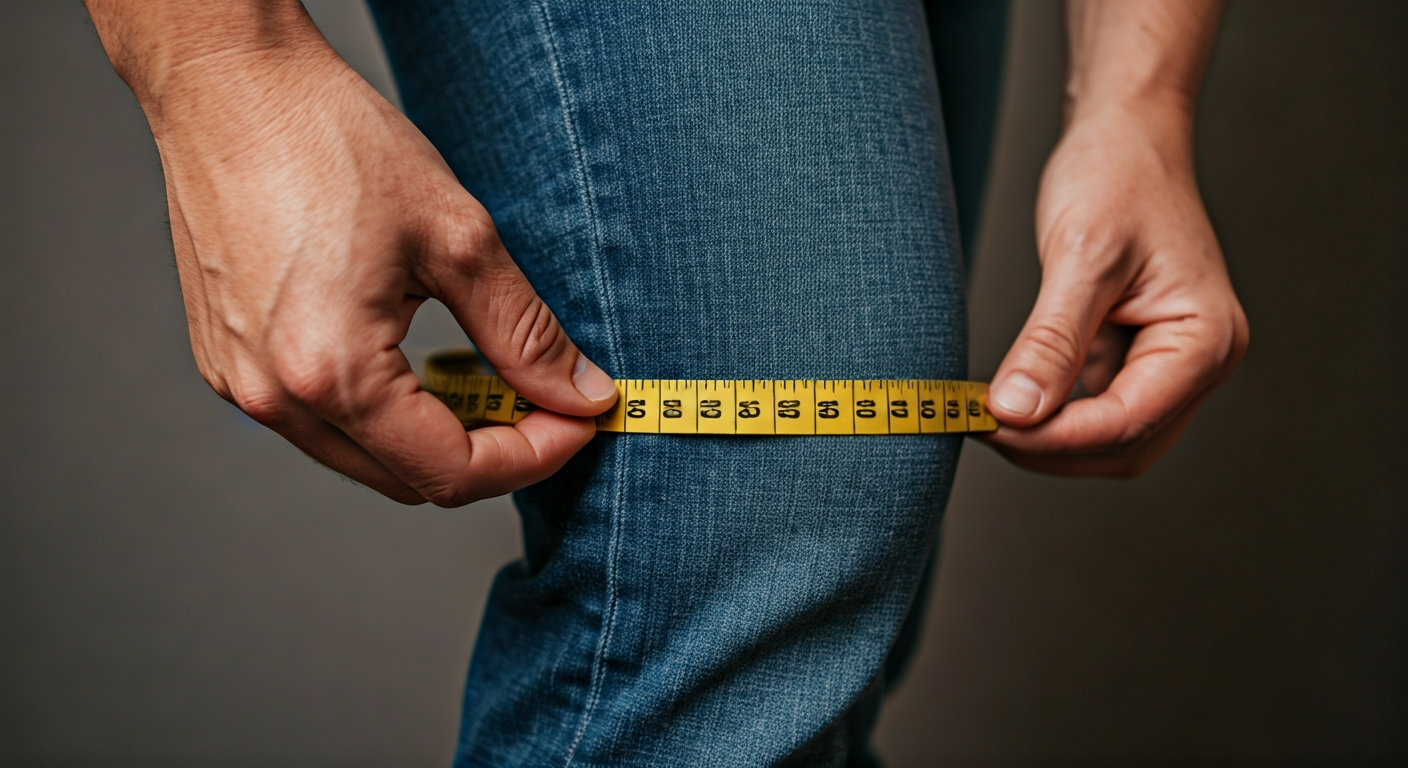
A flexible tape measure is the most versatile and recommended tool for measuring inseam due to its adaptability to body contours. For accurate results, pair it with a flat, rigid ruler for initial marking, or consider a specialized inseam measuring device. Ensure the tool has clear, legible markings in both inches and centimeters for broader utility.
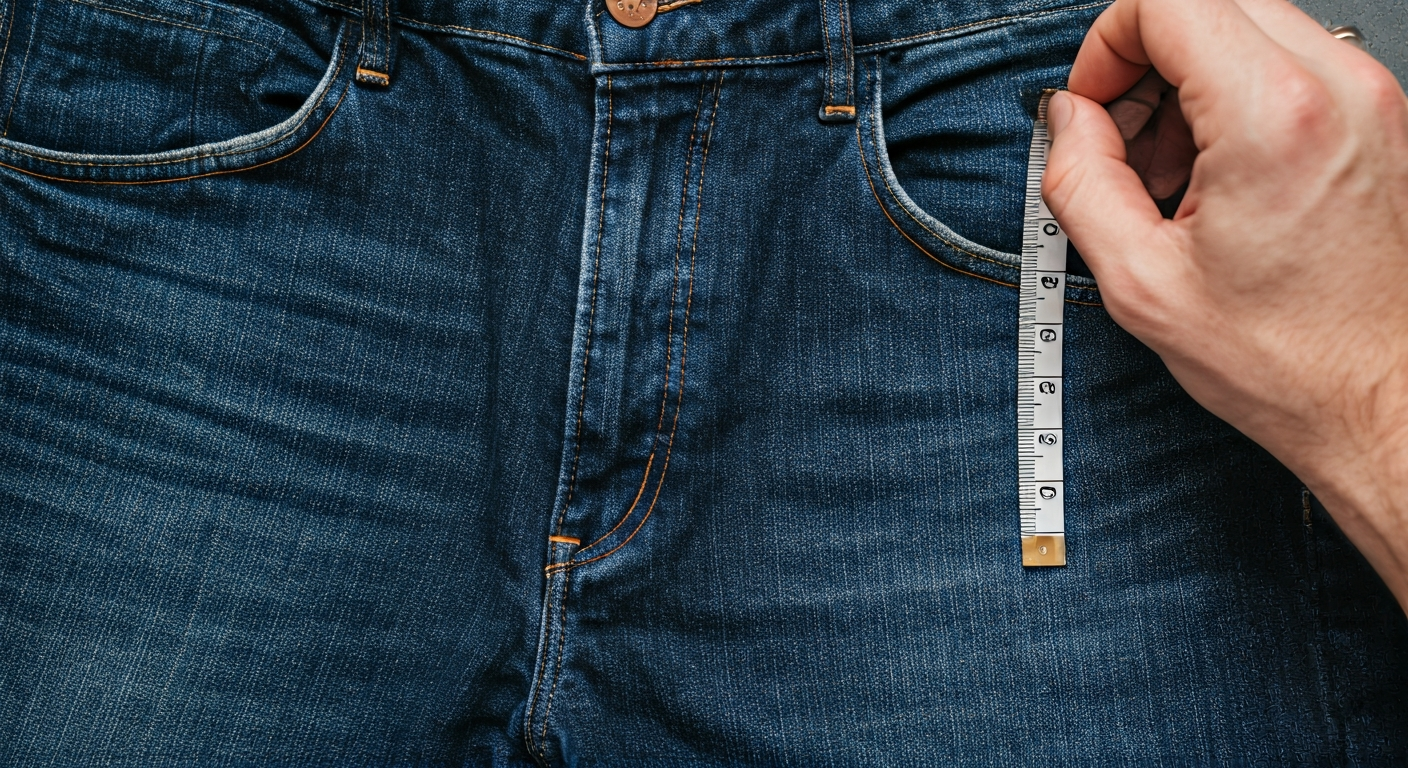
To measure inseam from existing pants, lay a well-fitting pair flat and smooth on a hard surface. Locate the crotch seam (where the four seams meet) and measure straight down the inside leg to the bottom hem, ensuring the fabric is not stretched or bunched. This provides an accurate inseam length, enabling you to replicate your preferred fit for new clothing purchases confidently and independently.

Selecting the right inseam involves accurately measuring your current inseam, considering your desired pant style (e.g., skinny, straight, bootcut), and factoring in your preferred footwear and body type. The 'ideal' length balances aesthetic appeal, comfort, and the pant's intended 'break' or drape over your shoes, often requiring a personalized approach beyond generic sizing.