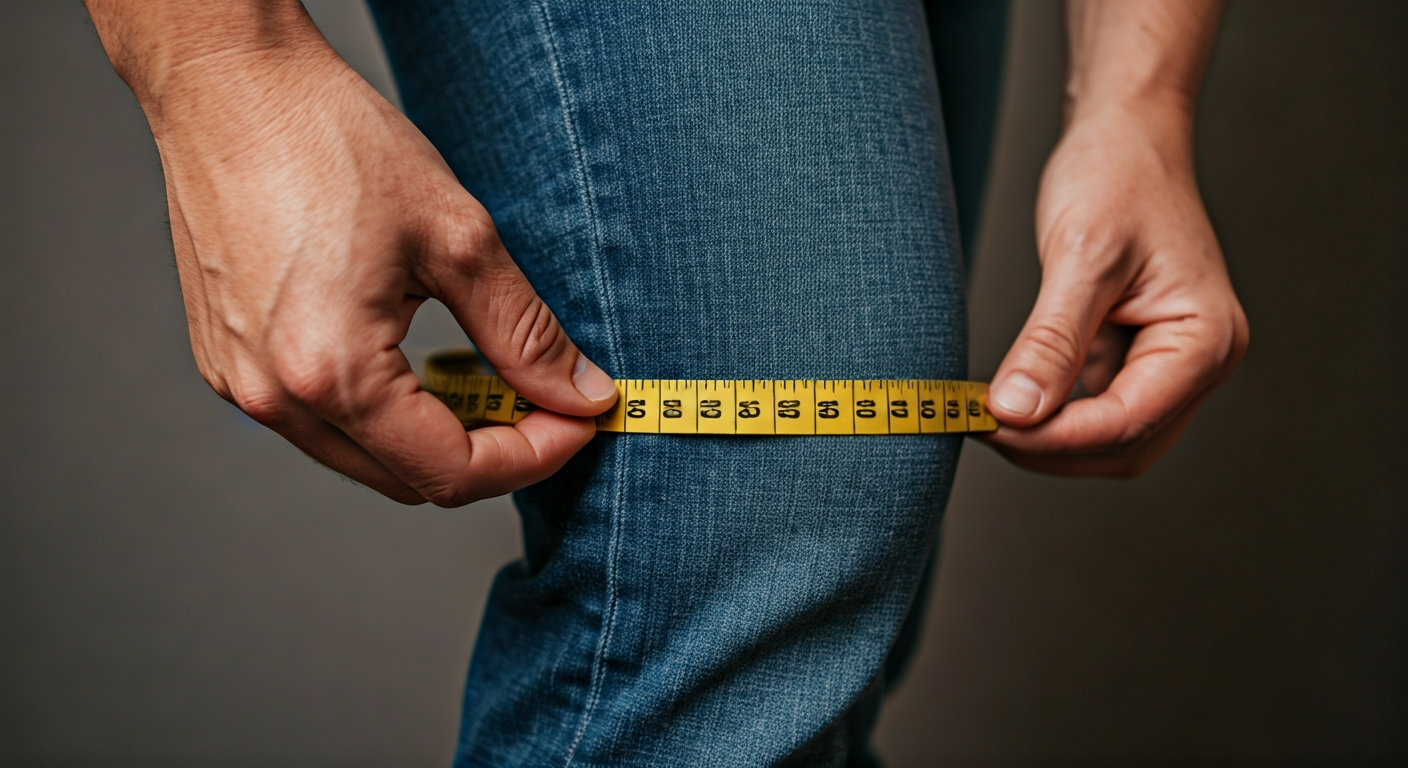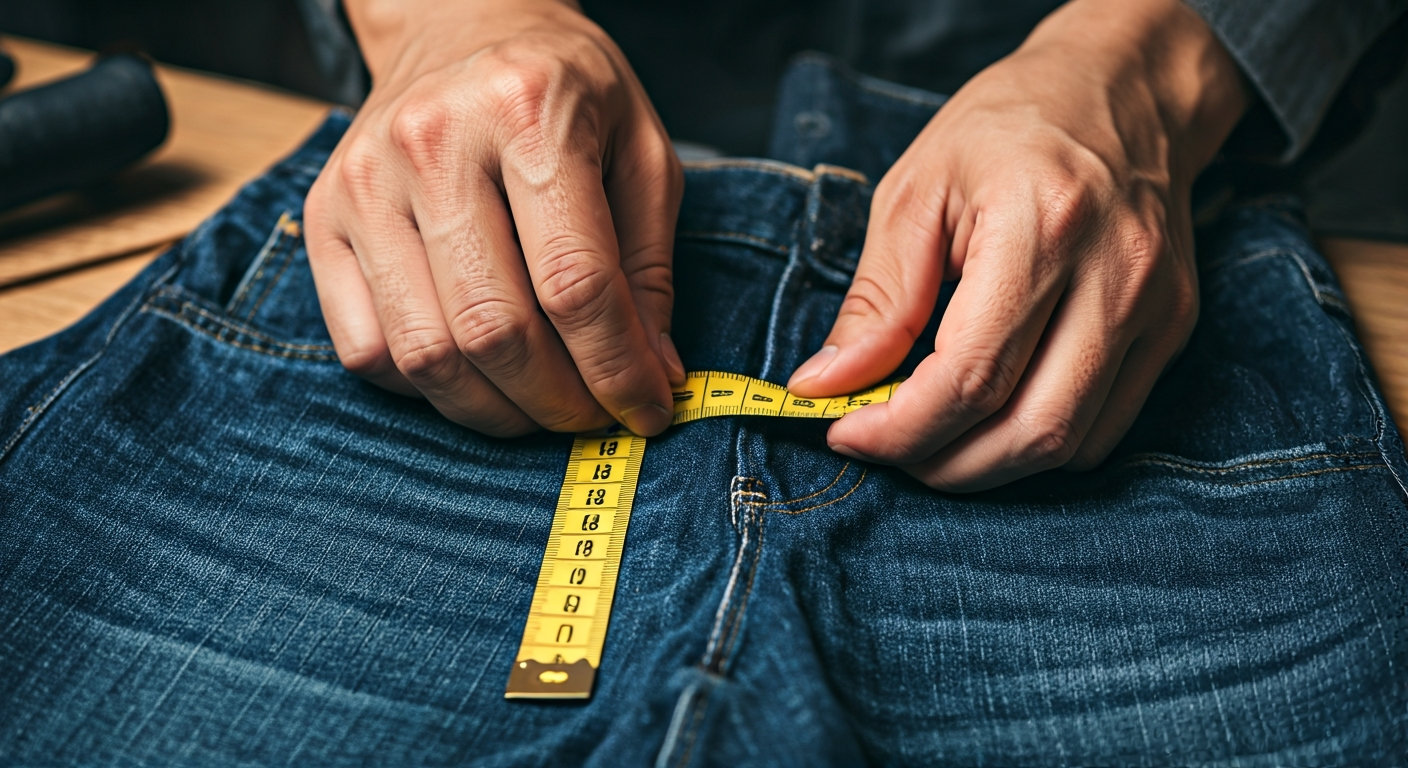
A tailor's hands precisely measuring the inseam of blue jeans with a yellow tape, showing the text 'Inseam Accuracy'.
How To

Common Inseam Measurement Mistakes and How to Avoid Them

A
Ali Hassan
Writer
The Answer
To avoid common inseam measurement mistakes, always stand straight with bare feet, use a flexible tailor's tape, and measure from the very top of the crotch seam down the inner leg to the desired hem point. Ensure the tape is taut but not stretched, and if possible, enlist a helper to prevent bending and ensure accuracy. Double-checking your measurements is crucial for reliable results.
Accurate inseam measurement is fundamental for achieving well-fitting pants, jeans, and overalls, whether you're purchasing new garments online or tailoring existing ones. The inseam, defined as the distance from the crotch seam to the bottom hem of a pant leg, directly influences comfort, aesthetics, and overall garment length. However, many individuals frequently encounter errors during this seemingly straightforward process. These mistakes, often stemming from incorrect technique, unsuitable tools, or a lack of understanding of the measurement's purpose, can lead to frustration and ill-fitting clothing. Understanding and proactively avoiding these common pitfalls is essential for anyone seeking precise and consistent sizing results. This guide will illuminate the most frequent missteps and provide clear, actionable strategies to ensure your inseam measurements are always spot-on.

How to Measure Your Inseam Accurately: A Step-by-Step Guide

1

Step 1: Prepare Your Garment and Environment

Choose a pair of pants that fit you well and have the ideal length you desire. Lay them flat on a smooth, hard surface, ensuring there are no wrinkles or folds that could distort the measurement. Clear the area around you to allow for easy movement.
2

Step 2: Stand Correctly (If Measuring Yourself)

If you are attempting to measure your inseam by yourself, stand barefoot with your feet shoulder-width apart and your back straight against a wall. This ensures your legs are in a natural, unbent position, which is critical for an accurate reading. Avoid leaning or slouching, as this can shorten your perceived leg length.
3

Step 3: Locate the Correct Starting Point

The inseam measurement begins at the very top of the pant's inner thigh seam, where the two leg seams meet at the crotch. This point is often referred to as the 'crotch seam junction'. Measuring from any higher or lower point will result in an inaccurate reading. For a garment, ensure this seam is flattened and visible.
4

Step 4: Measure Along the Inner Leg Seam

Take a flexible measuring tape and place the 'zero' end at the crotch seam junction. Run the tape measure straight down the inside seam of one pant leg. Keep the tape taut but do not stretch the fabric of the pants. Follow the natural curve of the seam.
5

Step 5: Identify the Endpoint

The measurement ends at the very bottom edge of the pant leg's hem. This is the intended length of the garment when worn. For personal measurements, determine where you want the pant hem to fall relative to your ankle or shoe, considering your typical footwear. For a comprehensive guide, refer to how to measure inseam accurately.
6

Step 6: Read and Record Your Measurement

Once the tape measure is correctly positioned from start to finish, read the number at the hem. Note this measurement down immediately in inches or centimeters, depending on your preference. Be precise; even a half-inch difference can significantly affect fit.
7

Step 7: Verify for Consistency

To ensure maximum accuracy, repeat the entire measurement process at least two more times. If your readings vary, take the average of the closest two or re-evaluate your technique. Consistency is key to avoiding measurement errors.

Understanding Common Inseam Measurement Mistakes

Many individuals unknowingly make critical errors when measuring their inseam, leading to clothing that is either too short or too long. One of the most prevalent mistakes is failing to identify the correct starting point. Instead of beginning at the very apex of the crotch seam junction, some may start higher up the waistband or lower on the inner thigh, introducing several inches of error. This seemingly minor misstep can drastically alter the perceived length of a garment, making a perfectly sized pair of pants feel awkward or ill-fitting. For industry standards on garment measurements, consulting resources like the ASTM International standards for garment measurement can provide valuable insights into best practices.
Another frequent pitfall involves improper posture and body positioning during self-measurement. Bending over, slouching, or not standing completely straight can cause your legs to flex or shorten, leading to an underestimation of your true inseam. Furthermore, attempting to measure alone without proper technique can result in contorted positions, making it difficult to keep the tape measure straight and taut. The lack of an extra pair of hands often compels individuals to compromise their posture, directly impacting the precision of the measurement. It's crucial to maintain a natural, upright stance to capture your body's actual dimensions accurately.
The tools used for measurement also play a significant role in accuracy. Using a rigid metal ruler for a curved body part, or an old, stretched-out fabric tape measure, can introduce inaccuracies. A rigid ruler cannot conform to the body's natural contours, while a compromised fabric tape measure might provide an inflated reading. Similarly, when measuring a garment, failing to lay it completely flat and smooth can lead to errors. Bunched-up fabric, stretched seams, or measuring on an uneven surface will distort the true dimensions of the pant leg, producing a measurement that doesn't reflect the garment's actual length. For practical tips from a reputable retailer, consider exploring the Lands' End guide to measuring your inseam.

Your Pre-Measurement Checklist for Error Prevention

  • Enlist a Helper: If possible, ask a friend or family member to assist. Their objective view and ability to keep the tape straight will significantly improve accuracy, especially when measuring on yourself.
  • Wear Appropriate Undergarments: For personal measurements, wear underwear or form-fitting shorts. Avoid bulky clothing that can obstruct the crotch area or create false volume.
  • Use the Right Tool: Ensure you have a flexible, non-stretchable tailor's tape measure that is in good condition. Avoid using rigid rulers or worn-out, elasticized tapes.
  • Stand Barefoot on a Flat Surface: Remove your shoes and stand on a level, hard floor. This provides a consistent baseline and prevents variations caused by heel height or uneven ground.
  • Have Pen and Paper Ready: Immediately jot down your measurements to avoid memory errors. Consider taking multiple readings to confirm consistency.
  • Choose a Reference Garment Carefully: If measuring from existing pants, select a pair that fits you perfectly in length and style. Ensure they are clean, dry, and laid flat without wrinkles.

Choosing the Right Tools: Pros and Cons

Pros

  • Flexible Fabric/Vinyl Tape Measure: Highly adaptable for measuring body curves and garment seams. Essential for personal measurements. Pro: Conforms to contours, accurate for fabric. Con: Can stretch or wear out over time, leading to minor inaccuracies if not well-maintained.

Cons

  • Rigid Metal Tape Measure/Ruler: Excellent for measuring straight lines on flat surfaces, such as fabric laid out for cutting. Pro: Provides precise, unyielding straight-line measurements. Con: Inflexible, impractical, and inaccurate for measuring the body's natural curves or following a garment's inner seam while worn.
  • Laser Measure: Offers quick distance measurements for large spaces. Pro: Fast for architectural or room dimensions. Con: Not suitable for precise garment or body measurements where contact and adherence to a surface are required; prone to error when trying to pinpoint a specific seam on fabric.

Expert Tip: The Critical Role of Body Posture

A small change in posture can significantly skew your inseam measurement. When measuring yourself, it's natural to bend or tilt to see the tape. However, even a slight crouch can shorten your effective leg length by an inch or more, resulting in pants that are too short. Always maintain a natural, upright stance with your shoulders back and head level. If you must look down, try to keep your legs straight and shift your gaze rather than your body position. Better yet, have someone else take the measurement for you while you stand perfectly still.

Ensuring Consistent & Reliable Inseam Measurements

  • Measure Multiple Times: Always take at least two to three measurements and use the average or the most frequent reading. This helps iron out any minor inconsistencies.
  • Use the Same Technique & Tool: Stick to a consistent method and the same reliable measuring tape each time. Variations in technique or tools can lead to different results.
  • Consider Footwear: Think about the shoes you typically wear with the garment. Do you prefer your pants to break at the top of your shoes, or do you wear heels? Account for this desired length when determining your endpoint.
  • Measure at the Same Time of Day: Minor bodily fluctuations can occur throughout the day. While less critical for inseam, maintaining consistency for all body measurements can be beneficial.
  • Note Environmental Factors: When measuring garments, ensure they are dry, unstretched, and laid flat on a consistent surface. Humidity or fabric tension can subtly affect length.

Mastering Inseam Measurement: Key Takeaways

Key Takeaways

  • Always start your inseam measurement from the exact crotch seam junction.
  • Maintain perfect, unassisted posture if measuring yourself; ideally, enlist a helper.
  • Utilize a flexible, non-stretching tailor's tape measure for optimal accuracy.
  • Ensure garments are laid flat and smooth, free from wrinkles or stretching, when measuring them.
  • Verify your measurements by repeating the process multiple times to ensure consistency.
  • Consider your preferred footwear and how it influences the final desired pant length.
  • Proactive attention to these details will consistently yield precise and reliable inseam measurements, preventing common sizing frustrations.

Was this guide helpful?

Your feedback helps our writers improve this help center.

Helpful for 9 readers

About the Author

A
Ali Hassan
Expert Author
Writer

"Professional writer."

Related Guides

See All Topics
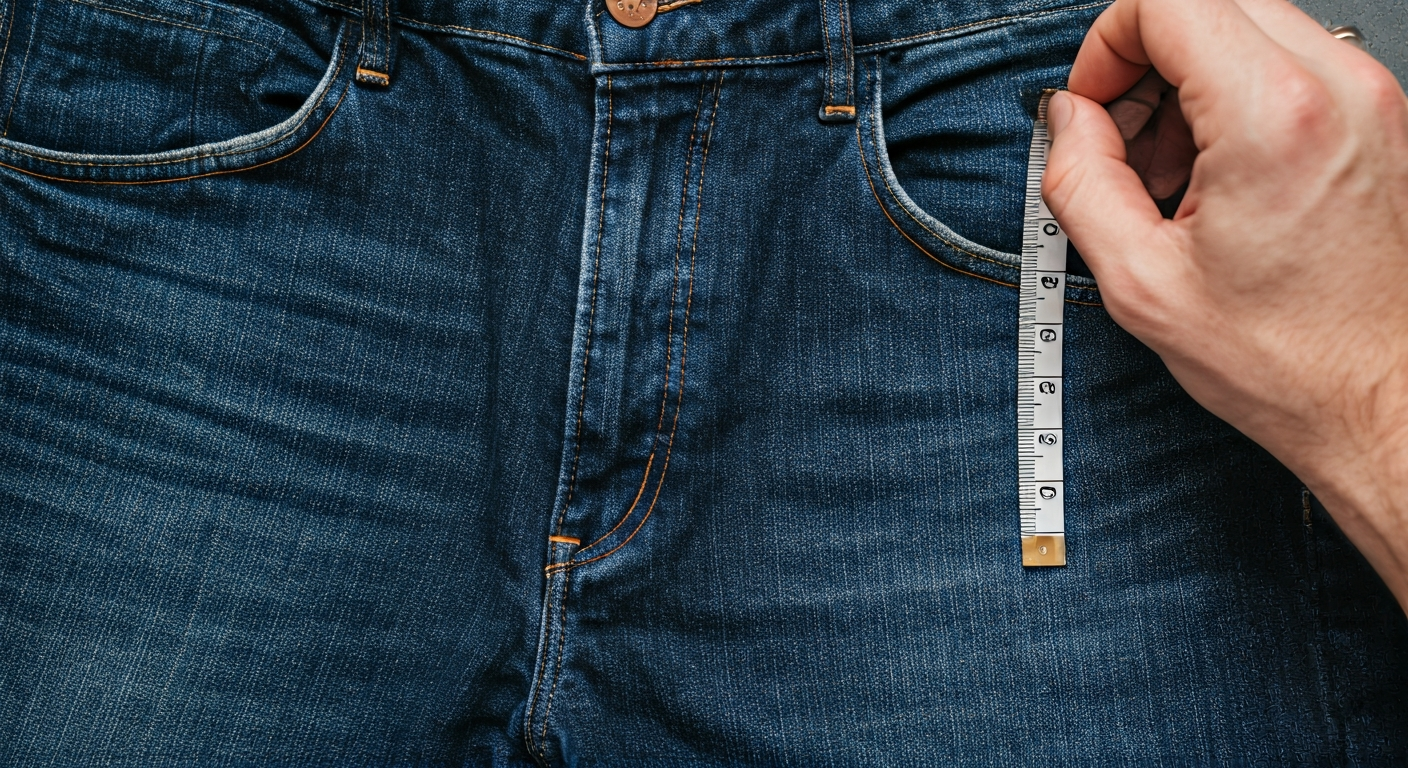
A close-up shot of a person using a yellow flexible tape measure to accurately measure their inseam, with the text "INSEAM TOOLS" visible on a neutral background.

A flexible tape measure is the most versatile and recommended tool for measuring inseam due to its adaptability to body contours. For accurate results, pair it with a flat, rigid ruler for initial marking, or consider a specialized inseam measuring device. Ensure the tool has clear, legible markings in both inches and centimeters for broader utility.
20 Found This Helpful
Read Guide
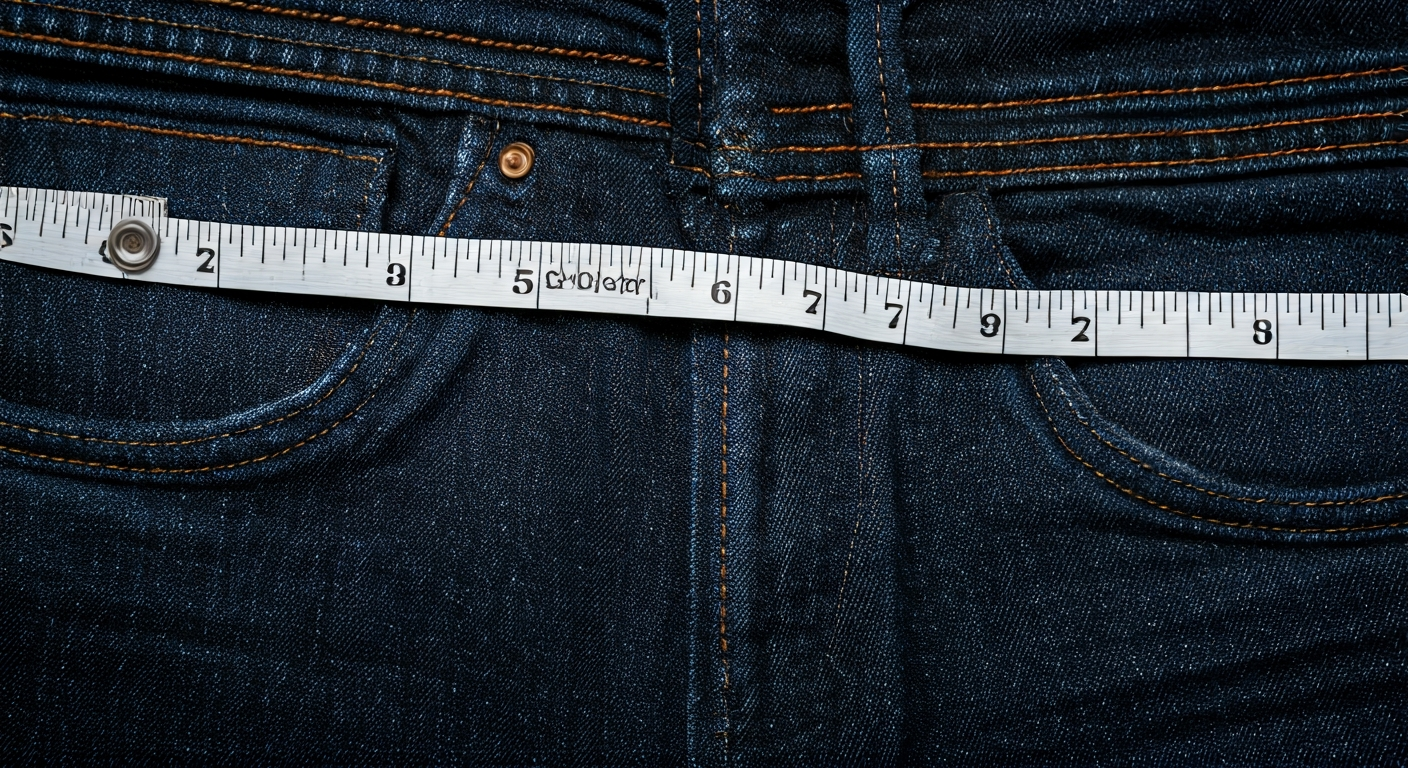
A close-up shot of a person accurately measuring the inseam of a pair of blue denim jeans laid flat on a neutral surface, with a fabric measuring tape stretching from the crotch seam to the bottom hem. The words 'INSEAM MEASURED' are subtly integrated into the image.

To measure inseam from existing pants, lay a well-fitting pair flat and smooth on a hard surface. Locate the crotch seam (where the four seams meet) and measure straight down the inside leg to the bottom hem, ensuring the fabric is not stretched or bunched. This provides an accurate inseam length, enabling you to replicate your preferred fit for new clothing purchases confidently and independently.
14 Found This Helpful
Read Guide
A tailor's flexible tape measure extending along the inner seam of a neatly folded pair of dark blue jeans, illustrating how to measure the inseam, with 'INSEAM FIT' text on the jeans.

The inseam is the measurement from the crotch seam to the bottom hem of a pant leg. It is crucial for achieving proper clothing fit, influencing both comfort and aesthetics. An accurate inseam ensures pants are not too long (causing tripping or dragging) or too short (appearing ill-fitting), directly impacting the overall look and feel of garments, especially trousers and jeans.

20 Found This Helpful
Read Guide
BroadMatters LogoBroadMatters

Clear, simple guides and everyday explanations to help you solve common problems with confidence.

Stay Updated

Get our latest guides and simple tips delivered directly to your inbox.

By joining, you agree to our Terms and Privacy Policy.

© 2026 BroadMatters Help Center. All rights reserved.

contact@broadmatters.com