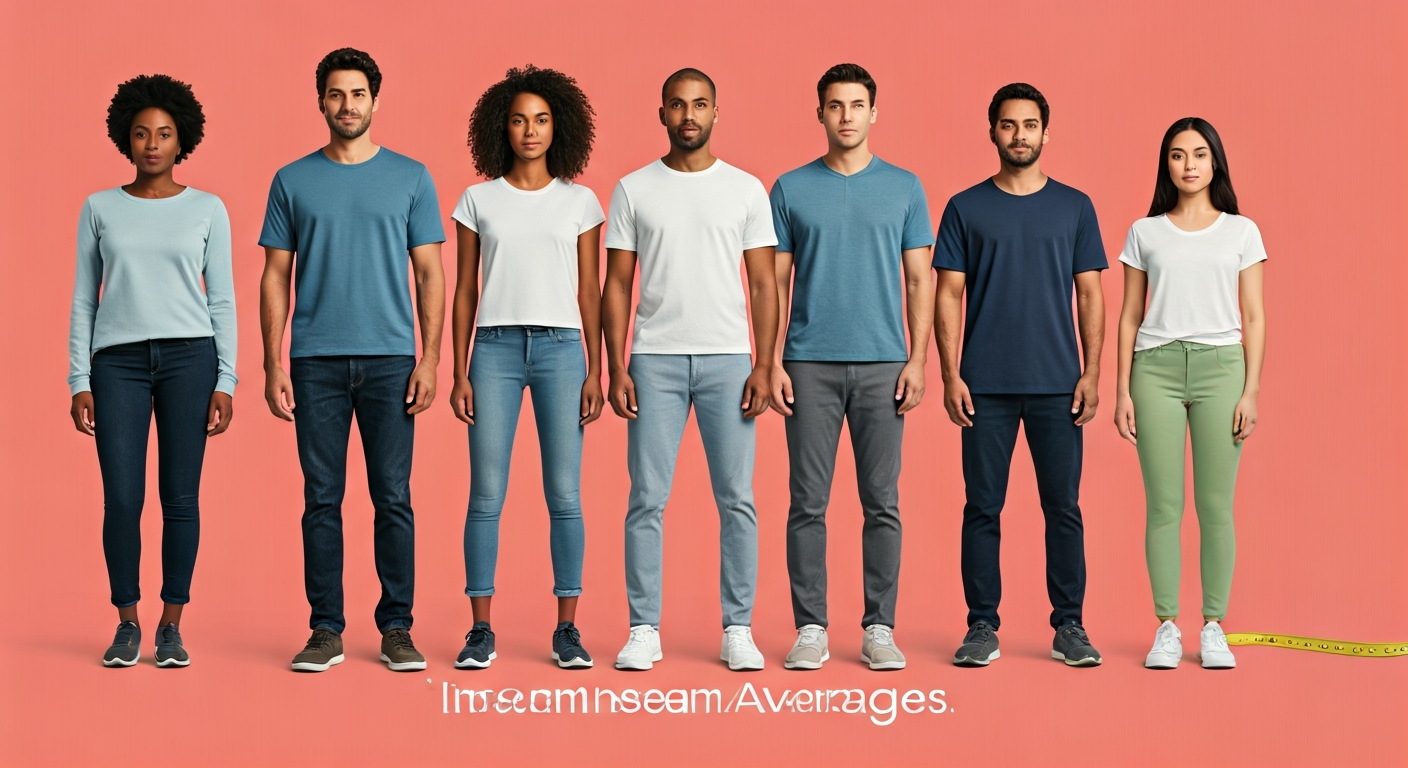
A diverse group of men and women standing with confidence, with a visual representation of inseam measurements and the text 'Inseam Averages' integrated into the scene.
How To

Average Inseam Lengths: What to Expect for Men, Women, and Different Heights

A
Ali Hassan
Writer
The Answer
Average inseam lengths vary significantly by gender and height, serving as a critical measurement for comfortable and well-fitting clothing. For men, averages typically range from 28 to 34 inches, while for women, they generally fall between 26 and 32 inches. These figures shift based on individual height and body proportions, making personalized measurement essential for optimal apparel selection.
Understanding average inseam lengths is fundamental for anyone looking to purchase well-fitting trousers, jeans, or other legwear. The inseam, defined as the distance from the crotch to the bottom of the leg opening, dictates how garments hang and fall on the body. This measurement is not one-size-fits-all; it varies considerably between men and women, and is directly influenced by individual height and body build. While personal measurements offer the most accuracy, knowing the general averages can provide a valuable starting point for sizing and help you make more informed purchasing decisions, whether shopping online or in-store. This guide explores the typical inseam lengths you can expect across various demographics, ensuring you can confidently navigate clothing sizes and achieve a superior fit.

Standard Inseam Lengths: A Quick Reference Chart

Height RangeAverage Men's Inseam (inches)Average Women's Inseam (inches)
Under 5'2" (157 cm)N/A26-28
5'2" - 5'5" (157 - 165 cm)28-3028-30
5'6" - 5'9" (168 - 175 cm)30-3230-32
5'10" - 6'1" (178 - 185 cm)32-3432-34
Over 6'1" (185 cm)34-36+34-36+

Decoding Average Inseam Lengths by Gender and Height

The provided chart offers a general guideline for average inseam lengths, illustrating the typical ranges for men and women across different height categories. It's crucial to understand that these are averages and individual body proportions can lead to significant variations. For instance, two people of the same height might have different inseam measurements due to differences in torso length versus leg length. This natural human variability underscores why a personalized approach to measurement is always recommended over relying solely on general tables.
Gender also plays a notable role in average inseam lengths. Generally, women tend to have proportionately longer legs relative to their height compared to men, which can sometimes lead to similar inseam measurements despite differences in overall stature. However, clothing manufacturers often account for these gender-specific body shapes in their designs, meaning a 'men's 32-inch inseam' might fit differently than a 'women's 32-inch inseam' even if the numerical measurement is identical. This is due to variations in rise, hip room, and thigh circumference.
When referencing these averages, consider them a starting point for broad categorization. For precise garment fitting, especially for tailored clothing or specific brands, always perform your own measurement. This awareness helps you make more informed decisions, reducing the likelihood of ill-fitting clothes and enhancing your overall comfort and appearance. Understanding these benchmarks can also assist in estimating sizing for others or for situations where direct measurement isn't immediately possible.

How to Accurately Measure Your Inseam at Home

  • Find a pair of pants that fit you well in the crotch and leg length, preferably without a hem.
  • Lay the pants flat on a clean, level surface, smoothing out any wrinkles.
  • Fold one leg over to expose the inner seam clearly.
  • Locate the crotch seam where the inner leg seams meet.
  • Place the end of a measuring tape at the very top of the crotch seam.
  • Extend the tape straight down the inner seam to the bottom of the pant leg opening.
  • Record the measurement in inches (or centimeters) to the nearest quarter inch.
  • For a more detailed guide on how to perform this crucial measurement accurately, refer to our comprehensive article: How to Measure Inseam Accurately.

Beyond Height: Other Factors Affecting Inseam Length

  • Body Proportions: Not all individuals of the same height have the same leg length relative to their torso. Some people are 'long-waisted' with shorter legs, while others are 'short-waisted' with longer legs.
  • Ethnicity: Anthropometric studies, such as data compiled from the National Health and Nutrition Examination Survey (NHANES), show that average body proportions, including leg length, can vary across different ethnic groups. This contributes to the broad range of 'average' inseams.
  • Age: While less dramatic than height or gender, age can influence posture and slight changes in body composition that might subtly affect how an inseam measurement is perceived or how clothing sits.
  • Footwear Choice: The type of shoes you typically wear (flats, heels, boots) will influence the perceived ideal inseam length for your pants, as a pant intended for heels will need to be longer.
  • Desired Style and Fit: Modern fashion trends dictate varying ideal inseam lengths. Some prefer a 'cropped' look, while others opt for a 'stacked' or 'break' aesthetic where the fabric bunches slightly at the ankle. This personal style preference directly impacts your desired inseam.
  • Clothing Rise: The 'rise' of a pant (low, mid, high) can affect how the inseam feels and appears, even if the measured length is correct. A higher rise can make a pant feel longer overall, while a lower rise might make it seem shorter.

The Impact of Correct Inseam Length on Comfort and Appearance

Choosing the correct inseam length extends far beyond a numerical measurement; it profoundly influences the comfort, aesthetic appeal, and functional utility of your clothing. Pants that are too short can appear ill-fitting and unprofessional, exposing ankles or socks unintentionally. Conversely, pants that are too long can drag on the ground, fraying the fabric, becoming a tripping hazard, and accumulating dirt. A precise inseam ensures that the garment falls correctly, creating a clean line and an optimal silhouette.
For activities like cycling or hiking, an accurate inseam prevents fabric from getting caught in gears or impeding movement. In professional settings, a well-hemmed pair of trousers projects an image of attention to detail and professionalism. The right inseam also complements your footwear, allowing pants to sit perfectly over shoes without excessive pooling or an awkward gap. This subtle detail significantly elevates your overall presentation and comfort throughout the day.
Understanding your personal ideal inseam, rather than just relying on averages, empowers you to make smarter choices when shopping. This knowledge is especially valuable in an era of diverse fashion trends and online retail, where trying on garments is not always an option. To delve deeper into how to select the best length for different types of pants and occasions, explore our dedicated guide on Choosing the Right Inseam Length.

Inseam Sizing: Key Statistics

Over 60%
Adults reporting discomfort with clothing fit
Highlighting a common issue often related to incorrect measurements like inseam.
Up to 50%
Online apparel returns attributed to poor fit
Emphasizing the financial and environmental impact of improper sizing, including inseam.
1-2 inches
Average difference in inseam for same height, different genders
Illustrating gender-specific proportional variations.

Summary: Mastering Your Inseam for Perfect Fit

Key Takeaways

  • Average inseam lengths serve as useful benchmarks but are influenced by gender, height, and individual body proportions.
  • Men's average inseams typically range from 28 to 36 inches, while women's range from 26 to 34 inches.
  • Accurate personal measurement from the crotch seam to the desired hem is crucial for optimal clothing fit and comfort.
  • Factors like body type, desired style, and footwear should be considered when choosing an inseam length.
  • Reliance on averages alone can lead to ill-fitting garments; always prioritize personal measurements and brand-specific size guides.

Frequently Asked Questions About Inseam Lengths

Was this guide helpful?

Your feedback helps our writers improve this help center.

Helpful for 2 readers

About the Author

A
Ali Hassan
Expert Author
Writer

"Professional writer."

Related Guides

See All Topics
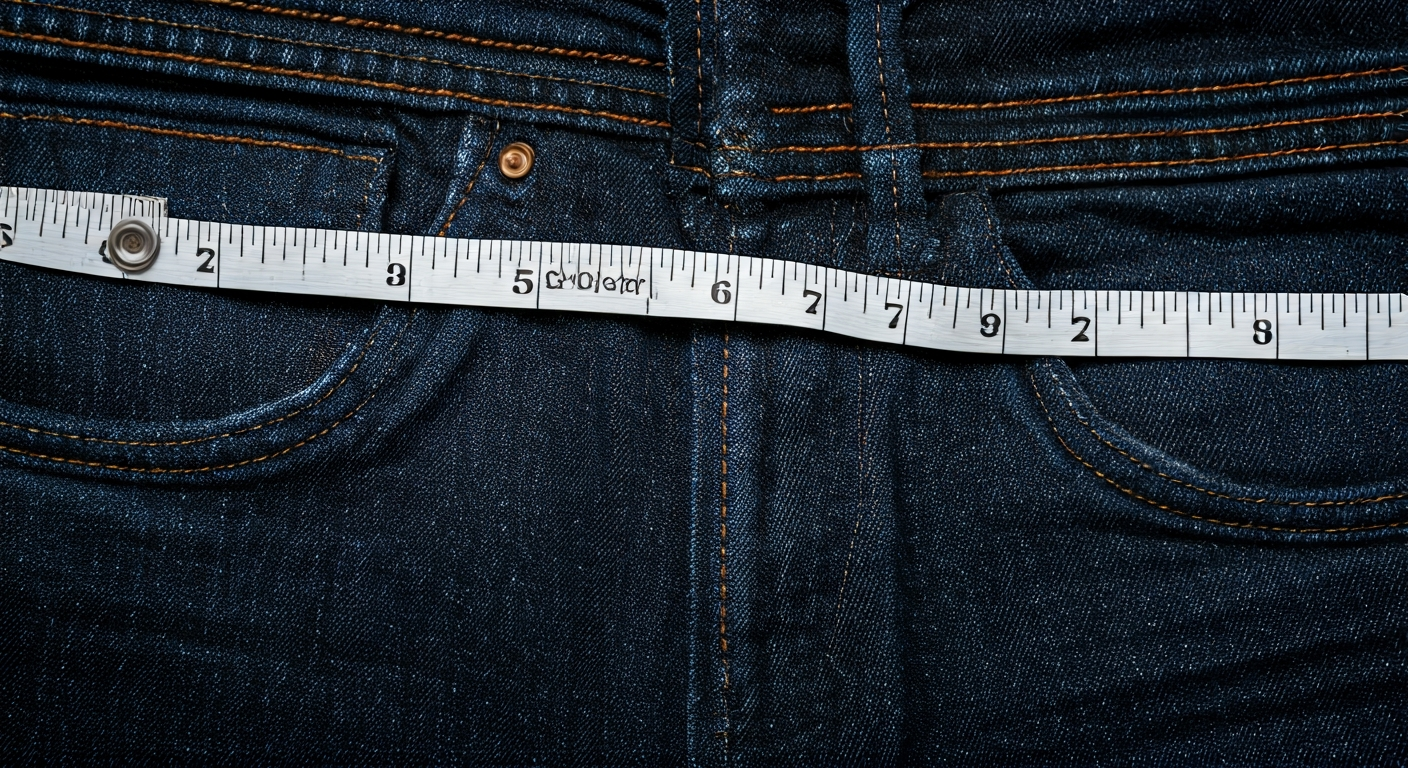
A tailor's flexible tape measure extending along the inner seam of a neatly folded pair of dark blue jeans, illustrating how to measure the inseam, with 'INSEAM FIT' text on the jeans.

The inseam is the measurement from the crotch seam to the bottom hem of a pant leg. It is crucial for achieving proper clothing fit, influencing both comfort and aesthetics. An accurate inseam ensures pants are not too long (causing tripping or dragging) or too short (appearing ill-fitting), directly impacting the overall look and feel of garments, especially trousers and jeans.

20 Found This Helpful
Read Guide
A person wearing well-fitting dark trousers with a subtle 'slight break' over their shoes, demonstrating the ideal inseam length. The image highlights the clean lines and proper drape of the fabric over the footwear. Text overlay says 'Perfect Pant Length'.

Selecting the right inseam involves accurately measuring your current inseam, considering your desired pant style (e.g., skinny, straight, bootcut), and factoring in your preferred footwear and body type. The 'ideal' length balances aesthetic appeal, comfort, and the pant's intended 'break' or drape over your shoes, often requiring a personalized approach beyond generic sizing.
8 Found This Helpful
Read Guide
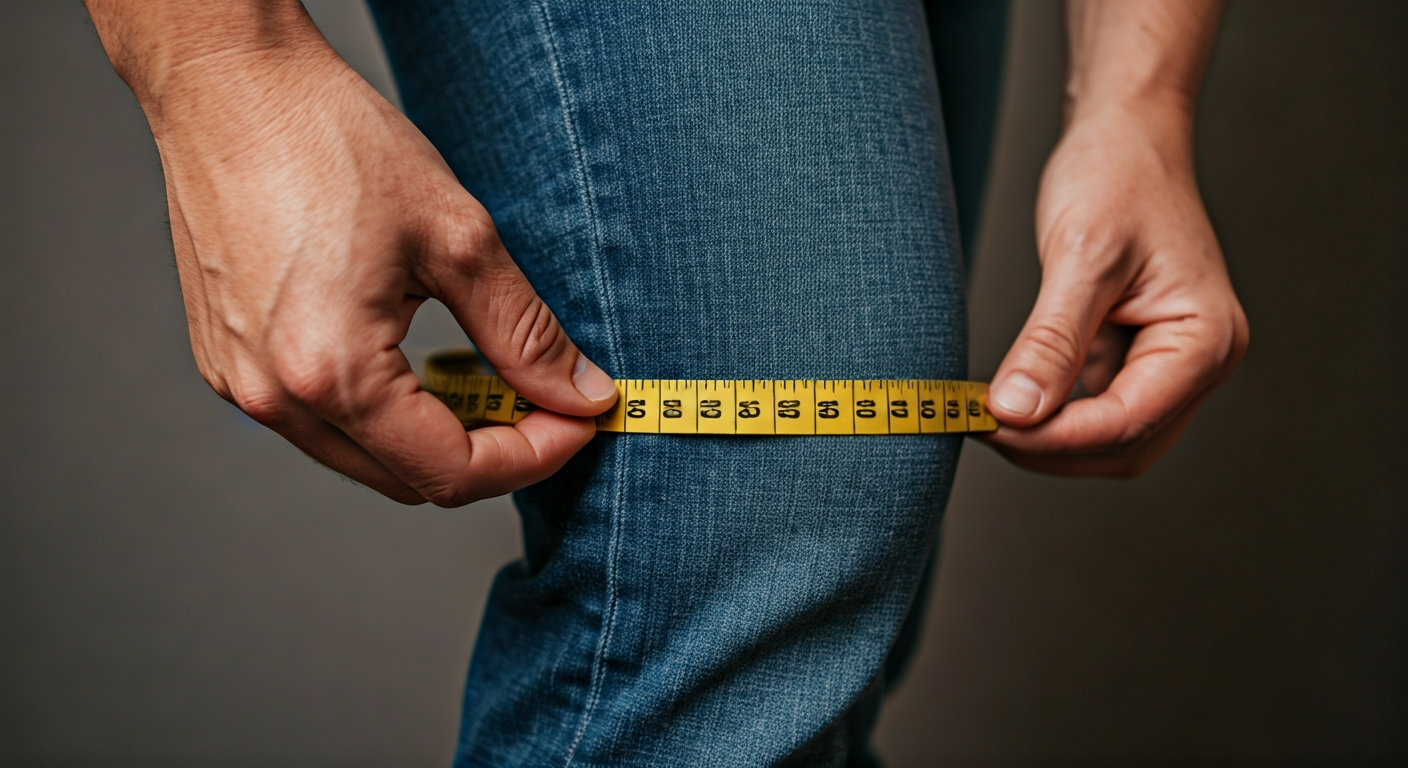
A close-up shot of a person using a yellow flexible tape measure to accurately measure their inseam, with the text "INSEAM TOOLS" visible on a neutral background.

A flexible tape measure is the most versatile and recommended tool for measuring inseam due to its adaptability to body contours. For accurate results, pair it with a flat, rigid ruler for initial marking, or consider a specialized inseam measuring device. Ensure the tool has clear, legible markings in both inches and centimeters for broader utility.

20 Found This Helpful
Read Guide
BroadMatters LogoBroadMatters

Clear, simple guides and everyday explanations to help you solve common problems with confidence.

Stay Updated

Get our latest guides and simple tips delivered directly to your inbox.

By joining, you agree to our Terms and Privacy Policy.

© 2026 BroadMatters Help Center. All rights reserved.

contact@broadmatters.com