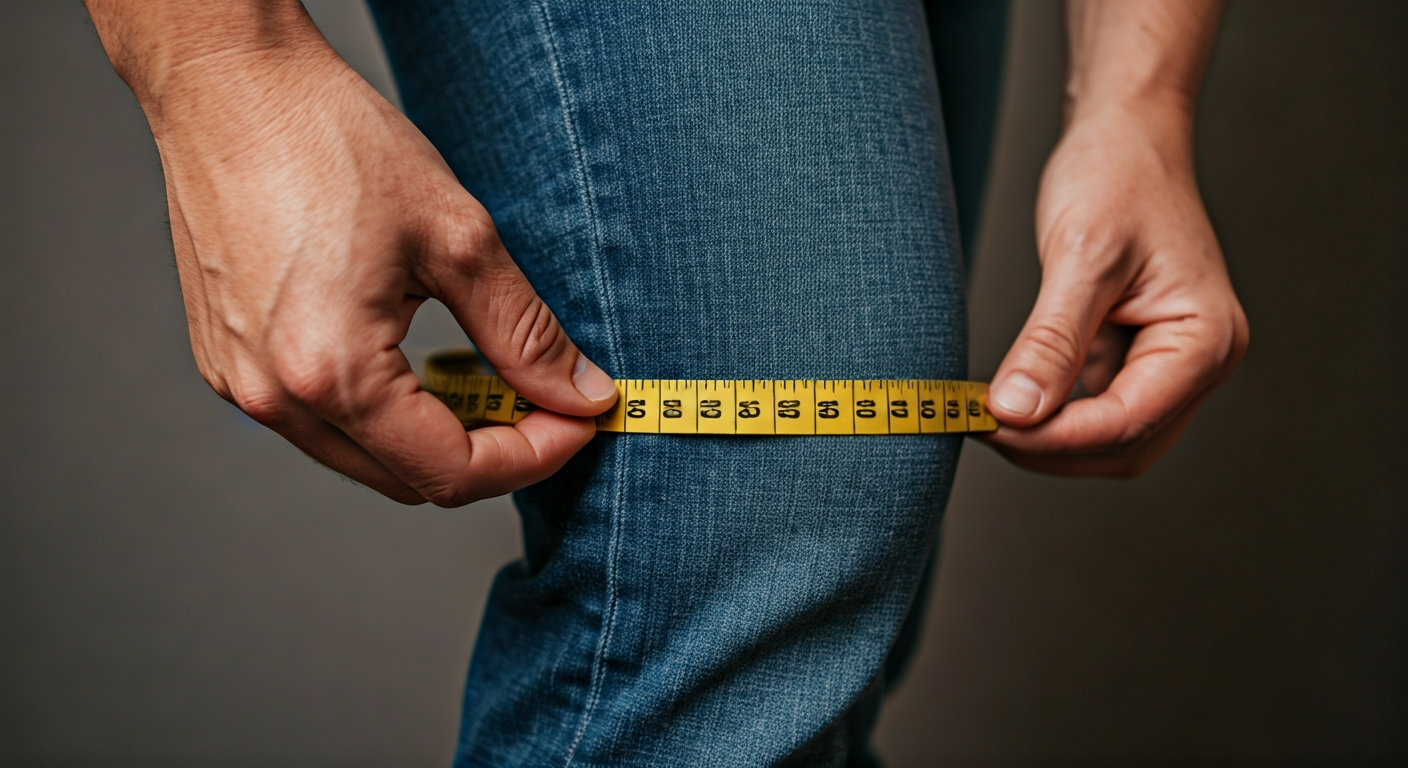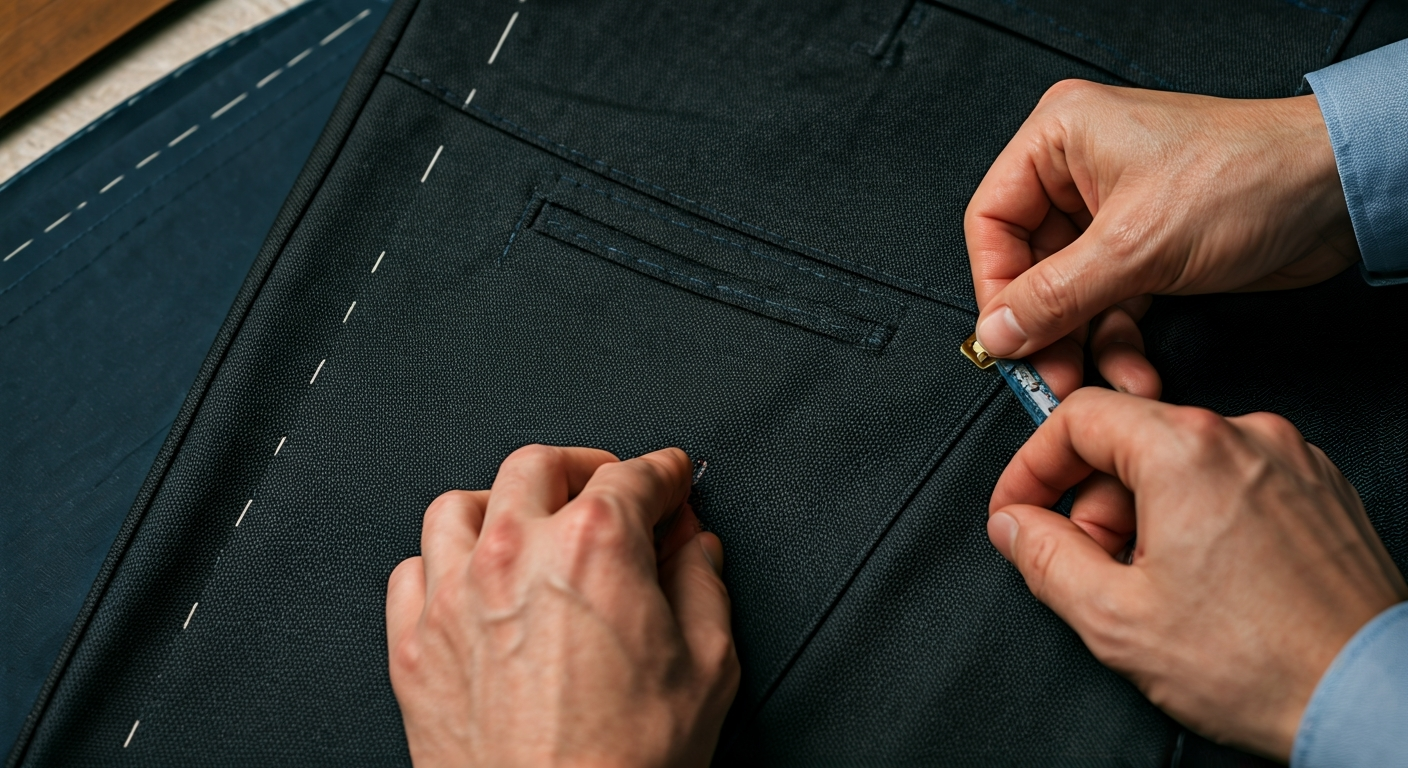
Close-up of a tailor's hands using a fabric measuring tape to accurately measure both the inseam and outseam of a pair of classic grey trousers on a flat surface.
How To

Inseam vs. Outseam: Key Differences for Tailoring and Sizing

A
Ali Hassan
Writer
The Answer
Inseam measures the length of the pant leg from the crotch seam to the hem, focusing solely on the inner leg. Outseam, conversely, measures the total length of the garment from the top of the waistband down to the hem along the outer seam. Understanding both is critical for accurate clothing sizing, tailoring, and ensuring garments achieve the intended fit and style.
Navigating the world of clothing sizes and tailoring can be complex, often made more challenging by specialized terminology. Two fundamental measurements, inseam and outseam, are frequently confused, yet each plays a distinct and vital role in how trousers, skirts, and other garments fit. Grasping the precise difference between these two measurements is not just for tailors; it's essential for anyone seeking a perfect fit, whether shopping online, buying off the rack, or altering existing clothing. This guide will clarify their definitions, measurement points, and why knowing both is indispensable for achieving optimal garment sizing and successful alterations.

Inseam vs. Outseam: A Direct Comparison

Measurement TypeStarting PointEnding PointPurpose in Garment FitKey Application
InseamCenter of the crotch seamBottom edge of the pant leg hemDetermines the length of the inner leg and where the pant breaks on the shoe.Primarily used for trousers, jeans, and shorts to specify leg length.
OutseamTop edge of the waistbandBottom edge of the garment hem (skirt, dress, or pant leg)Determines the total length of the garment, influencing overall proportion and style.Used for all bottom wear (trousers, skirts, shorts) and full-length garments like dresses and overalls.
SignificanceInternal leg length for proper break/stackOverall garment length, style, and rise contextCrucial for comfort and aesthetic leg fit.Essential for garment proportion, especially for high-waisted vs. low-waisted styles.
Measurement ContextRequires measuring along the curved seam, often best done on a well-fitting pair of pants.Straight measurement down the side seam, easier to measure on the body or hanging garment.Focuses on preventing riding up or excess fabric bunching at the ankle.Focuses on the overall fall of the garment from waist to floor or desired length.

Essential Garment Measurement Terminology

Inseam
The seam running along the inside of the leg from the crotch to the hem of the garment. It specifically quantifies the length of the inner leg.
Outseam
The seam running along the outside of the leg, from the very top of the waistband down to the hem of the garment. It represents the total length of the side of the garment.
Rise
The distance from the top of the waistband to the crotch seam. It can be front rise or back rise and significantly impacts where a garment sits on the waist (e.g., low-rise, mid-rise, high-rise).
Crotch Point
The intersection of the front and back crotch seams, and the inner leg seams. This central point is critical for starting inseam measurements.
Hem
The finished edge at the bottom of a garment or sleeve, typically created by folding and sewing the fabric to prevent fraying and provide a neat finish.

Achieving Precision: Step-by-Step Measurement Guide

1

Gather Your Tools

You will need a flexible measuring tape, a flat surface (for garments), and preferably a helper if measuring on your body. For accurate inseam measurements, consider using a pair of pants that already fit you well as a reference, or visit our detailed guide on How to Measure Inseam Accurately.
2

Measuring Your Inseam (On a Garment)

Lay your chosen pants flat, ensuring there are no wrinkles or folds. Smooth out the inner leg seams. Locate the crotch seam (where the two legs meet). Place the end of your measuring tape at this intersection and measure straight down along the inner seam to the bottom edge of the hem.
3

Measuring Your Inseam (On Your Body)

Stand straight with your feet shoulder-width apart. Have a helper measure from the very top of your inner thigh (the crotch point) down to where you want the hem of your pants to fall, typically at your ankle or slightly lower, depending on your desired 'break' over your shoes. Ensure the tape is straight and not twisted.
4

Measuring Your Outseam (On a Garment)

Lay the garment flat on a smooth surface. For pants, flatten one leg. Locate the very top edge of the waistband (not the belt loops). Place the end of your measuring tape at this point and measure straight down the outside seam to the bottom edge of the hem.
5

Measuring Your Outseam (On Your Body)

Stand straight with your feet together. Have a helper measure from the very top of your natural waist (or where you intend the waistband of your garment to sit) down the side of your leg to where you want the hem to fall. For skirts or dresses, measure from the waist to the desired length.
6

Record and Verify

Always record your measurements precisely. It's often helpful to take each measurement twice to ensure accuracy. Compare your measurements to sizing charts provided by clothing brands, as these can vary. Remember, these measurements are your personal reference points.

The Impact on Garment Fit, Style, and Alterations

The distinction between inseam and outseam is paramount for achieving a flattering and comfortable fit. The inseam primarily dictates the perceived length of your legs and the 'break' of your pants over your shoes. A perfectly measured inseam ensures trousers don't bunch excessively at the ankle or appear too short, giving a polished look. For different styles, the ideal inseam can vary; for example, skinny jeans might have a longer inseam for a 'stacked' look, while tailored dress pants aim for a clean single break or no break. Understanding what defines a good fit for different styles is key, as discussed in detail in our guide What Is Inseam Clothing Fit.
Conversely, the outseam provides the overall length of the garment and is crucial for maintaining proper proportions, especially with varying rises. For high-waisted pants, a longer outseam is needed to account for the additional fabric above the crotch, even if the inseam remains similar to a mid-rise pair. Tailors rely heavily on both measurements. The inseam is typically adjusted for leg length, while the outseam is considered for overall garment balance and ensuring pockets and other design elements remain in their intended positions relative to the total length. A professional tailor uses these measurements to ensure your altered garments not only fit your body but also align with the original design intent and your personal style preferences.
When dealing with specialized garments like overalls or jumpsuits, the outseam becomes even more critical as it encompasses the entire vertical measurement from shoulder or bust to hem, while the inseam focuses solely on the leg portion. Disregarding either measurement can lead to garments that are too long or too short overall, or pants that sag in the crotch or ride up uncomfortably. For precise garment construction and alteration, tailors often refer to industry standards for measuring, such as those discussed by reputable sources like Threads Magazine's guides on accurate body measurements for sewing.

Navigating Online Sizing and Custom Orders with Confidence

Online shopping, while convenient, introduces a significant challenge: the inability to try on clothes. This makes understanding inseam and outseam absolutely vital. Many online retailers provide detailed sizing charts that include both measurements, particularly for pants. By knowing your own accurate inseam and outseam, you can cross-reference these charts with confidence, drastically reducing the chances of ordering ill-fitting items and the hassle of returns. Always remember that sizing can vary significantly between brands, so relying on your body's specific measurements rather than a generic 'size' is a best practice.
For custom-made clothing or bespoke tailoring, providing both inseam and outseam measurements is non-negotiable. Custom tailors use the outseam to establish the overall length from the waist, factoring in the garment's rise and your desired hemline. The inseam then refines the fit of the inner leg. This dual approach ensures the garment not only reaches the correct length but also fits comfortably around the crotch and inner thigh, preventing common issues like a restrictive feel or unsightly bagging. Without both, a tailor would be making educated guesses, which defeats the purpose of a custom fit.
Furthermore, gender often plays a role in how these measurements are presented and used. Men's pants sizing traditionally emphasizes the waist and inseam, with outseam being a less commonly advertised measurement in ready-to-wear. Women's sizing, however, can be more complex, often using outseam for skirts and dresses, and sometimes combining a waist/hip measurement with an inseam for trousers. To further explore the comprehensive terminology used in the fashion industry for these and other measurements, a resource like the Fashion Institute of Technology's Glossary can provide valuable context.

Mastering Your Garment Fit: Key Takeaways

Key Takeaways

  • Inseam is the measurement from the crotch seam to the hem, focusing on the inner leg length, crucial for how pants fall on your shoes.
  • Outseam is the measurement from the top of the waistband to the hem along the outside seam, providing the total garment length and reflecting its rise.
  • Always measure both on yourself or a well-fitting garment to ensure accuracy for tailoring and online purchases.
  • Accurate measurements prevent common fit issues like sagging, riding up, or incorrect hem lengths, enhancing comfort and style.
  • Understanding these differences empowers you to make informed decisions when buying clothes, leading to a wardrobe that fits better and looks more polished.

Common Questions About Inseam and Outseam

Was this guide helpful?

Your feedback helps our writers improve this help center.

Helpful for 17 readers

About the Author

A
Ali Hassan
Expert Author
Writer

"Professional writer."

Related Guides

See All Topics
A close-up shot of a person using a yellow flexible tape measure to accurately measure their inseam, with the text "INSEAM TOOLS" visible on a neutral background.

A flexible tape measure is the most versatile and recommended tool for measuring inseam due to its adaptability to body contours. For accurate results, pair it with a flat, rigid ruler for initial marking, or consider a specialized inseam measuring device. Ensure the tool has clear, legible markings in both inches and centimeters for broader utility.
20 Found This Helpful
Read Guide
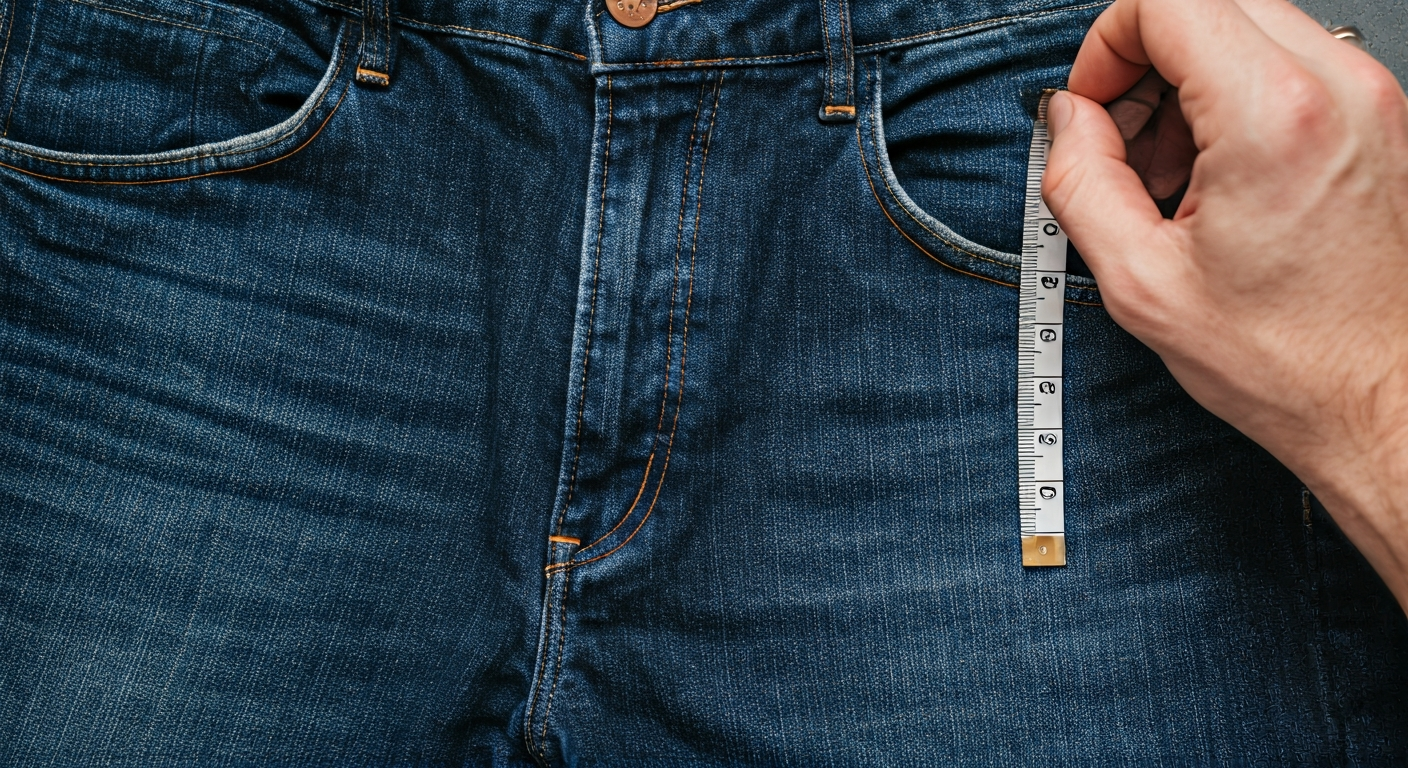
A close-up shot of a person accurately measuring the inseam of a pair of blue denim jeans laid flat on a neutral surface, with a fabric measuring tape stretching from the crotch seam to the bottom hem. The words 'INSEAM MEASURED' are subtly integrated into the image.

To measure inseam from existing pants, lay a well-fitting pair flat and smooth on a hard surface. Locate the crotch seam (where the four seams meet) and measure straight down the inside leg to the bottom hem, ensuring the fabric is not stretched or bunched. This provides an accurate inseam length, enabling you to replicate your preferred fit for new clothing purchases confidently and independently.
14 Found This Helpful
Read Guide
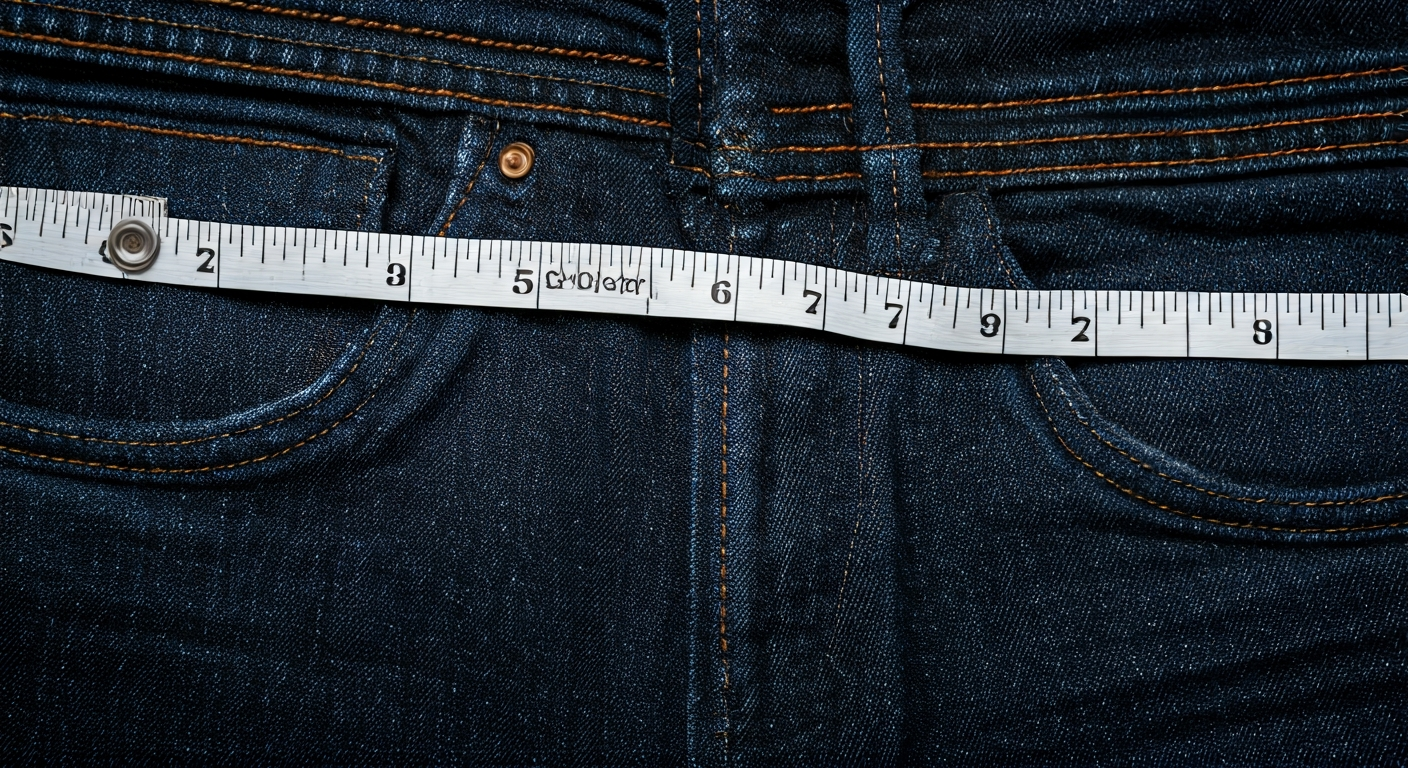
A tailor's flexible tape measure extending along the inner seam of a neatly folded pair of dark blue jeans, illustrating how to measure the inseam, with 'INSEAM FIT' text on the jeans.

The inseam is the measurement from the crotch seam to the bottom hem of a pant leg. It is crucial for achieving proper clothing fit, influencing both comfort and aesthetics. An accurate inseam ensures pants are not too long (causing tripping or dragging) or too short (appearing ill-fitting), directly impacting the overall look and feel of garments, especially trousers and jeans.

20 Found This Helpful
Read Guide
BroadMatters LogoBroadMatters

Clear, simple guides and everyday explanations to help you solve common problems with confidence.

Stay Updated

Get our latest guides and simple tips delivered directly to your inbox.

By joining, you agree to our Terms and Privacy Policy.

© 2026 BroadMatters Help Center. All rights reserved.

contact@broadmatters.com