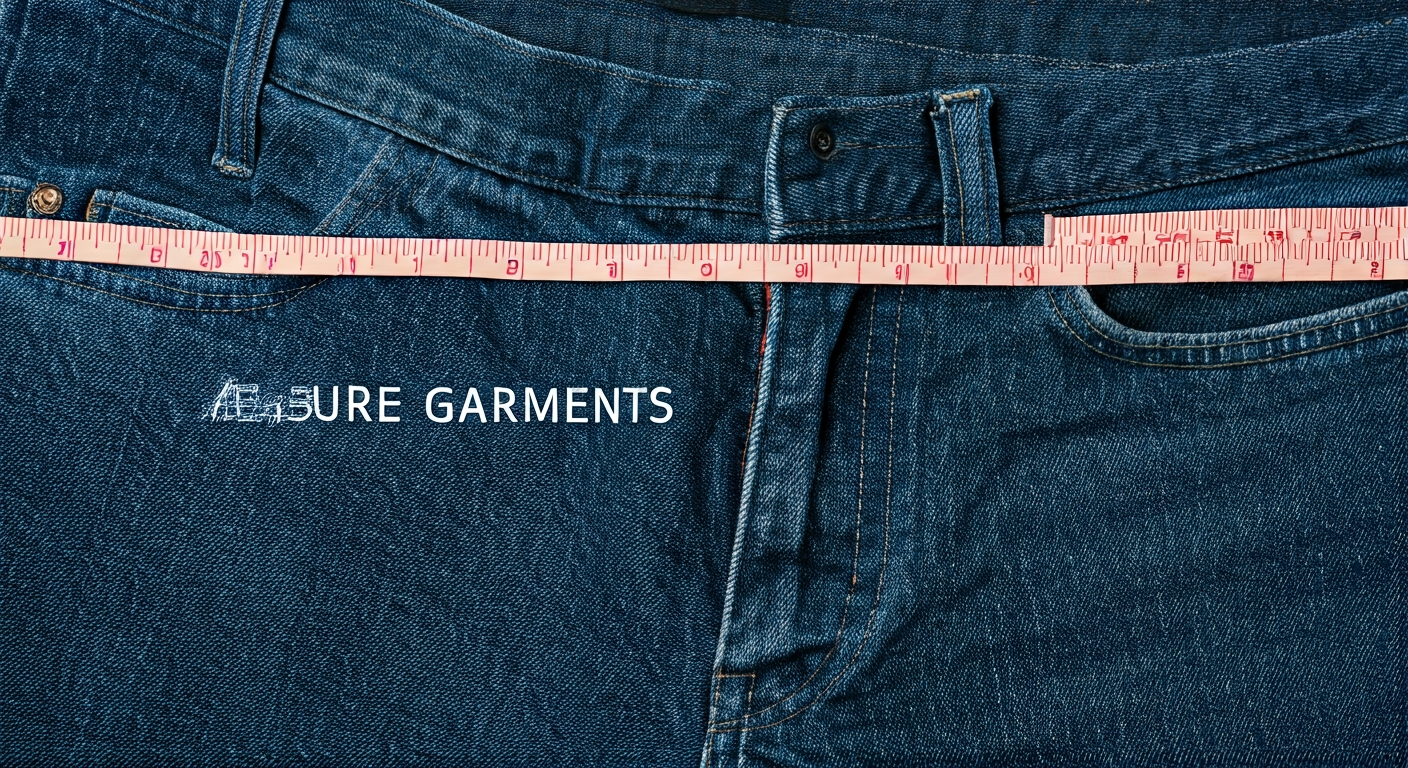
A tape measure draped across the waistbands and legs of three distinct garments: blue denim jeans, grey dress pants, and black cycling shorts, illustrating the precise measurement process. The text 'MEASURE GARMENTS' is subtly integrated.
How To

How to Measure for Specific Garments: Jeans, Dress Pants, and Cycling Shorts

A
Ali Hassan
Writer
The Answer
Measuring for jeans, dress pants, and cycling shorts requires specific considerations beyond a general inseam. For jeans, focus on waist, hip, and a firm inseam to the desired hem. Dress pants need accurate waist, hip, and a relaxed inseam considering the pant break. Cycling shorts prioritize compression, requiring precise waist, hip, and thigh measurements for a snug, performance-oriented fit, often with a shorter inseam.
Achieving the perfect fit for your clothing is paramount, not just for aesthetics but also for comfort and functionality. While a general understanding of body measurements is a good start, different garment types demand highly specific measurement approaches. Rigid denim jeans, designed for durability and a particular silhouette, require different considerations than fluid dress pants, which prioritize drape and elegance. Similarly, performance-oriented cycling shorts have unique fit requirements to maximize comfort and efficiency during activity. This guide delves into the nuances of measuring for these distinct garments, ensuring that you account for fabric properties, intended use, and style preferences. By understanding these specific measurement techniques, you can avoid common fitting issues, reduce the need for alterations, and ultimately enhance your wardrobe with garments that feel custom-made.

Step-by-Step Guide to Garment-Specific Measurements

1

Step 1: Preparation and Essential Tools

Before you begin, gather a flexible tape measure (preferably fabric), a pen, and paper. Wear minimal clothing or tight-fitting undergarments to ensure accurate measurements. Stand upright with good posture, distributing your weight evenly. For inseam measurements, it's helpful to have a second person assist you to ensure precision. Make sure to record all measurements immediately.
2

Step 2: Measuring for Jeans (Rigid & Stretch Denim)

For jeans, focus on the waist, hip, thigh, and inseam. For the waist, measure where you typically wear your jeans, which might be below your natural waist. The hip measurement should be taken around the fullest part of your hips and buttocks. For the thigh, measure around the widest part of one thigh. For the inseam, measure from the crotch seam straight down to where you want the hem to fall, considering footwear and desired break. For stretch denim, you might consider sizing down slightly, as the fabric will give over time. Always check the brand's specific size chart as vanity sizing is common in denim.
3

Step 3: Measuring for Dress Pants (Woven & Blends)

Dress pants often require a more formal fit. Measure your natural waist, which is usually the narrowest part of your torso, above your belly button. Take your hip measurement at the fullest part. The inseam is crucial for the 'break' of the pant leg (how much the fabric folds over your shoes). Measure from the crotch seam down to where you want the hem to hit the top of your shoe. Consider if you prefer a 'no break,' 'slight break,' or 'full break.' Refer to choosing the right inseam length for detailed guidance on achieving the perfect break. Also, consider measuring the rise (front and back) from the top of the waistband to the crotch seam, as this impacts comfort and style.
4

Step 4: Measuring for Cycling Shorts (Performance Fit)

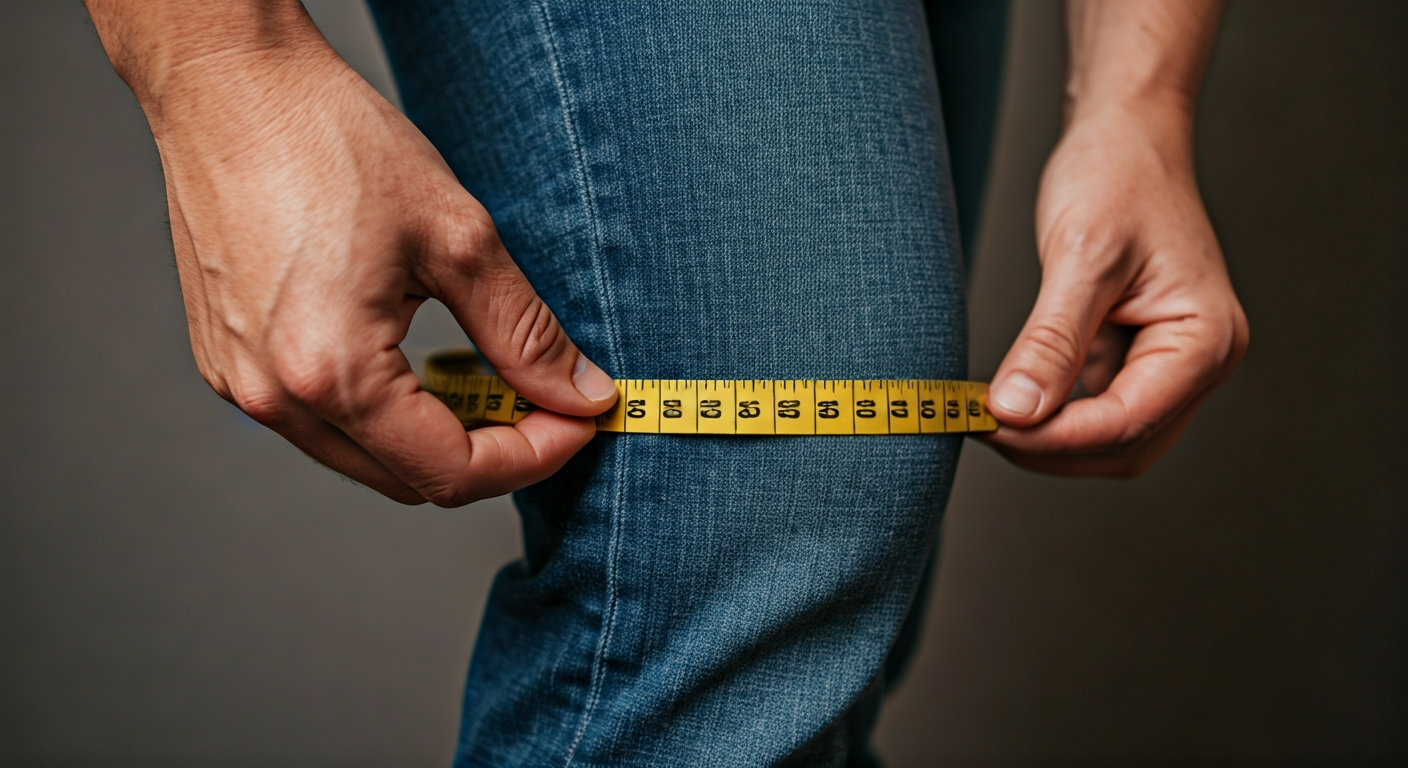
Cycling shorts prioritize a compressive, second-skin fit for performance and comfort. Measure your waist at the natural waistline, but expect the garment to sit slightly lower for cycling. Your hip measurement should be taken at the fullest part. Crucially, measure your thigh circumference around the widest part, about 4-6 inches above the knee, as this determines the grip and compression of the leg opening. The inseam for cycling shorts is typically shorter and is measured from the crotch to the desired leg length, usually mid-thigh, to avoid chafing and interference with pedaling. Remember that different brands and types (bib shorts vs. shorts) may have slight variations in their sizing charts, so always consult the manufacturer's guide for the best fit.
5

Step 5: Understanding Fabric Stretch and Fit Preferences

Fabric composition plays a significant role in how measurements translate to fit. Rigid denim will feel tighter than stretch denim of the same measurement. Woven dress pants have little give, while performance cycling shorts with high spandex content are designed to compress. Consider your personal preference for fit – do you like a loose, relaxed fit, or a snug, tailored feel? These preferences will influence how you interpret your body measurements against a brand's size chart. For example, a relaxed-fit jean might require a slightly larger waist measurement in the garment than a slim-fit jean, even if your body measurement is the same.
6

Step 6: Recording and Comparing Measurements

Always record your measurements accurately and keep them handy. When shopping, compare your body measurements directly with the garment's size chart, not just the stated size number, as these can vary wildly between brands ('vanity sizing'). If your measurements fall between two sizes, consider the garment's intended fit and fabric stretch. For items like dress pants, it's often safer to size up slightly and have a tailor make adjustments, especially for the waist and inseam, as taking fabric in is easier than letting it out.
7

Step 7: Accounting for Garment Rise and Leg Opening

Beyond basic circumference and length, pay attention to rise (low, mid, high) which dictates where the waistband sits, and leg opening, which defines the pant's silhouette (skinny, straight, bootcut, tapered). While not direct body measurements, these garment specifications are critical for the overall look and feel. For dress pants, the rise affects how the shirt tucks in, and for jeans, it impacts comfort during movement. Cycling shorts also have specific paneling and rise designs to optimize comfort on the bike, often higher at the back.

The Nuances of Fabric, Fit, and Functionality

The type of fabric and its inherent properties significantly dictate how a garment will fit and feel, even with precise measurements. Denim, for example, ranges from rigid 100% cotton to highly stretchy blends with elastane. A pair of rigid denim jeans will initially feel much tighter at the waist and hips compared to a stretch pair, requiring a different approach to sizing. Stretch denim is designed to conform to the body and allow for greater movement, often 'relaxing' or stretching out slightly after wear. Understanding the fabric composition, usually found on the garment label, is crucial for interpreting how your measurements translate to the final fit.
Dress pants, commonly made from wool, wool blends, or synthetic fabrics like polyester and rayon, have distinct drapes and recovery properties. Unlike denim, these fabrics typically offer less stretch, meaning measurements for the waist, hip, and thigh must be more exact. The way a dress pant hangs, known as its 'drape,' is essential for its sophisticated look. A poor fit around the hips or thighs can ruin this drape, leading to unsightly pulling or bagging. Furthermore, the garment's intended use—for formal events versus daily office wear—might influence the desired level of comfort and exactness in fit.
Cycling shorts represent a pinnacle of performance apparel engineering. Their materials, usually a blend of nylon and spandex (Lycra), are selected for their compression, moisture-wicking, and durability properties. The fit of cycling shorts is intentionally snug to reduce drag, support muscles, and keep the crucial chamois pad securely in place. Incorrect measurements can lead to chafing, discomfort, or reduced performance. For example, a thigh measurement that is too loose will cause the leg grippers to slide up, while one that is too tight can restrict blood flow. Companies like the Textile World Magazine often publish insights into the science behind these specialized fabrics, highlighting how their unique structures demand precise sizing for optimal functionality.
Beyond the primary measurements, factors like rise (the distance from the crotch to the waistband), leg opening, and detailing (such as pleats on dress pants or chamois density in cycling shorts) all influence the final fit and comfort. For instance, a low-rise jean will sit differently on the body than a high-rise one, even if the waist circumference is measured identically. Similarly, the specific cut of a dress pant (e.g., slim fit, straight leg) will interact differently with your leg shape. Always consider these supplementary garment details in conjunction with your body measurements to achieve the ideal outcome.

Key Considerations for Each Garment Type

  • Jeans: Account for 'vanity sizing' and fabric stretch. Many brands' waist measurements are larger than the stated size. Consider if you prefer a 'skinny,' 'slim,' 'straight,' 'bootcut,' or 'relaxed' leg opening, as this impacts thigh and calf fit. Factor in denim's tendency to shrink slightly after the first wash, especially raw denim.
  • Dress Pants: The 'break' of the pant leg (how it sits on your shoe) is paramount. Ensure the waist measurement allows for comfortable sitting without gapping at the back. Consider if you prefer a flat-front or pleated style, as pleats offer more room in the hip and thigh. Fabric drape is key; avoid measurements that cause pulling or puckering.
  • Cycling Shorts: Compression is vital for muscle support and reducing fatigue. Focus on a snug but not restrictive fit. The chamois pad's position and fit are critical for comfort on the saddle; ensure it aligns correctly without bunching. Leg grippers should hold the shorts in place without digging into the skin. Bib shorts also require accurate torso length measurements for shoulder strap comfort.
  • Material Composition: Always check the fabric blend. High elastane/spandex content means more stretch and potential for sizing down. Natural fibers like cotton and wool offer less stretch and require more precise initial measurements.
  • Intended Use: Casual wear allows more leeway in fit, while performance wear (like cycling shorts) or formal wear (dress pants) demands exacting precision for comfort, function, and aesthetics.

Measurement Points Across Garment Types

Measurement PointJeans FocusDress Pants FocusCycling Shorts Focus
WaistWhere jeans naturally sit (often lower than natural waist)Natural waistline (often higher, for tailored look)Snug, performance fit at natural waist/slightly below
HipFullest part of buttocks and hips, for overall comfortFullest part, critical for drape and smooth lineFullest part, for compressive fit and panel alignment
InseamFrom crotch seam to desired hem length, considering footwearFrom crotch seam to desired 'pant break' on shoeFrom crotch seam to mid-thigh, for saddle clearance and comfort
ThighAround widest part (optional, for specific fits like 'skinny')Around widest part (optional, for tailored look and movement)Around widest part (CRITICAL, for compression and leg gripper function)
Rise (Front/Back)From crotch to top of waistband (impacts comfort/style)From crotch to top of waistband (impacts shirt tuck/formal appearance)From crotch to top of waistband (ergonomic for riding position)

Expert Tip: Always Try On with Intended Footwear

When measuring for jeans or dress pants, especially the inseam, always wear the type of shoes you plan to wear with the garment. Heels, flats, boots, or sneakers can drastically change the ideal length. A pair of dress pants measured for loafers will be too short with heels, and jeans measured for sneakers might drag on the ground with sandals. This simple step ensures your measurements account for real-world wear and prevents costly alteration mistakes.

Summary: Mastering Garment-Specific Fit

Key Takeaways

  • Accurate garment measurements are foundational for optimal fit, comfort, and style, extending beyond general body measurements.
  • Jeans require specific waist and hip measurements that consider wear-position and fabric stretch, with inseam crucial for desired hem break.
  • Dress pants demand precise natural waist, hip, and inseam measurements to ensure proper drape and an elegant 'pant break' over shoes.
  • Cycling shorts prioritize a compressive fit, necessitating accurate waist, hip, and thigh measurements for muscle support, chamois placement, and pedaling comfort.
  • Understanding fabric composition (e.g., rigid vs. stretch denim, woven vs. performance synthetics) is essential for interpreting how measurements translate to actual garment fit.
  • Always compare your body measurements to specific brand size charts and consider personal fit preferences (e.g., loose, tailored, compressive).
  • Strategic use of internal resources like how to measure inseam accurately and choosing the right inseam length, alongside external textile knowledge, enhances measurement precision and garment selection.
  • Proper measurement reduces the need for alterations, saves time, and ultimately leads to a more satisfying and functional wardrobe.

Frequently Asked Questions About Garment-Specific Measurements

Was this guide helpful?

Your feedback helps our writers improve this help center.

Helpful for 8 readers

About the Author

A
Ali Hassan
Expert Author
Writer

"Professional writer."

Related Guides

See All Topics
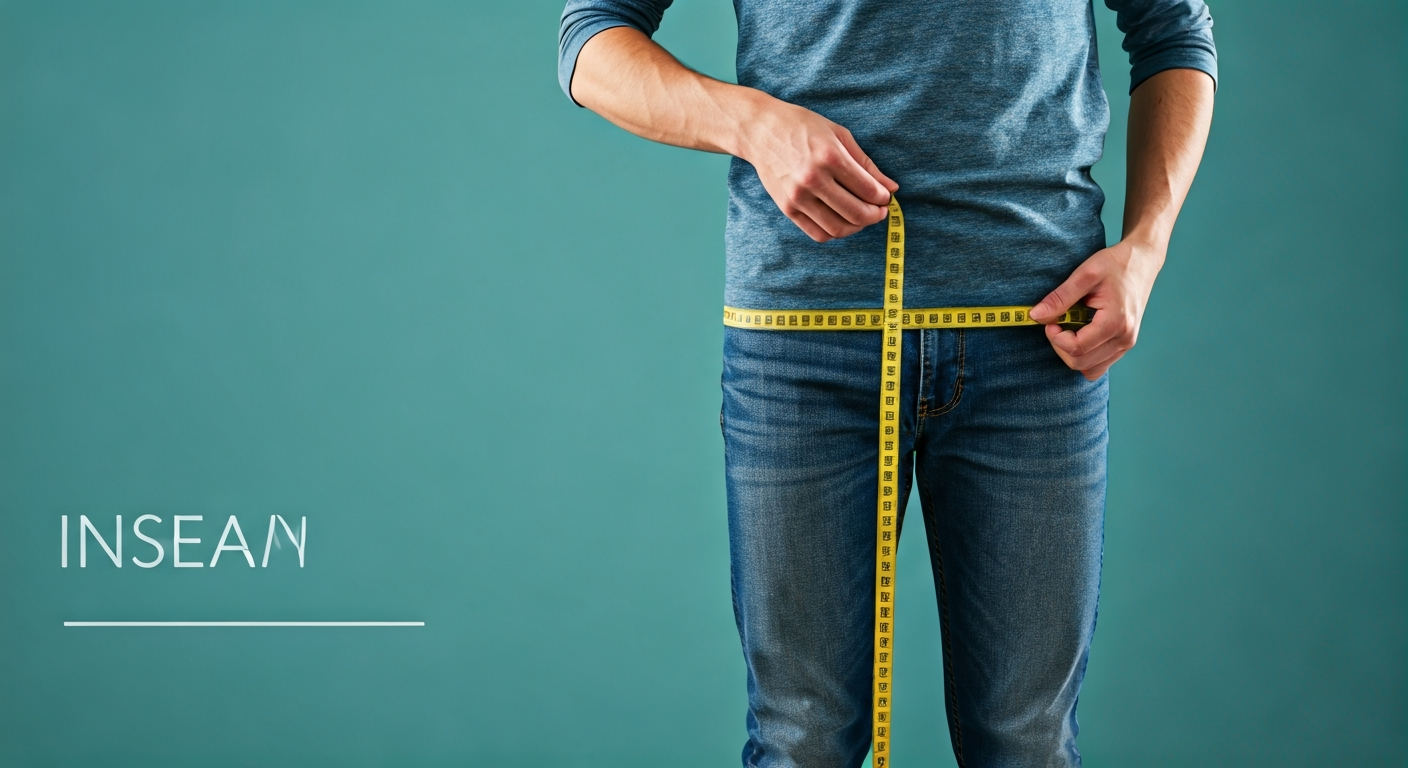
A close-up shot of a person using a yellow flexible tape measure to accurately measure their inseam, with the text "INSEAM TOOLS" visible on a neutral background.

A flexible tape measure is the most versatile and recommended tool for measuring inseam due to its adaptability to body contours. For accurate results, pair it with a flat, rigid ruler for initial marking, or consider a specialized inseam measuring device. Ensure the tool has clear, legible markings in both inches and centimeters for broader utility.
20 Found This Helpful
Read Guide
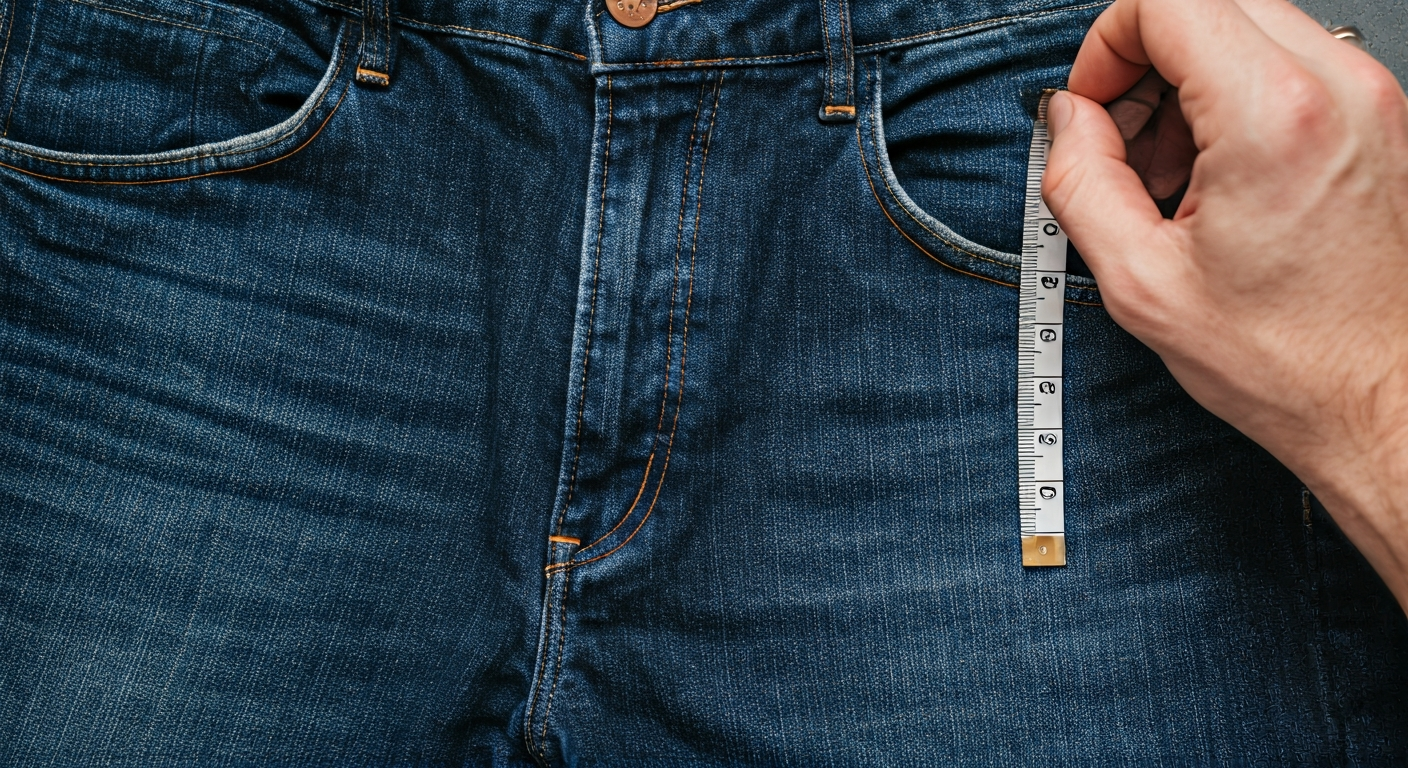
A close-up shot of a person accurately measuring the inseam of a pair of blue denim jeans laid flat on a neutral surface, with a fabric measuring tape stretching from the crotch seam to the bottom hem. The words 'INSEAM MEASURED' are subtly integrated into the image.

To measure inseam from existing pants, lay a well-fitting pair flat and smooth on a hard surface. Locate the crotch seam (where the four seams meet) and measure straight down the inside leg to the bottom hem, ensuring the fabric is not stretched or bunched. This provides an accurate inseam length, enabling you to replicate your preferred fit for new clothing purchases confidently and independently.
14 Found This Helpful
Read Guide
A person accurately measuring their own inseam with a tape measure for a custom fit of trousers.

To measure your inseam alone, wear well-fitting underwear or shorts. Stand straight, feet shoulder-width apart. Use a measuring tape, holding one end securely at your crotch where the fabric of your pants would naturally meet. Extend the tape down your inner leg to the desired hem length, typically just above the floor or to the top of your shoe, ensuring the tape is taut and straight. Read the measurement carefully.

11 Found This Helpful
Read Guide
BroadMatters LogoBroadMatters

Clear, simple guides and everyday explanations to help you solve common problems with confidence.

Stay Updated

Get our latest guides and simple tips delivered directly to your inbox.

By joining, you agree to our Terms and Privacy Policy.

© 2026 BroadMatters Help Center. All rights reserved.

contact@broadmatters.com