The Complete Guide to Steam Cleaning Your Mattress for a Healthier Sleep
How to Effectively Steam Clean Your Mattress
Prepare Your Mattress and Workspace
Pre-Treat Stubborn Stains
Fill and Heat Your Steam Cleaner
Apply Steam in Controlled Passes
Extract Moisture (If Applicable) and Dry
Flip and Repeat (If Necessary)
Allow for Full Airing and Post-Care
Understanding the Power of Steam for Mattress Hygiene
The Advantages and Considerations of Mattress Steam Cleaning
Pros
- Deep Sanitization: High-temperature steam effectively kills dust mites, bacteria, viruses, and other microorganisms embedded in the mattress fibers.
- Chemical-Free Cleaning: Uses only water, making it safe for individuals with allergies, chemical sensitivities, children, and pets.
- Odor Neutralization: Steam helps to eliminate unpleasant odors caused by sweat, spills, and microbial growth, leaving the mattress fresh.
- Allergen Reduction: Significantly reduces allergens, providing relief for allergy and asthma sufferers.
- Stain Removal: Effective at breaking down and lifting many types of stains, improving the mattress's appearance.
Cons
- Potential for Over-Wetting: Incorrect technique or excessive steam can saturate the mattress, leading to prolonged drying times and potential mold/mildew growth.
- Drying Time Requirement: Requires significant drying time (6-24 hours) which can be inconvenient and requires careful planning.
- Equipment Cost: A quality steam cleaner represents an initial investment, though it can be used for various household cleaning tasks.
- Not Suitable for All Mattress Types: Some memory foam or specialty mattresses may be sensitive to moisture and heat, requiring careful evaluation.
Navigating Potential Risks and Ensuring Longevity
Comparing Mattress Cleaning Methods
| Method | Effectiveness Against Allergens/Mites | Moisture Risk | Chemical Use | Drying Time |
|---|---|---|---|---|
| Steam Cleaning | High (Kills & Denatures) | Moderate (If done incorrectly) | None | 6-24 Hours |
| Vacuuming (Regular) | Low (Removes surface dust) | None | None | Immediate |
| Spot Cleaning (Manual) | Low (Targeted stains only) | Low to Moderate | Varies (Cleaner dependent) | 1-4 Hours |
| Professional Cleaning | High (Comprehensive) | Low (Professionals use powerful extractors) | Varies (Often eco-friendly options) | 2-6 Hours |
| Baking Soda + Vacuum | Low (Odor absorption, some surface dust) | None | None | Immediate (after dwell time) |
Crucial Post-Cleaning Care: Ensuring a Dry Mattress
Key Takeaways for a Cleaner, Healthier Sleep
Key Takeaways
- Steam cleaning is a potent, chemical-free method to deeply sanitize your mattress, effectively eliminating dust mites, allergens, and odors.
- Proper preparation, including thorough vacuuming and pre-treatment of stains, is crucial for optimal results.
- Always use a suitable steam cleaner with an upholstery attachment, applying steam in controlled, light passes to avoid over-wetting.
- The most vital step is ensuring your mattress is 100% dry; inadequate drying can lead to mold, mildew, and potential mattress damage.
- Regular steam cleaning (every 6-12 months), combined with daily maintenance like vacuuming and using a mattress protector, will significantly extend your mattress's life and improve your sleep environment.
- Understanding your mattress type and manufacturer's care instructions is essential to prevent damage during the cleaning process.
Your Top Questions About Mattress Steam Cleaning Answered
Was this guide helpful?
Your feedback helps our writers improve this help center.
About the Author
Related Guides
See All Topics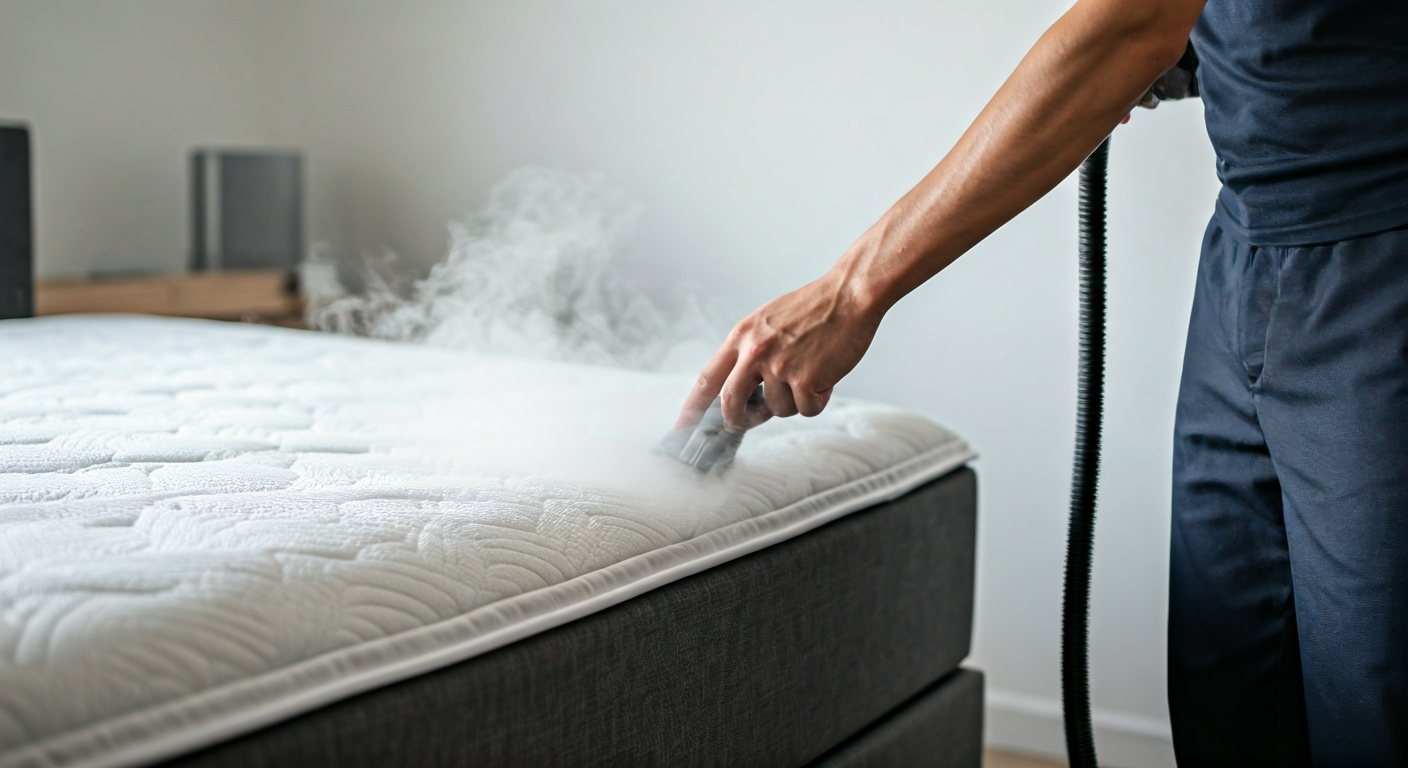
Steam cleaning is highly effective for sanitizing mattresses, eliminating dust mites, allergens, and bacteria without harsh chemicals, making it superior for deep cleaning and hygiene. While vacuuming removes surface debris and baking soda neutralizes odors, chemical cleaners carry risks of residue and moisture. The optimal method depends on your specific needs, mattress type, and desired level of sanitation.
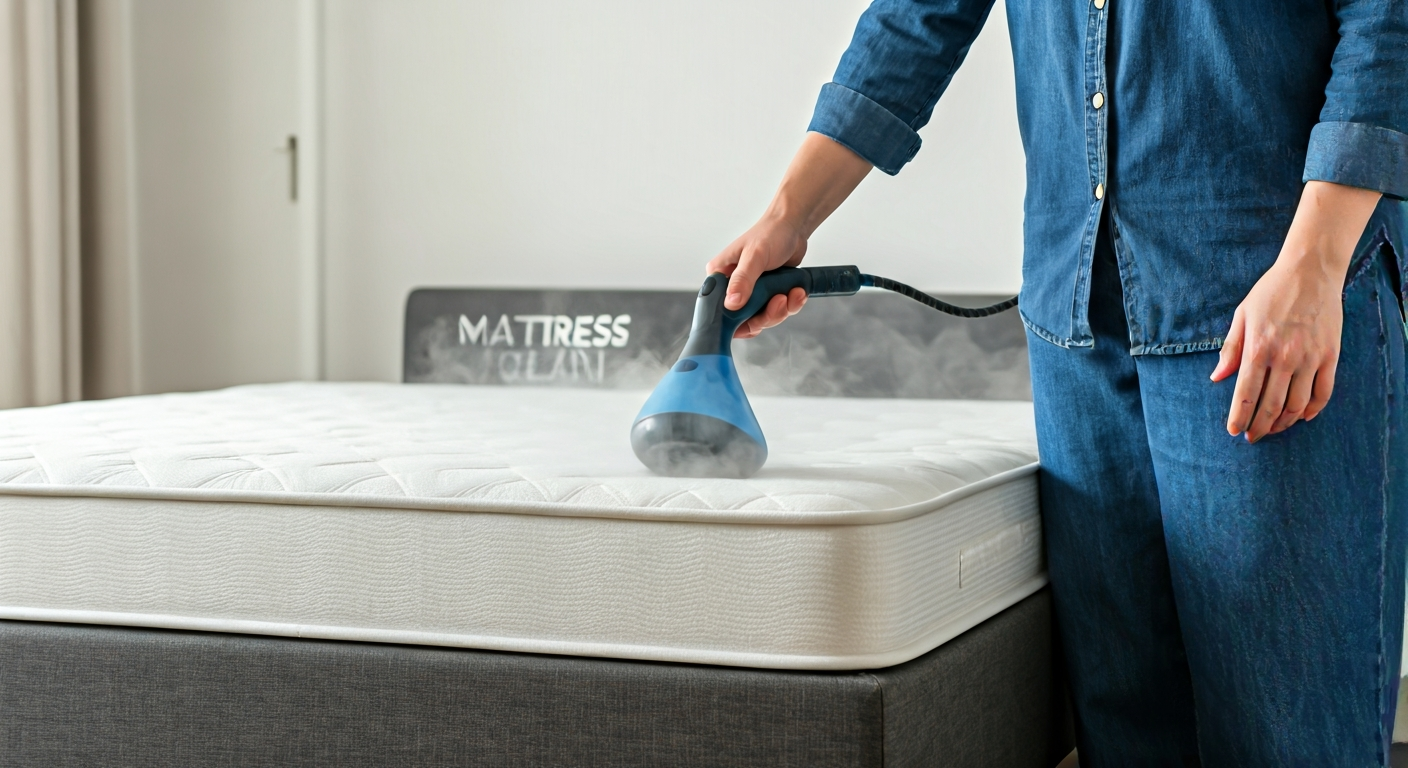
To safely steam clean your mattress at home, begin by thoroughly vacuuming and pre-treating any stains. Use a low-moisture steam cleaner with an upholstery attachment, applying steam sparingly in small sections. Crucially, extract as much moisture as possible and ensure the mattress is completely dry—typically 4-8 hours with good ventilation—before making the bed to prevent mold and mildew.
Regularly steam cleaning your mattress significantly enhances health by eliminating dust mites, allergens, bacteria, and viruses. This process leads to improved indoor air quality, reduced allergy and asthma symptoms, better respiratory health, and ultimately, a more restful and restorative sleep environment. It's a proactive step towards a healthier home and personal well-being.