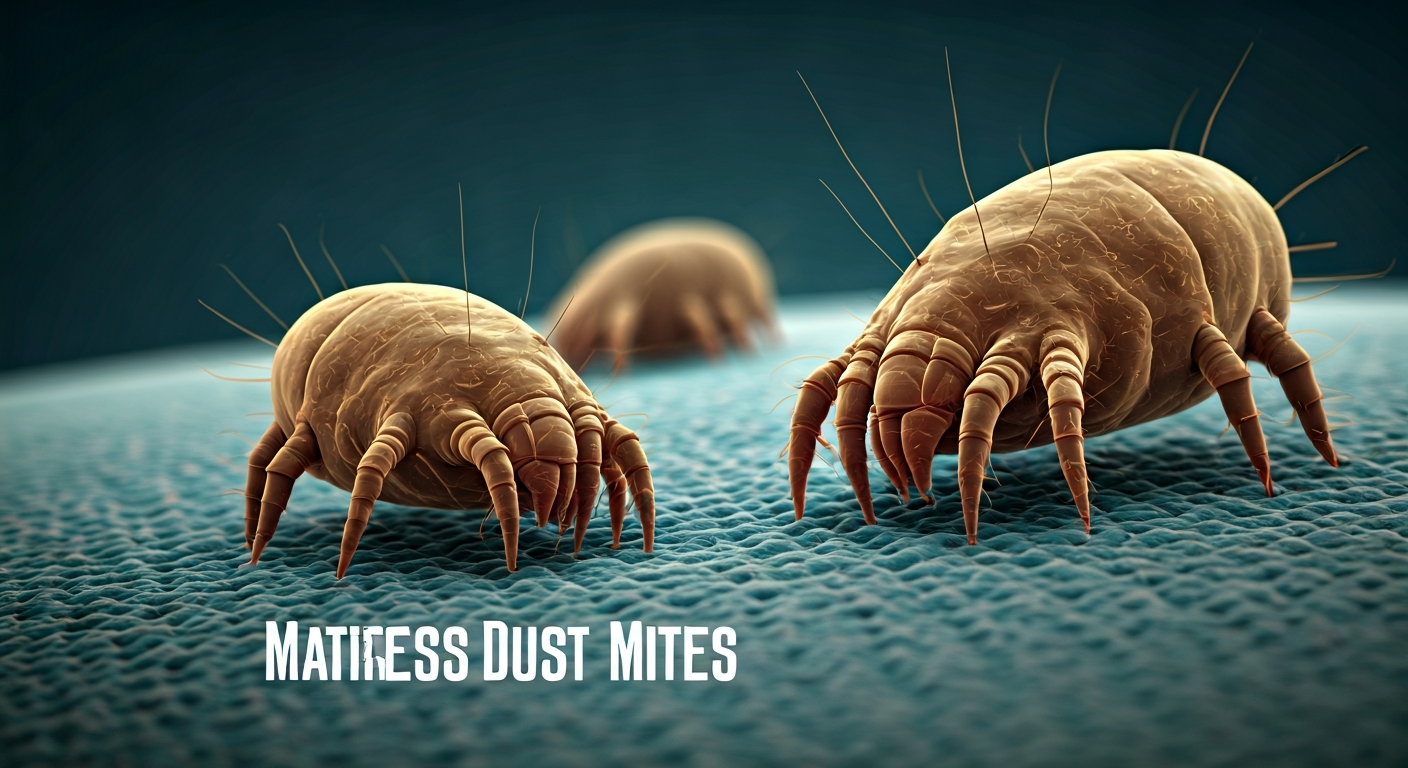
A microscopic view showing several dust mites on the surface of a mattress fabric, with text 'Mattress Dust Mites' clearly visible.

Understanding Dust Mites and Allergens in Mattresses

A
Ali Hassan
Writer
The Answer
Dust mites are microscopic arachnids thriving in warm, humid environments like mattresses, feeding on dead skin cells. Their fecal pellets and decomposed body parts are potent allergens causing respiratory issues, skin irritation, and worsening asthma. Understanding their lifecycle and prevalence is crucial for effective mattress hygiene and allergen control, significantly improving sleep quality and overall health by minimizing exposure.
Mattresses, often unseen, can harbor a significant population of microscopic organisms known as dust mites. These tiny creatures, invisible to the naked eye, are not parasites but rather thrive on dead human skin cells, which are abundantly shed during sleep. Understanding the complex relationship between dust mites, the allergens they produce, and their impact on human health is the first step towards creating a healthier sleep environment. This guide will demystify the world of dust mites, explain why your mattress is an ideal breeding ground, and illuminate the potent allergens they release, which are major triggers for allergies and asthma. Recognizing these fundamental concepts is essential before exploring effective mitigation strategies to reclaim your bedroom as a sanctuary of rest.

The Hidden World of Dust Mites and Their Allergens

Dust mites (scientific name: Dermatophagoides) are minuscule eight-legged creatures, relatives of spiders and ticks, that are ubiquitous in homes worldwide. They are not parasitic, meaning they do not bite or live on humans or animals. Instead, they feed on organic detritus such as flakes of shed human and animal skin, making areas where humans spend significant time, like mattresses, ideal habitats. A single mattress can host anywhere from hundreds of thousands to several millions of these microscopic creatures, accumulating a substantial amount of their waste products over time.
The primary culprits behind dust mite allergies are not the mites themselves, but rather the proteins found in their fecal pellets and decaying body fragments. These microscopic particles become airborne and are easily inhaled, triggering allergic reactions in sensitive individuals. Mattresses provide an optimal breeding ground due to their warmth, humidity from body sweat, and an abundant food source. The porous nature of mattress materials allows these allergens to accumulate deep within the fibers, making traditional cleaning methods ineffective. This pervasive presence underscores the critical importance of understanding what mattress steam cleaning is and its potential benefits.
The lifecycle of a dust mite, from egg to adult, takes about one month, with females laying up to 80 eggs during their lifespan. This rapid reproduction rate means that without proper intervention, dust mite populations can escalate quickly, leading to a continuous increase in allergen concentration within your bedding and mattress. These allergens, primarily Der p 1 and Der f 1, are highly potent and can remain active for extended periods, even after the mites themselves have died. Therefore, effective control strategies must focus not only on reducing mite populations but also on neutralizing or removing the accumulated allergens to truly improve indoor air quality and reduce allergy symptoms.

How Dust Mites and Their Allergens Affect Your Health

  • Allergic Rhinitis: Often referred to as hay fever, symptoms include sneezing, runny or stuffy nose, itchy nose, throat, or eyes, and postnasal drip. These symptoms are common health benefits of steam cleaning a mattress.
  • Asthma Exacerbation: Dust mite allergens are a significant trigger for asthma attacks, leading to shortness of breath, wheezing, coughing, and chest tightness. Prolonged exposure can worsen chronic asthma.
  • Eczema (Atopic Dermatitis): In individuals with sensitive skin, contact with dust mite allergens can cause or worsen skin rashes, characterized by redness, itching, and dryness.
  • Sleep Disturbances: Constant allergic reactions can disrupt sleep patterns, leading to fatigue, irritability, and decreased concentration during the day. This highlights the importance of addressing how to complete guide steam clean mattress.
  • Conjunctivitis: Inflammation of the membrane lining the eyelids and eyeball, resulting in red, itchy, watery eyes.
  • Chronic Sinusitis: Persistent inflammation of the sinuses, leading to facial pain, pressure, and nasal congestion, often aggravated by allergen exposure.

Key Terms: Understanding Dust Mites and Allergens

Dust Mites
Microscopic eight-legged arthropods, relatives of spiders, that thrive in warm, humid environments and feed on dead skin cells. They are a common cause of indoor allergies.
Allergens
Substances that can cause an allergic reaction. In the context of dust mites, these are primarily proteins found in their fecal pellets and decomposed body parts.
Mite Feces
The waste products of dust mites, which are spherical, chitin-encased particles containing potent digestive enzymes (like Der p 1) that act as major allergens.
Chitin
A fibrous substance forming the exoskeleton of arthropods and the cell walls of fungi. In dust mites, it forms part of their body and fecal pellet structure, contributing to their allergenic properties.
Dermatophagoides
The scientific genus name for common house dust mites, encompassing species like Dermatophagoides pteronyssinus (European house dust mite) and Dermatophagoides farinae (American house dust mite).

Dust Mite Prevalence at a Glance

Over 80%
Homes Affected
of U.S. homes contain detectable levels of dust mite allergens.
60% of Asthma
Allergy Trigger
cases in children are triggered or worsened by dust mite allergens.
10% of Mattress Weight
Weight Gain
after 10 years can be attributed to dead dust mites, their feces, and skin flakes.
70-80%
Ideal Humidity
relative humidity is optimal for dust mite growth and reproduction.

Effective Strategies for Dust Mite Control in Your Mattress

  • Use Allergen-Proof Covers: Encase your mattress, box spring, and pillows in special zippered, impermeable covers that prevent dust mites and their allergens from escaping or entering.
  • Wash Bedding Regularly: Wash sheets, pillowcases, and blankets weekly in hot water (at least 130°F or 54°C) to kill dust mites and remove allergens. If hot water isn't suitable, consider adding a mite-killing laundry additive.
  • Control Humidity: Maintain indoor humidity levels below 50% using a dehumidifier or air conditioning. Dust mites cannot survive in low-humidity environments. The Asthma and Allergy Foundation of America (AAFA) provides further guidance on environmental controls.
  • Reduce Clutter: Minimize items that collect dust in the bedroom, such as stuffed animals, decorative pillows, and heavy drapes. Washable items should be laundered frequently.
  • Vacuum Regularly: Use a vacuum cleaner with a HEPA filter to trap allergens, especially on carpets and upholstered furniture. For mattresses, a specific complete guide to steam clean a mattress can offer more thorough allergen removal.
  • Consider Steam Cleaning: High-temperature steam, as used in mattress steam cleaning, can effectively kill dust mites and denature their allergens without harsh chemicals. This method is particularly effective for deep cleaning and sanitization, offering significant health benefits of steam cleaning a mattress.
  • Replace Old Mattresses: Mattresses older than 7-10 years can accumulate substantial allergen loads that are difficult to remove. Consider replacing them to ensure a truly allergen-reduced sleep environment.

Case Study: Improving Sleep Quality Through Allergen Reduction

Real-World Case Study
The Problem
Sarah, a 35-year-old suffering from chronic nocturnal cough and persistent nasal congestion, found her sleep quality severely compromised. Despite numerous allergy medications, her symptoms worsened nightly, leading to daytime fatigue and reduced productivity. Her existing mattress was eight years old, and she had never considered it a source of her discomfort, attributing her symptoms to seasonal allergies.
The Solution
After consulting an allergist, Sarah learned about the high likelihood of dust mite sensitivity. She implemented a comprehensive dust mite control strategy focusing on her bedroom. This included encasing her mattress and pillows in allergen-proof covers, weekly washing of all bedding in hot water, maintaining indoor humidity below 50% with a dehumidifier, and professionally steam cleaning her mattress. The complete guide to steam clean a mattress proved invaluable for her cleaning approach.
The Result
Within three weeks of consistent implementation, Sarah reported a dramatic improvement. Her nocturnal cough significantly reduced, and nasal congestion cleared, allowing her to breathe freely throughout the night. Her sleep quality improved, leading to increased energy and focus during the day. The reduction in dust mite allergens in her mattress transformed her bedroom into a true sanctuary, demonstrating the profound impact of targeted environmental control on allergic symptoms and overall well-being.

Key Takeaways for a Mite-Free Mattress

Key Takeaways

  • Dust mites are microscopic creatures that thrive in mattresses, feeding on dead skin cells and moisture.
  • Their fecal matter and body fragments contain potent allergens that trigger common allergic reactions, including asthma, rhinitis, and eczema.
  • Mattresses are ideal habitats due to warmth, humidity, and abundant food sources, making them significant reservoirs of allergens.
  • Effective dust mite control requires a multi-faceted approach, combining allergen-proof covers, regular hot-water washing of bedding, humidity control, and targeted cleaning methods like steam cleaning.
  • Reducing dust mite allergens in your mattress is crucial for improving sleep quality, alleviating allergy symptoms, and fostering a healthier indoor environment.

Frequently Asked Questions About Dust Mites and Mattresses

Was this guide helpful?

Your feedback helps our writers improve this help center.

Helpful for 9 readers

About the Author

A
Ali Hassan
Expert Author
Writer

"Professional writer."

Related Guides

See All Topics
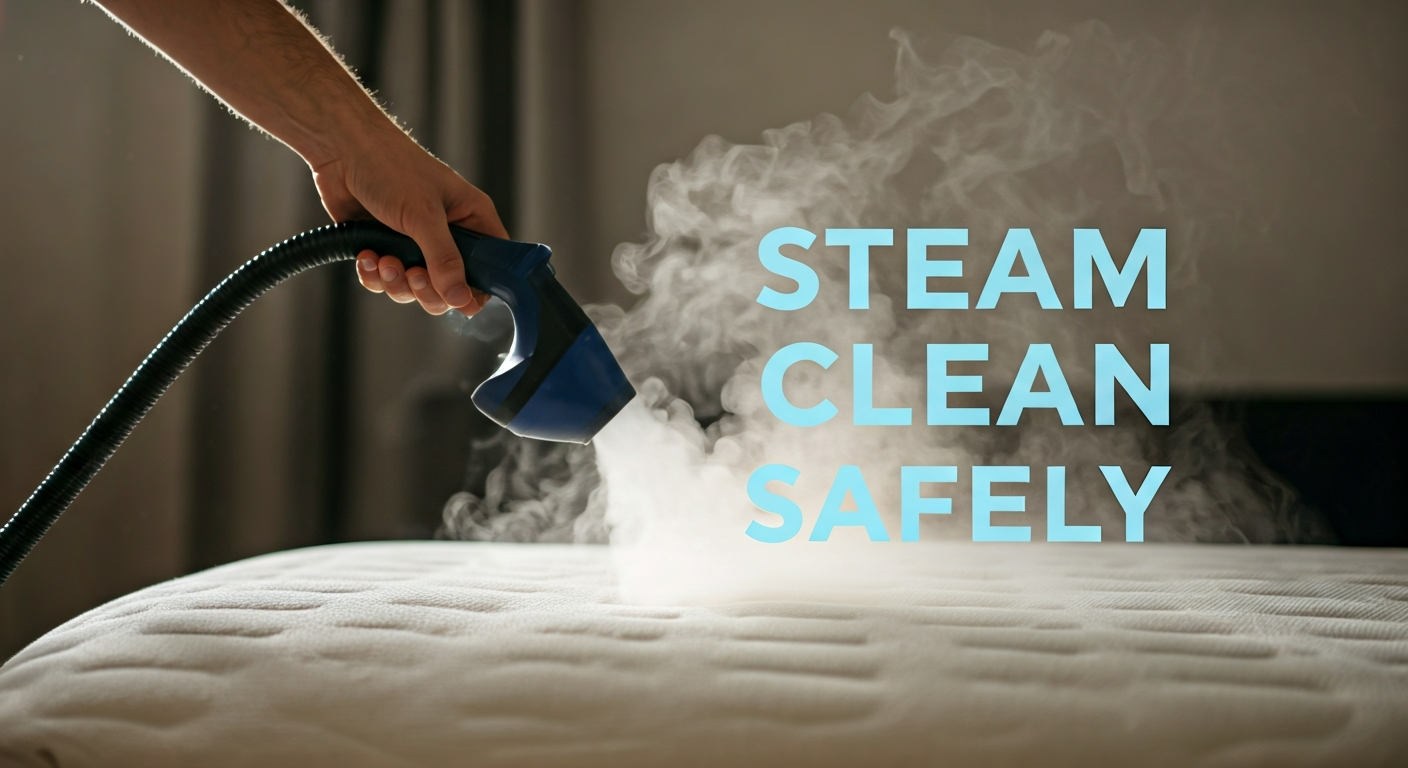
A hand using a handheld steam cleaner on a mattress, emitting a fine mist, with 'Steam Clean Safely' text visible.

To avoid damaging your mattress when steam cleaning, prevent over-wetting by using minimal moisture and a low heat setting. Always pre-test a hidden area for colorfastness and material compatibility. Ensure thorough drying with fans and good ventilation for at least 8-10 hours to prevent mold growth and odors. Skipping these crucial steps can lead to permanent damage and health risks.
3 Found This Helpful
Read Guide
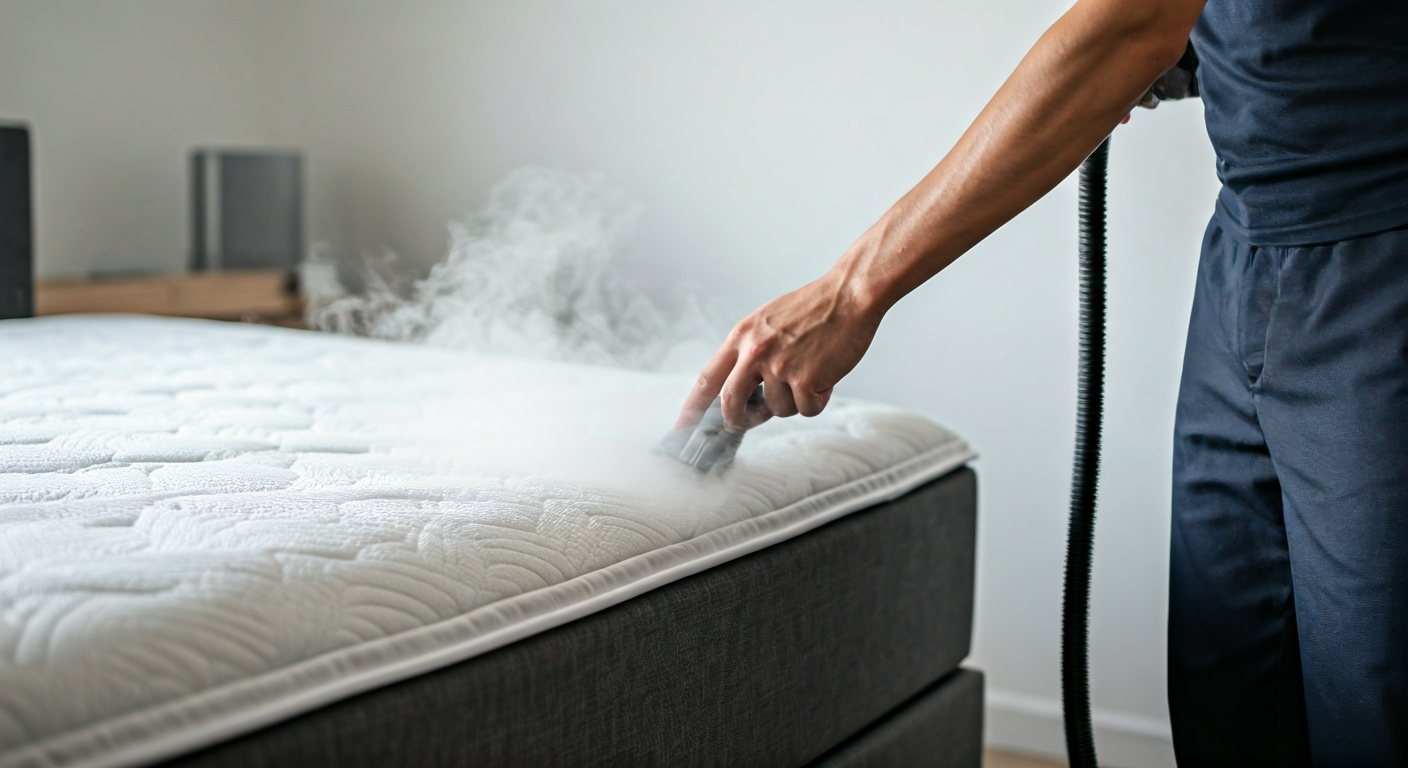
A person using a handheld steam cleaner on a mattress, with visible steam, emphasizing cleanliness and hygiene.

Steam cleaning is highly effective for sanitizing mattresses, eliminating dust mites, allergens, and bacteria without harsh chemicals, making it superior for deep cleaning and hygiene. While vacuuming removes surface debris and baking soda neutralizes odors, chemical cleaners carry risks of residue and moisture. The optimal method depends on your specific needs, mattress type, and desired level of sanitation.

2 Found This Helpful
Read Guide
A modern, professional-grade canister steam cleaner with its hose and triangular attachment resting on a clean, light-colored mattress. The words 'Mattress Clean' are subtly integrated into the background.

To choose the best steam cleaner for mattress sanitation, prioritize models with high steam temperature (above 212°F / 100°C), dry vapor technology to minimize moisture, and strong steam pressure (at least 45 PSI) for effective penetration. Look for a large water tank for uninterrupted cleaning and specialized attachments like triangle brushes and jet nozzles for thorough treatment of various mattress surfaces and crevices.

5 Found This Helpful
Read Guide
BroadMatters LogoBroadMatters

Clear, simple guides and everyday explanations to help you solve common problems with confidence.

Stay Updated

Get our latest guides and simple tips delivered directly to your inbox.

By joining, you agree to our Terms and Privacy Policy.

© 2026 BroadMatters Help Center. All rights reserved.

contact@broadmatters.com