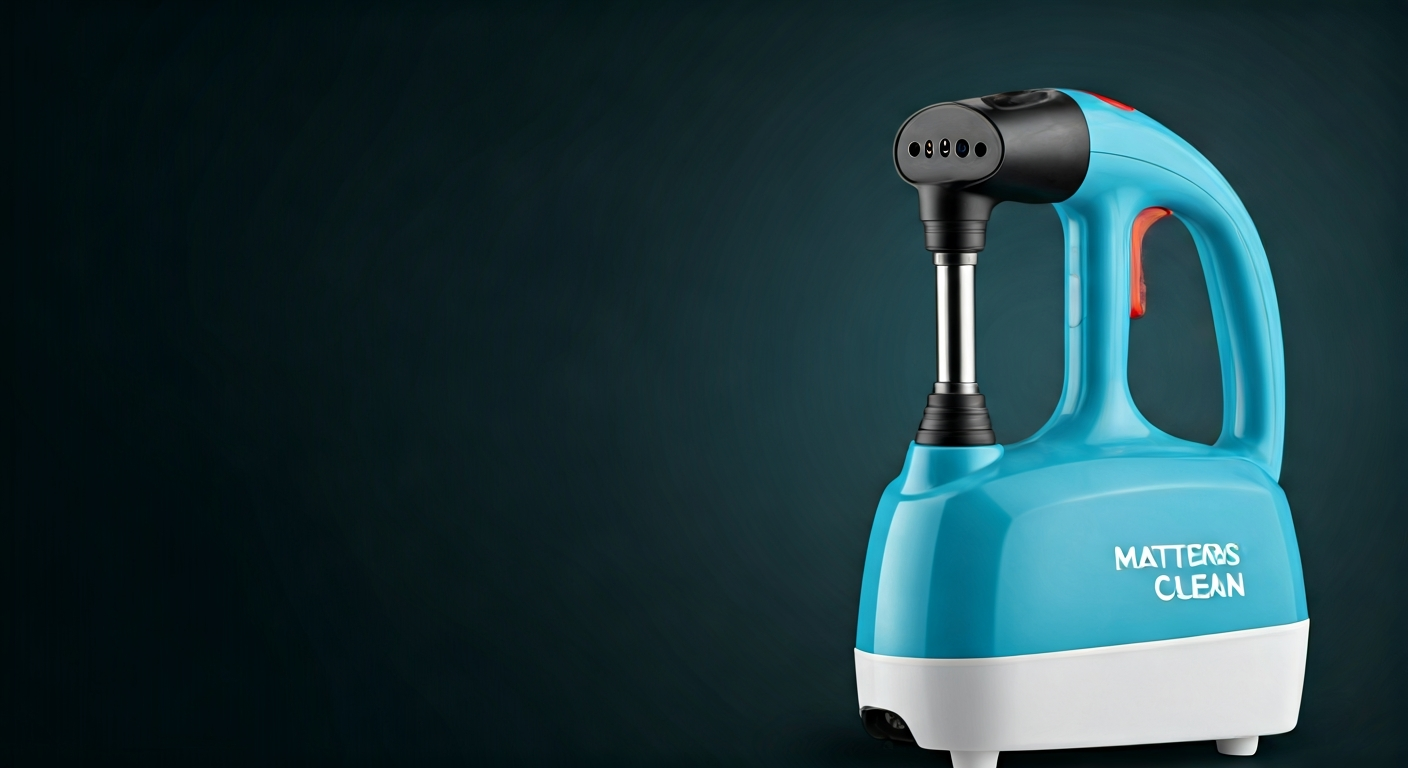
Choosing the Right Steam Cleaner for Mattress Sanitation
Key Features to Look for in a Mattress Steam Cleaner
- High Steam Temperature: The most critical factor for sanitation. Ensure the steam cleaner can produce continuous steam at temperatures well above 212°F (100°C), ideally between 245°F to 290°F (118°C to 143°C). This superheated steam, often referred to as dry vapor, is essential for killing dust mites, bacteria, viruses, and breaking down allergens effectively. Lower temperatures may not provide sufficient sanitization.
- Strong Steam Pressure: Look for a steam cleaner with a high Pounds Per Square Inch (PSI) rating, typically 45 PSI or higher. Higher pressure allows the steam to penetrate deeper into mattress fibers, dislodging contaminants and ensuring a more thorough clean. Adequate pressure also aids in faster cleaning and more efficient dirt removal.
- Dry Vapor Technology: For mattresses, minimizing moisture is paramount to prevent mold and mildew growth. Opt for steam cleaners that produce 'dry vapor steam,' which contains only about 5% water content. This ensures effective cleaning and sanitization without saturating your mattress, allowing for quicker drying times.
- Water Tank Capacity: A larger water tank capacity means longer continuous steaming without needing to refill. For cleaning an entire mattress, especially larger sizes, a tank that allows for at least 30-45 minutes of continuous operation is highly beneficial, preventing interruptions and ensuring an efficient cleaning process.
- Versatile Attachments: Specific attachments significantly enhance cleaning effectiveness. Essential tools include a large rectangular or triangular brush head for broad surface areas, a jet nozzle for crevices and spot treatment, and a fabric tool with a microfiber cover for gentle cleaning and moisture absorption. Check out our complete guide to steam clean a mattress for more details on attachment usage.
- Fast Heat-Up Time: While not directly impacting cleaning quality, a fast heat-up time improves convenience and efficiency. Look for models that can reach optimal steam temperature within 5-10 minutes, allowing you to start cleaning sooner.
- Portability and Maneuverability: Even if it's a canister model, ease of movement is important for navigating around and over a mattress. Consider the weight and presence of wheels for canister models, or ergonomic design for handheld units.
Understanding Steam Cleaning Technology for Mattress Sanitation
Comparing Steam Cleaner Types for Mattress Use
| Feature | Handheld Steamers | Canister Steamers | Steam Mops (Not Recommended) |
|---|---|---|---|
| Steam Temperature (Ideal) | Moderate (often 200-220°F) | High (often 245-290°F) | Low (primarily for floors) |
| Steam Pressure (Ideal) | Low to Moderate (20-35 PSI) | High (45-65 PSI) | Very Low (surface cleaning) |
| Water Tank Capacity | Small (5-10 oz) | Large (40-60 oz+) | Moderate (10-15 oz) |
| Continuous Steam Time | Short (10-15 mins) | Long (30-60 mins+) | Moderate (15-20 mins) |
| Portability | Excellent (lightweight, compact) | Good (on wheels, hose/wand) | Good (upright, for floors) |
| Attachments | Basic (jet nozzle, small brush) | Comprehensive (various brushes, fabric tools) | Limited (floor pads) |
| Best Use for Mattresses | Spot cleaning, quick refresh | Deep cleaning, full mattress sanitation | Not suitable for mattresses due to high moisture & low temp |
Handheld vs. Canister Steamers: A Closer Look
Pros
- Handheld Steamers - Pros: Highly portable and lightweight, excellent for quick spot treatments and small areas, more affordable upfront cost.
- Canister Steamers - Pros: Superior steam temperature and pressure for deep sanitation, large water tanks allow for extended cleaning without interruption, wide range of specialized attachments for various surfaces, more effective at killing dust mites and bacteria due to higher heat output.
Cons
- Handheld Steamers - Cons: Limited tank capacity means frequent refills, lower steam temperature and pressure may not provide thorough sanitation for an entire mattress, shorter continuous steam time, fewer specialized attachments.
- Canister Steamers - Cons: Generally more expensive, larger and heavier to store, less portable for very quick tasks, takes longer to heat up initially.
Essential Accessories and Safety Considerations
- Triangle Brush Tool: Ideal for mattress surfaces, allowing for broad, even steam application while gently agitating fibers to lift dirt.
- Jet Nozzle: Perfect for targeting specific stains, seams, tufts, and crevices where dust mites and debris can accumulate.
- Fabric Steamer Tool with Microfiber Cover: This attachment helps to glide over fabric, distributing steam evenly while the microfiber cover absorbs excess moisture and wipes away loosened dirt. Ensure you have several clean microfiber covers.
- Extension Wands: Useful for reaching all parts of larger mattresses without straining.
- Safety Gloves and Goggles: Always wear protective gear to prevent steam burns or eye irritation. Steam is extremely hot and can cause severe injury.
- Proper Ventilation: Ensure the room is well-ventilated during and after steam cleaning to aid drying and prevent moisture buildup. Open windows and use fans.
- Patch Test: Before cleaning the entire mattress, always perform a patch test on an inconspicuous area to ensure the fabric is colorfast and reacts well to steam.
- Avoid Over-Saturating: Move the steam cleaner steadily and avoid holding it in one spot for too long to prevent saturating the mattress. Dry vapor steam is effective with minimal moisture.
Why Steam Cleaning Excels for Mattress Hygiene
Making Your Final Steam Cleaner Decision
Key Takeaways
- For comprehensive mattress sanitation, a canister steam cleaner is generally the superior choice due to its higher steam temperature, pressure, and larger water capacity, providing the necessary power for deep cleaning and effective allergen elimination.
- Prioritize models that explicitly mention dry vapor steam to avoid over-wetting your mattress and preventing mold growth.
- Ensure the chosen steamer comes with appropriate attachments, particularly a triangle brush and jet nozzle, for thorough and versatile cleaning.
- Consider your primary use case: if it's for occasional spot treatments, a robust handheld steamer might suffice, but for full-mattress hygiene, invest in a quality canister model.
- Always adhere to safety guidelines, including wearing protective gear and ensuring adequate ventilation, to prevent steam burns and promote quick drying.
Was this guide helpful?
Your feedback helps our writers improve this help center.
About the Author
Related Guides
See All Topics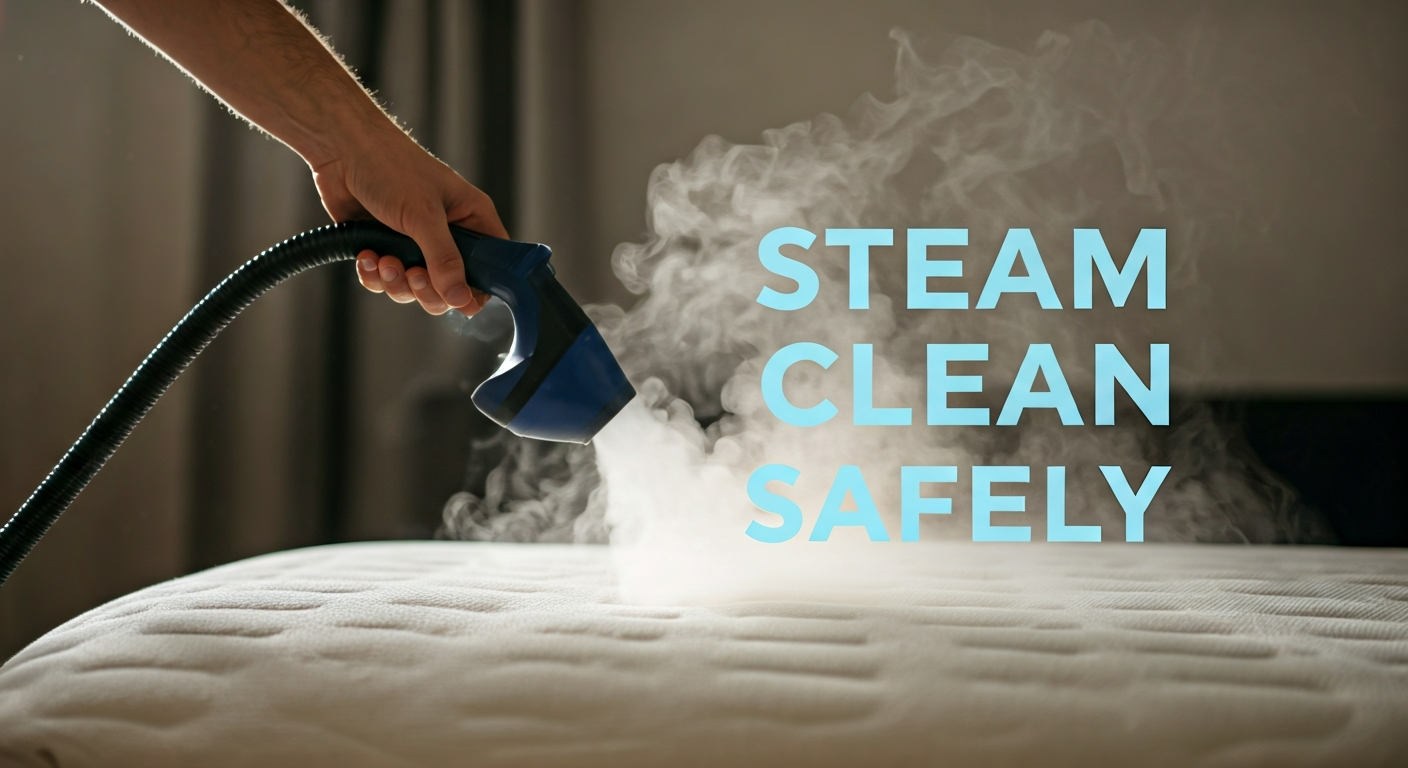
To avoid damaging your mattress when steam cleaning, prevent over-wetting by using minimal moisture and a low heat setting. Always pre-test a hidden area for colorfastness and material compatibility. Ensure thorough drying with fans and good ventilation for at least 8-10 hours to prevent mold growth and odors. Skipping these crucial steps can lead to permanent damage and health risks.
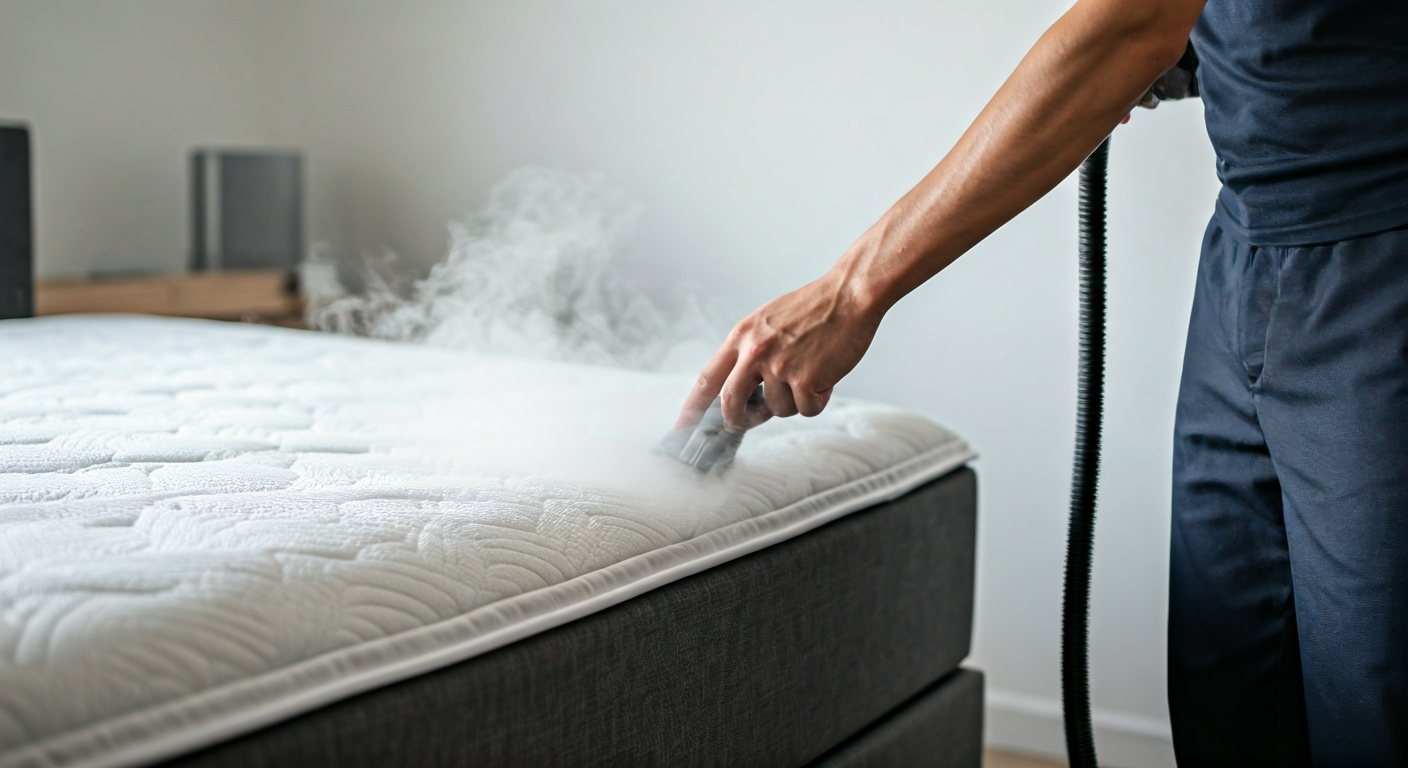
Steam cleaning is highly effective for sanitizing mattresses, eliminating dust mites, allergens, and bacteria without harsh chemicals, making it superior for deep cleaning and hygiene. While vacuuming removes surface debris and baking soda neutralizes odors, chemical cleaners carry risks of residue and moisture. The optimal method depends on your specific needs, mattress type, and desired level of sanitation.
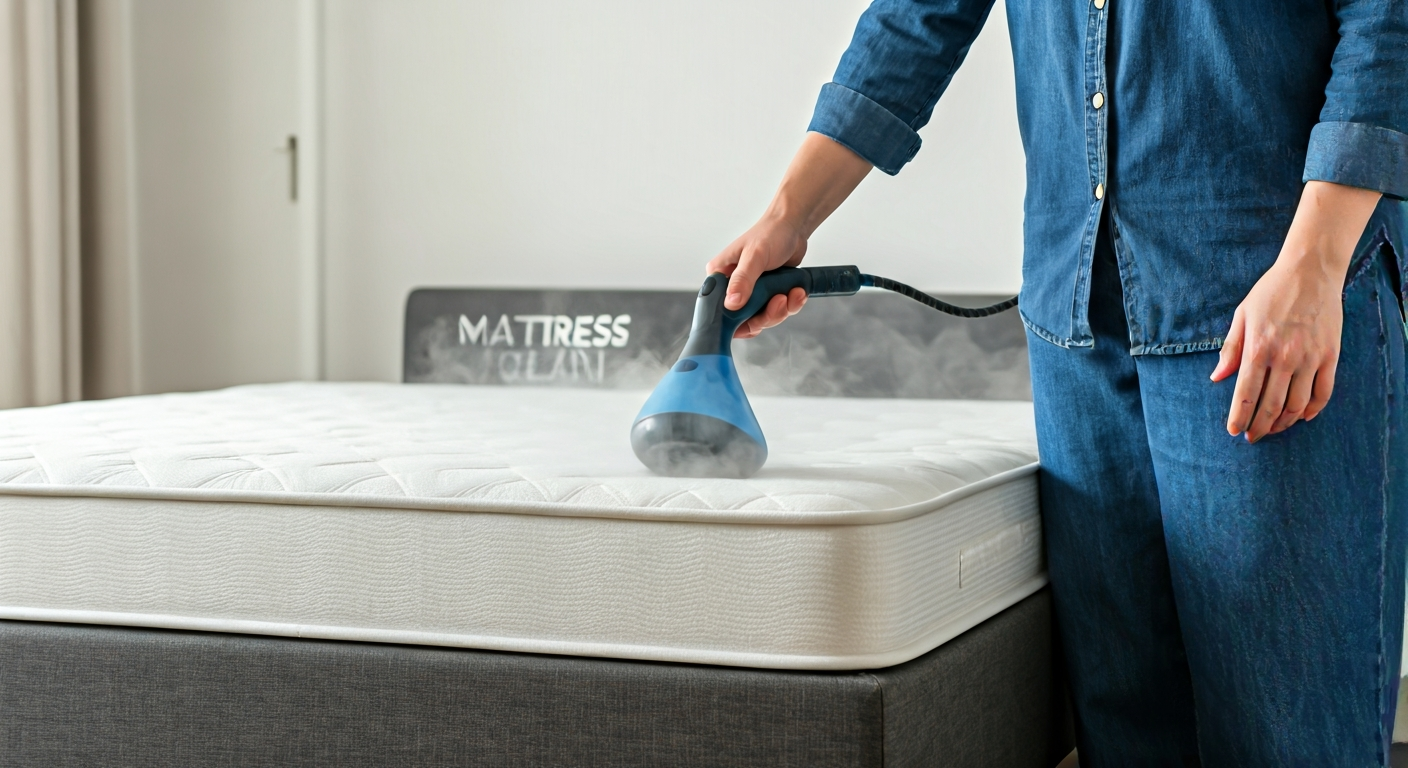
To safely steam clean your mattress at home, begin by thoroughly vacuuming and pre-treating any stains. Use a low-moisture steam cleaner with an upholstery attachment, applying steam sparingly in small sections. Crucially, extract as much moisture as possible and ensure the mattress is completely dry—typically 4-8 hours with good ventilation—before making the bed to prevent mold and mildew.