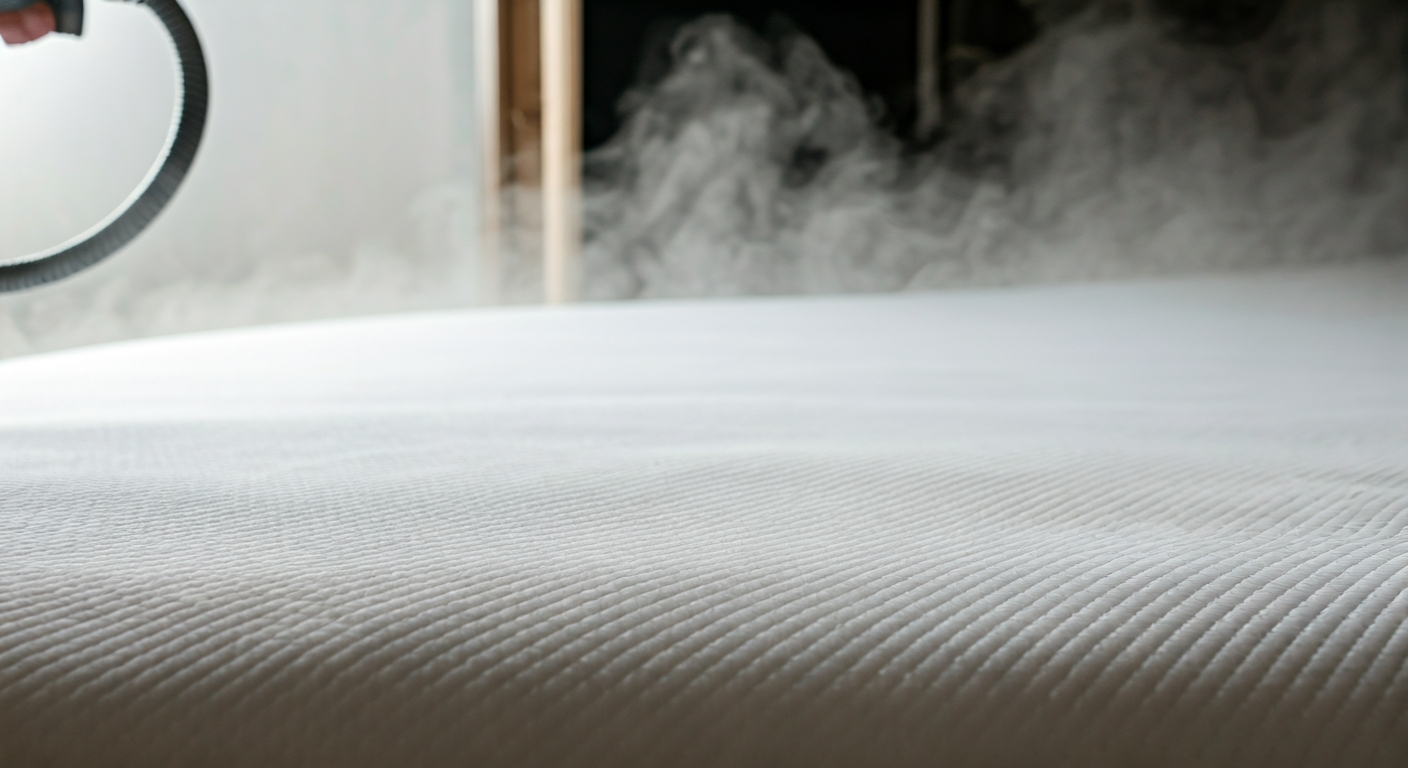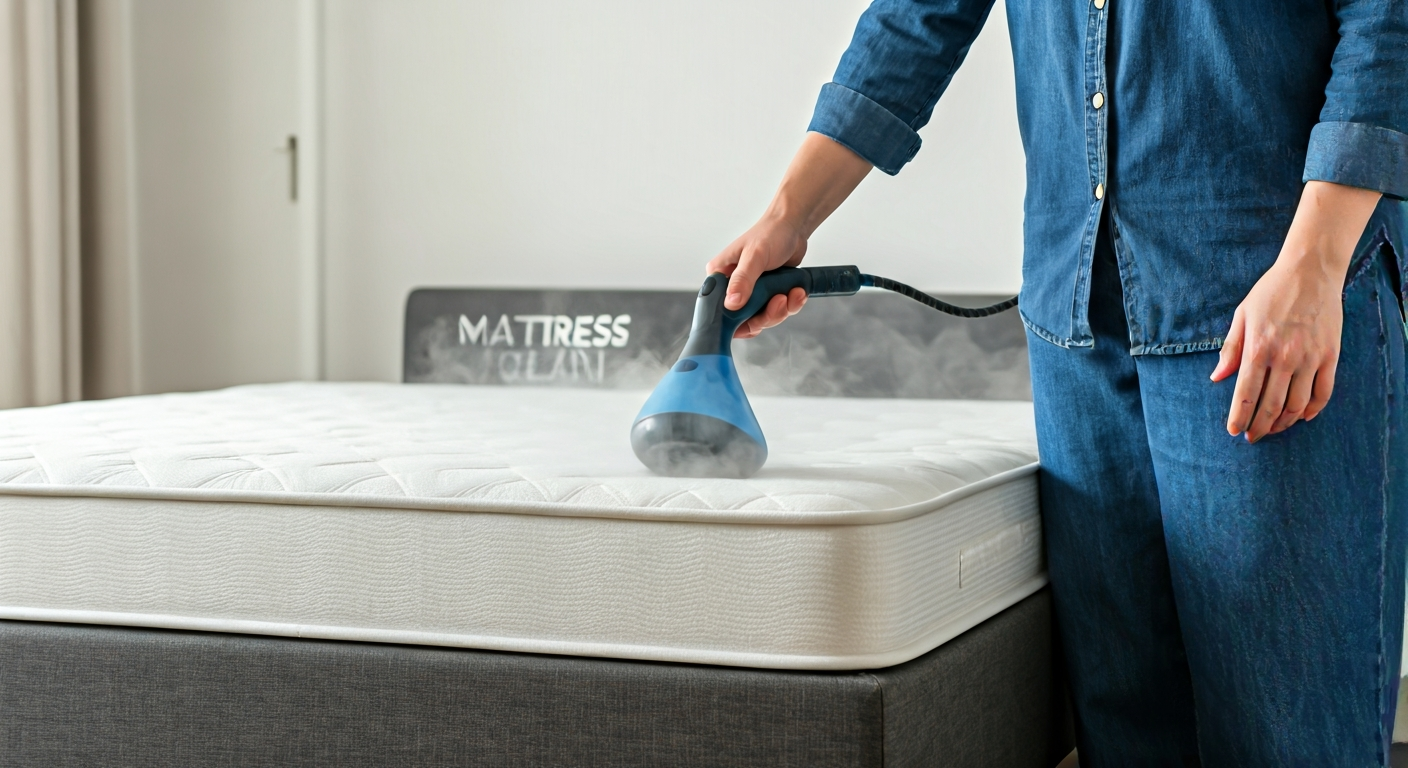
A person in a neutral-colored room carefully steam cleaning a white mattress with a handheld steam cleaner, with the words 'MATTRESS CLEAN' integrated into the image.

Step-by-Step Guide: How to Safely Steam Clean Your Mattress at Home

A
Ali Hassan
Writer
The Answer
To safely steam clean your mattress at home, begin by thoroughly vacuuming and pre-treating any stains. Use a low-moisture steam cleaner with an upholstery attachment, applying steam sparingly in small sections. Crucially, extract as much moisture as possible and ensure the mattress is completely dry—typically 4-8 hours with good ventilation—before making the bed to prevent mold and mildew.
Maintaining a clean mattress is fundamental for a healthy sleep environment and extends the lifespan of your investment. Over time, mattresses accumulate dust mites, allergens, dead skin cells, and occasional spills, leading to odors and potential health concerns. While professional services are an option, safely steam cleaning your mattress at home offers an effective, budget-friendly solution for deep sanitation and refreshment. This comprehensive guide will walk you through every step, ensuring you achieve a fresh, hygienic mattress with confidence, addressing common pitfalls and maximizing effectiveness. By understanding the proper techniques and necessary precautions, you can transform your sleeping space into a cleaner, more inviting sanctuary.

Step-by-Step Mattress Steam Cleaning Process

1

Step 1: Prepare Your Workspace and Mattress

Begin by stripping all bedding, including sheets, blankets, and mattress protectors. Remove any pillows. Open windows and turn on fans to ensure adequate ventilation throughout the cleaning and drying process. This is crucial for preventing mold and mildew growth. Clear the area around your bed to give yourself ample room to work.
2

Step 2: Vacuum the Mattress Thoroughly

Using an upholstery attachment on your vacuum cleaner, meticulously vacuum the entire mattress surface. Go over the top, sides, and even the seams. Pay extra attention to crevices and tufting where dust mites and debris tend to accumulate. A powerful vacuum cleaner is essential for removing loose dirt, dust, and allergens before introducing any moisture. This step is non-negotiable for effective cleaning.
3

Step 3: Pre-Treat Visible Stains

Identify any visible stains on your mattress. Apply a suitable mattress-safe stain remover directly to the stains. For biological stains like blood or urine, an enzymatic cleaner is highly effective. Dab the solution onto the stain with a clean cloth, working from the outside in to prevent spreading. Allow the pre-treater to sit for the recommended time (usually 5-10 minutes) before proceeding. Never rub aggressively, as this can push the stain deeper into the fibers.
4

Step 4: Prepare Your Steam Cleaner and Test

Fill your steam cleaner with distilled water as per the manufacturer's instructions. Distilled water prevents mineral buildup and ensures cleaner steam. Attach the upholstery tool. Before applying steam to the main mattress surface, test it on an inconspicuous area, like the bottom corner. This checks for colorfastness and ensures the steam cleaner isn't dispensing too much moisture. Look for a low-moisture steam cleaner for best results.
5

Step 5: Apply Steam Sparingly

Work in small sections (e.g., 2x2 feet) across the mattress. Hold the steam cleaner's upholstery attachment a few inches above the surface, allowing the steam to penetrate the fabric without directly saturating it. Move the attachment steadily and slowly. Avoid holding the steam in one spot for too long, which can lead to over-wetting. The goal is to sanitize and loosen dirt, not to drench the mattress. Remember, less is often more when it comes to moisture.
6

Step 6: Extract Moisture and Blot

Immediately after steaming a section, use a clean, dry microfiber towel or a wet/dry vacuum (if available and suitable for fabric) to extract excess moisture. Press down firmly to absorb as much water as possible. This step is critical for minimizing drying time and preventing mold. Continue this process section by section, ensuring you don't leave any part of the mattress overly damp. For tougher spots, you might gently scrub with a clean cloth while steaming, then extract.
7

Step 7: Ensure Thorough Drying

Once the entire mattress has been steamed and blotted, prop it up if possible to allow air circulation on all sides. Continue using fans and keeping windows open. Air conditioning or a dehumidifier can also accelerate the drying process. The mattress must be completely dry before you put any bedding back on or sleep on it. This can take anywhere from 4 to 8 hours, or even up to 24 hours depending on humidity and mattress thickness. Failure to dry thoroughly is the leading cause of mold growth.
8

Step 8: Final Inspection and Protection

Once bone-dry, inspect the mattress for any missed spots or lingering odors. If necessary, a light re-application of steam and immediate drying can be done on specific areas. To maintain cleanliness, consider using a high-quality, waterproof and allergen-proof mattress protector. This provides a barrier against future spills, dust mites, and helps keep your mattress fresh for longer.

Understanding Mattress Types and Steam Cleaning Suitability

Before you begin steam cleaning, it's crucial to understand your mattress type, as different materials react differently to heat and moisture. Innerspring mattresses, with their open coil structure, generally tolerate steam cleaning well because air can circulate more freely, aiding in drying. However, caution is still advised to prevent over-saturation of the fabric and padding layers. The risk of mold is still present if not dried thoroughly.
Memory foam and latex mattresses require a much more cautious approach. Both materials are dense and can absorb moisture, making them notoriously difficult to dry completely. Excessive heat can also degrade memory foam, affecting its elasticity and support properties. For these types, opt for a low-moisture steam cleaner and apply steam very quickly and sparingly. Focus on surface sanitization rather than deep penetration. Always prioritize minimal moisture and maximize air circulation during drying. For a more comprehensive overview of cleaning various mattress materials, consult our complete guide to steam cleaning mattresses.
Always check your mattress manufacturer's warranty and care instructions before steam cleaning. Some manufacturers explicitly advise against it, as improper cleaning can void your warranty. If in doubt, opt for spot cleaning with minimal moisture or consult a professional cleaner specializing in your mattress type. Understanding these material specificities is key to effective and damage-free mattress maintenance.

Pre-Cleaning Mattress Preparation Checklist

  • Remove all bedding, including sheets, protectors, and pillows.
  • Thoroughly vacuum the entire mattress surface, including sides and seams.
  • Identify and pre-treat any visible stains with an appropriate mattress-safe cleaner.
  • Ensure the room is well-ventilated by opening windows and using fans.
  • Gather all necessary equipment: steam cleaner, distilled water, upholstery attachment, clean microfiber towels, and a wet/dry vacuum (optional).
  • Test the steam cleaner on an inconspicuous area of the mattress for colorfastness and moisture output.
  • Have extra clean cloths and a spray bottle of water (for rinsing residue from stain treatment) readily available.

Crucial Steam Cleaner Safety Tips

Using a steam cleaner involves high heat and electricity, so safety should be your top priority. Always read your steam cleaner's manual before operation to understand its specific features and safety precautions. A primary concern is over-saturating the mattress; excessive moisture can lead to irreparable damage, including mold and mildew growth deep within the mattress layers. Mold not only causes unpleasant odors but can also pose significant health risks, especially for individuals with allergies or respiratory conditions. For more insights on avoiding common pitfalls, see our guide on common mistakes when steam cleaning a mattress.
Electrical safety is paramount. Ensure your steam cleaner is in good working order, with no frayed cords or damaged plugs. Always plug it into a grounded outlet and avoid using extension cords if possible. Be mindful of the hot steam, which can cause severe burns; always direct the nozzle away from yourself and others, and wear protective gloves if recommended by the manufacturer. Keep children and pets away from the work area.
Finally, meticulous drying is not just about mattress integrity but also about indoor air quality. Inadequate drying creates a breeding ground for mold spores, which can become airborne and affect your home's air. The U.S. Environmental Protection Agency (EPA) provides extensive resources on mold prevention and remediation, emphasizing the importance of controlling moisture. Consult the EPA's Mold Resources for detailed guidance on how to prevent mold growth in your home, including proper ventilation and drying techniques after any water-related incident or cleaning task.

Benefits of Regular Mattress Steam Cleaning

  • Eliminates Dust Mites and Allergens: The high heat of steam effectively kills dust mites and denatures allergens, significantly improving air quality for allergy sufferers.
  • Neutralizes Odors: Steam helps break down odor-causing bacteria and substances, leaving your mattress smelling fresh and clean.
  • Breaks Down and Removes Stains: Heat and moisture work together to loosen and dissolve stubborn stains, making them easier to extract.
  • Promotes a Healthier Sleep Environment: By removing hidden contaminants, steam cleaning contributes to a more hygienic and inviting bed, essential for restful sleep.
  • Extends Mattress Lifespan: Regular cleaning prevents the buildup of debris and body oils that can degrade mattress materials over time, thereby prolonging its usability.
  • Disinfects Naturally: Steam is a natural disinfectant, sanitizing your mattress without the need for harsh chemicals, which is beneficial for sensitive individuals and pets.

Key Takeaways for Effective Mattress Care

Key Takeaways

  • Preparation is Paramount: Always begin with thorough vacuuming and targeted pre-treatment of stains to maximize cleaning effectiveness.
  • Moisture Control is Critical: Use a low-moisture steam cleaner and apply steam sparingly. Immediately extract excess moisture to prevent saturation and expedite drying.
  • Thorough Drying Prevents Mold: Ensure the mattress is completely dry—using fans, open windows, and potentially a dehumidifier—for at least 4-8 hours before dressing the bed.
  • Understand Your Mattress Material: Be especially cautious with memory foam and latex mattresses, which are more susceptible to moisture damage.
  • Safety First: Adhere to steam cleaner safety guidelines, protect against burns, and ensure proper electrical usage.
  • Regularity Matters: Incorporate steam cleaning into your seasonal home maintenance routine, alongside daily airing and weekly vacuuming, to maintain a truly hygienic sleep environment.

Frequently Asked Questions About Steam Cleaning Mattresses

Was this guide helpful?

Your feedback helps our writers improve this help center.

Helpful for 18 readers

About the Author

A
Ali Hassan
Expert Author
Writer

"Professional writer."

Related Guides

See All Topics
A white mattress being steam cleaned by a handheld steam cleaner, with clean steam gently rising. The text 'MATTRESS CLEAN' is subtly integrated.

Steam cleaning is a highly effective method for deep cleaning mattresses, eradicating dust mites, allergens, and odors without harsh chemicals. It utilizes high-temperature steam to sanitize and refresh the fabric. Proper technique, including minimal moisture application and thorough drying, is critical to prevent mold growth and maintain mattress integrity, ensuring a healthier and more comfortable sleep environment.
20 Found This Helpful
Read Guide
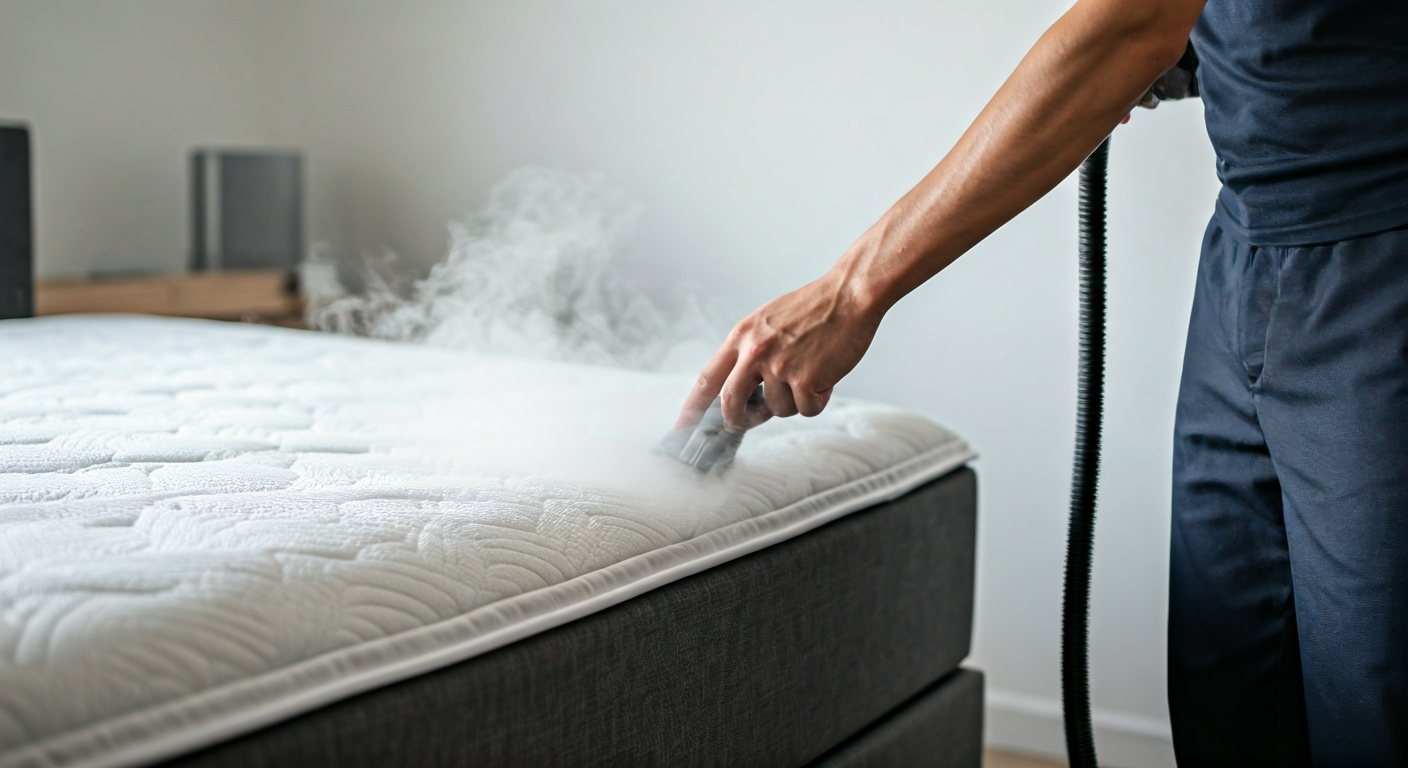
A person using a handheld steam cleaner on a mattress, with visible steam, emphasizing cleanliness and hygiene.

Steam cleaning is highly effective for sanitizing mattresses, eliminating dust mites, allergens, and bacteria without harsh chemicals, making it superior for deep cleaning and hygiene. While vacuuming removes surface debris and baking soda neutralizes odors, chemical cleaners carry risks of residue and moisture. The optimal method depends on your specific needs, mattress type, and desired level of sanitation.
2 Found This Helpful
Read Guide
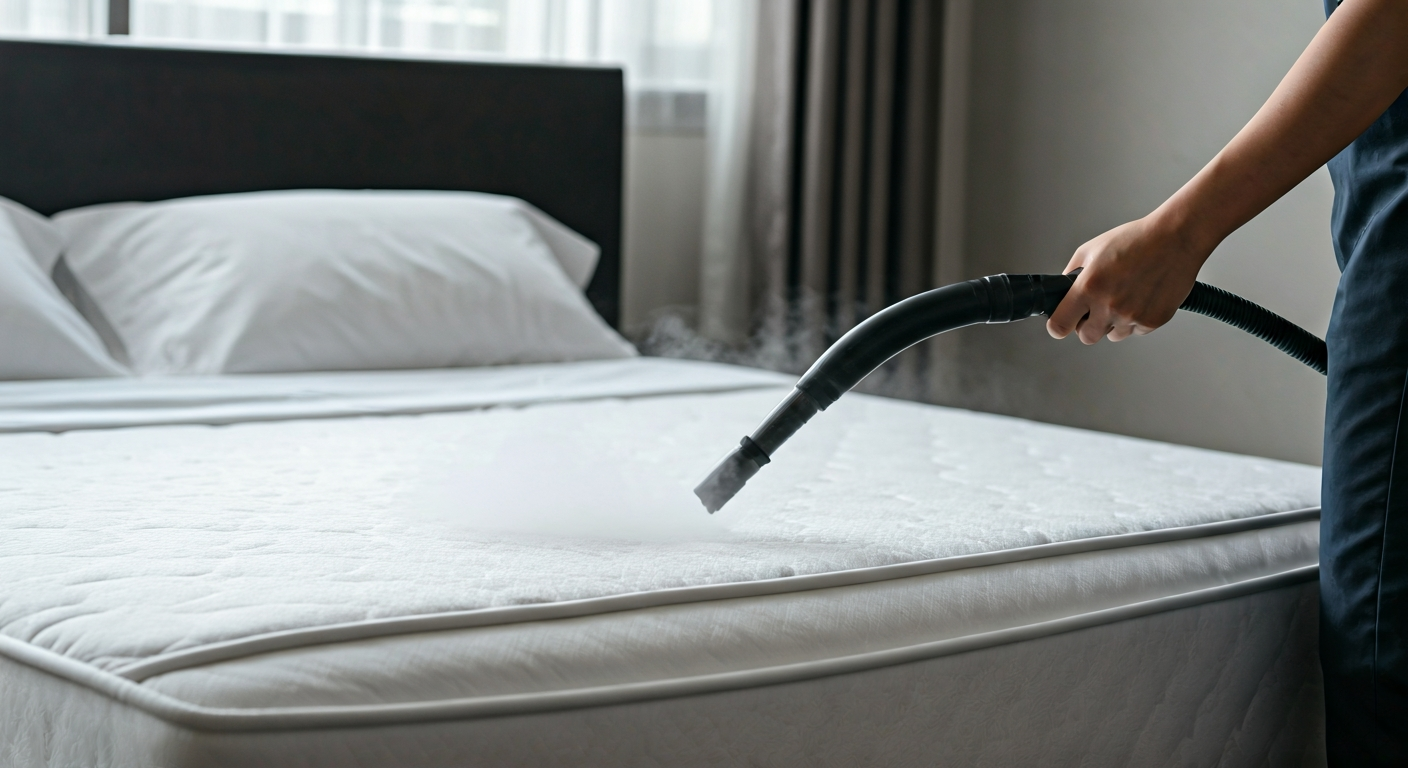
A person using a handheld steam cleaner on a mattress, with 'Mattress Clean' text.

Generally, steam clean your mattress every 3-6 months. However, the optimal frequency depends heavily on individual factors such as allergies, pet ownership, climate, and personal health. High-traffic mattresses, those in humid environments, or mattresses used by allergy sufferers may require more frequent cleaning, potentially every 2-3 months, to maintain hygiene and extend longevity.

20 Found This Helpful
Read Guide
BroadMatters LogoBroadMatters

Clear, simple guides and everyday explanations to help you solve common problems with confidence.

Stay Updated

Get our latest guides and simple tips delivered directly to your inbox.

By joining, you agree to our Terms and Privacy Policy.

© 2026 BroadMatters Help Center. All rights reserved.

contact@broadmatters.com