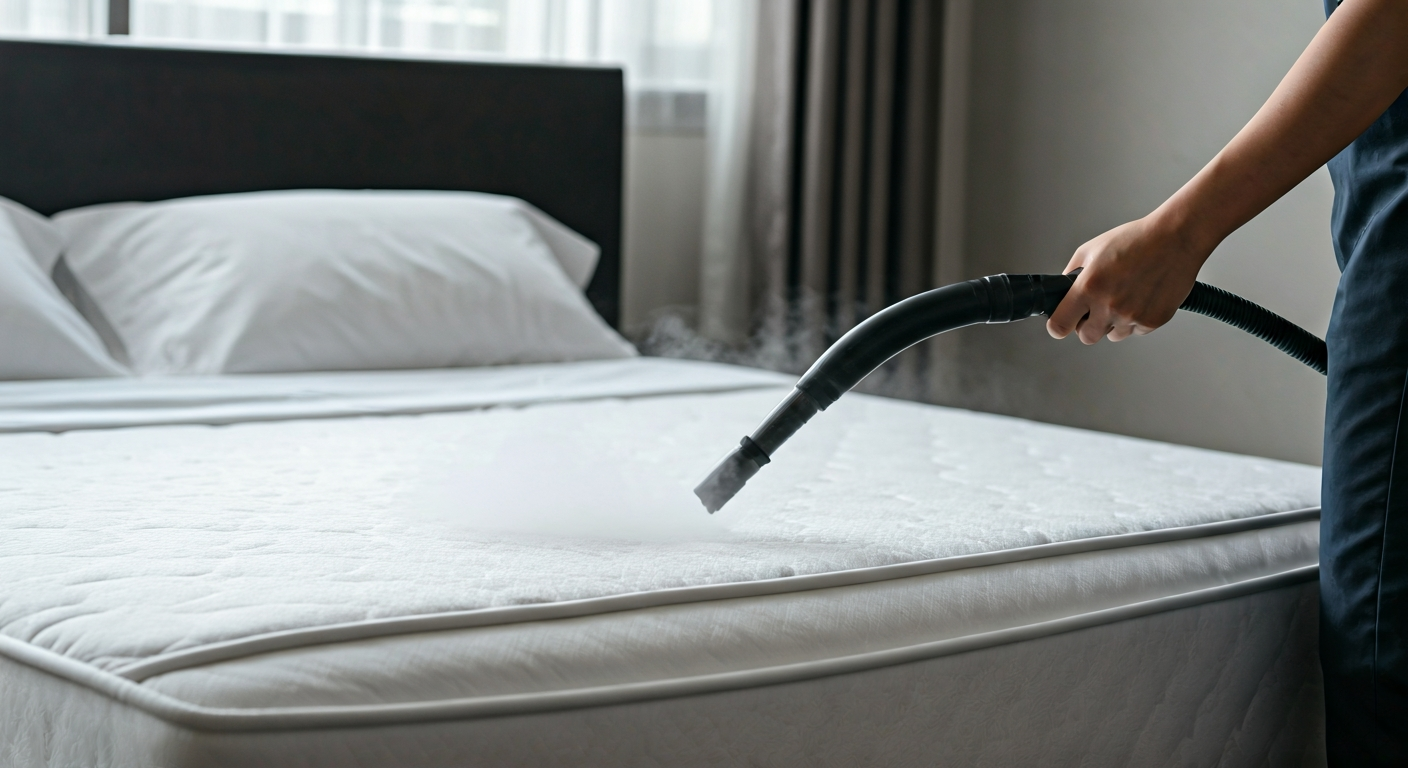
How Often Should You Steam Clean Your Mattress?
Optimal Steam Cleaning Frequency: Your Personalized Schedule
Key Factors Influencing Mattress Cleaning Frequency
- Allergies and Asthma: Individuals suffering from allergies or asthma, particularly those sensitive to dust mites, dander, or pollen, should prioritize more frequent steam cleaning (every 2-3 months). This minimizes allergen buildup, which can trigger respiratory symptoms.
- Pet Ownership: If pets share your bed or frequently lie on it, their dander, hair, and potential outdoor contaminants necessitate a more rigorous cleaning schedule. Consider cleaning every 2-3 months to mitigate allergens and odors.
- Humidity Levels: Mattresses in humid climates or rooms are more susceptible to mold, mildew, and dust mite proliferation. Increased moisture creates an ideal breeding ground, so cleaning every 2-3 months, coupled with thorough drying, is advisable.
- Perspiration and Body Oils: High levels of sweating during sleep can lead to the faster accumulation of body oils and moisture within the mattress, contributing to odors and bacterial growth. More frequent cleaning (3-4 months) can help maintain freshness.
- Accidents and Spills: Any significant liquid spill, pet accident, or bodily fluid incident should prompt immediate spot cleaning and a full steam clean as soon as possible to prevent staining, odors, and microbial growth.
- Mattress Usage: A guest room mattress used infrequently will naturally require less frequent cleaning than a primary bed used nightly. Adjust the schedule based on how often the mattress is occupied.
The Health Imperative: Why Frequency Matters
A Step-by-Step Overview of Mattress Steam Cleaning
Prepare the Mattress
Pre-Treat Stains (Optional)
Fill the Steam Cleaner
Test in an Inconspicuous Area
Steam in Sections
Allow for Ample Drying Time
Flip and Repeat (Optional)
Post-Steam Cleaning Care for Lasting Freshness
Critical Considerations Before You Steam Clean
Integrating Mattress Steam Cleaning into Your Home Maintenance Routine
Key Takeaways
- Personalized Frequency: The general recommendation is every 3-6 months, but tailor this based on allergies, pets, humidity, and mattress usage.
- Health Benefits: Regular steam cleaning significantly reduces allergens, dust mites, bacteria, and odors, contributing to better indoor air quality and improved sleep health.
- Thorough Drying is Paramount: Always ensure your mattress is completely dry before remaking the bed to prevent mold and mildew growth.
- Manufacturer Guidelines: Prioritize checking your mattress's specific care instructions and warranty before steam cleaning, especially for memory foam or latex.
- Proactive Care: Combine steam cleaning with daily practices like airing out your bed, using mattress protectors, and regular vacuuming for optimal long-term mattress health.
Frequently Asked Questions About Mattress Steam Cleaning Schedules
Was this guide helpful?
Your feedback helps our writers improve this help center.
About the Author
Related Guides
See All Topics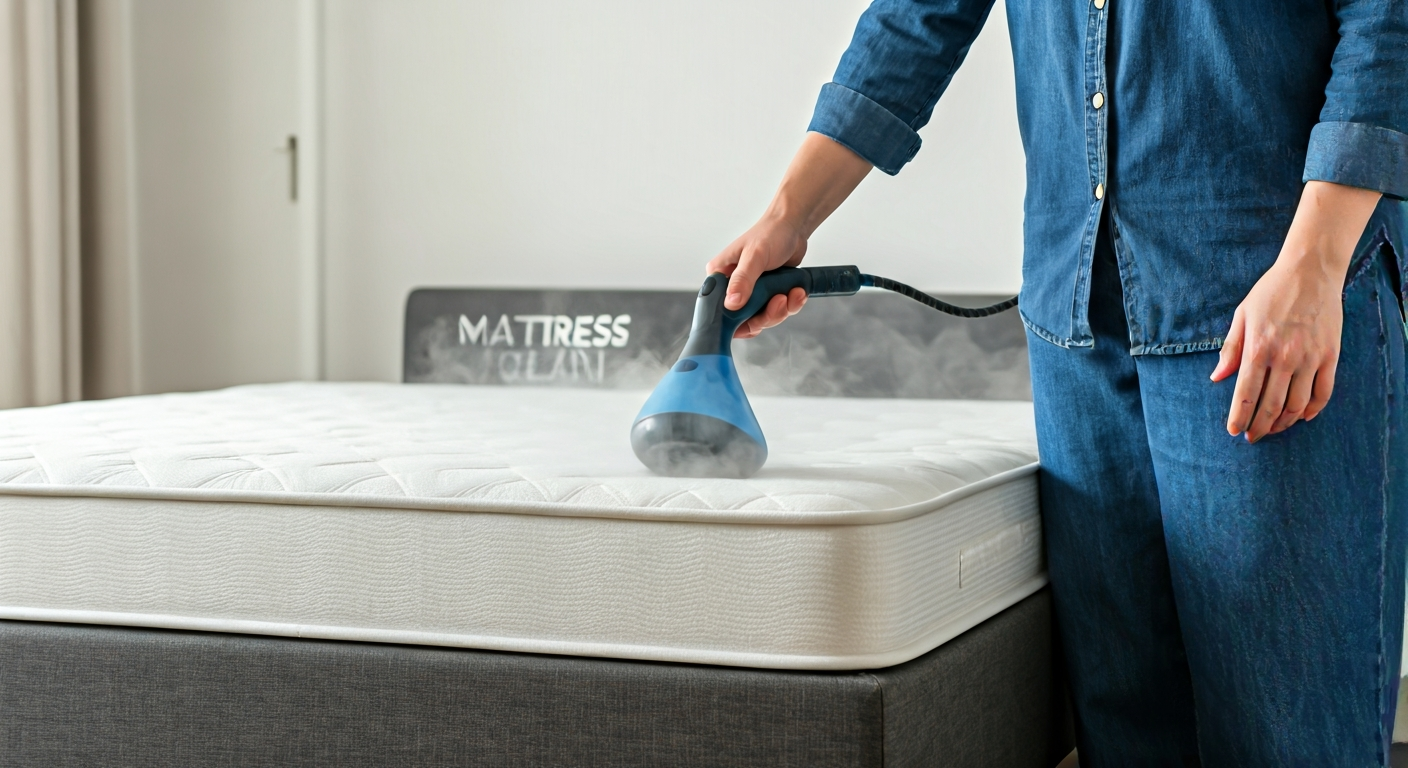
To safely steam clean your mattress at home, begin by thoroughly vacuuming and pre-treating any stains. Use a low-moisture steam cleaner with an upholstery attachment, applying steam sparingly in small sections. Crucially, extract as much moisture as possible and ensure the mattress is completely dry—typically 4-8 hours with good ventilation—before making the bed to prevent mold and mildew.
Steam cleaning is a highly effective method for deep cleaning mattresses, eradicating dust mites, allergens, and odors without harsh chemicals. It utilizes high-temperature steam to sanitize and refresh the fabric. Proper technique, including minimal moisture application and thorough drying, is critical to prevent mold growth and maintain mattress integrity, ensuring a healthier and more comfortable sleep environment.
Regularly steam cleaning your mattress significantly enhances health by eliminating dust mites, allergens, bacteria, and viruses. This process leads to improved indoor air quality, reduced allergy and asthma symptoms, better respiratory health, and ultimately, a more restful and restorative sleep environment. It's a proactive step towards a healthier home and personal well-being.