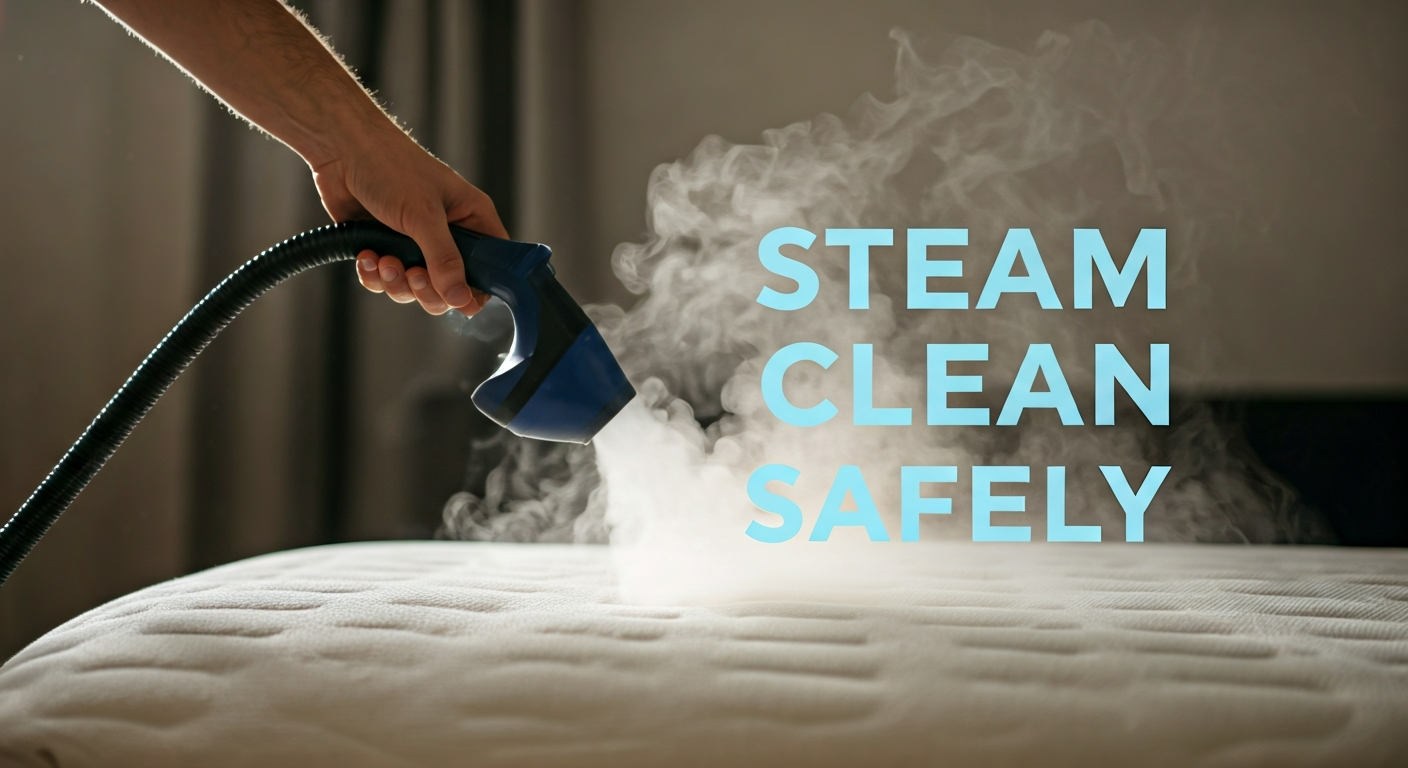
Common Mistakes to Avoid When Steam Cleaning a Mattress
Essential Steps for Safe Mattress Steam Cleaning
- Verify Mattress Compatibility: Always check your mattress care label. Memory foam and latex mattresses are particularly sensitive to heat and moisture. Confirm your mattress type can withstand steam cleaning to avoid mattress damage.
- Pre-Clean and Vacuum Thoroughly: Before introducing steam, vacuum the entire mattress surface meticulously. Use an upholstery attachment to remove loose dirt, dust, hair, and debris. This step prevents dirty particles from being driven deeper into the mattress by the steam.
- Spot Treat Stains: For visible stains, apply a mild, mattress-safe stain remover or a diluted enzyme cleaner. Let it dwell for a few minutes, then blot (do not rub) with a clean cloth. This pre-treatment significantly improves steam cleaning efficacy, as steam alone may not remove set-in stains.
- Perform a Patch Test: Always test your steam cleaner on an inconspicuous area of the mattress, such as the underside or a small corner. Observe for color changes, fabric distortion, or excessive wetness. This is a critical step to ensure compatibility and prevent widespread damage.
- Use Minimal Moisture Settings: The most significant mistake is over-wetting. Adjust your steam cleaner to its lowest moisture setting. The goal is to use hot vapor, not saturate the fabric. Work in small sections, moving the nozzle continuously.
- Maintain Proper Distance and Movement: Hold the steam cleaner nozzle a few inches above the mattress surface and move it steadily in overlapping strokes. Avoid lingering in one spot, which can lead to localized over-wetting and heat concentration.
- Ensure Adequate Ventilation During and After: Open windows and use fans to circulate air during and after cleaning. Good airflow is vital for quick drying and prevents mold growth. For a more detailed process, consult our guide on how to steam clean a mattress at home.
- Allow for Complete Drying: This is arguably the most crucial step. A mattress can take 8-10 hours or even longer to dry completely. Do not put sheets or bedding back on until the mattress is bone dry to the touch. Incomplete drying is a primary cause of mold and mildew.
The Dangers of Over-Wetting Your Mattress
Common Missteps in Steam Cleaning Technique
- Ignoring Manufacturer's Guidelines: Every mattress and steam cleaner comes with specific instructions. Failing to read and adhere to these guidelines, especially regarding heat limits or acceptable cleaning agents, is a fundamental error. Always prioritize the manufacturer's advice to avoid mattress damage.
- Using the Wrong Temperature or Pressure Settings: Too high a temperature can damage delicate mattress fibers or adhesives, while insufficient heat won't effectively kill dust mites or bacteria. Similarly, using a steam cleaner designed for hard floors on upholstery can be too aggressive, leading to fabric degradation.
- Skipping Pre-Treatment for Stains: Steam alone is highly effective for sanitizing and refreshing, but it often struggles with set-in stains. Not pre-treating spots means those stains will likely remain, making the cleaning effort less effective overall. Refer to our complete guide to steam cleaning a mattress for detailed pre-treatment methods.
- Neglecting Ventilation and Drying: As highlighted, improper drying is a gateway to mold. Many users underestimate the time and airflow required for a mattress to dry completely. Rushing this step is a critical error with severe consequences.
- Not Testing in an Inconspicuous Area: Jumping straight into cleaning without a patch test can lead to irreversible discoloration or fabric damage in a visible area. This simple step can save you from significant regret.
- Using Harsh Chemicals in the Steam Cleaner: Unless explicitly stated by the steam cleaner manufacturer, only use water in the reservoir. Adding detergents or chemicals not designed for steam cleaning can damage the machine, leave residues on the mattress, or even release harmful fumes.
- Applying Steam to Incompatible Materials: Not all mattress types tolerate steam well. Memory foam and natural latex, for instance, can be degraded by excessive heat and moisture. Always confirm your mattress material before attempting steam cleaning.
- Failing to Clean the Steam Cleaner Itself: A dirty steam cleaner can deposit grime back onto your mattress. Regularly clean the water tank and nozzles according to the manufacturer's instructions to ensure effective and hygienic cleaning.
Why Ignoring Mattress Material Matters
Post-Cleaning Pitfalls: Ensuring Proper Drying
Key Takeaways for a Successful Steam Clean
Key Takeaways
- Prioritize Proper Preparation: Always vacuum thoroughly and spot treat stains before steam application.
- Prevent Over-Wetting: Use the lowest moisture setting on your steam cleaner, move steadily, and avoid saturating the mattress.
- Check Mattress Compatibility: Ensure your mattress material (especially memory foam or latex) is suitable for steam cleaning.
- Ensure Complete Drying: This is non-negotiable. Use fans, open windows, and allow 8-10+ hours for the mattress to dry completely to prevent mold.
- Test First: Always perform a patch test in an inconspicuous area to avoid discoloration or damage.
Addressing Your Steam Cleaning Concerns
Was this guide helpful?
Your feedback helps our writers improve this help center.
About the Author
Related Guides
See All Topics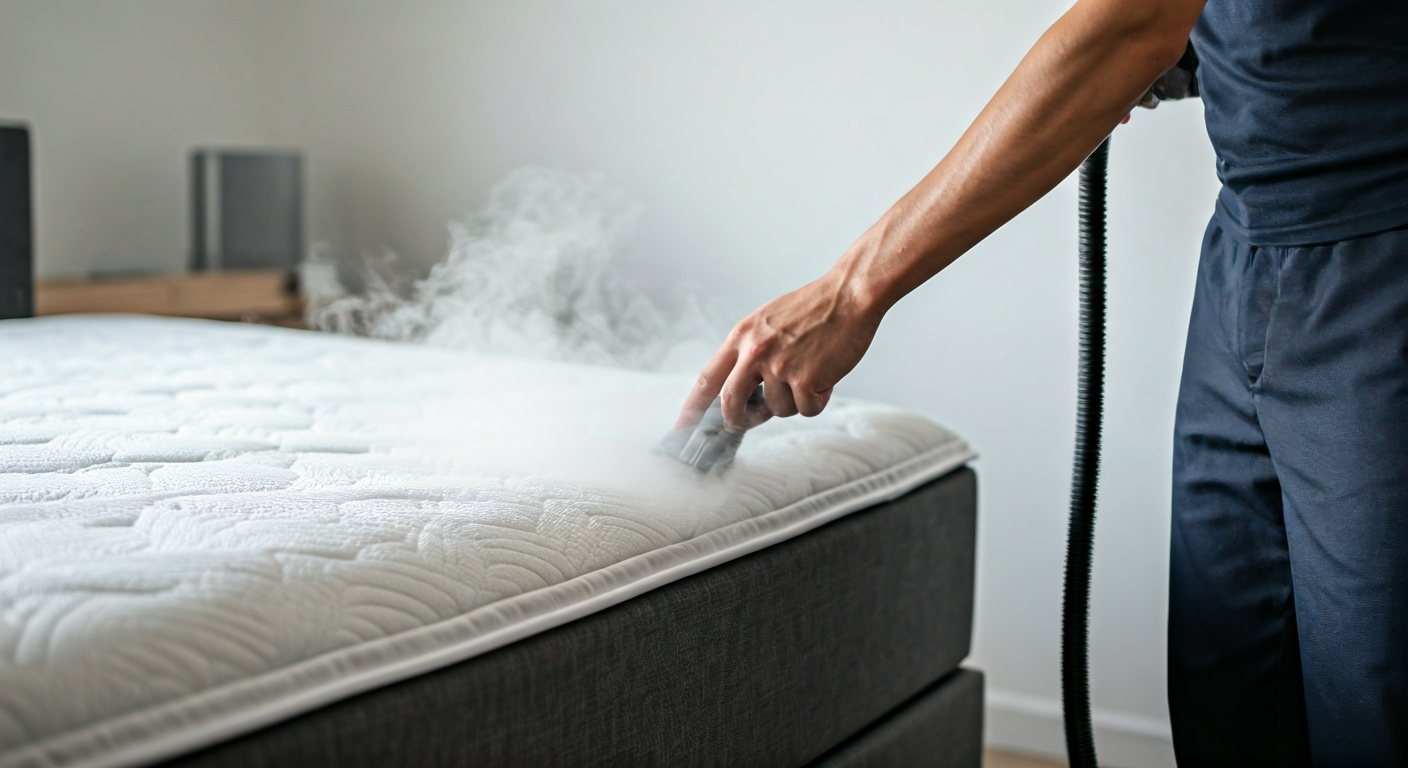
Steam cleaning is highly effective for sanitizing mattresses, eliminating dust mites, allergens, and bacteria without harsh chemicals, making it superior for deep cleaning and hygiene. While vacuuming removes surface debris and baking soda neutralizes odors, chemical cleaners carry risks of residue and moisture. The optimal method depends on your specific needs, mattress type, and desired level of sanitation.
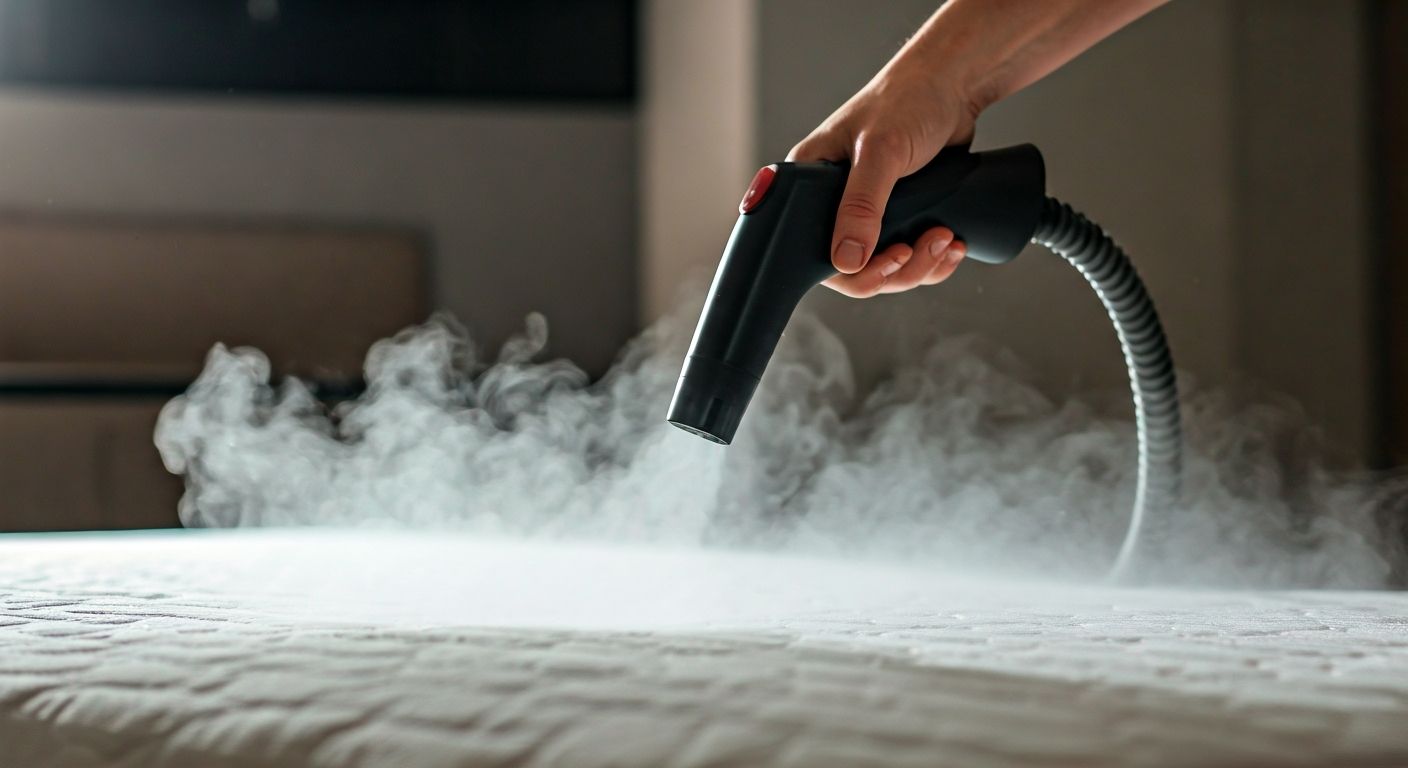
Mattress steam cleaning utilizes high-temperature, low-moisture vapor to sanitize and deep clean mattress surfaces. The intense heat effectively kills dust mites, bacteria, viruses, and allergens, while loosening dirt and grime for easy removal. This chemical-free method refreshes and deodorizes your mattress, promoting a healthier sleep environment by breaking down contaminants at a microscopic level.
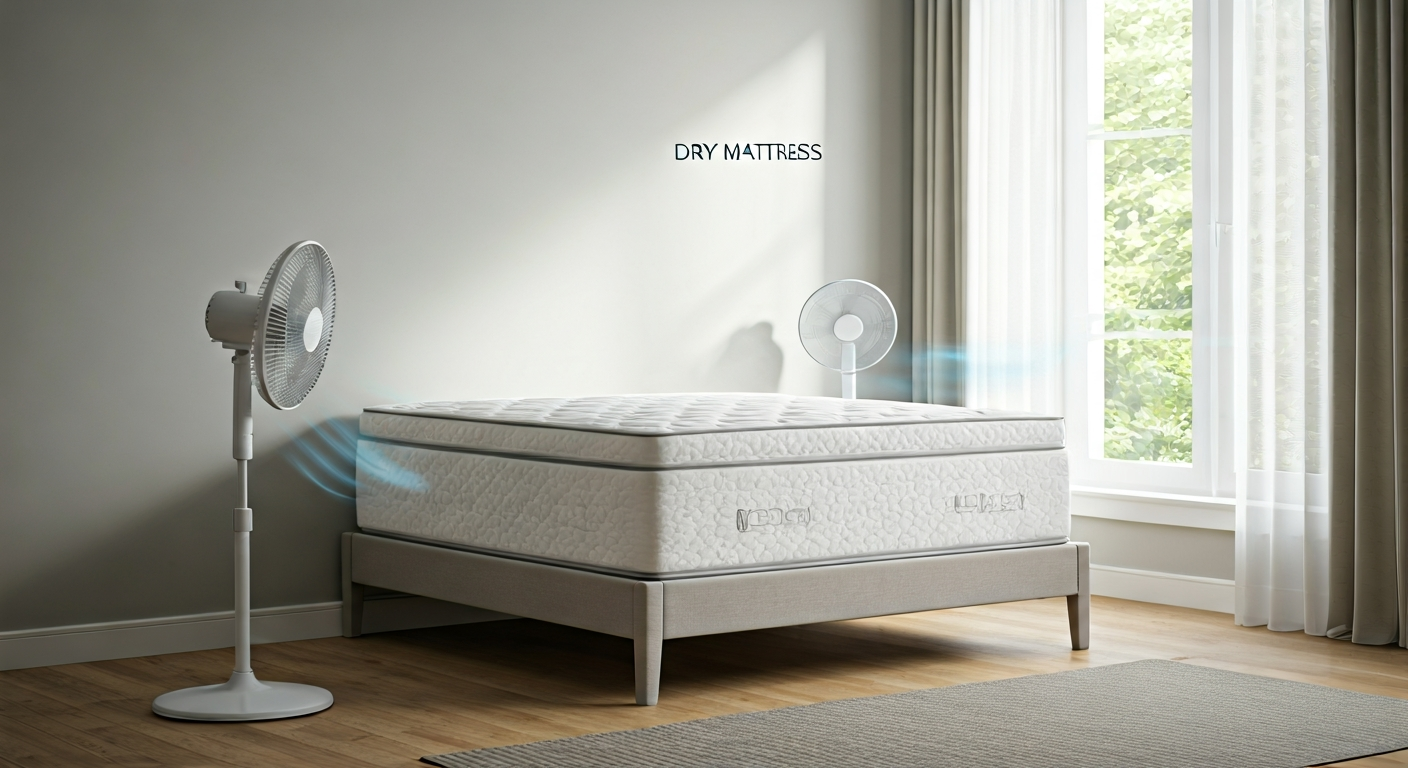
After steam cleaning, immediate and thorough drying is crucial to prevent mold, mildew, and odors. Ensure maximum ventilation, use fans for air circulation, and employ a dehumidifier. Blot excess moisture, elevate the mattress for airflow on all sides, and allow at least 12-24 hours for complete drying. Patience and diligent monitoring of moisture levels are key to maintaining mattress hygiene and longevity.