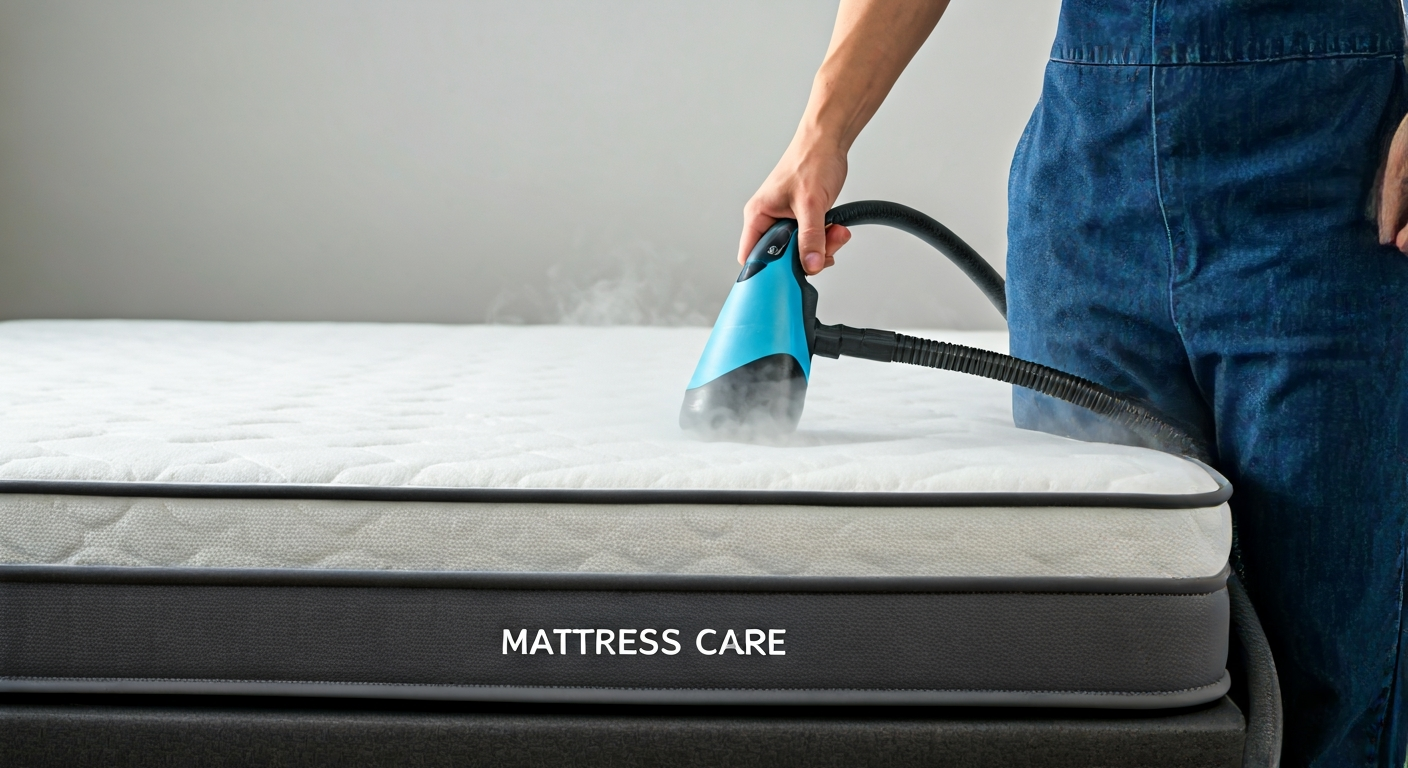
A person using a handheld steam cleaner on a mattress, emphasizing safe and cautious cleaning practices with 'MATTRESS CARE' text.

Can Steam Cleaning Damage Your Mattress? Risks and Precautions

A
Ali Hassan
Writer
The Answer
Yes, steam cleaning can damage a mattress if not performed correctly, primarily due to excessive moisture leading to mold, mildew, and structural degradation. However, with proper technique, suitable equipment, and strict adherence to drying protocols, steam cleaning can be a safe and effective way to sanitize and refresh your mattress, removing allergens and stains without harm.
Mattresses are significant investments that play a crucial role in our health and well-being. Over time, they accumulate dust mites, allergens, dead skin cells, and occasional stains, making deep cleaning a desirable option. Steam cleaning, with its ability to sanitize using high-temperature vapor, often comes to mind as a powerful solution. However, the delicate nature of mattress materials and the risk of moisture retention raise valid concerns about potential damage. Understanding the specific risks involved and implementing strict precautions are essential to leverage the benefits of steam cleaning without compromising your mattress's integrity or lifespan. This guide will walk you through the necessary steps and considerations to ensure a safe and effective cleaning process.

How to Safely Steam Clean Your Mattress: A Step-by-Step Guide

1

Prepare Your Mattress and Workspace

Begin by stripping all bedding. Vacuum the entire mattress thoroughly using an upholstery attachment to remove surface dust, dirt, and loose debris. Ensure the room is well-ventilated; open windows and use fans to promote air circulation, which is critical for drying. For a complete guide on preparing your mattress for steam cleaning, refer to our detailed instructions.
2

Spot Treat Stains Before Steaming

Address any visible stains with a suitable mattress stain remover or a mild DIY solution (e.g., diluted hydrogen peroxide or white vinegar). Apply the cleaner to a clean cloth, dab the stain, and blot dry. Avoid saturating the fabric, as excess moisture will exacerbate drying challenges. Allow the spot treatment to dry completely before proceeding.
3

Select the Right Steam Cleaner and Setting

Use a handheld or upholstery-specific steam cleaner with adjustable steam settings. Opt for a unit that produces 'dry' steam, meaning less moisture output, to minimize saturation. If your steamer has a pressure setting, choose a lower one. Avoid industrial-strength machines that can inject too much water. Test the steamer on an inconspicuous area first to check for discoloration or fabric sensitivity.
4

Apply Steam Sparingly and Methodically

Work in small sections, moving the steam cleaner quickly and evenly across the mattress surface. Hold the nozzle a few inches away, allowing the steam to penetrate without direct contact that could over-saturate. Overlap your passes slightly. Focus on high-contact areas, but do not dwell on any single spot. The goal is to sanitize, not soak. Excessive moisture is one of the common mistakes to avoid when steam cleaning your mattress.
5

Immediately Extract Moisture

After steaming a section, use a clean, dry microfiber towel to immediately blot and absorb any residual moisture. You can also use a wet/dry vacuum on a low-suction setting if available, ensuring the nozzle does not scratch the mattress fabric. This step is critical to prevent water penetration into the mattress core.
6

Ensure Thorough Drying

This is arguably the most important step. After steaming and blotting, prop the mattress upright or stand it on its side to expose as much surface area as possible to air. Maximize air circulation with fans, dehumidifiers, and open windows. Aim for a drying time of at least 12-24 hours, or even longer depending on humidity levels. The mattress must be bone dry before replacing bedding or using it again. For more detailed drying strategies, consult our guide on post-steam cleaning mattress care.
7

Inspect and Repeat if Necessary

Once dry, inspect the mattress for any remaining stains or odors. If necessary, you can repeat the spot treatment and light steaming process on specific areas, but always prioritize thorough drying between applications. Never put a damp mattress protector or sheets back on a damp mattress.

The Undeniable Risks of Improper Mattress Steam Cleaning

While steam cleaning offers significant sanitization benefits, missteps can lead to severe and irreversible damage to your mattress. The primary culprit is excessive moisture, which can permeate the various layers of the mattress, from the upholstery fabric to the foam or innerspring core. Unlike surface cleaning, moisture trapped within the mattress creates a perfect breeding ground for undesirable biological growth, significantly impacting both the mattress's lifespan and your health.
One of the most concerning risks is the development of mold and mildew. Mattresses provide a dark, often warm, and now damp environment ideal for fungal growth. Mold spores can rapidly proliferate, causing unpleasant musty odors, staining the fabric, and, more importantly, posing serious health risks. Exposure to mold can trigger allergies, asthma attacks, respiratory issues, and other adverse health effects. Once mold establishes itself deep within a mattress, it is exceedingly difficult, if not impossible, to eradicate completely, often necessitating mattress replacement. The Environmental Protection Agency (EPA) provides extensive resources on the health effects and remediation of mold, emphasizing the importance of preventing moisture intrusion.
Beyond biological hazards, excessive steam cleaning can compromise the structural integrity of the mattress. Many modern mattresses contain layers of memory foam, latex, or specialized synthetic foams. These materials can degrade or break down when exposed to high heat and prolonged moisture. Foam layers might lose their supportive properties, leading to sagging, uneven surfaces, and a diminished comfort level. Furthermore, moisture can rust innerspring coils, weakening the frame and producing squeaks. Fabric damage, such as shrinking, discoloration, or weakening of synthetic fibers, is also a possibility, especially with direct, prolonged application of high-temperature steam. These damages collectively reduce the mattress's lifespan and overall performance, undermining your investment.

Steam Cleaning Your Mattress: Benefits vs. Drawbacks

Pros

  • Effective sanitation: High temperatures kill dust mites, bacteria, viruses, and other pathogens without harsh chemicals.
  • Odor elimination: Steam can neutralize odors trapped in mattress fibers, leaving it smelling fresher.
  • Stain removal: Aids in breaking down and lifting certain types of stains, especially fresh ones.
  • Allergen reduction: Significantly reduces common allergens like dust mite debris and pet dander.

Cons

  • Risk of mold and mildew: Excessive moisture can lead to fungal growth, posing health risks and damaging the mattress.
  • Potential for structural damage: High heat and moisture can degrade foam layers, rust springs, or compromise adhesives.
  • Long drying time required: Mattresses can take 12-24 hours or more to dry completely, making it inconvenient.
  • Fabric discoloration or shrinkage: Some delicate fabrics may react poorly to heat and moisture, leading to damage.
  • Not suitable for all mattress types: Latex or certain memory foam mattresses may be particularly vulnerable to damage from steam.

Essential Precautions Before You Steam Clean

  • Check your mattress manufacturer's warranty and care instructions. Some warranties are voided by steam cleaning.
  • Ensure your steam cleaner is suitable for upholstery and has adjustable steam settings (preferably low moisture/dry steam).
  • Thoroughly vacuum the mattress surface to remove all loose debris and dust.
  • Spot-test the steam cleaner on an inconspicuous area of the mattress to check for fabric reaction or discoloration.
  • Confirm you have adequate ventilation (open windows, fans) and a dehumidifier available for rapid drying.
  • Have plenty of clean, dry microfiber towels on hand for immediate moisture extraction.
  • Plan your cleaning for a day when you can allow at least 12-24 hours (or more) for the mattress to dry completely.
  • Avoid using detergents or chemical additives in the steam cleaner, as they can leave residues.
  • Understand that steam cleaning is not a substitute for professional cleaning for heavily soiled or infested mattresses.

The Golden Rule: Prioritize Post-Cleaning Ventilation and Drying

The single most critical factor in preventing damage after steam cleaning is ensuring your mattress is completely and utterly dry. Any residual moisture is an invitation for mold and mildew, which can destroy your mattress and harm your health. After steaming and blotting, elevate the mattress to allow maximum airflow around all sides. Use multiple fans directed at the mattress and run a dehumidifier in the room. If possible, consider placing it in a sunny, well-ventilated area for a few hours (protecting it from direct harsh sunlight which can degrade some materials). Do not rush this process. Patience here is paramount to protecting your investment. For more details on this crucial step, see our guide on effective post-steam cleaning mattress care.

Summary: Balancing Cleanliness with Mattress Preservation

Key Takeaways

  • Steam cleaning can sanitize and refresh your mattress, effectively killing dust mites and pathogens.
  • The primary risk of steam cleaning is excessive moisture leading to mold, mildew, and structural damage.
  • Always check your mattress warranty and care instructions before attempting any deep cleaning.
  • Use a low-moisture steam cleaner, work quickly, and avoid over-saturating the mattress fabric.
  • Immediate and thorough moisture extraction (blotting, wet/dry vacuum) is crucial post-steaming.
  • Uncompromisingly prioritize drying: allow 12-24 hours with ample ventilation (fans, dehumidifiers) until completely dry.
  • For routine cleaning, vacuuming, spot treatment, and mattress protectors are safer and more frequent options.
  • When in doubt, consult a professional mattress cleaner who uses specialized equipment and drying techniques.

Frequently Asked Questions About Mattress Steam Cleaning

Was this guide helpful?

Your feedback helps our writers improve this help center.

Helpful for 7 readers

About the Author

A
Ali Hassan
Expert Author
Writer

"Professional writer."

Related Guides

See All Topics
A white mattress being steam cleaned by a handheld steam cleaner, with clean steam gently rising. The text 'MATTRESS CLEAN' is subtly integrated.

Steam cleaning is a highly effective method for deep cleaning mattresses, eradicating dust mites, allergens, and odors without harsh chemicals. It utilizes high-temperature steam to sanitize and refresh the fabric. Proper technique, including minimal moisture application and thorough drying, is critical to prevent mold growth and maintain mattress integrity, ensuring a healthier and more comfortable sleep environment.
20 Found This Helpful
Read Guide
A pristine, bright white mattress, freshly steam cleaned, with the words 'Healthy Sleep' subtly integrated into the image, surrounded by a soft, clean ambiance.

Regularly steam cleaning your mattress significantly enhances health by eliminating dust mites, allergens, bacteria, and viruses. This process leads to improved indoor air quality, reduced allergy and asthma symptoms, better respiratory health, and ultimately, a more restful and restorative sleep environment. It's a proactive step towards a healthier home and personal well-being.
19 Found This Helpful
Read Guide
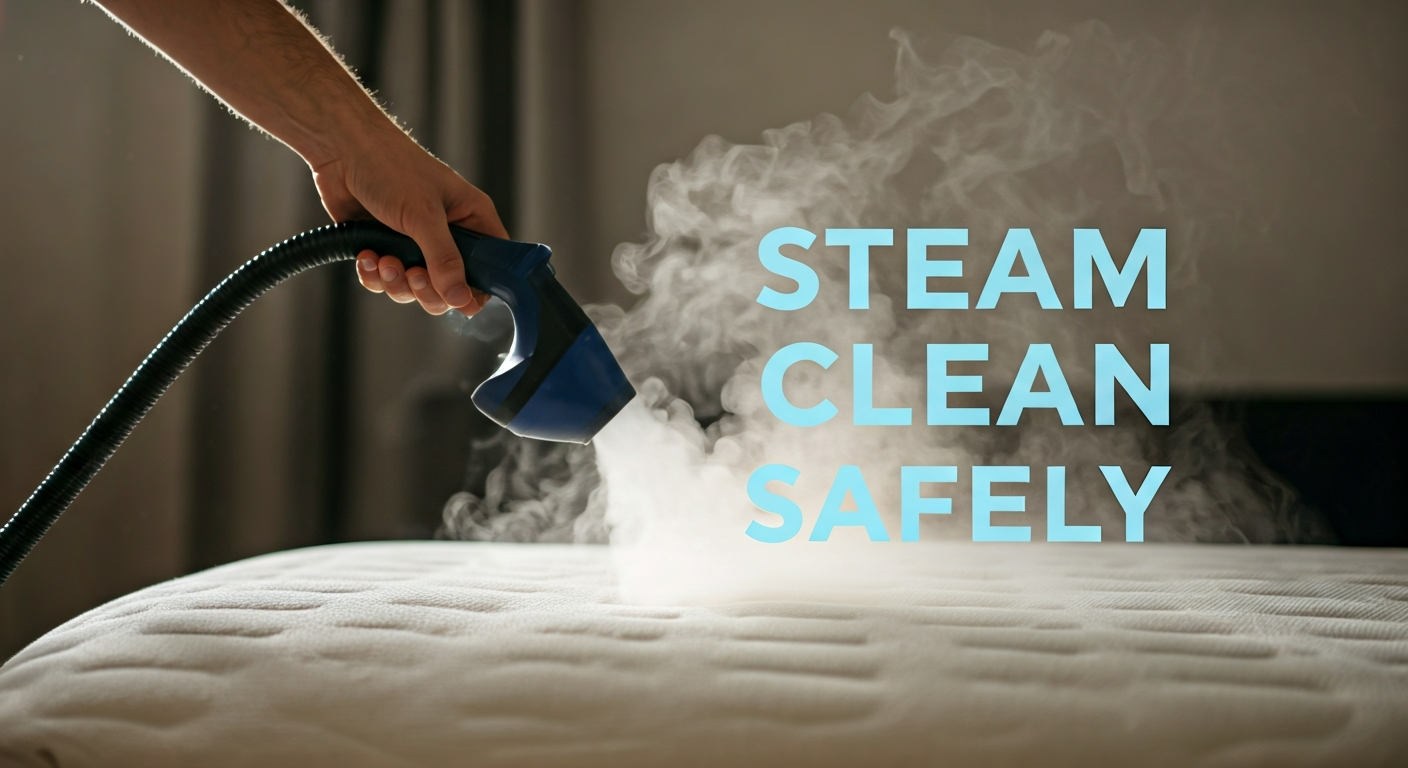
A hand using a handheld steam cleaner on a mattress, emitting a fine mist, with 'Steam Clean Safely' text visible.

To avoid damaging your mattress when steam cleaning, prevent over-wetting by using minimal moisture and a low heat setting. Always pre-test a hidden area for colorfastness and material compatibility. Ensure thorough drying with fans and good ventilation for at least 8-10 hours to prevent mold growth and odors. Skipping these crucial steps can lead to permanent damage and health risks.

3 Found This Helpful
Read Guide
BroadMatters LogoBroadMatters

Clear, simple guides and everyday explanations to help you solve common problems with confidence.

Stay Updated

Get our latest guides and simple tips delivered directly to your inbox.

By joining, you agree to our Terms and Privacy Policy.

© 2026 BroadMatters Help Center. All rights reserved.

contact@broadmatters.com