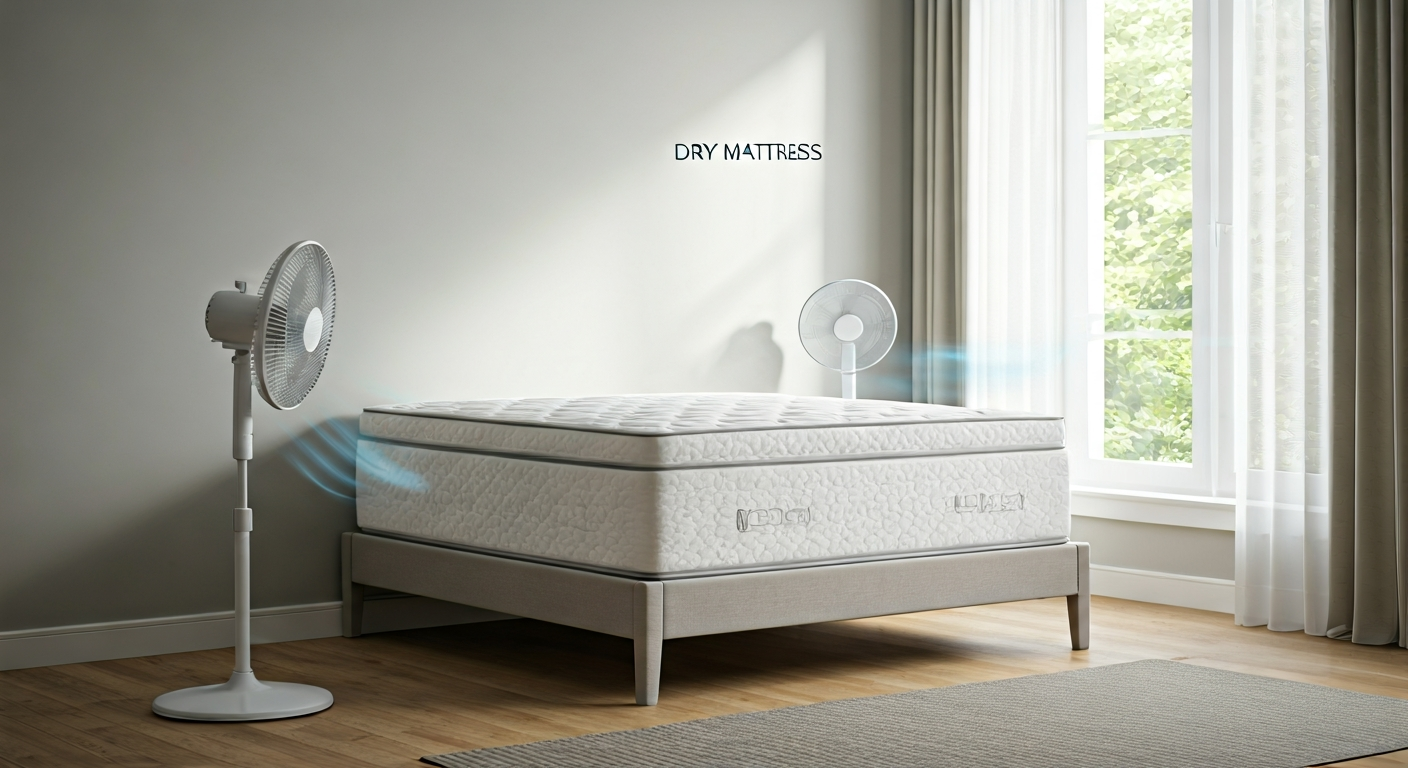
Best Practices for Post-Steam Cleaning Mattress Care and Drying
The Essential 8-Step Process for Drying Your Mattress
Step 1: Maximize Room Ventilation Immediately
Step 2: Blot Excess Surface Moisture
Step 3: Position Mattress for All-Around Airflow
Step 4: Deploy Fans for Active Air Circulation
Step 5: Utilize a Dehumidifier
Step 6: Incorporate Gentle Heat (Optional and Cautious)
Step 7: Flip and Rotate Periodically
Step 8: Perform a Thorough Dryness Inspection
Understanding the Risks: Why Proper Drying is Non-Negotiable
Tip: Accelerating Drying Times Safely
Pre-Drying and Post-Drying Assurance Checklist
- Before Drying: Remove all bedding, mattress protectors, and pillows from the room.
- Before Drying: Verify all windows and doors are open, or ventilation fans are active.
- Before Drying: Prepare a stack of clean, dry, absorbent towels.
- Before Drying: Ensure all drying equipment (fans, dehumidifier) is in good working order and placed strategically.
- During Drying: Regularly check for damp spots, especially in seams and crevices, and blot as needed.
- During Drying: Rotate and flip the mattress every 2-4 hours to expose all sides to airflow.
- Post-Drying: Perform a thorough visual and tactile inspection of the entire mattress for dampness.
- Post-Drying: Sniff test for any lingering musty odors, which indicate residual moisture or mold.
- Post-Drying: (Optional but Recommended) Use a digital moisture meter to confirm interior dryness (aim for under 15% moisture content).
- Post-Drying: Vacuum the mattress surface thoroughly to remove any dislodged debris or lingering dust mites.
- Post-Drying: Apply a light dusting of baking soda, let it sit for 30 minutes, then vacuum to neutralize any remaining odors.
- Post-Drying: Replace fresh, clean bedding only when 100% certain the mattress is completely dry.
Monitoring Moisture Levels: Ensuring Complete Dryness
Long-Term Mattress Care Post-Steam Cleaning
- Invest in a Quality Mattress Protector: Once your mattress is thoroughly dry, immediately cover it with a high-quality, waterproof, and breathable mattress protector. This barrier will shield against future spills, sweat, dust mites, and allergens, prolonging the cleanliness and lifespan of your mattress. For further guidance on maintaining your mattress's condition, the Sleep Foundation offers valuable mattress care tips.
- Regular Vacuuming: Even with a protector, regularly vacuum your mattress surface. A quick pass with a brush attachment every few months can help remove dust, dead skin cells, and allergens that accumulate over time.
- Rotate and Flip Regularly: Follow your mattress manufacturer's recommendations for rotating (head-to-foot) or flipping (top-to-bottom) your mattress. This helps distribute wear evenly and can contribute to better airflow, preventing moisture buildup in specific areas.
- Address Spills Immediately: If any spills occur post-cleaning, tackle them promptly. Blot, don't rub, and use a minimal amount of appropriate cleaner, ensuring to dry the area thoroughly with fans and ventilation afterwards to prevent new moisture issues.
- Maintain Room Humidity: Keep your bedroom's humidity levels in check, ideally between 30-50%. Using a dehumidifier during humid seasons can prevent general moisture buildup in the room, which can indirectly affect your mattress.
- Annual Airing Out: Even without steam cleaning, periodically strip your bed, open windows, and allow your mattress to air out for several hours. This simple practice helps dissipate trapped moisture and refresh the mattress.
Key Takeaways for a Perfectly Dried Mattress
Key Takeaways
- Immediate Action is Key: Start the drying process immediately after steam cleaning to prevent mold and mildew.
- Maximize Airflow: Prioritize excellent ventilation, using open windows, fans, and positioning the mattress for 360-degree air circulation.
- Dehumidifiers are Your Friend: Employ a dehumidifier to actively remove moisture from the air, significantly accelerating drying.
- Patience and Thoroughness: Allow ample time (12-48 hours) for complete drying and meticulously check all areas for dampness before use.
- Avoid Direct Heat: Never use hairdryers or intense direct heat, as this can damage mattress materials. Rely on ambient warmth and air circulation.
- Long-Term Protection: Once dry, use a high-quality mattress protector and implement regular care routines to maintain cleanliness and extend mattress life.
Frequently Asked Questions About Mattress Drying
Was this guide helpful?
Your feedback helps our writers improve this help center.
About the Author
Related Guides
See All Topics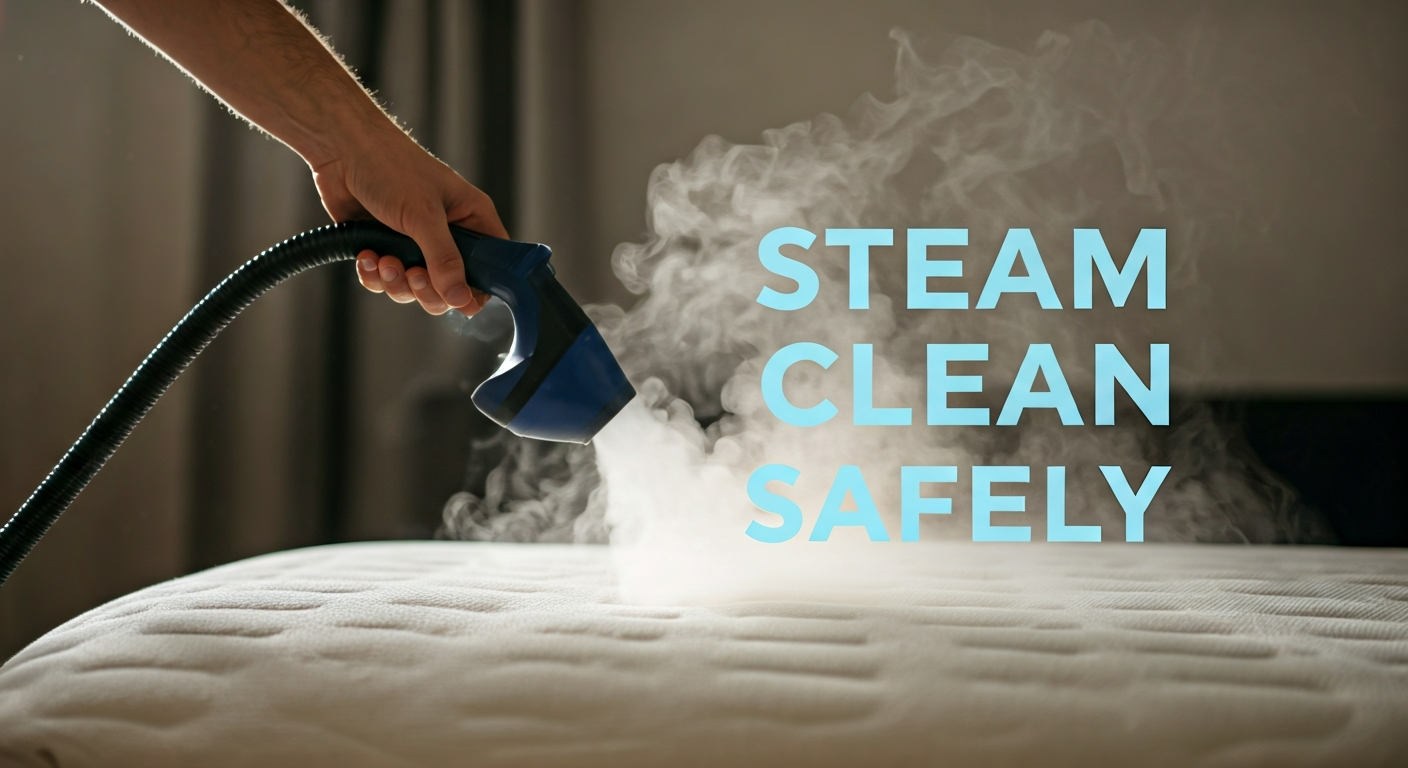
To avoid damaging your mattress when steam cleaning, prevent over-wetting by using minimal moisture and a low heat setting. Always pre-test a hidden area for colorfastness and material compatibility. Ensure thorough drying with fans and good ventilation for at least 8-10 hours to prevent mold growth and odors. Skipping these crucial steps can lead to permanent damage and health risks.
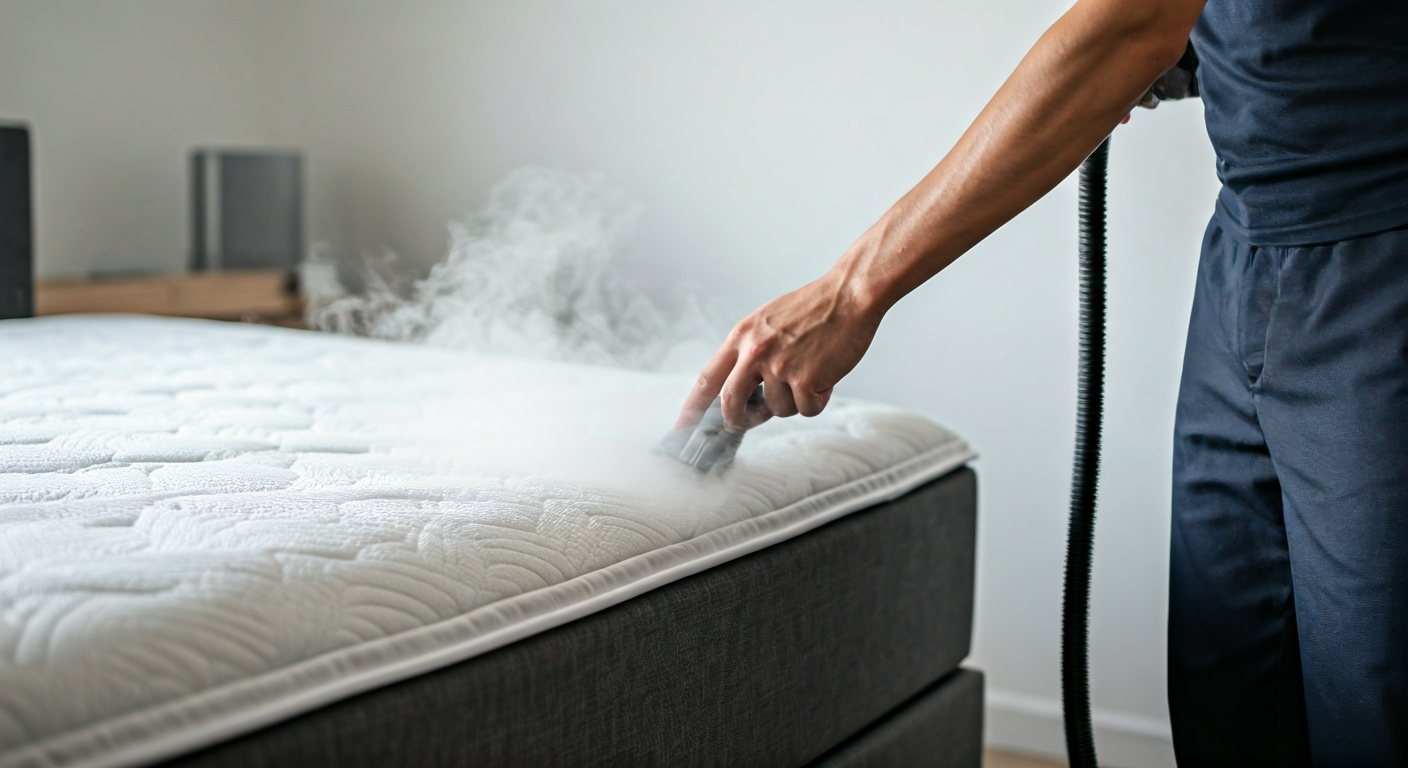
Steam cleaning is highly effective for sanitizing mattresses, eliminating dust mites, allergens, and bacteria without harsh chemicals, making it superior for deep cleaning and hygiene. While vacuuming removes surface debris and baking soda neutralizes odors, chemical cleaners carry risks of residue and moisture. The optimal method depends on your specific needs, mattress type, and desired level of sanitation.
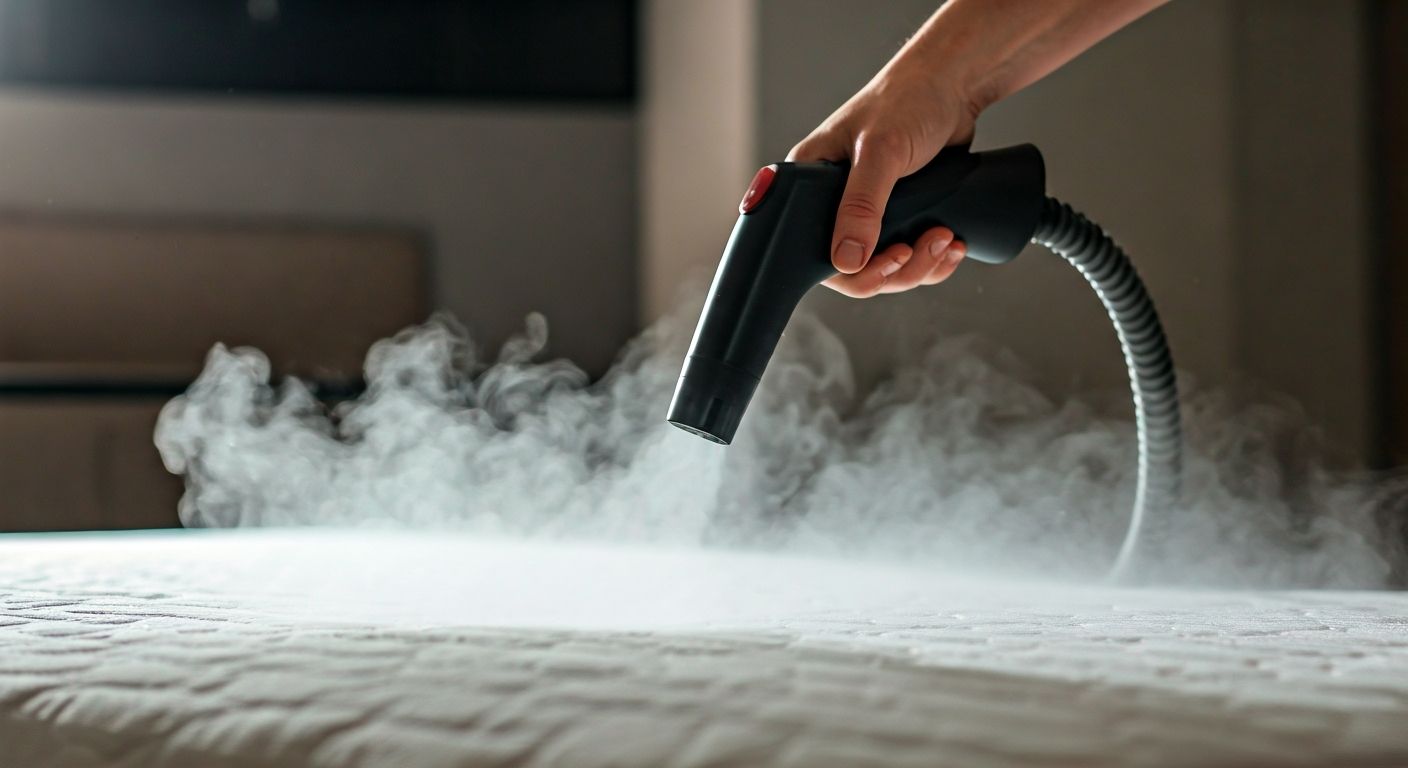
Mattress steam cleaning utilizes high-temperature, low-moisture vapor to sanitize and deep clean mattress surfaces. The intense heat effectively kills dust mites, bacteria, viruses, and allergens, while loosening dirt and grime for easy removal. This chemical-free method refreshes and deodorizes your mattress, promoting a healthier sleep environment by breaking down contaminants at a microscopic level.