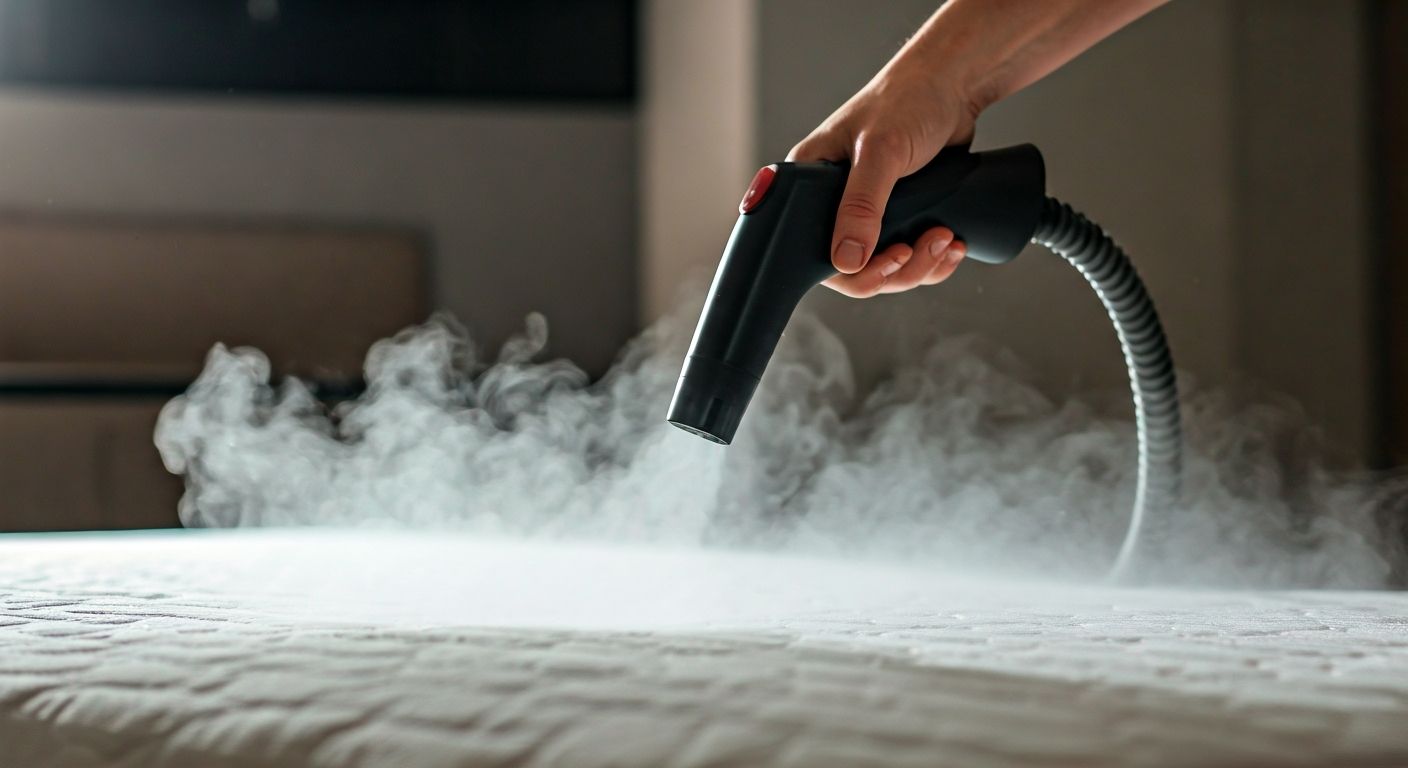
What is Mattress Steam Cleaning and How Does it Work?
The Science Behind Mattress Steam Cleaning: Heat, Pressure, and Disinfection
Key Benefits of Steam Cleaning Your Mattress
- Eliminates Dust Mites and Allergens: The high heat from steam is highly effective at killing dust mites, their eggs, and neutralizing their allergenic droppings, significantly improving air quality.
- Kills Bacteria and Viruses: Steam's elevated temperatures destroy harmful bacteria, viruses, and fungi, providing a sanitized sleeping surface and reducing the risk of illness.
- Removes Odors: Steam penetrates mattress fibers to break down odor-causing compounds, leaving your mattress fresh and free from lingering smells caused by sweat, spills, or pets.
- Chemical-Free Cleaning: It's an eco-friendly cleaning method that relies solely on heated water, making it safe for households with children, pets, or individuals sensitive to cleaning chemicals.
- Extends Mattress Lifespan: Regular cleaning helps prevent the accumulation of dirt, sweat, and biological matter that can degrade mattress materials over time, thus prolonging its usability.
- Improves Sleep Quality: A cleaner, allergen-free mattress contributes to better respiratory health and a more comfortable, restorative sleep experience, as detailed in our guide on the health benefits of steam cleaning.
Step-by-Step: How to Steam Clean Your Mattress Effectively
Prepare Your Mattress
Spot Treat Stains (Optional)
Fill and Heat Your Steamer
Test a Small, Inconspicuous Area
Steam Clean in Sections
Wipe and Blot
Ensure Thorough Drying
Flip and Repeat (Optional)
Mattress Health at a Glance
The Power of Steam: A Recap for a Cleaner Sleep
Key Takeaways
- Mattress steam cleaning is a highly effective, chemical-free method for deep cleaning and sanitizing your mattress.
- It uses high-temperature, low-moisture vapor to kill dust mites, bacteria, viruses, and allergens, while loosening dirt and odors.
- The process involves preparing the mattress, careful steaming in sections, and critical thorough drying to prevent mold and mildew.
- Regular steam cleaning contributes to a healthier sleep environment by reducing allergens, eliminating odors, and extending the lifespan of your mattress.
- Understanding the science and proper technique ensures a fresh, hygienic, and restorative sleep space without the use of harsh chemicals.
Common Questions About Mattress Steam Cleaning
Was this guide helpful?
Your feedback helps our writers improve this help center.
About the Author
Related Guides
See All Topics
To avoid damaging your mattress when steam cleaning, prevent over-wetting by using minimal moisture and a low heat setting. Always pre-test a hidden area for colorfastness and material compatibility. Ensure thorough drying with fans and good ventilation for at least 8-10 hours to prevent mold growth and odors. Skipping these crucial steps can lead to permanent damage and health risks.
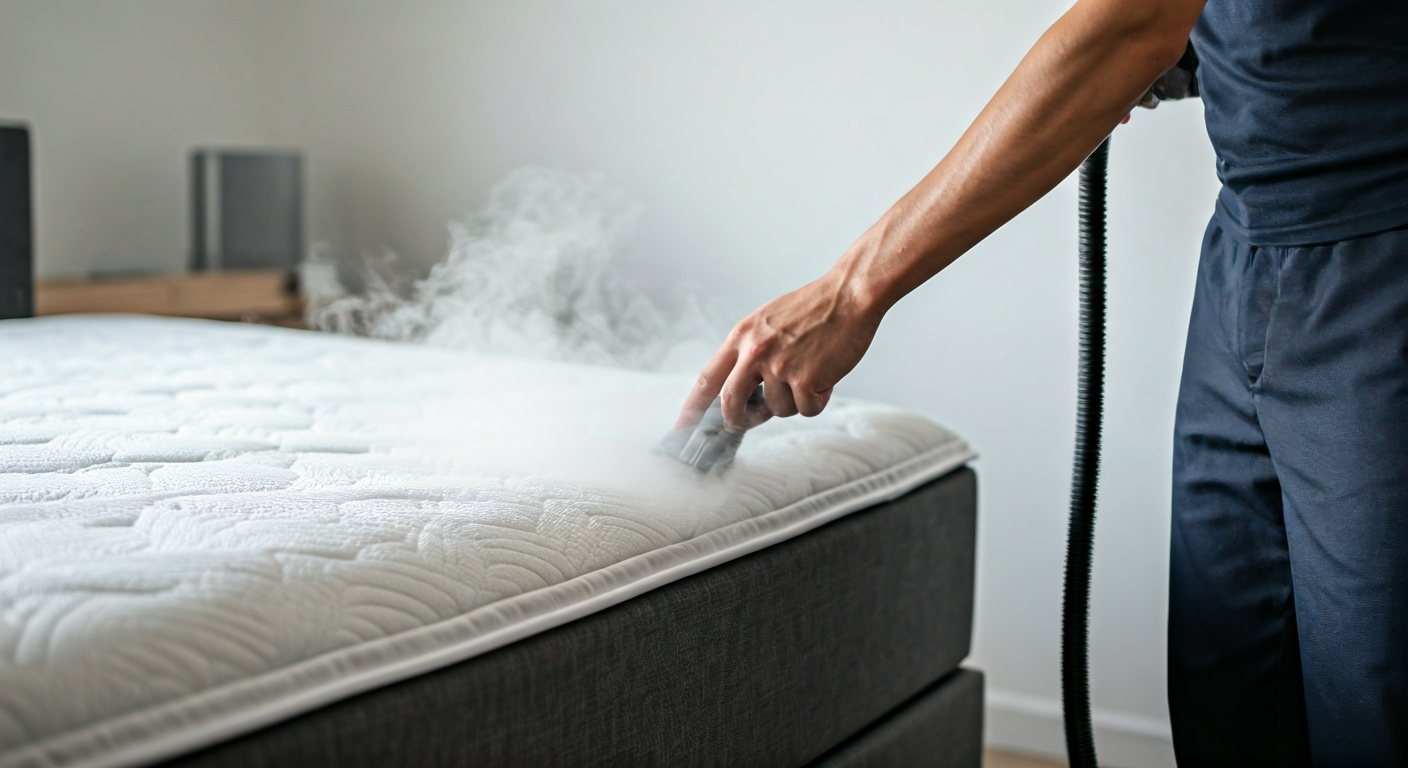
Steam cleaning is highly effective for sanitizing mattresses, eliminating dust mites, allergens, and bacteria without harsh chemicals, making it superior for deep cleaning and hygiene. While vacuuming removes surface debris and baking soda neutralizes odors, chemical cleaners carry risks of residue and moisture. The optimal method depends on your specific needs, mattress type, and desired level of sanitation.
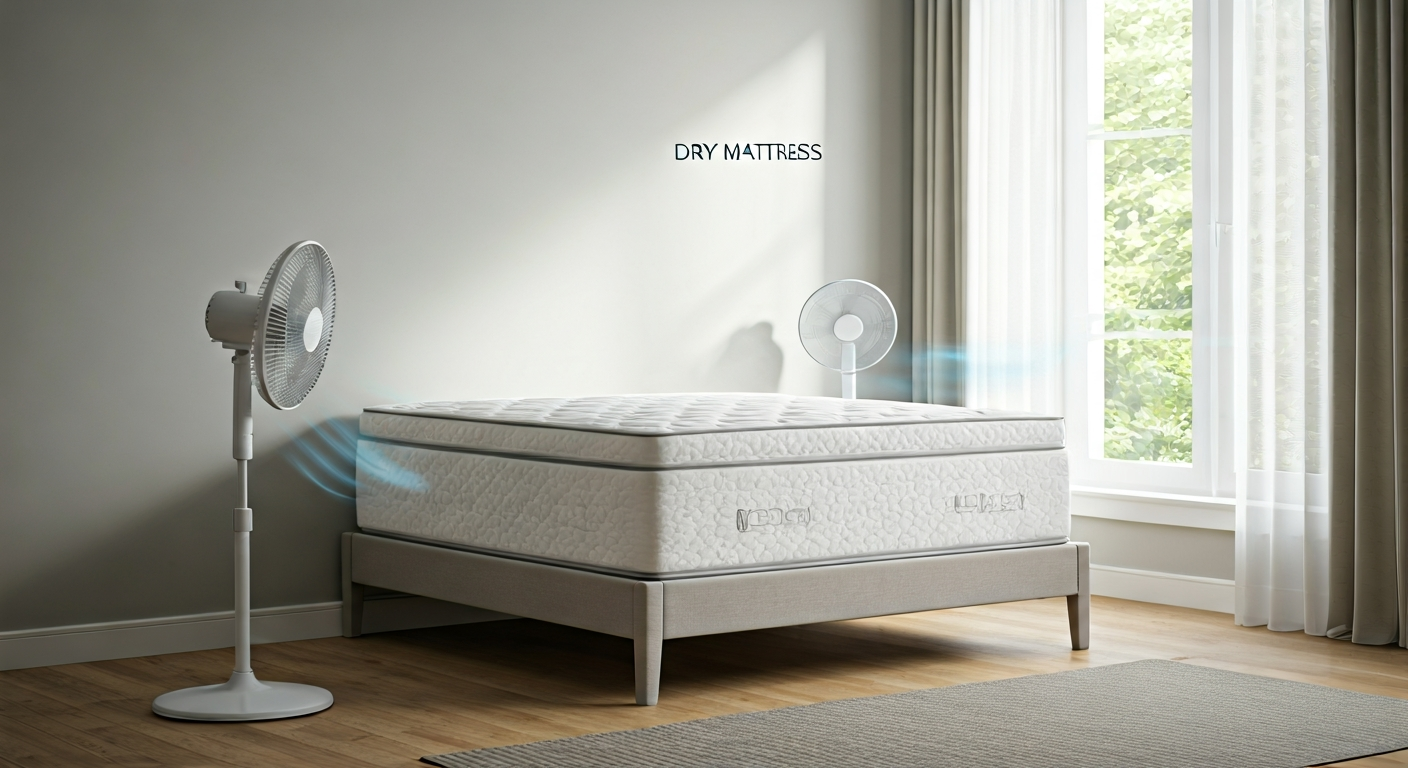
After steam cleaning, immediate and thorough drying is crucial to prevent mold, mildew, and odors. Ensure maximum ventilation, use fans for air circulation, and employ a dehumidifier. Blot excess moisture, elevate the mattress for airflow on all sides, and allow at least 12-24 hours for complete drying. Patience and diligent monitoring of moisture levels are key to maintaining mattress hygiene and longevity.