Steam Cleaning vs. Other Mattress Cleaning Methods: A Comparative Guide
Understanding Steam Cleaning for Mattresses: The Deep Clean Standard
Mattress Cleaning Methods: A Comparative Overview
| Method | Primary Benefit | Effectiveness | Drying Time | Cost | Chemical Use | Best For |
|---|---|---|---|---|---|---|
| Steam Cleaning | Deep sanitization, allergen removal | High (kills dust mites, bacteria, viruses) | 1-4 hours (minimal moisture) | Medium (initial steamer purchase) | None/Minimal | Allergy sufferers, general deep cleaning, sanitization |
| Vacuuming | Surface debris and dust removal | Low to Medium (surface level only) | N/A (dry method) | Low (if vacuum owned) | None | Routine maintenance, pre-treatment |
| Baking Soda | Odor absorption, moisture wicking | Low (odor neutralization, not deep cleaning) | N/A (dry method) | Very Low | None | Odor removal, light refreshment |
| Chemical Cleaners/Spot Treatments | Stain removal | Medium to High (stain-specific) | Varies (can be long if oversaturated) | Low to Medium | High (can leave residue) | Targeted stain removal, not whole mattress |
Beyond Steam: Exploring Other Mattress Cleaning Methods
Selecting the Right Method: Key Considerations
Pros
- Pro (Steam Cleaning): Deep penetration kills 99.9% of bacteria, viruses, and dust mites, offering superior sanitization without chemicals.
- Pro (Vacuuming & Baking Soda): Low cost, easy to perform, and chemical-free. Excellent for routine maintenance and odor neutralization.
- Pro (Chemical Cleaners): Highly effective for targeted stain removal, especially fresh biological stains.
Cons
- Con (Steam Cleaning): Initial investment in a quality steam cleaner can be higher than other methods. Requires proper ventilation and drying time to prevent moisture issues.
- Con (Vacuuming & Baking Soda): Only addresses surface dust/odors; does not provide deep cleaning, disinfection, or effective stain removal.
- Con (Chemical Cleaners): Risk of chemical residue, potential for fabric damage or discoloration, and can introduce excessive moisture if not used carefully. May release harmful fumes.
Optimizing Your Mattress Cleaning Routine for Longevity and Health
Making an Informed Choice for Mattress Hygiene
Key Takeaways
- Steam cleaning offers superior sanitization, eliminating dust mites, allergens, bacteria, and viruses without harsh chemicals, making it ideal for deep cleaning.
- Vacuuming is essential for routine surface debris removal and should be a foundational part of any mattress care regimen.
- Baking soda is excellent for natural odor absorption and light refreshment but does not provide deep cleaning or disinfection.
- Chemical cleaners are effective for targeted stain removal but require careful application to avoid residue, damage, or excessive moisture.
- The best approach combines regular vacuuming and deodorizing with periodic deep steam cleaning to ensure a healthy, hygienic sleeping environment.
- Always consider your mattress type, specific needs (allergies, pets), and drying capabilities before choosing a cleaning method.
Frequently Asked Questions About Mattress Cleaning
Was this guide helpful?
Your feedback helps our writers improve this help center.
About the Author
Related Guides
See All Topics
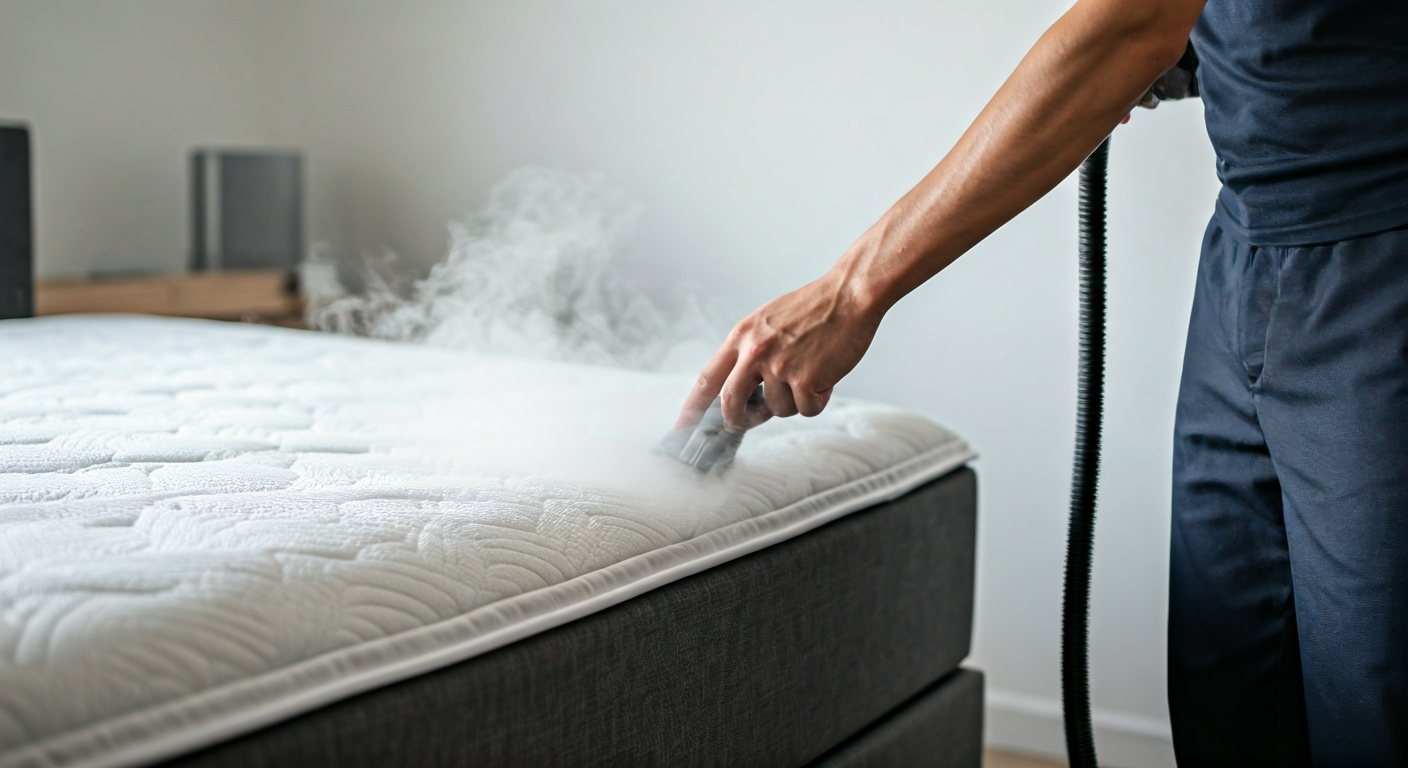
Steam cleaning is a highly effective method for deep cleaning mattresses, eradicating dust mites, allergens, and odors without harsh chemicals. It utilizes high-temperature steam to sanitize and refresh the fabric. Proper technique, including minimal moisture application and thorough drying, is critical to prevent mold growth and maintain mattress integrity, ensuring a healthier and more comfortable sleep environment.
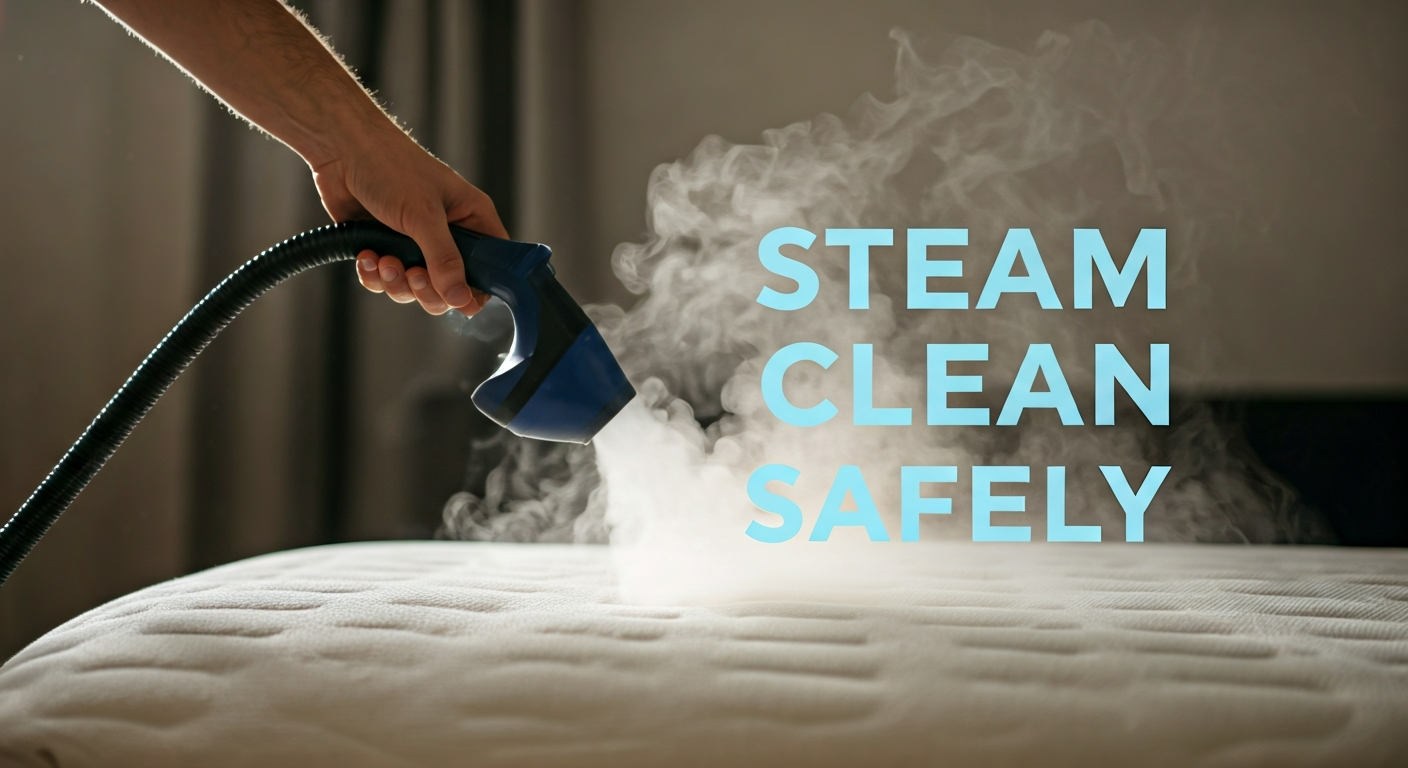
To avoid damaging your mattress when steam cleaning, prevent over-wetting by using minimal moisture and a low heat setting. Always pre-test a hidden area for colorfastness and material compatibility. Ensure thorough drying with fans and good ventilation for at least 8-10 hours to prevent mold growth and odors. Skipping these crucial steps can lead to permanent damage and health risks.
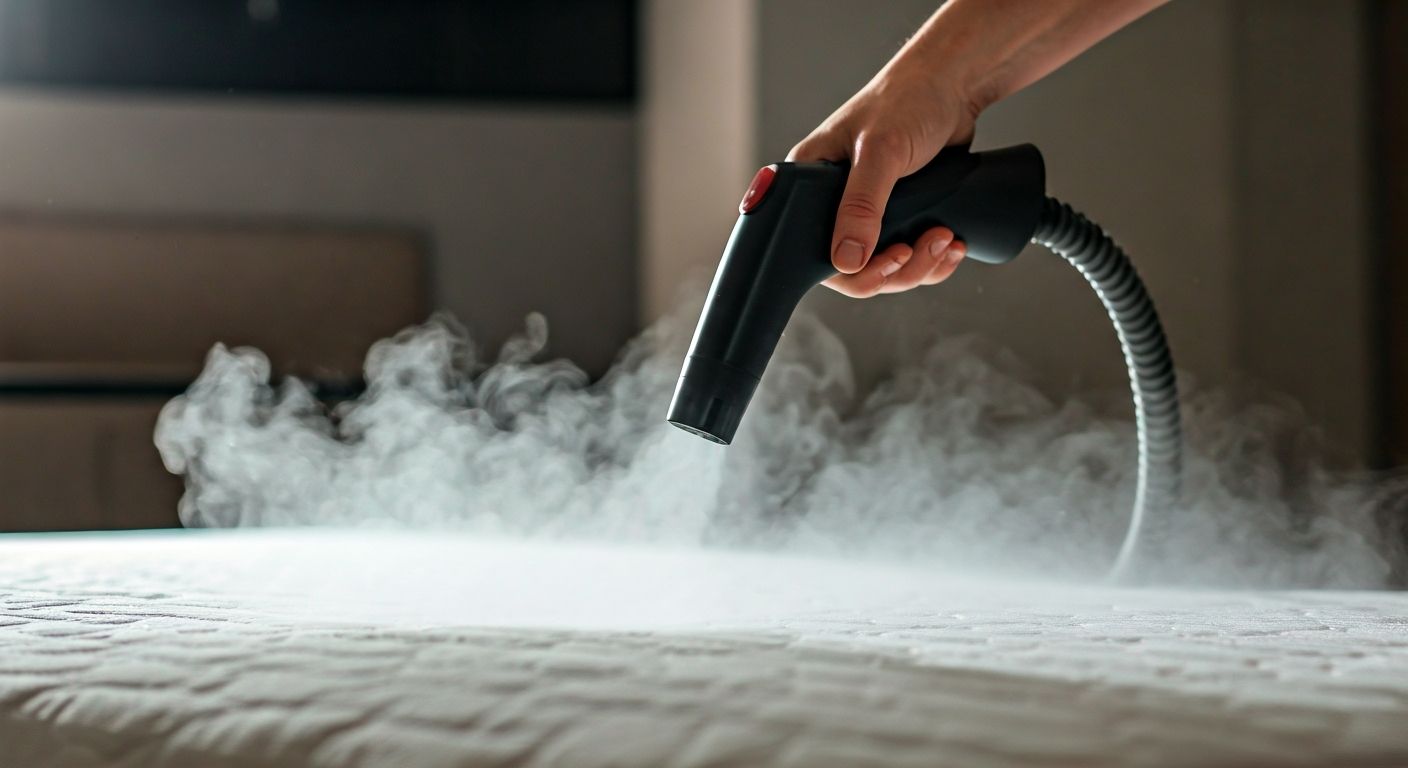
Mattress steam cleaning utilizes high-temperature, low-moisture vapor to sanitize and deep clean mattress surfaces. The intense heat effectively kills dust mites, bacteria, viruses, and allergens, while loosening dirt and grime for easy removal. This chemical-free method refreshes and deodorizes your mattress, promoting a healthier sleep environment by breaking down contaminants at a microscopic level.