
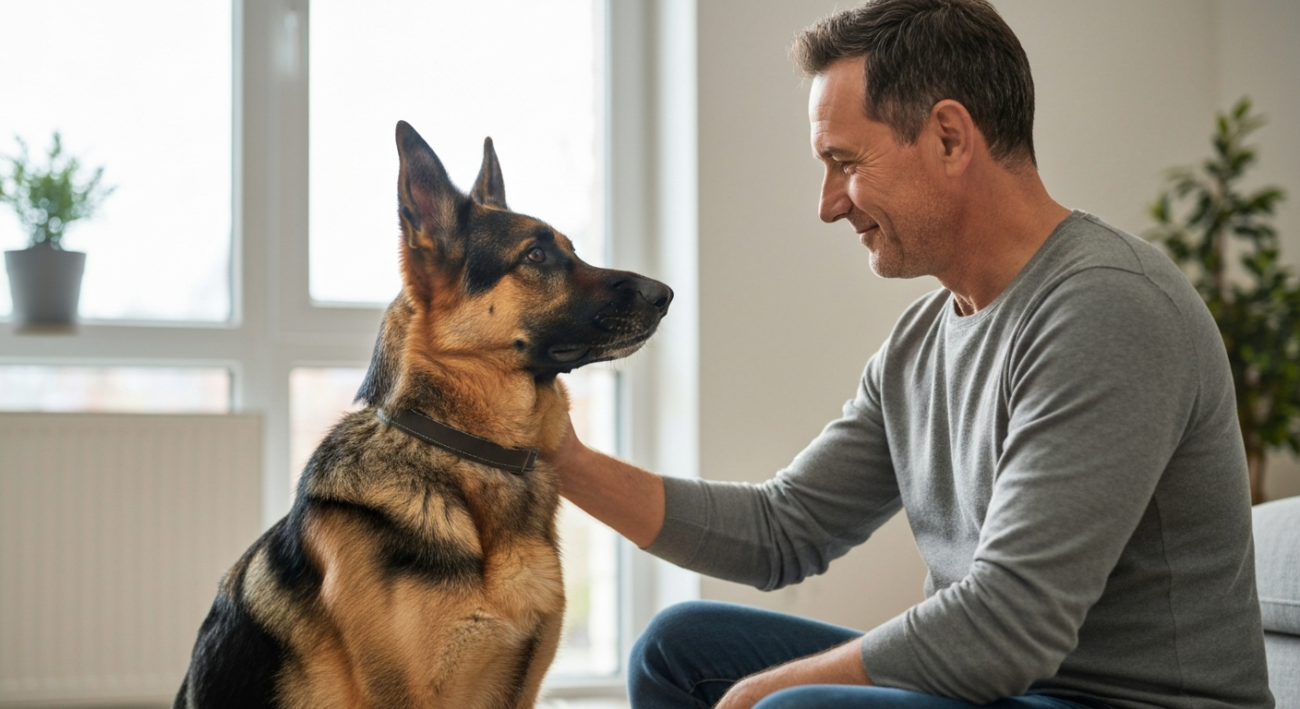
Quick Answer: Effective Dog Discipline
To effectively discipline your dog, focus on consistency, clear communication, and positive reinforcement. Avoid harsh punishments, as these can damage your bond and create fear. Instead, redirect unwanted behaviors and reward good choices. This comprehensive dog discipline guide will walk you through proven methods, helping your canine companion become a well-adjusted member of your family. Understanding early puppy discipline is particularly important for young dogs to set them up for success.
Why Effective Dog Discipline Works
Disciplining your dog isn’t about punishment; it’s about teaching them acceptable behaviors and establishing clear boundaries. Dogs thrive on routine and predictability. When you provide a consistent framework, your dog learns what is expected of them, which in turn reduces stress and confusion. This method strengthens trust between you and your pet, fostering a deeper, more respectful relationship. Furthermore, positive discipline helps prevent future common behavioral issues by addressing root causes rather than just symptoms. It’s about guiding them, not dominating them.
What You Need for Successful Dog Discipline
- Patience and consistency
- High-value training treats
- A quiet training space
- A sturdy leash and collar/harness
- Engaging toys for redirection
- A positive mindset
Step-by-Step Instructions for a Positive Dog Discipline Guide
Step 1: Understand Your Dog’s Behavior
Before you can correct behavior, you need to understand why your dog is acting a certain way. Dogs communicate through various signals, and learning their dog’s body language is crucial. Sometimes, what seems like misbehavior is actually an expression of anxiety, fear, or boredom. For instance, digging might stem from a lack of exercise. Taking time to observe and interpret their cues helps you address the underlying cause of their actions. You can learn more about why dogs misbehave by researching common triggers and motivations.
Step 2: Establish Clear Rules and Boundaries
Consistency is paramount in dog discipline. Decide on household rules — for example, ‘no jumping on furniture’ or ‘no begging at the table’ — and ensure everyone in the household enforces them uniformly. Inconsistency confuses your dog and makes training much harder. Use simple, consistent commands and gestures. When you’re clear about what’s allowed and what isn’t, your dog will learn faster and feel more secure. This foundational step is critical for consistent training success and long-term behavioral improvement. Consider introducing new discipline methods slowly.
Step 3: Master Positive Reinforcement Techniques
Positive reinforcement is the cornerstone of effective discipline. Instead of punishing unwanted behavior, reward desired actions immediately. When your dog sits patiently, give them a treat and praise. This teaches them that good behavior leads to positive outcomes. High-value treats, verbal praise, and favorite toys can all be used as rewards. This method builds a strong, trust-based bond between you and your dog. Discover more about powerful positive reinforcement techniques to enhance your training. You can even incorporate clicker training for precise communication.
Step 4: Teach Basic Obedience Commands
Basic commands like ‘sit,’ ‘stay,’ ‘come,’ and ‘leave it’ are not just tricks; they are vital tools for managing and redirecting your dog’s behavior. A dog that understands and responds to commands is easier to discipline. For instance, a ‘leave it’ command can prevent your dog from picking up something harmful, while ‘sit’ can stop them from jumping on guests. Practice these commands regularly in various environments to solidify their understanding. Learning to teach dog obedience commands is fundamental to a well-behaved pet. This also forms the basis for addressing specific issues like stop dog jumping.
Step 5: Address Specific Unwanted Behaviors
Once you have the basics down, you can tackle specific behavioral issues. For excessive barking, identify the trigger and teach an ‘quiet’ command. For managing puppy biting, redirect them to a chew toy. If your dog is struggling with potty training, establish a strict schedule. Understanding the specific context of each behavior allows for targeted solutions. It’s crucial to be patient and consistent, as some behaviors take longer to modify than others. For comprehensive guidance on how to correct unwanted behaviors effectively, consider specialized resources. This includes strategies for effective crate training.
Step 6: Use Redirection and Time-Outs
When your dog is engaging in an unwanted behavior, redirect their attention to an appropriate activity. For example, if they’re chewing on furniture, immediately give them an approved chew toy. If redirection isn’t enough, a brief, calm time-out in a designated, quiet space (like a crate or another room) can be effective. This isn’t punishment, but rather removing them from the stimulating situation. The key is to keep time-outs short and calm, allowing your dog to reset without creating fear. This method helps your dog learn cause and effect in a gentle way. For complex issues such as resource guarding, professional help might be needed.
Step 7: Socialization and Exercise
A well-socialized and adequately exercised dog is generally a well-behaved dog. Regular exercise helps burn off excess energy that might otherwise manifest as destructive behaviors. Proper socialization, exposing your dog to various people, places, and other dogs from a young age, builds confidence and reduces anxiety-driven behaviors. Both elements contribute significantly to a dog’s overall mental and physical well-being, making them more receptive to discipline and training. A healthy lifestyle is essential for overall canine happiness and good behavior, reducing problems like separation anxiety.
Common Dog Discipline Mistakes to Avoid
- Using physical punishment: This can instill fear, damage trust, and lead to aggression, making your dog defensive instead of responsive. Learn about harmful discipline methods.
- Being inconsistent: If rules change, your dog will be confused and training will fail. Everyone must be on the same page, always.
- Yelling or losing patience: A calm, assertive demeanor is more effective than an angry one. Dogs respond better to clear, calm leadership.
- Punishing after the fact: Dogs live in the moment. Punishing them for something they did hours ago is ineffective and unfair, as they won’t connect the punishment to the action.
- Not providing enough mental and physical stimulation: Bored or under-exercised dogs often develop behavioral issues out of frustration.
If Your Dog Discipline Guide Isn’t Working
My dog isn’t responding to training.
Re-evaluate your methods. Are you being consistent? Are your rewards motivating enough? Sometimes, changing the reward or the timing can make a big difference. Ensure your dog truly understands what you’re asking. If problems persist, consider consulting a certified professional dog trainer for personalized guidance.
My dog is showing aggression.
Aggression is a serious issue that often stems from fear, anxiety, or resource guarding. Never punish aggression, as this can escalate the problem. Immediately consult a professional dog trainer or veterinary behaviorist. They can help identify the root cause and develop a safe, effective plan to manage and modify the behavior. Addressing canine aggression requires expert intervention.
Expected Results of Effective Discipline
By consistently applying the strategies in this dog discipline guide, you can expect a dog that is not only well-behaved but also confident and happy. Your dog will understand boundaries, respond reliably to commands, and be a joy to live with. This process builds a stronger, more trusting relationship between you and your companion, leading to a harmonious home environment. You’ll witness a calmer, more predictable pet who feels secure in their role within your family.
Quick Summary of Your Dog Discipline Journey
Disciplining your dog effectively is an ongoing journey built on patience, consistency, and positive reinforcement. Focus on understanding their needs, setting clear boundaries, and rewarding good behavior. Avoid harsh punishments that erode trust. With this comprehensive dog discipline guide, you’re well-equipped to foster a respectful and loving bond with your canine companion. Remember, a well-disciplined dog is a happy dog, and a happy dog makes for a happy home.
