
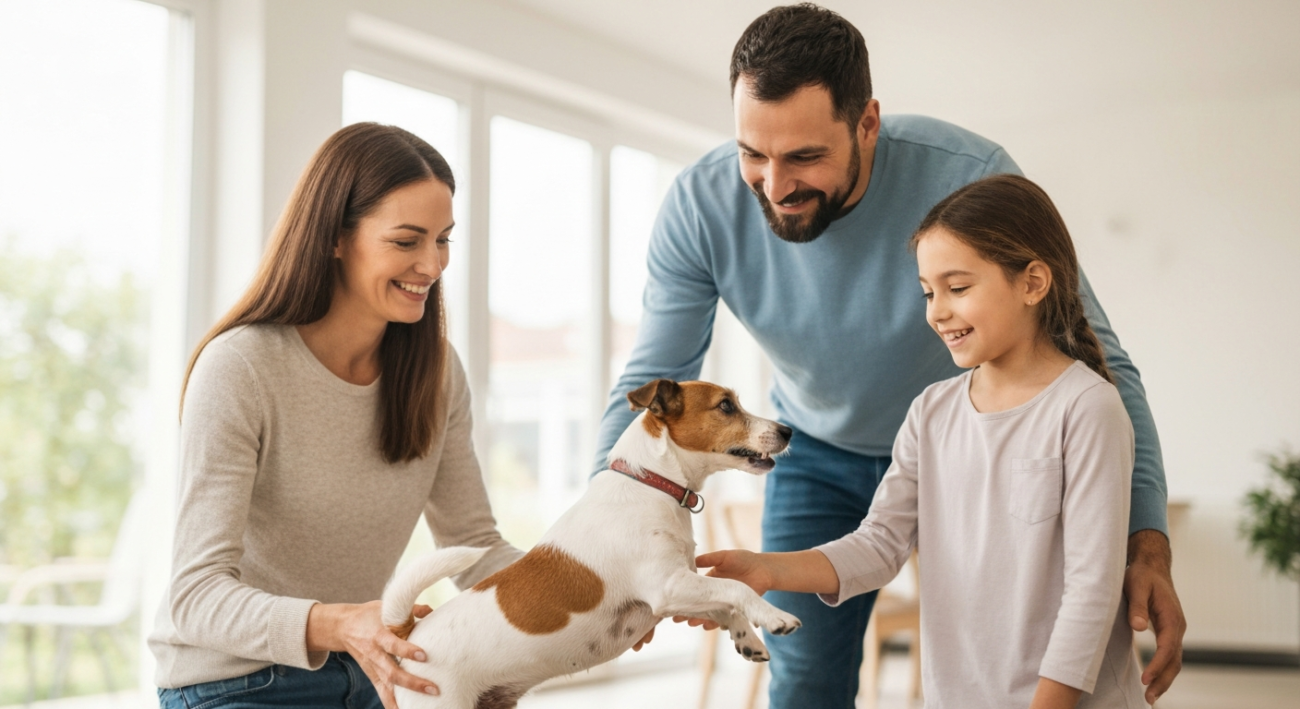
Quick Answer: How to Introduce Your New Dog Effectively
When you introduce new dog into your home, establishing clear discipline and boundaries from day one is essential. This proactive approach ensures a smoother transition for your new pet and creates a harmonious living environment for everyone. By following a structured plan, you can guide your dog toward understanding house rules, minimizing behavioral issues, and building a strong, trusting relationship. The immediate outcome is a pet that begins to understand expectations, leading to a more peaceful household.
Why Early Discipline Matters for New Dogs
Early discipline works because it sets the foundation for your dog’s understanding of their new world. Dogs thrive on routine and predictability; therefore, clear rules reduce anxiety and confusion. Without proper guidance, a new dog might develop unwanted habits, leading to stress for both the pet and the owner. This method promotes positive behaviors from the start, making future training much easier and more effective. It’s about building a language of understanding between you and your new companion. For more general advice on managing pet behavior, check out this dog discipline guide.
What You Need Before You Introduce Your New Dog
- Appropriate-sized dog crate or bed
- Food and water bowls
- High-quality dog food suitable for their age and breed
- Collar, leash, and ID tags
- Variety of chew toys and puzzle toys
- Baby gates or pet barriers
- Cleaning supplies for accidents
- Positive reinforcement treats
- Veterinarian contact information
Step-by-Step Instructions to Introduce New Dog Successfully
Step 1: Prepare Your Home Environment
Before your new dog arrives, make sure your home is safe and ready. Dog-proof any areas by removing potential hazards, securing trash cans, and putting away valuable items. Designate a quiet, comfortable space for their crate or bed, which will serve as their sanctuary. This preparation minimizes stress for your dog and prevents unwanted behaviors from the start.
Step 2: Establish a Consistent Routine Immediately
Dogs thrive on routine. From the moment your new dog enters your home, establish consistent schedules for feeding, potty breaks, walks, and playtime. Predictability helps your dog feel secure and understand what to expect throughout the day. For instance, always take them out to potty immediately after waking up, eating, and playing. This consistency helps to prevent accidents and unwanted behaviors.
Step 3: Introduce Clear Rules and Boundaries
Decide on your house rules before your dog arrives. For example, will they be allowed on furniture? Which rooms are off-limits? Clearly communicate these boundaries using simple commands and redirections. Use baby gates to restrict access to certain areas initially. Gentle correction and consistent enforcement from every family member are key to helping your dog understand what is expected.
Step 4: Utilize Positive Reinforcement for Good Behavior
Always reward desired behaviors. When your dog sits on command, goes to their designated potty spot, or calms down after excitement, offer praise, treats, or a favorite toy. Positive reinforcement strengthens good habits and encourages your dog to repeat them. It builds a positive association with training and fosters a strong bond between you.
Step 5: Address Unwanted Behaviors Consistently
When your dog exhibits unwanted behaviors like jumping, nipping, or chewing inappropriate items, redirect their attention. Offer a suitable chew toy instead of an old shoe. Use a firm ‘No’ command followed by immediately redirecting them to an acceptable action. Consistency is crucial here; everyone in the household must respond to behaviors in the same way, every time. This helps your new dog learn right from wrong quickly.
Step 6: Supervise All Interactions Carefully
If you have other pets or children, carefully supervise all initial interactions. Keep introductions calm, short, and positive. Never leave a new dog unsupervised with children or other pets until you are certain they are comfortable and safe together. Gradual introductions prevent stress and potential conflicts, ensuring everyone feels secure and respected within the home.
Step 7: Provide Ample Exercise and Mental Stimulation
A tired dog is a well-behaved dog. Ensure your new pet gets sufficient physical exercise through walks, fetch, or playtime tailored to their breed and age. Mental stimulation, like puzzle toys or short training sessions, is equally important. This helps to burn off excess energy that could otherwise manifest as destructive behaviors or restlessness. It also strengthens your bond.
Step 8: Practice Patience and Consistency Above All
Bringing a new dog home is a significant adjustment for everyone. There will be good days and challenging days. Remain patient, calm, and, most importantly, consistent with your rules and routine. Dogs learn through repetition and clear expectations. Remember that successful dog training often hinges on consistency for dog training success, so keep at it even when it feels slow.
Common Mistakes When Introducing a New Dog
- Giving too much freedom too soon, leading to accidents or destructive behavior
- Inconsistent application of rules by different family members
- Skipping the crate training process or not providing a safe den
- Overwhelming the dog with too many new experiences at once
- Punishing accidents instead of redirecting or reinforcing proper potty habits
- Not providing enough mental and physical stimulation
- Failing to socialize the dog properly with other pets or people
- Expecting immediate perfection and getting discouraged quickly
If Discipline Isn’t Working for Your New Dog
Frequent house training accidents
Increase frequency of potty breaks, ensure thorough cleaning of soiled areas, and reward successful outdoor pottying heavily. Revisit crate training.
Excessive barking or destructive chewing
Ensure adequate exercise and mental stimulation. Provide appropriate chew toys. Interrupt unwanted behavior with a firm ‘No’ and redirect to an acceptable toy or activity.
Nipping or play biting
Immediately disengage from play with a firm ‘Ouch!’ or ‘No!’ and walk away. Resume play only when the dog is calm. Teach bite inhibition with appropriate chew toys.
Anxiety or shyness
Create a safe, quiet space for your dog. Avoid forcing interactions. Gradually introduce new people, pets, and environments in a positive and controlled manner. Consult a professional trainer if persistent.
Expected Result: A Well-Adjusted Family Member
By diligently following these discipline tips, you can expect your new dog to gradually integrate into your home as a happy, well-behaved, and confident member of your family. They will understand house rules, respond to commands, and feel secure in their new environment. This proactive approach fosters a deep bond built on trust and mutual respect, paving the way for many joyful years together. Patience, consistency, and positive reinforcement are your greatest tools for success.
Quick Summary for Introducing Your New Dog
Successfully bringing home a new dog involves planning, patience, and consistent discipline from day one. Prepare your home, establish clear routines and rules, and use positive reinforcement to reward good behavior. Address unwanted actions calmly and consistently. Remember, the goal is to introduce new dog to a structured environment where they can thrive, learn, and grow into a cherished family companion. Your efforts now will build a foundation for a lifetime of happiness.
