
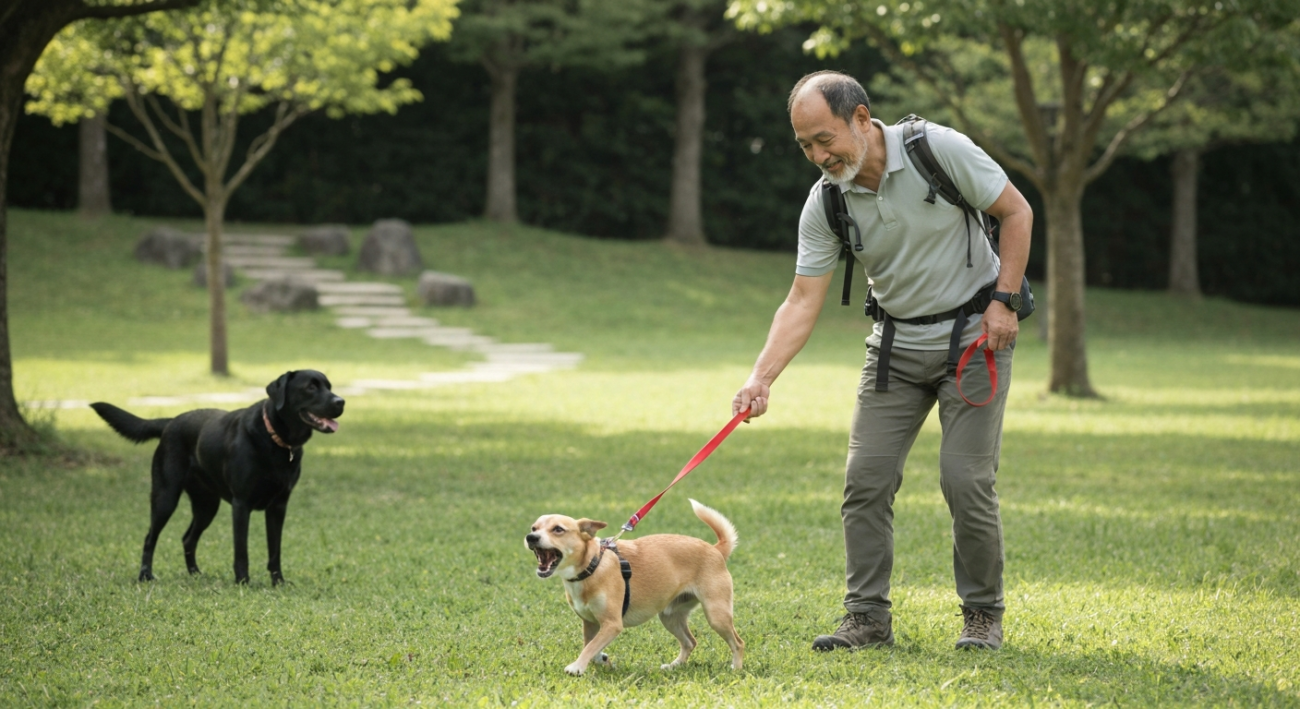
Understanding the Challenge: How to Deal Dog Aggression
Dealing with dog aggression can be one of the most stressful and concerning issues for any pet owner. It’s not just about a dog being ‘mean’; aggression is a complex behavioral problem that can manifest in various ways, from growling and snapping to lunging and biting. This behavior can be directed towards other dogs, unfamiliar people, or even family members, creating unsafe and unpredictable situations. Understanding the root causes is the first step in addressing it effectively. Therefore, learning to deal dog aggression is crucial for the safety and well-being of everyone involved, including your beloved pet. Many owners find themselves at a loss, wondering how to best manage these challenging behaviors before they escalate. For a broader understanding of canine behavior, you might find this dog discipline guide helpful.
Why Dog Aggression Manifests
- Fear: Often, aggression stems from fear. A dog might become aggressive if they feel threatened, cornered, or overwhelmed by a person, another animal, or a new environment. This type of aggression is usually defensive.
- Resource Guarding: Dogs can become aggressive when protecting valuable resources like food, toys, sleeping spots, or even their owners. This is a natural instinct, but it needs to be managed to prevent dangerous encounters.
- Territoriality: Some dogs are highly territorial and will display aggression towards perceived intruders entering their space, whether it’s their home, yard, or even their owner’s personal space.
- Pain or Illness: An underlying medical condition or chronic pain can make a dog irritable and prone to aggression. What appears to be behavioral aggression might actually be a dog reacting to discomfort or injury.
- Lack of Socialization: Dogs who weren’t properly socialized as puppies might not have learned appropriate social cues. This can lead to fear or anxiety around other dogs or people, often resulting in aggressive displays.
- Frustration: Barrier frustration, for example, occurs when a dog is prevented from getting to something they want (like another dog or person) by a leash or fence. This pent-up energy can turn into aggressive behavior.
Simple Strategies to Deal Dog Aggression
- Identify and Avoid Triggers: The easiest way to prevent aggressive outbursts is to identify what causes them and then avoid those situations. If your dog reacts aggressively to other dogs on walks, choose less busy routes or times. This isn’t a cure, but it provides immediate safety.
- Implement Positive Reinforcement: Reward calm behavior heavily. When your dog sees a trigger without reacting aggressively, praise them and offer a high-value treat. This helps them associate positive things with previously scary situations.
- Desensitization and Counter-Conditioning: Gradually expose your dog to triggers at a distance where they remain calm. Pair these exposures with positive experiences, like treats or play. Slowly decrease the distance over time, always ensuring your dog stays below their aggression threshold.
- Enroll in Obedience Training: Basic obedience commands like ‘sit,’ ‘stay,’ and ‘come’ can help you manage your dog in challenging situations. A well-trained dog is often a more confident and less reactive dog.
- Create a Safe Space: Provide your dog with a quiet, comfortable area where they can retreat when feeling overwhelmed. This could be a crate, a specific room, or a dog bed. Teaching them to go to their ‘safe spot’ can be a valuable management tool.
Prioritizing Safety: Important Considerations
- Use Appropriate Equipment: Always ensure your dog is on a secure leash and harness in public. For dogs with a bite history or high reactivity, muzzle training can be a responsible and humane safety measure. A basket muzzle allows them to pant, drink, and take treats.
- Never Punish Aggression: Punishing a dog for growling or snapping often suppresses the warning signs without addressing the underlying fear or anxiety. This can lead to a dog biting without warning in the future, making the problem far more dangerous.
- Inform Others: If your dog has aggressive tendencies, communicate this clearly to family members, friends, and anyone who might interact with your dog. This prevents accidental encounters and helps manage expectations.
- Supervise Interactions Closely: Always supervise your dog when they are around children or other animals, even if they usually get along. Vigilance is key to preventing incidents and understanding your dog’s evolving behavior.
- Consult a Vet First: Before assuming behavioral aggression, always rule out pain or illness with a veterinarian. A sudden change in temperament often indicates an underlying medical issue that needs professional attention.
When to Call a Professional for Dog Aggression
- Bite Incidents: If your dog has bitten another dog or a person, even a minor bite, professional intervention is critical. This is a serious safety concern that requires immediate expert guidance to prevent future harm.
- Escalating Aggression: If your dog’s aggressive behavior is increasing in frequency, intensity, or variety, it’s a clear sign that you need expert help. Early intervention can prevent the problem from becoming intractable.
- Fear or Anxiety is Overwhelming: When your dog’s fear or anxiety is so severe that it paralyzes them or makes them excessively reactive, a professional can offer specialized techniques to build their confidence and coping skills. Sometimes, medication can also be an important part of the treatment plan.
- Lack of Progress with Home Methods: If you’ve diligently tried various management techniques and training strategies for an extended period without seeing significant improvement, a certified professional dog trainer or veterinary behaviorist can provide tailored strategies. You can learn more about when to seek a professional dog trainer to ensure your dog gets the best support.
