
Quick Answer
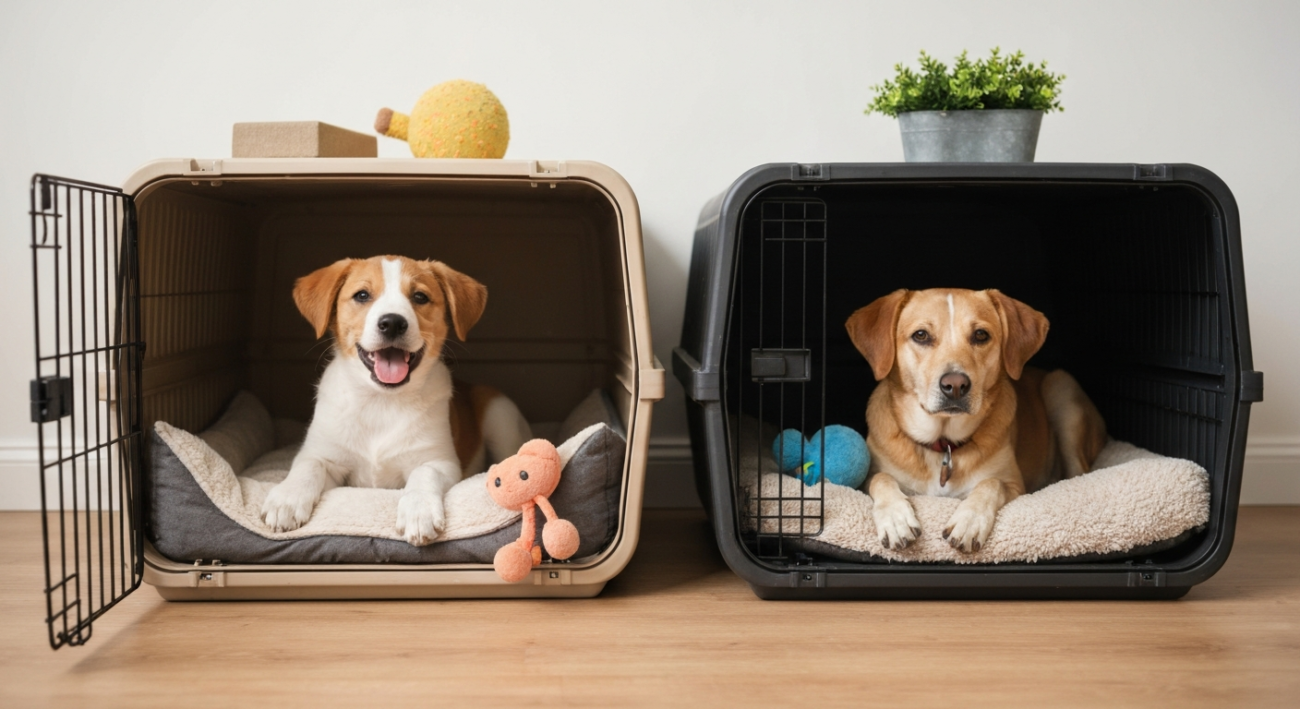
To achieve effective crate training dogs, start by making the crate a positive, safe den. Introduce it gradually with treats and short, positive experiences. Never use the crate for punishment. The immediate result will be a dog that views its crate as a comforting personal space, reducing anxiety and aiding in house-training. This foundation is crucial for both puppies and adult dogs to feel secure and happy in their own dedicated spot.
Why Effective Crate Training Dogs Works
Crate training leverages a dog’s natural denning instinct. Dogs, by nature, seek enclosed, safe spaces to rest and sleep. A well-introduced crate mimics this natural environment, providing a sense of security and privacy. This method helps prevent destructive behaviors when you’re not around, as dogs are less likely to soil their sleeping area. Moreover, it’s an invaluable tool for house-training, as it teaches bladder control and establishes a routine. It also provides a safe travel option and a secure place for your dog during stressful situations, like vet visits or home repairs. Therefore, it’s more than just a box; it’s a vital part of a balanced dog’s life.
What You Need
- A properly sized crate (allows standing, turning, lying down comfortably).
- Soft bedding or a comfy blanket.
- Safe, non-chokable toys (e.g., Kong filled with treats).
- High-value training treats.
- Water bowl (attachable if leaving for longer periods).
- Patience and consistency.
Step-by-Step Guide to Effective Crate Training Dogs
Step 1: Introduce the Crate Positively
Place the crate in a busy area of your home, like the living room. Keep the door open and make it inviting with soft bedding and treats inside. Let your dog explore it at their own pace. Never force them in. You can toss a favorite toy or a treat just inside to encourage them to enter voluntarily. The goal is to create a positive association from the very beginning, making the crate feel like a comfortable and rewarding place to be.
Step 2: Feeding Meals in the Crate
Once your dog is comfortable going into the crate, start feeding them meals inside. Begin by placing the food bowl just inside the door, gradually moving it further back as they get more comfortable. Once they are happily eating their entire meal inside, you can gently close the door for short periods while they eat. Open it immediately after they finish. This reinforces the idea that good things happen in the crate.
Step 3: Short Periods of Crating
After your dog is comfortable eating with the door closed, start leaving them in the crate for short periods while you are still home. Use a command like ‘Crate time!’ or ‘Kennel up!’ and give them a special treat or toy. Sit nearby for a few minutes, then quietly leave the room for 5-10 minutes. Return calmly and let them out without a big fuss. Gradually increase the time you leave them alone, building up their tolerance and confidence. For more on managing dog behavior, consider checking out this dog discipline guide.
Step 4: Crating When Leaving the House
When your dog is comfortable spending 30 minutes to an hour in the crate while you’re in another room, you can start crating them when you leave the house. Keep your departures and arrivals calm and low-key. Avoid long, emotional goodbyes or excited greetings. Leave them with a safe, long-lasting chew toy to keep them occupied. Start with very short absences and gradually increase the duration. Always ensure they have relieved themselves before crating.
Step 5: Overnight Crating
Initially, place the crate in your bedroom at night so your dog can hear and smell you. This helps them feel less anxious. Take them out for a final potty break right before bed. If they whine, ignore it unless you suspect they need to relieve themselves. If they do, take them out quietly, then immediately back into the crate. As they get older and more comfortable, you can gradually move the crate to another room if you prefer. This is especially helpful for potty training a puppy.
Common Crate Training Mistakes
- Using the crate as a punishment.
- Forcing the dog into the crate.
- Leaving the dog in the crate for too long (especially puppies).
- Not making the crate a comfortable or inviting space.
- Giving in to whining or barking too quickly.
- Failing to provide adequate exercise before crating.
If Something Doesn’t Work
Excessive whining or barking in the crate.
Ensure your dog has exercised and relieved themselves. Make sure the crate is comfortable. If they’re safe, ignore short periods of whining to avoid reinforcing it. If it persists, restart with shorter, more positive crate intervals and gradually increase.
Accidents in the crate.
The crate might be too large; consider using a divider to restrict space. Ensure they’re getting frequent potty breaks. Clean accidents thoroughly to remove scent. Rule out medical issues with a vet visit.
Dog shows extreme anxiety (panting, drooling, frantic escape attempts).
Stop crating immediately. This indicates severe anxiety. Consult a professional dog trainer or vet behaviorist for guidance. The crate should never be a source of terror.
Expected Result
With patience and consistency, you can expect a dog that views their crate as a safe, comfortable retreat. They will willingly enter it when asked, relax quietly inside, and feel secure when you’re away. This positive association will contribute to a calmer, happier dog and a more peaceful household. Your dog will have their own ‘room,’ a place to decompress and feel safe.
Quick Summary
Ultimately, effective crate training for dogs is about creating a positive association with their personal den. Introduce it slowly, make it comfortable, and never use it for punishment. By following these steps consistently, your dog will come to love their crate, providing them with security and you with peace of mind. It’s a valuable tool for house-training, safety, and overall well-being.
