
Quick Answer: Managing Resource Guarding
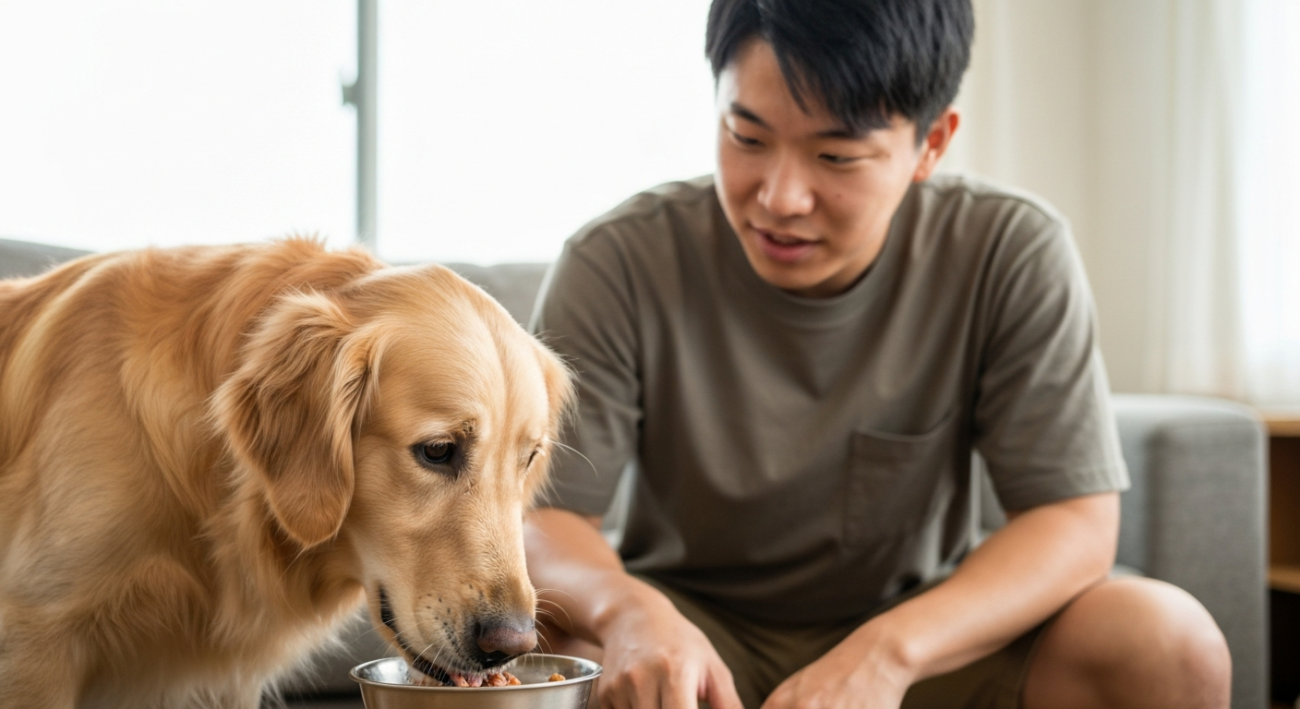
When your dog shows signs of resource guarding, it can be concerning for any pet owner. This behavior, where a dog intensely protects items like food bowls, favorite toys, or even their owner from perceived threats, is deeply rooted in anxiety and a sense of vulnerability. Successfully addressing resource guarding dogs requires a methodical approach that combines careful management with systematic counter-conditioning and desensitization. The primary goal is to fundamentally change your dog’s emotional response, teaching them that human proximity to their valuable items signifies positive things, not a challenge or a threat. Expect a gradual process, as building trust, overcoming ingrained fears, and changing established behavioral patterns takes significant patience and unwavering consistency. The ultimate and incredibly rewarding result will be a more relaxed and secure dog around their possessions, fostering a safer and more harmonious home environment for every member of the family.
Why This Method Works for Resource Guarding
This compassionate approach is highly effective because it directly addresses the underlying emotional state of your dog, aiming to change their feelings about human interaction around their resources, rather than merely suppressing outward behaviors. By consistently creating overwhelmingly positive associations with your presence near their valued items, you help your dog feel genuinely secure and understood. Unlike punitive methods, which can often escalate guarding behaviors and erode the bond of trust, our strategy leverages positive reinforcement. This builds your dog’s confidence and teaches them that good things happen when you are near their treasures. This respectful method acknowledges your dog’s natural instincts while gently guiding them towards more acceptable and relaxed responses, fostering a much healthier relationship.
What You Need to Get Started
- High-value treats (small, tasty, easily consumed)
- Your dog’s favorite food bowl or toy
- A safe, quiet training area
- Leash and collar (for controlled training sessions)
- Patience and consistency
Step-by-Step Guide to Addressing Resource Guarding in Dogs
Step 1: Understand the Triggers and Set Up Management
Before you even begin formal training, it’s absolutely crucial to thoroughly understand what your dog guards and from whom. Take careful note of specific items – is it only their food bowl, certain chew toys, a particular spot on the couch, or even you? Pay close attention to subtle shifts in their body language: a stiffening posture, a hard stare, a low growl, or even a quick snap are all clear indicators of guarding. Once you’ve identified these triggers, immediately set up your home environment to prevent these situations from recurring.
For instance, feed your dog in a separate, quiet room where they won’t feel challenged, or make sure high-value toys are put away when guests or children are present. This initial, proactive management is vital, as it prevents your dog from practicing the unwanted behavior and, most importantly, keeps everyone safe. Additionally, gaining a broader understanding of common dog behavior problems can provide valuable context for this issue. Always prioritize the safety and well-being of both your dog and your family members throughout this process.
Step 2: Start Counter-Conditioning with Low-Value Items
Once management is in place, the next crucial step is to begin counter-conditioning, teaching your dog that your approach to their resources always brings good things. Start this process with a low-value item, something your dog isn’t intensely protective of, such as their regular mealtime kibble or a less favored toy. As your dog peacefully engages with this item, walk by at a sufficient distance where they show absolutely no signs of tension or guarding. As you pass, gently toss a small, high-value treat (like a piece of cooked chicken or cheese) towards them, landing a little distance from their guarded item, then calmly walk away. Repeat this simple action several times during each short training session.
The ultimate goal is to firmly establish a strong positive association: ‘human approaching my resource area consistently means delicious treats appear, not threats.’ Gradually, over many separate sessions, you can begin to decrease the distance, but only if your dog remains completely relaxed and shows no adverse reactions. It is critically important never to reach for their item or hover over them, as these actions are common triggers for guarding behavior.
Step 3: Introduce the ‘Trade’ Game
After your dog consistently demonstrates comfort with you approaching and dropping treats near their low-value items, you can confidently introduce the ‘trade’ game. Initiate this game when your dog possesses a low-value item that they are not intensely guarding. Present a much higher-value treat – something truly irresistible – directly in front of their nose. The moment they release their original item to take the offered treat, immediately offer enthusiastic verbal praise (e.g., ‘Good drop!’), and then, crucially, give them back their original item, or even better, a different, equally high-value item.
The core principle here is to teach your dog that voluntarily giving something up doesn’t mean it’s gone forever; it often results in them receiving an even more desirable reward. This positive exchange builds immense trust and significantly reduces their perceived need to guard their possessions. This technique is also a highly effective and positive component of effective dog discipline, focusing on cooperation rather than confrontation.
Step 4: Gradually Work with Higher-Value Resources
As your dog confidently masters both the counter-conditioning with approaches and the ‘trade’ game using low-value resources, you can carefully and gradually introduce higher-value resources into your training. This might include their most cherished squeaky toy, a favorite bone, or a special, long-lasting chew. Always begin by maintaining a safe, comfortable distance, and only proceed to move closer when your dog exhibits absolutely no signs of tension or guarding. Remember, if your dog shows even the slightest hint of discomfort – a stiffening body, a hard stare, or a low growl – you have advanced too quickly. In such cases, immediately revert to an easier step where they were successful and progress at a much slower pace.
Consistency and patience are paramount during this sensitive stage. Ensure all training sessions remain short, positive, and always conclude on a successful, happy note. For dogs displaying more severe guarding or aggression, especially when dealing with the broader aspects of how to deal with dog aggression, consulting a qualified professional dog trainer or veterinary behaviorist is highly recommended for safety and effective guidance.
Step 5: Maintain and Generalize the Training
Once your dog consistently shows a noticeable reduction in guarding behavior across various items and situations, it’s essential to continue practicing these exercises regularly. This ongoing reinforcement helps to solidify the positive associations and prevent regression. Try practicing in different, safe environments and, if appropriate and safe, with different people in your household. This process helps to generalize the training, ensuring your dog understands that these new, calmer responses are expected and rewarded in various contexts. Never take your dog’s progress for granted; resource guarding can be a deeply ingrained behavior. Consistent, positive interaction around their resources will continue to build their confidence and reinforce their new, more relaxed responses. Always supervise interactions, particularly in multi-dog households or with children, and be prepared to calmly manage situations if your dog shows any signs of reverting to old habits. Continued vigilance and positive reinforcement are key to long-term success.
Common Mistakes When Addressing Resource Guarding in Dogs
- Punishing your dog for guarding, which can escalate the behavior and break trust.
- Moving too quickly through the training steps, overwhelming your dog.
- Ignoring early warning signs, leading to more serious guarding incidents.
- Not using high-value enough treats during counter-conditioning and trades.
- Reaching directly for guarded items, putting yourself at risk.
- Inconsistency in training, sending mixed signals to your dog.
If Something Doesn’t Work as Planned
My dog is still growling or snapping.
You might be too close or moving too fast. Go back to a much greater distance where your dog shows no signs of stress. Use even higher-value treats. If the behavior persists, seek guidance from a certified professional dog trainer or veterinary behaviorist.
My dog won’t drop the item for a trade.
Ensure the treat you’re offering is significantly more valuable than the item they are guarding. Start with very low-value items, or even just offering a treat for ‘looking away’ from the item, before asking for a full trade.
The guarding behavior is getting worse.
Stop all direct training and focus solely on management to prevent incidents. Immediately consult with a professional. Resource guarding, especially when escalating, can be dangerous and requires expert intervention.
The Expected Outcome: A Calmer Companion
By diligently and patiently following these systematic steps, you can realistically expect a significant and positive reduction in your dog’s resource guarding behavior. Your canine companion will gradually learn to associate your presence near their cherished items with overwhelmingly positive and rewarding experiences, rather than feeling threatened or anxious. This shift in perception will lead to a noticeably more relaxed and confident demeanor around their possessions, which in turn fosters a stronger, more trusting bond between you and your dog. Ultimately, this journey leads to a safer, happier, and more harmonious household environment for everyone involved. It’s a challenging path sometimes, but witnessing your dog transform into a well-adjusted and secure member of the family is incredibly rewarding.
Quick Summary for a Harmonious Home
Successfully addressing resource guarding dogs hinges on understanding their triggers, implementing careful environmental management, and consistently applying positive reinforcement techniques. Begin by counter-conditioning your dog to associate your presence with positive outcomes, then gradually introduce ‘trade’ games to encourage voluntary relinquishment of items. It is crucial to progress slowly, always using high-value rewards, and never to punish guarding behavior, as this can severely worsen the issue. If you encounter persistent challenges or observe escalating aggression, do not hesitate to seek immediate professional assistance from a certified dog trainer or veterinary behaviorist. Your dedication and patience throughout this process will undoubtedly lead to a more confident, less anxious dog and a far more peaceful home environment for all.
