
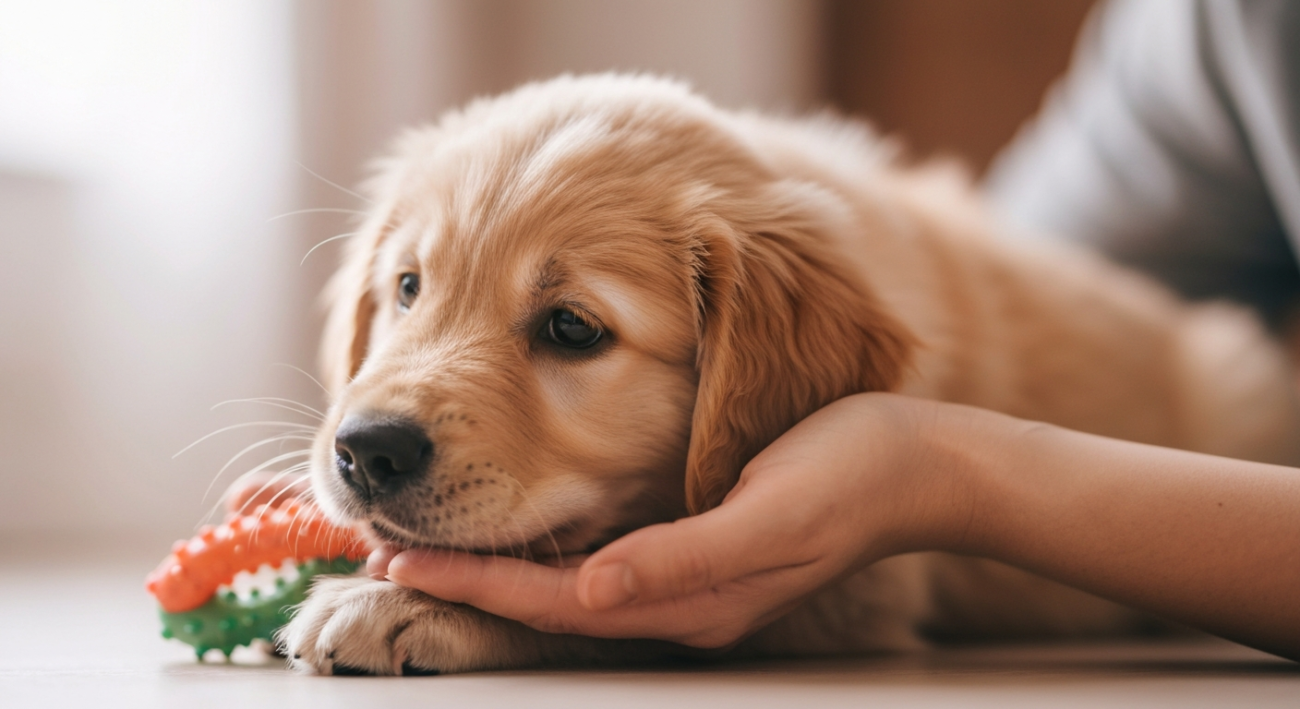
Quick Answer: Taming Playful Puppy Nips
Puppy biting and nipping behavior is a common challenge for new dog owners. The good news is that with consistent effort, you can effectively teach your puppy to be gentle. This involves understanding their natural instincts, redirecting their urges, and implementing clear boundaries. By following our practical steps, you’ll see a significant reduction in unwanted nipping, leading to a happier, well-adjusted canine companion. Our comprehensive guide on managing puppy biting will show you how to achieve this.
Why Effective Puppy Biting Management Works
The methods we outline work because they tap into a puppy’s natural learning process. Puppies explore the world with their mouths and use biting as a form of play and communication. However, they need to learn bite inhibition – how much pressure is too much. Our approach focuses on teaching them appropriate chewing habits and the consequences of biting too hard, all while maintaining a positive training environment. This constructive feedback helps shape their behavior without instilling fear. In addition, it reinforces the human-dog bond, which is crucial for overall training success. Understanding why early puppy discipline is crucial can set the stage for these positive outcomes.
What You Need for Successful Training
- Variety of safe chew toys (different textures)
- High-value training treats
- Playpen or designated safe space
- A consistent schedule
- Patience and understanding
Step-by-Step Instructions for Managing Puppy Biting
Step 1: Understand the Roots of Puppy Biting
Puppies bite for several reasons. Primarily, it’s a natural part of their development, especially during teething, when they need to relieve discomfort. They also use their mouths to explore their environment and engage in play with littermates. Nipping is their way of inviting interaction or testing boundaries. Recognizing these natural instincts is the first step towards effective training. Avoid taking it personally; it’s rarely malicious. Instead, see it as a phase that requires guidance.
Step 2: Teach Bite Inhibition with ‘Yelp and Withdraw’
When your puppy bites too hard during play, let out a sharp, high-pitched yelp, mimicking a puppy in pain. Immediately after the yelp, withdraw your hand or stop playing for 10-20 seconds. This teaches them that hard bites end the fun. If they continue, a brief time-out in a separate, quiet area for a minute or two can reinforce the message. Consistency is key here; everyone in the household must follow this protocol. Eventually, your puppy will learn to apply less pressure.
Step 3: Redirect Chewing to Appropriate Toys
Always have a variety of appealing chew toys readily available. When your puppy starts to nip at your fingers or clothing, firmly say ‘No’ or ‘Off’ and immediately offer them a suitable toy. Praise them enthusiastically when they take the toy and begin to chew on it. This teaches them what they *can* bite instead of what they *cannot*. Rotate toys regularly to keep them interesting. This method redirects their natural chewing instincts towards acceptable outlets.
Step 4: Implement Short, Calm Time-Outs
For persistent or overly excited biting that doesn’t respond to redirection, a brief time-out can be very effective. Lead your puppy to a designated ‘calm down’ spot, like a playpen or crate, for one to two minutes. The goal isn’t punishment but rather to remove them from the stimulating situation. Once they’ve calmed down, release them and resume play. If the biting starts again, repeat the time-out. This teaches them that calm behavior earns playtime, while excessive nipping results in temporary isolation.
Step 5: Avoid Rough Play That Encourages Biting
While it’s fun to wrestle and play rough with your puppy, this can inadvertently encourage them to use their mouths on your hands and feet. Try to limit games that involve direct hand-to-mouth contact. Instead, use toys during play sessions, like flirt poles or tug ropes, to create a barrier between your skin and their teeth. This helps prevent them from associating human body parts with chewable objects. Shift to games like fetch or hide-and-seek which are less mouth-focused.
Step 6: Ensure Consistency and Positive Reinforcement
Consistency is paramount when training your puppy. Every family member needs to follow the same rules and responses to biting. Positive reinforcement, such as praise and treats, should be used generously when your puppy exhibits gentle play or chews on appropriate items. Never resort to physical punishment, as this can make your puppy fearful or aggressive. Instead, focus on rewarding desired behaviors and patiently correcting unwanted ones. This consistent, positive approach yields the best long-term results.
Common Mistakes to Avoid When Training Your Puppy
- Using physical punishment or scolding excessively
- Encouraging rough, hand-focused play
- Not providing enough appropriate chew toys
- Inconsistency among family members
- Giving up too quickly or lacking patience
If Your Puppy’s Biting Behavior Persists
My puppy ignores chew toys and still nips me.
Ensure the toys are engaging; try interactive puzzle toys or ones with different textures. Make the toy more exciting than your hand by wiggling it or smearing a tiny bit of peanut butter. If nipping still occurs, immediately initiate a short time-out. Consistency across all interactions is vital.
The ‘yelp and withdraw’ method doesn’t seem to work.
Your yelp might not be sharp enough, or you might not be withdrawing quickly enough. Try a louder, more exaggerated yelp. Also, ensure you completely disengage. If the puppy follows you, walk into another room for 30 seconds. If behavior escalates or becomes aggressive, it might be time to consult with a professional dog trainer or behaviorist to rule out underlying issues, as some common dog behavior problems require expert intervention.
Enjoying a Gentle and Playful Companion
After diligently applying these training methods, you can expect a remarkable transformation in your puppy’s behavior. The hard, painful nips will decrease significantly, replaced by soft mouthing or, ideally, no mouthing on human skin at all. Your puppy will learn to redirect their chewing instincts to their toys, allowing for much more enjoyable playtime. This outcome means a safer, more harmonious household and a stronger bond with your furry friend, free from the worry of painful puppy bites. You’ll have a gentle and well-socialized companion.
Quick Recap: Mastering Puppy Biting Behavior
Managing puppy biting is a journey that requires understanding, patience, and consistency. By recognizing why puppies bite, teaching bite inhibition, redirecting chewing, and implementing calm time-outs, you can successfully guide your puppy towards appropriate behavior. Remember to be consistent, use positive reinforcement, and avoid rough play that encourages nipping. With these strategies, you’ll foster a well-behaved and gentle companion.
