
Quick Answer
Early puppy discipline is essential because it lays the foundation for a well-behaved, happy, and confident adult dog. Establishing rules and boundaries from a young age prevents behavioral problems and fosters a strong bond between you and your puppy. It’s about guiding their natural instincts positively.
Understanding Early Puppy Discipline
Early puppy discipline isn’t about punishment; instead, it focuses on teaching your puppy appropriate behaviors and setting clear expectations. This process begins as soon as you bring your puppy home, typically between 8 and 16 weeks of age. It involves consistent training, socialization, and positive reinforcement to shape their understanding of the world. By introducing structure and routines, you help your puppy learn what is acceptable and what isn’t. This crucial period, sometimes called the ‘critical socialization window,’ is when puppies are most receptive to learning new experiences and cues. Therefore, prioritizing early puppy discipline during this time is paramount for their long-term success.
Why This Matters for Your Puppy
The impact of early puppy discipline extends far beyond just obedience. Firstly, it ensures safety for your puppy and others. A puppy that understands boundaries is less likely to engage in dangerous behaviors like darting into traffic or jumping on guests, reducing potential accidents. Secondly, proper discipline promotes socialization, helping your puppy interact positively with other dogs, animals, and people. This prevents fear and aggression, making them a joy to be around in various environments. Furthermore, establishing discipline early strengthens the bond between you and your pet. It builds trust and mutual respect, turning training into a positive shared experience rather than a chore. Without this early guidance, puppies often develop problematic behaviors that can be much harder to correct later, leading to frustration for both the dog and the owner.
Common Reasons for Discipline Challenges
- Lack of consistency in rules and training methods, confusing the puppy.
- Insufficient socialization during critical developmental windows, leading to fear or aggression.
- Failure to provide adequate mental and physical stimulation, resulting in destructive behaviors.
- Reliance on punishment instead of positive reinforcement, which can create anxiety and fear.
- Unrealistic expectations for a puppy’s learning speed and developmental stage.
Key Strategies for Early Puppy Discipline
Implement Consistent Routines and Rules
Consistency is the cornerstone of effective early puppy discipline. From feeding times to potty breaks and playtime, a predictable schedule helps your puppy understand what to expect. Ensure everyone in the household follows the same rules and uses consistent commands. For instance, if ‘sit’ means ‘sit’ for one person, it should mean the same for everyone. This eliminates confusion and accelerates the learning process. A consistent approach reinforces good habits and helps your puppy feel secure in their environment.
Embrace Positive Reinforcement Training
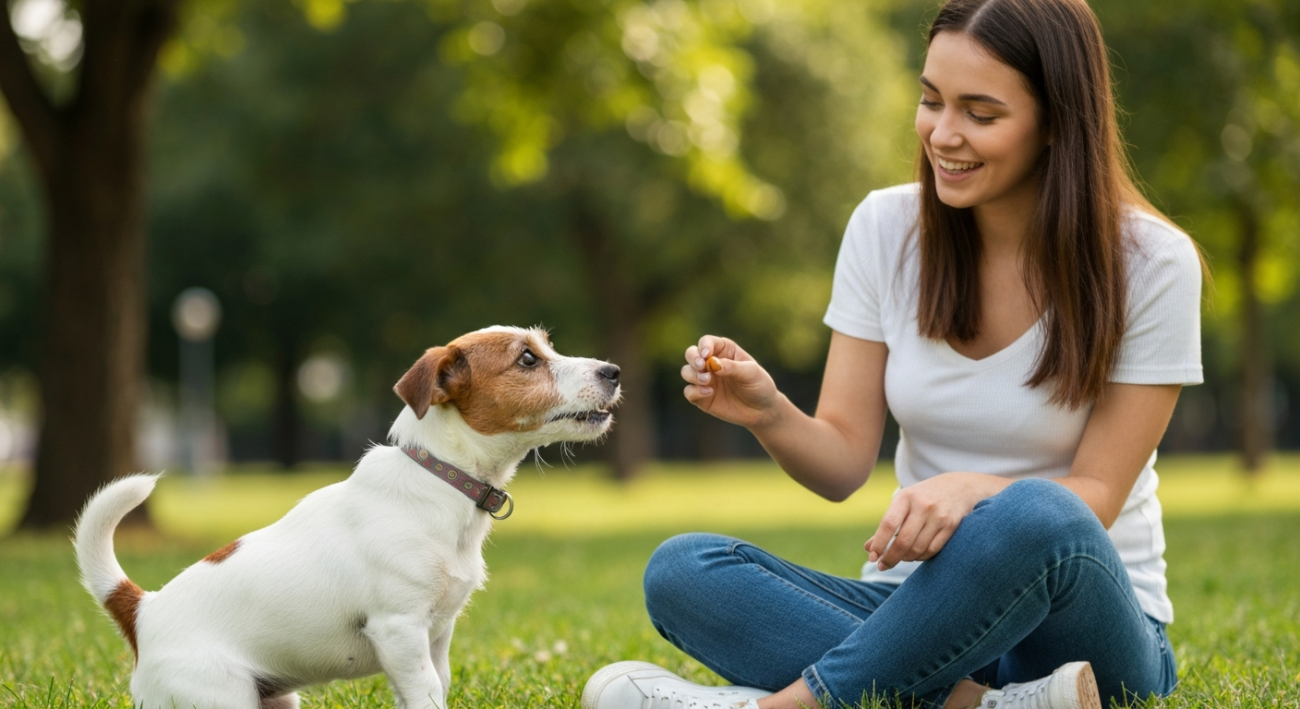
Positive reinforcement is the most effective way to teach your puppy. When your puppy performs a desired action, immediately reward them with treats, praise, or toys. This helps them associate the behavior with a positive outcome, making them more likely to repeat it. Avoid harsh punishments, as these can create fear and damage your bond. Instead, redirect unwanted behaviors. For example, if they chew on furniture, offer an appropriate chew toy instead. This gentle approach fosters a confident and eager-to-please companion, making the overall experience much more enjoyable for both of you.
Prioritize Early Socialization
Socialization is a vital part of early puppy discipline. Expose your puppy to a variety of safe, positive experiences, including different people, sounds, sights, and other vaccinated dogs. This helps them develop into a confident and well-adjusted adult. Puppy classes are excellent for this, providing controlled environments for learning and interaction. Remember to keep experiences positive and short to avoid overwhelming your pup. A well-socialized puppy is less likely to develop anxiety or aggression towards new situations.
Master House Training and Crate Training
Teaching your puppy where and when to relieve themselves is a fundamental aspect of early discipline. Establish a strict potty schedule and reward them immediately when they go outside. Crate training, when done correctly, can be incredibly beneficial. It provides a safe den for your puppy and helps with house training by tapping into their natural instinct not to soil their sleeping area. For a detailed guide on how to manage this crucial step, consider exploring resources on potty training a puppy, which offers comprehensive tips. Both methods instill structure and hygiene habits early on.
Address Nipping and Biting Behaviors
Puppies explore the world with their mouths, but teaching bite inhibition is critical for their early puppy discipline. When your puppy nips too hard, immediately yelp (like another puppy would) and withdraw attention or playtime for a few moments. This teaches them that hard biting stops the fun. Redirect their biting to appropriate chew toys. Consistency is key here; everyone in the household must react the same way. For broader insights into managing various behavioral aspects, a comprehensive dog discipline guide can provide additional context and strategies.
When This May Be Different
- Rescue puppies with unknown histories or trauma may require a more patient and specialized approach to discipline.
- Certain breeds, known for their strong prey drives or independent nature, might need more intensive and consistent training.
- Puppies with underlying health issues or anxiety may exhibit behaviors that require veterinary consultation alongside training.
- Multi-dog households where an older dog influences the puppy’s learning, sometimes requiring tailored intervention.
Common Myths Debunked
Myth: Puppies are too young to be disciplined.
Reality: Reality: Puppies are constantly learning from the moment they are born. The critical socialization period (8-16 weeks) is actually the best time to start introducing gentle guidance and positive reinforcement. Waiting until they are older makes it harder to modify ingrained habits.
Myth: You must assert dominance over your puppy to discipline them.
Reality: Reality: The ‘dominance theory’ in dog training has largely been debunked. Instead of asserting dominance through confrontation, building a trusting relationship based on positive reinforcement is far more effective. This approach encourages cooperation and prevents fear-based behaviors.
Myth: Punishment is the quickest way to stop unwanted behaviors.
Reality: Reality: While punishment might temporarily suppress a behavior, it doesn’t teach your puppy what to do instead. It can lead to fear, anxiety, and a damaged bond, potentially causing new behavioral problems. Positive reinforcement, which rewards desired behaviors, is more humane and effective for long-term learning.
When You Should Be Concerned
- Extreme fear or aggression towards people or other animals, even after socialization efforts.
- Persistent house-soiling despite consistent training and medical check-ups.
- Excessive destructive chewing or self-mutilation when left alone, indicating severe separation anxiety.
- Inability to learn basic commands or respond to positive reinforcement, suggesting a deeper issue or a need for professional guidance.
- Sudden, unexplained changes in behavior, such as lethargy or loss of appetite, requiring veterinary attention.
What to Do Next
Implementing early puppy discipline is an ongoing journey that requires patience, understanding, and consistency. Continue reinforcing good behaviors with praise and rewards, and always be prepared to redirect unwanted actions. Consider enrolling in further obedience classes as your puppy grows, which can provide advanced training and continued socialization opportunities. Most importantly, enjoy this special time with your developing companion. A well-disciplined puppy grows into a confident, happy, and well-adjusted member of your family, bringing years of joy and companionship. Your dedication now will truly pay off in the long run.
