
Comprehensive Guide to Changing a Car Tyre Safely and Efficiently
Step-by-Step Guide to Changing a Car Tyre
1. Prioritize Safety and Prepare the Vehicle
2. Gather Your Tools and Spare Tyre
3. Loosen the Lug Nuts
4. Position the Jack and Lift the Vehicle
5. Remove the Lug Nuts and Flat Tyre
6. Mount the Spare Tyre
7. Hand-Tighten the Lug Nuts
8. Lower the Vehicle and Fully Tighten Lug Nuts
9. Store the Flat Tyre and Tools
10. Check Spare Tyre Pressure and Drive Cautiously
Essential Safety Checklist for a Roadside Tyre Change
- Secure a safe, level location away from active traffic.
- Engage the parking brake and place the vehicle in park (automatic) or first/reverse gear (manual).
- Activate hazard warning lights to alert other drivers.
- Place reflective triangles or flares if available, especially at night or in low visibility.
- Wear high-visibility clothing if performing the change at night or in adverse weather.
- Use wheel chocks on the wheel diagonally opposite the flat tyre to prevent rolling.
- Ensure no one is in the vehicle, especially if children are present; have them wait in a safe location away from the roadside.
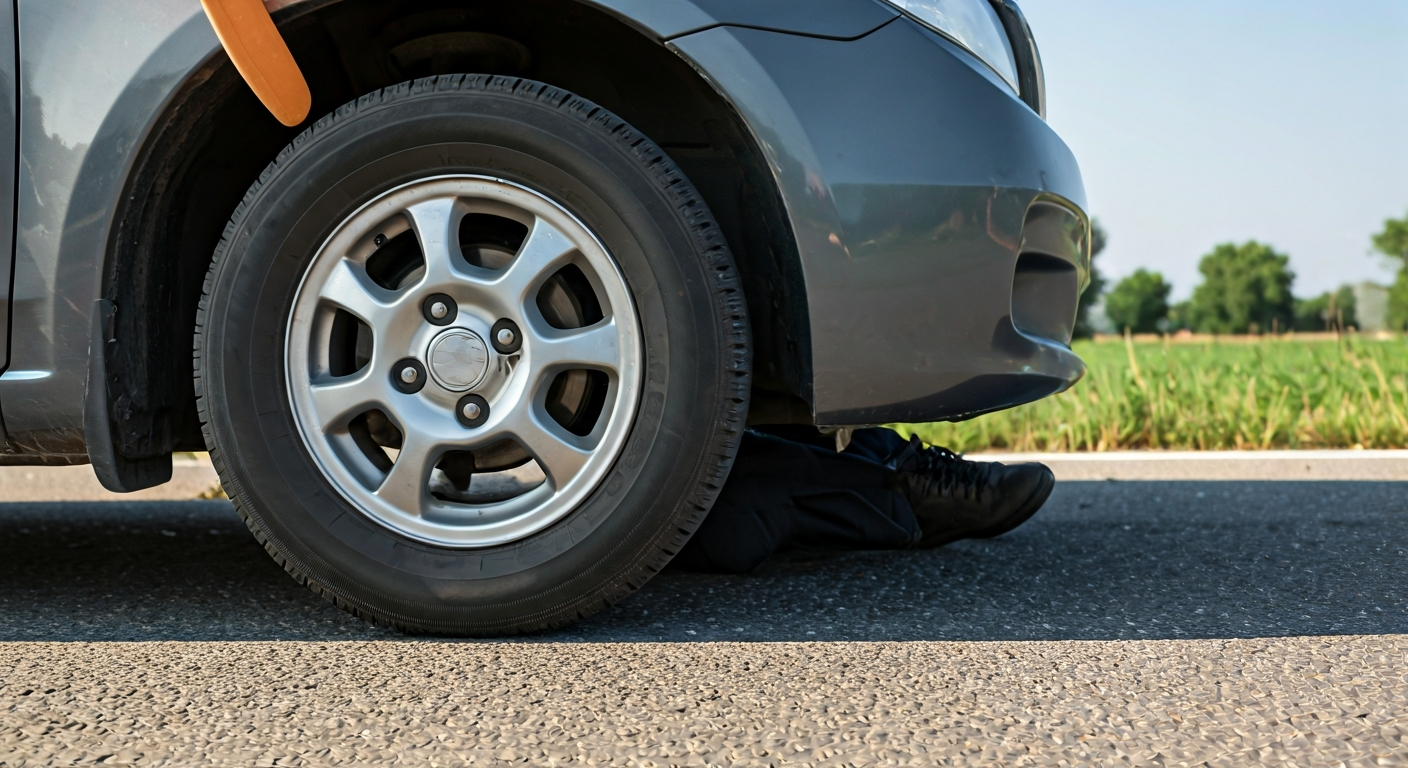
- Never place any part of your body under a vehicle supported only by a jack.
- Wear sturdy gloves to protect your hands from dirt, grease, and sharp edges.
- Do not over-tighten lug nuts with your body weight; use only the force required to secure them.
Immediate Actions and Important Considerations Post-Tyre Change
Proactive Tyre Maintenance: Preventing Flats and Enhancing Readiness
DIY Tyre Change vs. Roadside Assistance: A Comparison
Pros
- Cost Savings: Changing a tyre yourself avoids service fees for roadside assistance.
- Immediate Solution: If you're prepared, a DIY change can be quicker than waiting for assistance to arrive, especially in remote areas.
- Self-Reliance: Empowers you with a critical skill, fostering independence on the road.
Cons
- Safety Risks: Performing a change on a busy roadside can be hazardous without proper safety precautions and visibility.
- Physical Exertion: Requires significant physical effort, especially for stubborn lug nuts or heavy wheels.
- Lack of Tools/Knowledge: Without the right tools (or a good spare) or understanding the process, you could worsen the situation or get stuck.
- Potential for Damage: Improper jacking or tightening can damage the vehicle or wheel studs.
Key Takeaways for a Successful Tyre Change
Key Takeaways
- Preparedness is Paramount: Always carry a properly inflated spare tyre, a functional jack, and a lug wrench. Check your spare regularly.
- Safety First: Prioritize finding a safe, level location, using hazard lights, and securing the vehicle with the parking brake.
- Follow the Steps: Adhere to the correct sequence: loosen nuts, jack up, remove flat, mount spare, hand-tighten, lower, then fully tighten.
- Drive with Caution: Temporary spares have strict speed and distance limits. Proceed immediately to a service centre.
- Professional Follow-Up: Have your spare's pressure checked and lug nuts professionally torqued. Get your flat tyre inspected for repair or replacement.
Frequently Asked Questions About Changing a Car Tyre
Was this guide helpful?
Your feedback helps our writers improve this help center.
About the Author
Related Guides
See All Topics
To safely and effectively change a car tyre, you require a specific set of tools: a <strong>car jack</strong> (scissor or bottle type), a <strong>lug wrench</strong> (standard or telescopic), <strong>wheel chocks</strong>, the vehicle's owner's manual, and the spare tyre itself. For enhanced safety, always include a <strong>reflective safety triangle</strong> or flares, work gloves, and a torch. Ensure all tools are in good working order before embarking on any journey.
Changing a car tyre typically takes 15 to 30 minutes for an average driver with basic tools and some experience. For novices, it can extend to 45 minutes or more, especially under adverse conditions. Experienced individuals or roadside assistance professionals might complete the task in under 10-15 minutes.

To ensure roadside safety when changing a tyre, prioritize finding a safe, level location away from traffic. Immediately activate hazard lights, deploy a warning triangle or flares, and wear a reflective vest. Ensure your vehicle is stable with the parking brake engaged and wheels chocked before beginning. Always stay vigilant of your surroundings to protect yourself, passengers, and other motorists.