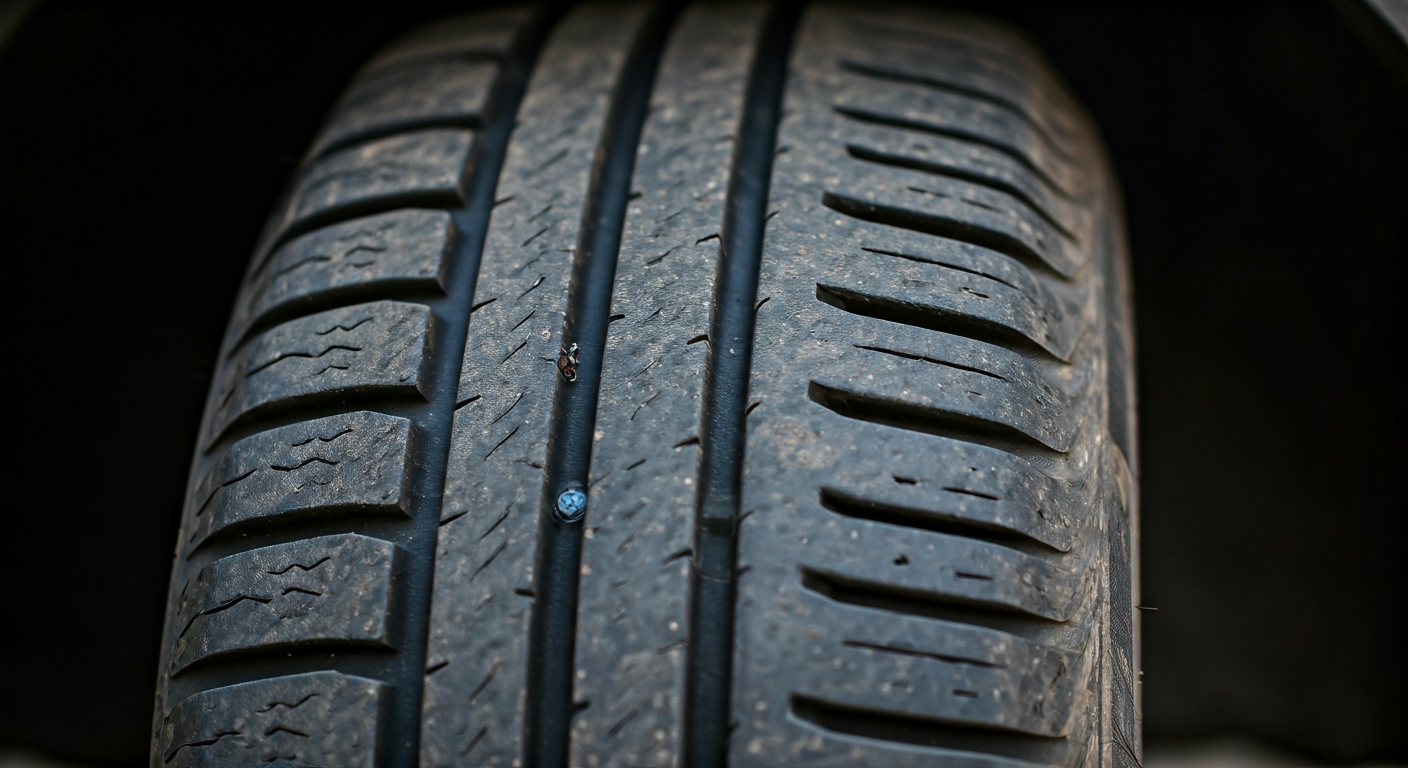
A close-up view of a car tyre's tread with a small nail visibly embedded, accompanied by the text 'Tyre Repair or Replace?' overlay, illustrating a common dilemma.
How To
Published

Tyre Repair vs. Replacement: When to Fix and When to Buy New

A
Ali Hassan
Writer
The Answer
Deciding between tyre repair and replacement hinges on the damage location, size, and depth. Tread punctures smaller than 0.25 inches (6mm) in the crown area are generally repairable with a plug-patch combination. However, damage to the sidewall, shoulder, or punctures exceeding this size, along with aged tyres or those with insufficient tread, mandate immediate replacement for safety.
Facing a flat tyre is a common yet frustrating experience for any driver. The immediate question is often: can this be fixed, or do I need to invest in a brand-new tyre? Making the correct decision isn't just about saving money; it's fundamentally about ensuring vehicle safety and optimal performance. Misjudging the severity or location of tyre damage can lead to dangerous blowouts, compromised handling, and uneven wear. This guide provides clear, authoritative criteria, helping you understand when a professional repair is a safe and economical option, and when replacing the tyre is the only responsible course of action to maintain your vehicle's integrity and your peace of mind on the road.

Step-by-Step Guide: Assessing Tyre Damage for Repairability

1

Step 1: Safely Inspect the Puncture Source

Before anything else, ensure your vehicle is in a safe location, ideally on a level surface away from traffic. If the tyre is severely deflated, consult our guide on how to change a car tyre to install your spare. Carefully examine the tyre for the object causing the puncture. Note its size, type (nail, screw, glass), and precisely where it entered the tyre.
2

Step 2: Identify the Puncture Location

The location of the damage is paramount. Punctures are generally repairable only if they are within the tyre's tread area, specifically the crown (the flat part that contacts the road). Damage to the tyre's sidewall (the flexible side between the tread and the wheel rim) or the shoulder (the curved edge where the tread meets the sidewall) is almost universally unrepairable due to the stress these areas endure during driving.
3

Step 3: Measure the Damage Size

Industry standards, such as those from the Tire Industry Association (TIA), generally limit repairs to punctures no larger than 0.25 inches (6mm) in diameter. Anything larger compromises the tyre's structural integrity too significantly for a safe repair. Use a ruler or tape measure if the object is large enough to estimate the hole's potential size.
4

Step 4: Assess Puncture Angle and Type

Straight-in punctures are easier to repair. If the object entered at a severe angle, or if there's extensive rubber damage around the penetration point, it might indicate internal structural damage that cannot be safely patched. Cuts, gashes, or significant gouges are usually not repairable, regardless of size or location.
5

Step 5: Check for Multiple Punctures

A tyre may have more than one puncture. If there are multiple repairable punctures, ensure they are not too close together (generally at least 16 inches apart) to avoid weakening the tyre structure. If a tyre has several non-repairable damages, replacement is necessary.
6

Step 6: Evaluate Tread Depth and Overall Tyre Condition

Even if a puncture is technically repairable, the tyre must have sufficient remaining tread depth to be safe and legal. Most jurisdictions require a minimum of 2/32nds of an inch (1.6mm). Also, check for any existing repairs, unusual wear patterns, or signs of age (cracking, dry rot) that might make the tyre unsafe to continue using, even after a repair.
7

Step 7: Seek Professional Assessment

Always have a qualified tyre technician perform the final assessment and repair. They will dismount the tyre from the wheel to inspect the inside for hidden damage, which is crucial for a safe and lasting repair. Never rely solely on an external plug without internal inspection and patching.

Understanding Proper Tyre Repair Methods and Limitations

A proper tyre repair is not merely plugging a hole from the outside. To meet safety standards, especially those recommended by organizations like the National Highway Traffic Safety Administration (NHTSA), a tyre must be repaired using a combination plug-patch method. This involves dismounting the tyre from the wheel to allow for a thorough internal inspection, cleaning, and preparation of the damaged area.
The process begins by inserting a plug through the injury from the inside out, sealing the path of air loss. Subsequently, a patch is applied to the inner liner, creating a permanent seal against moisture and further air leakage. This two-part approach is critical because a simple external plug, while seemingly fixing the leak, does not address potential internal damage or provide a reliable long-term seal. An improperly repaired tyre can suffer from corrosion of the steel belts, internal separation, or sudden failure, posing significant safety risks.
It's essential to distinguish between a temporary external plug, often used as a roadside emergency fix, and a permanent, professional repair. While an external plug might get you to a service center, it should never be considered a long-term solution. Professional repairs, when performed correctly and within the established guidelines, can restore the tyre's integrity and allow it to perform safely for the remainder of its lifespan.

Tyre Repair vs. Replacement: Decision Matrix

Damage Type / LocationRepairability CriteriaRecommended Action
Small Puncture (Tread)Less than 0.25 inches (6mm) diameter, within the central tread area.<strong>Repairable</strong> (with a professional plug-patch)
Large Puncture (Tread)Greater than 0.25 inches (6mm) diameter, or irregular shape.<strong>Replacement</strong> (cannot be safely repaired)
Sidewall DamageAny puncture, cut, bulge, or impact damage to the sidewall.<strong>Replacement</strong> (sidewalls flex too much for safe repair)
Shoulder DamageAny damage to the curved area where tread meets sidewall.<strong>Replacement</strong> (high stress area, difficult to seal properly)
Multiple PuncturesTwo or more repairable punctures too close (e.g., within 16 inches of each other).<strong>Replacement</strong> (compromises structural integrity)
Age & WearTyre older than 6-10 years, or tread depth below legal limit (2/32").<strong>Replacement</strong> (even with a repairable puncture, overall safety is compromised)

Pros and Cons: Tyre Repair vs. Tyre Replacement

Pros

  • Cost-Effective: Repairs are significantly cheaper than purchasing a new tyre.
  • Environmentally Friendly: Extends the life of an existing tyre, reducing waste.
  • Time-Saving: A repair typically takes less time than sourcing and installing a new tyre.
  • Maintains Performance: Ensures consistent handling and traction across all four tyres.
  • Enhanced Safety: A new tyre eliminates any doubts about structural integrity or previous damage.
  • Warranty and Fresh Start: Comes with a new warranty and full tread life.

Cons

  • Limited Applicability: Only suitable for specific types, sizes, and locations of damage.
  • Potential for Improper Repair: If not done professionally, can lead to safety hazards.
  • Higher Cost: Significantly more expensive upfront investment.
  • Mismatched Tread: Can lead to uneven wear or differential issues if only one tyre is replaced on an axle and others have significant wear.
  • Disposal Impact: Contributes to tyre waste, though many facilities recycle.

Critical Factors That Mandate Tyre Replacement

While repairs are often viable for minor tread punctures, several conditions automatically render a tyre unrepairable, making replacement the only safe option. These aren't just recommendations; they are critical safety mandates. Foremost among these is any damage to the sidewall or shoulder. These areas are designed to flex and absorb impact, and even a small puncture or cut here can severely compromise the tyre's structural integrity, leading to dangerous blowouts.
Beyond specific damage, the overall condition of the tyre plays a crucial role. Tyres with insufficient tread depth, typically below 2/32nds of an inch (1.6mm), have reduced grip and braking capability, especially in wet conditions. Attempting to repair such a tyre is illogical as its performance is already compromised. Similarly, tyres exhibiting signs of age-related deterioration, such as extensive cracking, dry rot, or separation (often seen in tyres older than 6-10 years, regardless of mileage), are inherently unsafe and should be replaced.
Other non-repairable issues include punctures larger than the accepted 0.25-inch limit, internal damage from driving on a flat (which can cause irreversible breakdown of the internal structure), or punctures that expose the tyre's internal cords. In all these scenarios, the cost of a new tyre is a small price to pay for the safety of your vehicle's occupants and other road users. Always err on the side of caution; if there's any doubt about a tyre's safety, replace it.

How to Minimize Tyre Damage and Extend Tyre Life

  • Maintain Proper Tyre Pressure: Regularly check your tyre pressure, at least once a month and before long trips, using a reliable gauge. Correct inflation improves fuel efficiency, handling, and significantly reduces the risk of blowouts and punctures. Under-inflated tyres flex more, generating excessive heat and making them more susceptible to damage.
  • Regular Tyre Rotations: Rotate your tyres every 5,000 to 8,000 miles to ensure even wear across all four tyres. This extends their overall lifespan and helps maintain consistent performance.
  • Wheel Alignment and Balancing: Have your wheels professionally aligned and balanced as recommended by your vehicle manufacturer or if you notice uneven wear or vibrations. Proper alignment prevents premature and irregular tyre wear.
  • Avoid Overloading Your Vehicle: Adhere to your vehicle's maximum load capacity. Overloading puts excessive stress on tyres, increasing their vulnerability to damage and failure.
  • Practice Defensive Driving: Avoid potholes, curbs, road debris, and sharp turns at high speeds. These can cause immediate damage or weaken the tyre structure over time. For more tips on proactive care, see our guide on preventing flat tyres.
  • Regular Visual Inspections: Periodically inspect your tyres for embedded objects, cracks, bulges, or unusual wear patterns. Early detection can prevent minor issues from becoming major problems.

Summary: Making the Right Tyre Decision for Safety and Value

Key Takeaways

  • Damage Location is Key: Only punctures in the central tread area are typically repairable.
  • Size Matters: Punctures exceeding 0.25 inches (6mm) are generally not repairable.
  • Professional Repair: A proper repair involves a plug-patch combination performed by a qualified technician after internal inspection.
  • Mandatory Replacement: Sidewall/shoulder damage, excessive age, inadequate tread depth, or extensive internal damage necessitates immediate tyre replacement.
  • Safety First: Never compromise on safety. If there's any doubt about a tyre's integrity, replacement is the safest choice.
  • Preventive Care: Regular maintenance, correct inflation, and cautious driving can significantly reduce the incidence of tyre damage.

Frequently Asked Questions About Tyre Repair and Replacement

Was this guide helpful?

Your feedback helps our writers improve this help center.

Helpful for 10 readers

About the Author

A
Ali Hassan
Expert Author
Writer

"Professional writer."

Related Guides

See All Topics
A cross-section view of a run-flat tyre clearly showing its thick, reinforced sidewall designed to support the vehicle after a puncture, with 'RUN-FLAT TECHNOLOGY' text.

Run-flat tyres are specialized car tyres designed to continue functioning safely for a limited distance and speed after experiencing a puncture and losing air pressure. They achieve this through reinforced sidewalls or internal support rings, preventing the tyre from collapsing entirely. This allows drivers to reach a service station without an immediate roadside tyre change, enhancing safety and convenience.
1 Found This Helpful
Read Guide
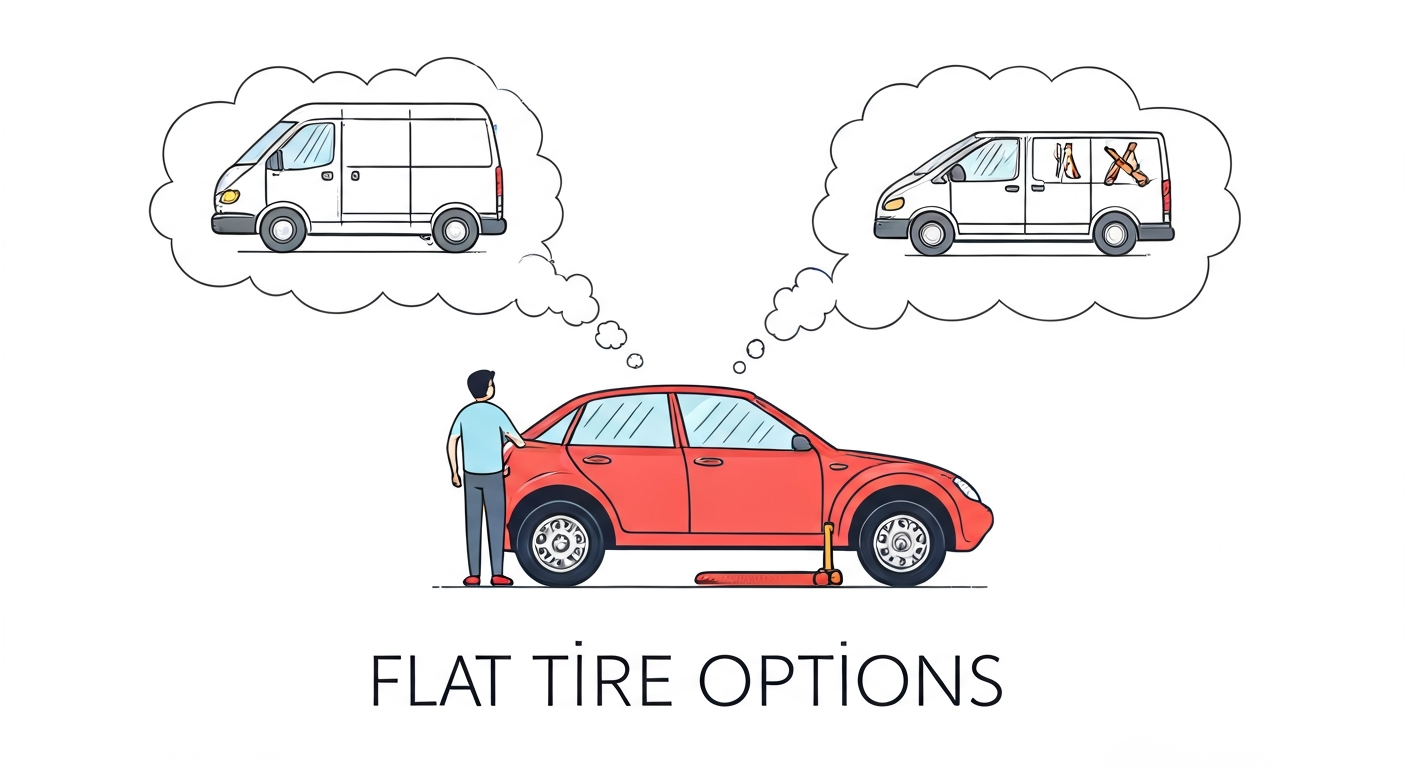
A driver contemplating options for a flat tire, with visual representations of roadside assistance arriving and tools for a DIY repair, illustrating the choice between professional help and self-service.

Choosing between roadside assistance and a DIY tyre change depends on your safety, skill level, available tools, and the specific situation. For optimal safety and convenience, especially in hazardous conditions or if you lack confidence, roadside assistance is superior. However, a DIY change offers immediate resolution and cost savings if you are prepared, skilled, and in a safe environment.

2 Found This Helpful
Read Guide
A visual comparison of three car tyre types: a large, standard black tyre (full-size spare), a smaller, narrower yellow-rimmed tyre (temporary 'donut' spare), and a modern black tyre with a 'RFT' marking (run-flat). Text overlay reads 'Spare Tyre Types'.

Identifying your spare tyre type—full-size, temporary (donut), or run-flat—is crucial for safe driving. Check your car's boot for a conventional spare or a compact 'donut' and examine its sidewall for usage restrictions. If no physical spare is present, your vehicle might be equipped with run-flat tyres or a tyre repair kit, indicating a different emergency strategy.

16 Found This Helpful
Read Guide
BroadMatters LogoBroadMatters

Clear, simple guides and everyday explanations to help you solve common problems with confidence.

Stay Updated

Get our latest guides and simple tips delivered directly to your inbox.

By joining, you agree to our Terms and Privacy Policy.

© 2026 BroadMatters Help Center. All rights reserved.

contact@broadmatters.com