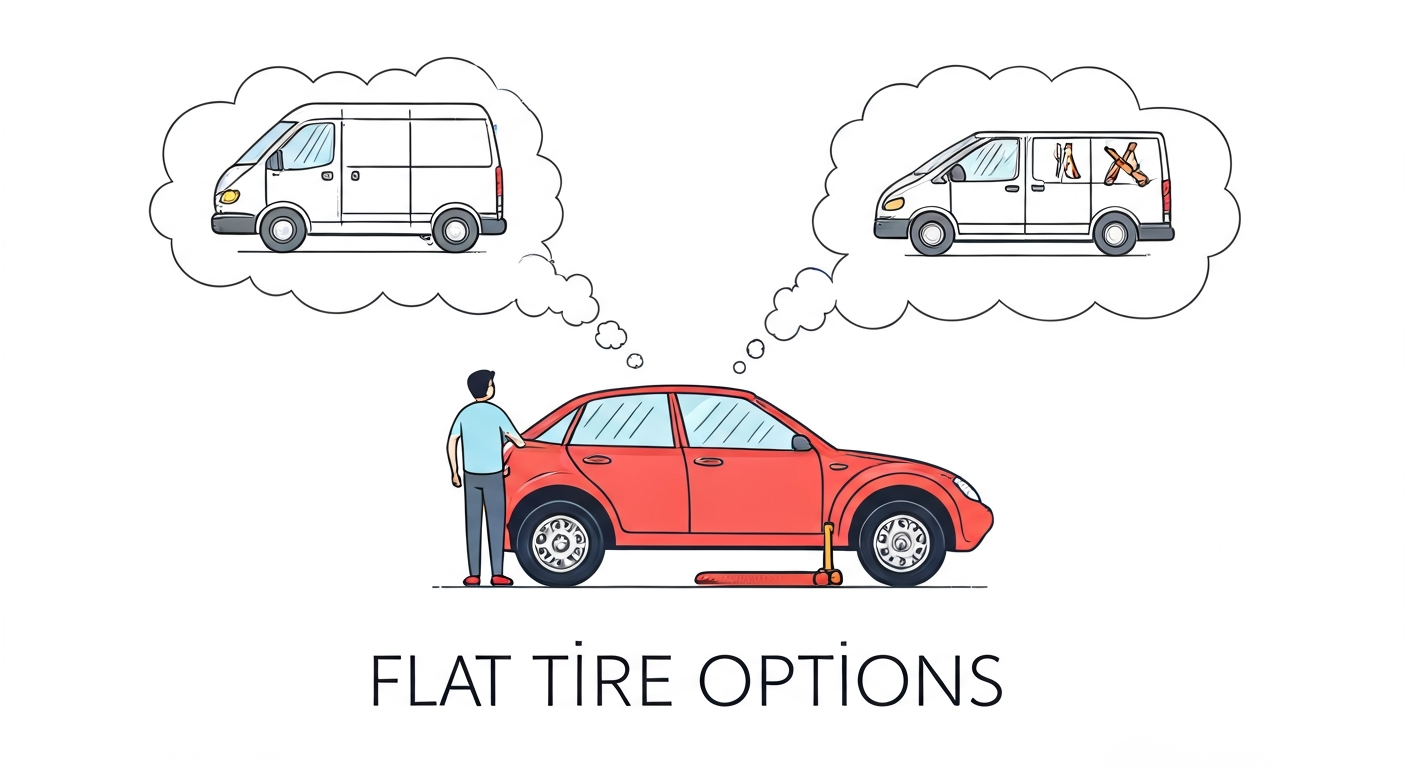
Roadside Assistance vs. DIY Tyre Change: Weighing Your Options
Roadside Assistance vs. DIY Tyre Change: An Overview
Pros
- Enhanced Safety: Professionals handle the task, reducing your exposure to traffic and environmental hazards.
- Expertise and Equipment: Technicians have specialized tools and knowledge for various tyre issues, including tricky lug nuts or valve problems.
- Convenience and Reduced Effort: No physical strain or dirty hands for the driver.
- Handles Complex Situations: Can arrange towing for severely damaged tyres or vehicles without a spare.
- Peace of Mind: Knowing a professional is on the way can alleviate stress.
- Immediate Resolution: If you have the tools and know-how, you can often resolve the issue faster than waiting for help.
- Cost-Effective: Primarily incurs the cost of a spare tyre and basic tools, which are usually one-time purchases.
- Self-Reliance: Builds confidence and preparedness for future roadside incidents.
- Availability: No waiting for a service provider; you start immediately.
Cons
- Waiting Time: You might experience significant delays depending on location, time of day, and service demand.
- Cost: Can involve membership fees (annual) or per-service charges, which might be higher than DIY if not covered by insurance.
- Dependency: You are reliant on the service provider's availability and response time.
- Safety Risks: Performing a tyre change on a busy roadside can be extremely dangerous due to passing traffic.
- Physical Demands: Requires strength and dexterity to loosen lug nuts, lift the vehicle, and handle heavy tyres.
- Tool Dependency: Requires a full set of functional tools (jack, lug wrench, spare tyre) to be present and in good condition.
- Limited Scope: Cannot address significant vehicle damage, missing spares, or complex mechanical issues beyond a simple flat.
- Weather Dependency: Challenging in adverse weather conditions like heavy rain, snow, or extreme heat.
Step-by-Step Guide to a DIY Tyre Change
1. Find a Safe Location
2. Gather Your Tools and Spare
3. Loosen the Lug Nuts
4. Jack Up the Vehicle
5. Remove the Flat Tyre
6. Mount the Spare Tyre
7. Lower the Vehicle and Tighten Nuts
8. Check Tyre Pressure and Drive Safely
Understanding Roadside Assistance Services
Cost and Time Implications: DIY vs. Roadside Assistance
| Factor | DIY Tyre Change | Roadside Assistance |
|---|---|---|
| Initial Cost | Minimal (Cost of jack, lug wrench, spare if not included with car: $50-$200 one-time) | Membership fees (e.g., $50-$150 annually) or per-service fees ($75-$200+ per incident) |
| On-Scene Time Commitment | 15-45 minutes, depending on skill and conditions. For a deeper dive, read <a href="https://broadmatters.com/how-long-to-change-car-tyre">How Long to Change a Car Tyre</a>. | Varies widely (30 minutes to 2+ hours) based on location, time of day, and service provider availability. |
| Post-Incident Cost | Tyre repair/replacement cost ($20-$200+) | Tyre repair/replacement cost ($20-$200+); possibly included towing to a repair shop if within mileage limits |
| Additional Costs/Concerns | Potential for damaging vehicle components if tools are used incorrectly; personal injury risk. | Potential for extra charges for services not covered by your plan (e.g., extensive towing, new tyre purchase). |
Crucial Safety Considerations for Tyre Changes
When DIY Isn't an Option: Mandatory Roadside Assistance
Summary: Making Your Informed Choice
Key Takeaways
- The decision between a DIY tyre change and calling for roadside assistance hinges on a careful assessment of several factors including immediate safety, personal capability, available resources, and urgency.
- DIY tyre changes are cost-effective and provide immediate resolution if you are equipped, skilled, and in a safe, stable environment. They foster self-reliance but demand physical effort and carry inherent safety risks on busy roads.
- Roadside assistance prioritizes your safety and convenience, offering professional expertise and equipment without personal exertion. It's the preferred choice for hazardous locations, adverse weather, lack of tools/spare, or physical limitations, though it involves potential waiting times and costs.
- Always prioritize safety. If there is any doubt about your ability to safely change a tyre, or if the conditions are unsafe, opt for professional help. Preparedness is key: ensure your vehicle has a functional spare, a jack, and a lug wrench, and consider a roadside assistance membership for comprehensive peace of mind.
Frequently Asked Questions About Tyre Changes
Was this guide helpful?
Your feedback helps our writers improve this help center.
About the Author
Related Guides
See All Topics
To ensure roadside safety when changing a tyre, prioritize finding a safe, level location away from traffic. Immediately activate hazard lights, deploy a warning triangle or flares, and wear a reflective vest. Ensure your vehicle is stable with the parking brake engaged and wheels chocked before beginning. Always stay vigilant of your surroundings to protect yourself, passengers, and other motorists.
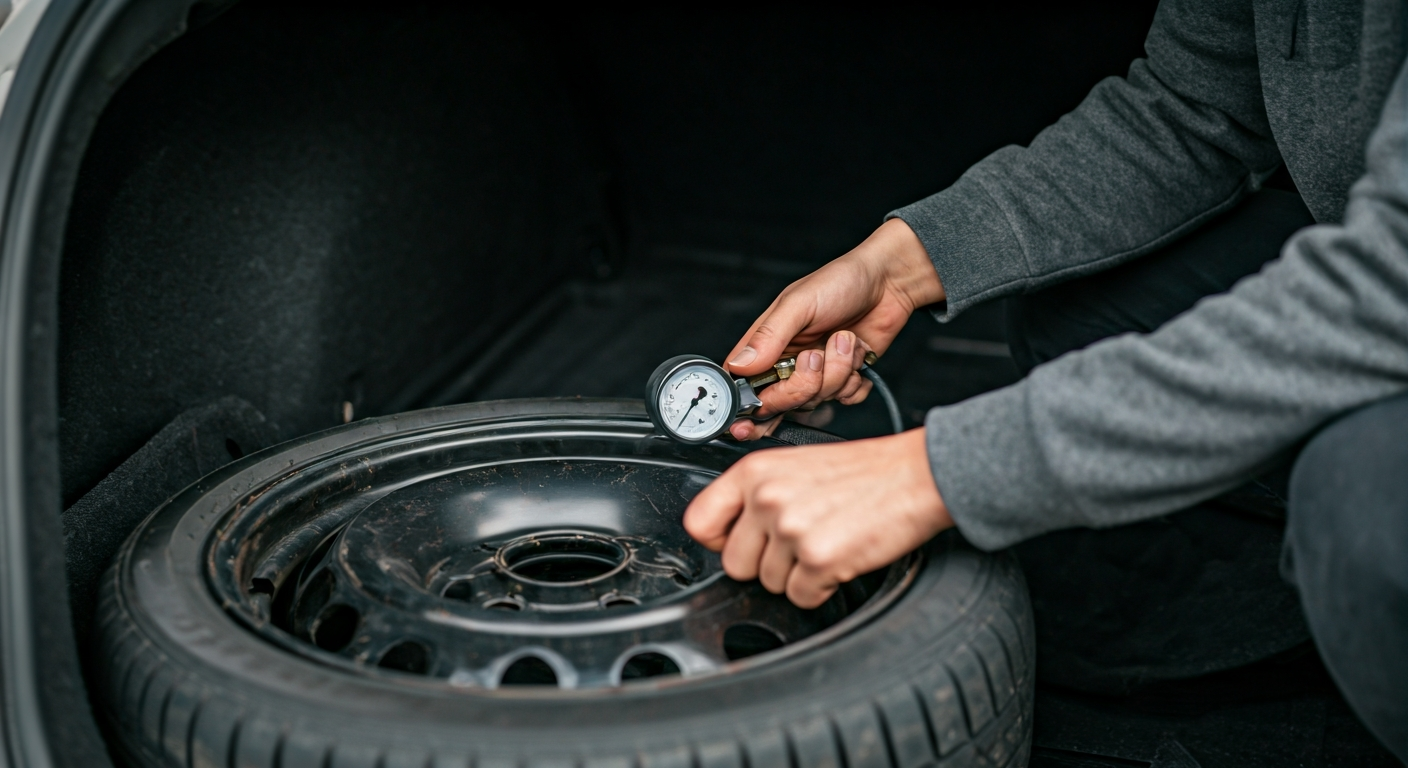
To ensure your spare tyre is emergency-ready, regularly inspect its inflation pressure, tread depth, and overall condition. Check pressure monthly, aiming for the vehicle manufacturer's specified PSI, usually found on a sticker in the door jamb or owner's manual. Look for at least 1/16 inch (1.6 mm) tread depth and inspect for cracks, bulges, or punctures. Proper maintenance prevents roadside delays and ensures safety when a flat occurs.
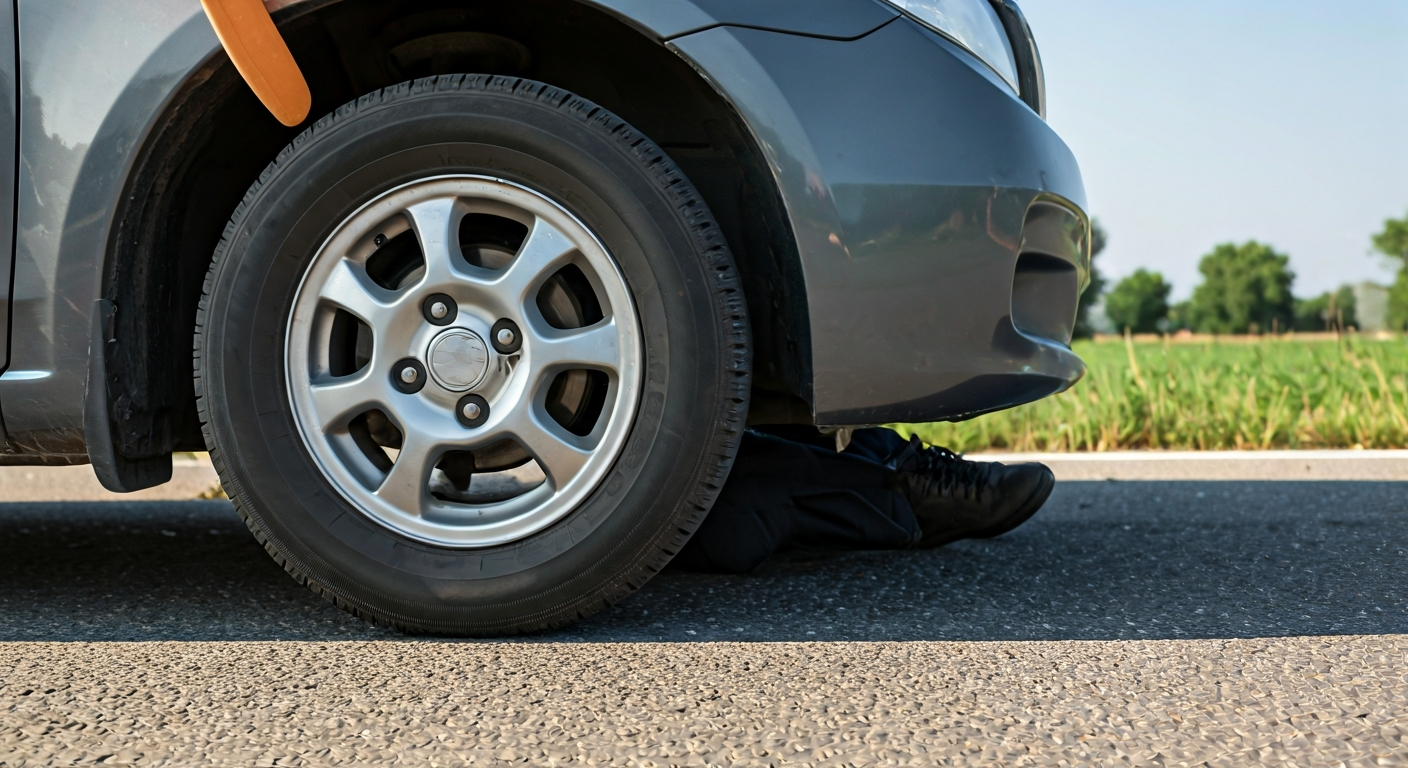
Changing a car tyre typically takes 15 to 30 minutes for an average driver with basic tools and some experience. For novices, it can extend to 45 minutes or more, especially under adverse conditions. Experienced individuals or roadside assistance professionals might complete the task in under 10-15 minutes.