
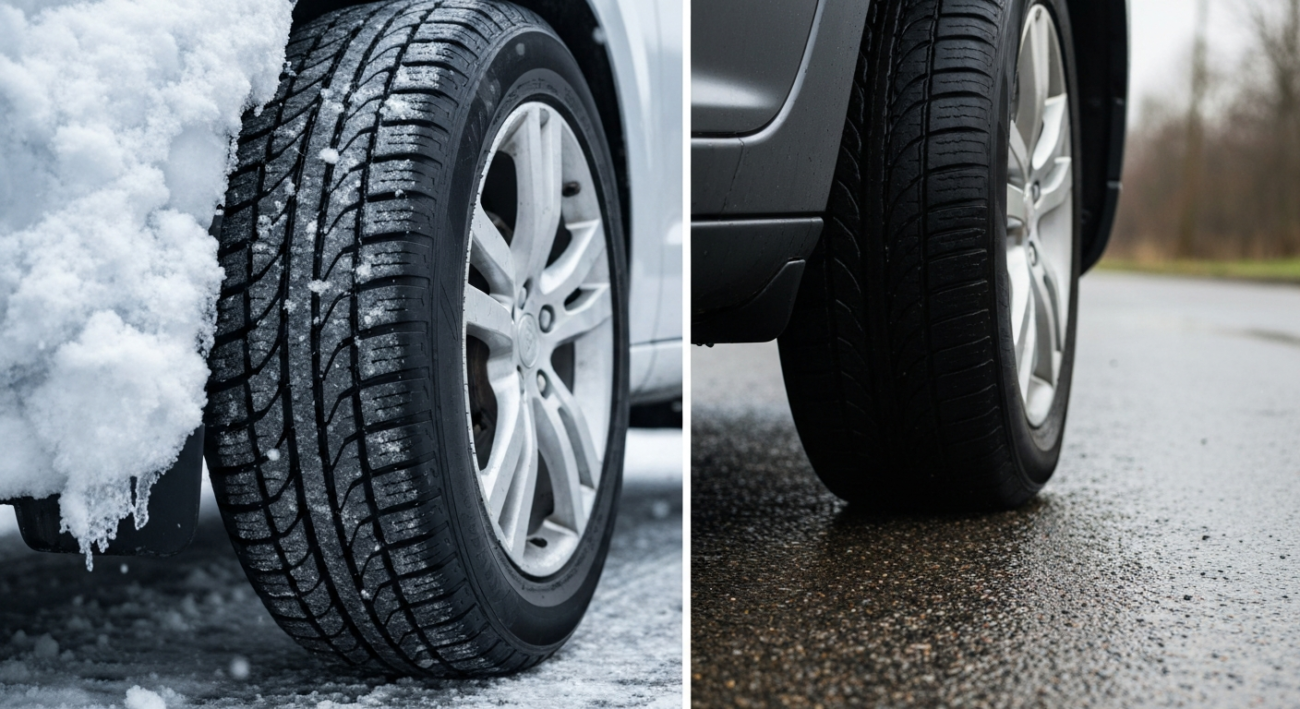
Navigating the Roads: Winter Tyres vs. All-Season Tyres
Choosing the right tyres is crucial for safe driving. Many drivers face a common dilemma. They often wonder about the best choice for their vehicle. Specifically, understanding the differences between winter tyres and all-season tyres is key. This decision impacts your safety and vehicle performance. It changes depending on your local climate. This comprehensive guide will explore the debate of winter tyres vs all-season tyres. We will break down their unique features. You will learn about their performance capabilities. Our goal is to help you make an informed decision. Let’s dive into the details.
Understanding Winter Tyres: Designed for Cold
Winter tyres are specialists for cold weather. They are engineered to perform below 7°C (45°F). Their unique rubber compound remains flexible in freezing temperatures. This flexibility ensures better grip on icy and snowy roads. The tread patterns are also distinct. They feature deeper grooves. These grooves effectively channel away slush and water. This helps prevent hydroplaning. Many winter tyres also have a dense pattern of sipes. Sipes are tiny cuts that grip snow and ice. This design provides superior traction. Braking distances are significantly reduced in harsh winter conditions. Your car will feel more stable. Winter tyres are a strong choice for regions with severe winters.
All-Season Tyres: The Versatile Option
All-season tyres aim to offer a balanced performance. They are a compromise. These tyres are designed for year-round use. They handle a variety of conditions. This includes dry, wet, and light snow. Their rubber compound is formulated for moderate temperatures. It performs adequately in both summer heat and mild winter cold. The tread design is a hybrid. It offers features suitable for different seasons. This makes them a convenient choice. Drivers avoid the need for seasonal tyre changes. However, they don’t excel in extreme conditions. They won’t match summer tyres in high heat. They also fall short of winter tyres on heavy snow or ice. Exploring the different types of car tyres available can highlight these trade-offs.
Performance Showdown: Winter Tyres vs All-Season Tyres
A direct comparison of performance is vital. This reveals the core differences. On snow and ice, winter tyres clearly dominate. Their specialized design offers superior grip. They also provide much shorter braking distances. This can be critical in an emergency. All-season tyres struggle in these conditions. They become stiff and lose traction. Their braking performance diminishes significantly. However, all-season tyres perform well on dry and wet roads. This applies to moderate temperatures. They offer a comfortable ride. They also provide good fuel efficiency. Winter tyres, conversely, wear faster on warm, dry pavement. They can also feel softer. This impacts handling slightly. The choice truly depends on your driving environment. It depends on the weather you typically encounter.
Making the Smart Choice: Winter Tyres vs All-Season Tyres
Deciding between winter tyres vs all-season tyres involves several factors. Consider your local climate first. Do you experience heavy snow and prolonged freezing temperatures? If so, winter tyres are a wise investment. They provide unmatched safety. For areas with mild winters and warm summers, all-season tyres might suffice. They offer convenience. They also save on storage costs. Think about your driving habits too. Do you frequently drive in challenging conditions? Then specialized tyres are beneficial. Furthermore, budget plays a role. Buying two sets of tyres is an initial expense. However, it can extend the life of both sets. This is true if you rotate them seasonally. Knowing how to change a tyre yourself can also save on installation costs. Ultimately, safety should be your top priority.
Key Takeaways for Tyre Selection
- Winter tyres excel in temperatures below 7°C, offering superior grip and braking on snow and ice.
- All-season tyres provide a balanced performance for moderate climates, suitable for year-round use without seasonal changes.
- Winter tyres significantly reduce braking distances and improve stability in harsh winter conditions, enhancing safety.
- All-season tyres offer convenience and are cost-effective for drivers in regions with mild winters.
- Consider your local climate, driving habits, and budget when choosing the best tyre type for your vehicle.
Final Thoughts on Your Tyre Decision
Choosing the right tyres is a crucial decision. It directly impacts your safety and your vehicle’s performance. The comparison between winter tyres and all-season tyres highlights their distinct roles. Each type is designed for specific conditions. Winter tyres offer superior performance and safety in severe cold. All-season tyres provide a convenient, versatile option for milder climates. Consider your driving environment carefully. Evaluate the typical weather you face. Your decision should prioritize safety above all else. Make an informed choice for confident driving.
