
Quick Answer
Tyre blowouts are serious and dangerous. However, you can significantly reduce your risk. This guide focuses on preventing tyre blowouts through simple, regular checks. You will learn easy steps to keep your tyres in top condition. This ensures safer journeys for everyone. You’ll gain peace of mind on the road. Many factors contribute to tyre failures, including those discussed in this guide about common causes of flat tyres. By following these tips, you’ll avoid common pitfalls and enhance your vehicle’s safety.
Why This Method Works
Preventing tyre blowouts is proactive. It addresses issues before they become critical. Regular maintenance spots wear and tear early. Proper tire pressure extends tire life. It also improves fuel efficiency. These methods are simple and cost-effective. They prevent expensive repairs and dangerous road incidents. A well-maintained tire performs better. This increases your control and stopping power. Ultimately, it ensures a safer driving experience for you and your passengers.
What You Need
- Reliable tyre pressure gauge
- Owner’s manual for recommended tyre pressure
- Good lighting (for visual inspections)
- Penny or tread depth gauge
- Tyre inflator or access to an air pump
- Basic understanding of your vehicle’s specifications
Step-by-Step Instructions for Preventing Tyre Blowouts
Step 1: Check Tyre Pressure Regularly
Under-inflation or over-inflation is a major cause of blowouts. Check your tyre pressure at least once a month. Do this when the tyres are cold. Use a good quality pressure gauge. Your vehicle’s recommended pressure is usually on a sticker. Look on the driver’s side door jamb or in your owner’s manual. Adjust pressure as needed. Ensuring correct pressure maintains proper contact with the road. It also helps with even wear. Learn more about how to inflate a car tyre properly to avoid issues.
Step 2: Inspect Tyres for Wear and Damage
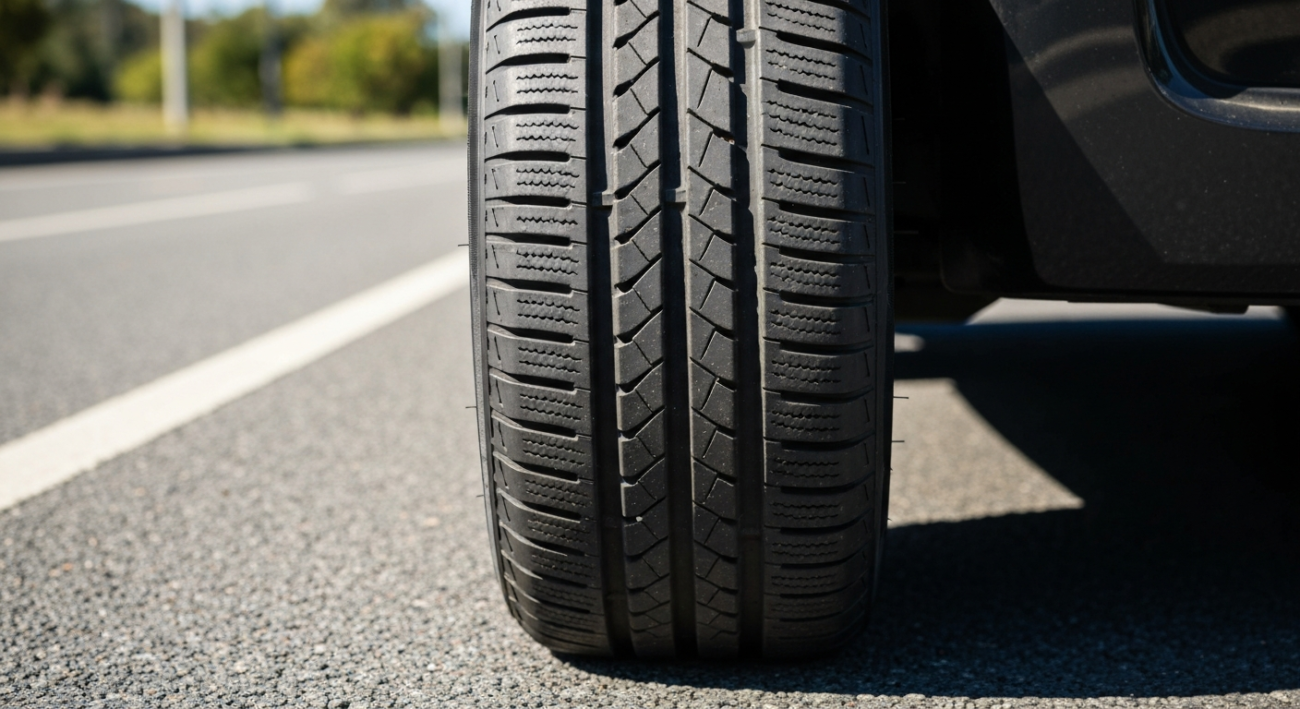
Perform a visual check of your tyres often. Look for any cuts, bulges, or cracks in the sidewall. These are signs of potential weakness. Check the tread for uneven wear patterns. Uneven wear can indicate alignment problems. Use the ‘penny test’ to check tread depth. Insert a penny head-first into a tread groove. If you can see Lincoln’s entire head, your tread is too shallow. Worn tyres have less grip. They are more prone to punctures and blowouts. Address any damage promptly.
Step 3: Rotate Tyres and Maintain Alignment
Regular tyre rotation helps ensure even wear across all four tyres. This extends their lifespan. Consult your owner’s manual for the recommended rotation schedule. Typically, this is every 5,000 to 8,000 miles. Proper wheel alignment is also crucial. Misalignment can cause rapid and uneven tread wear. It also affects your vehicle’s handling. Have your alignment checked periodically. Do this especially after hitting a significant pothole. Balanced tyres also contribute to smoother driving and longer life. These practices reduce stress on your tyres significantly.
Step 4: Avoid Overloading Your Vehicle
Every vehicle has a maximum weight capacity. This includes passengers and cargo. Exceeding this limit puts immense strain on your tyres. Overloaded tyres can overheat. This dramatically increases the risk of a blowout. Check your vehicle’s placard for its Gross Vehicle Weight Rating (GVWR). Distribute weight evenly within the vehicle. Do not just load up the trunk. This helps prevent excessive stress on any single tyre. Always be mindful of what you are carrying. Heavy loads greatly impact tyre performance and safety.
Step 5: Drive Safely and Avoid Road Hazards
Your driving habits impact tyre longevity. Avoid sudden braking or rapid acceleration. These actions cause excessive friction and heat. Drive defensively and anticipate road conditions. Steer clear of potholes, curbs, and other debris. Hitting these at speed can cause immediate tyre damage. This damage might not be visible externally. However, it can weaken the tyre’s internal structure. Maintain a safe following distance. This gives you more time to react. Smooth driving prolongs tyre life and reduces risks.
Step 6: Understand Tyre Age and Lifespan
Tyres do not last forever, even with good tread. Rubber degrades over time due to exposure. This degradation happens regardless of mileage. Most manufacturers recommend replacing tyres every 6 to 10 years. Check the DOT (Department of Transportation) code on your tyre’s sidewall. The last four digits indicate the week and year of manufacture. For example, ‘2019’ means the 20th week of 2019. Older tyres are more susceptible to blowouts. Replace them when they reach their age limit. Do not just wait for visible wear.
Common Mistakes in Preventing Tyre Blowouts
- Ignoring the recommended tyre pressure.
- Not inspecting tyres regularly for damage.
- Delaying tyre rotation and alignment services.
- Overloading the vehicle beyond its capacity.
- Driving aggressively or through road hazards.
- Keeping tyres past their recommended lifespan.
- Using a spare tyre for too long as a permanent solution.
If Something Doesn’t Work
Tyre pressure keeps dropping quickly.
This often indicates a slow leak or a puncture. Have a professional inspect the tyre immediately. Do not delay, as it could lead to a blowout. They can repair small punctures or recommend replacement.
Uneven tyre wear despite regular rotation.
Uneven wear suggests an alignment or suspension issue. Take your vehicle to a qualified mechanic. They can perform an alignment check and inspect suspension components. Correcting these issues is vital for tyre health.
Vibrations in the steering wheel or seat.
These vibrations could be due to unbalanced tyres or a bent rim. Get your tyres balanced and inspected. A professional can identify the source. This prevents further tyre damage or safety issues. Do not ignore persistent vibrations.
Expected Result
By diligently following these safety tips, you significantly reduce the risk of tyre blowouts. Your tyres will last longer. Your vehicle will handle better. More importantly, your journeys become much safer. You gain confidence knowing you’ve taken necessary precautions. This ensures peace of mind for you and your passengers. Moreover, being prepared for unexpected events, like knowing how to handle an emergency and changing a tire safely, adds another layer of security to your driving experience. Regular maintenance is a small effort for a huge return in safety.
Quick Summary
Preventing tyre blowouts is straightforward. It involves regular checks and good habits. Prioritize correct tyre pressure. Inspect tyres for damage and wear. Rotate and align your tyres as scheduled. Avoid overloading your car. Drive carefully and avoid hazards. Finally, replace old tyres proactively. These steps will keep you safe on the road. You will extend your tyre’s life and ensure worry-free travel. Your safety is worth the effort.
