
Quick Answer
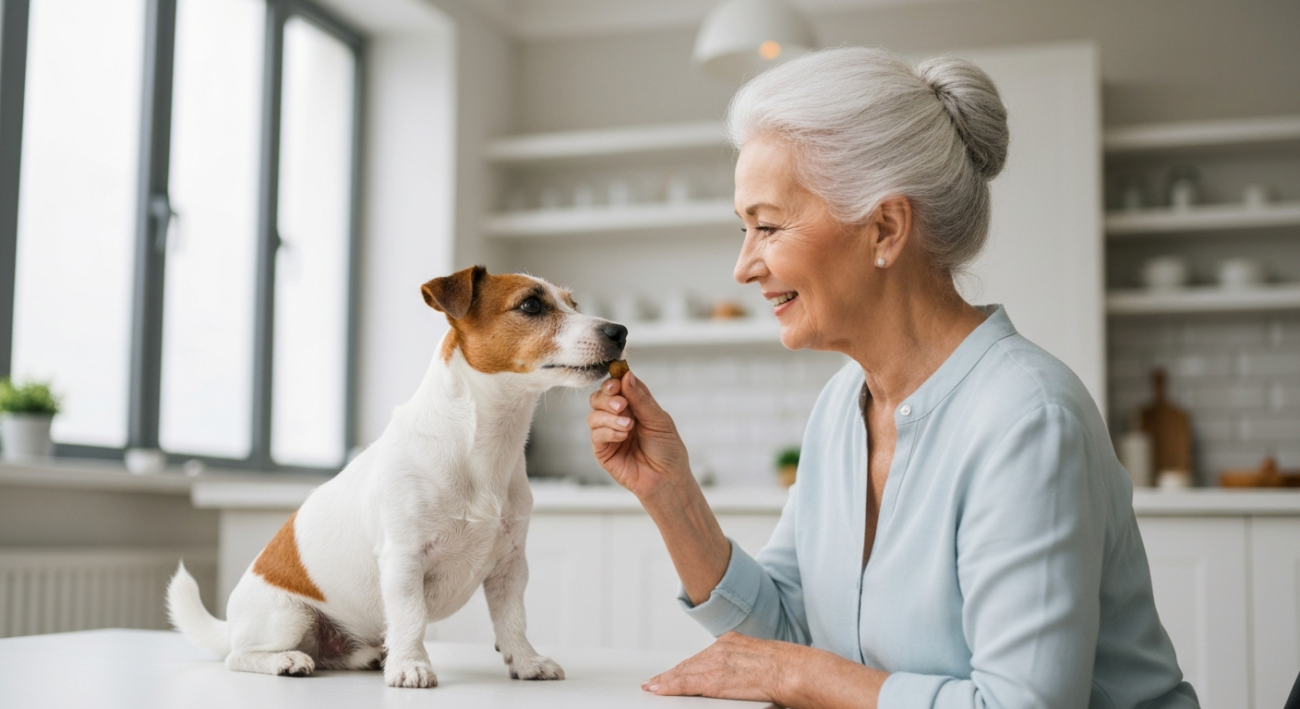
To successfully teach dog obedience commands, begin with short, positive reinforcement sessions in a quiet environment. Focus on one command at a time, using clear verbal cues and hand signals. Reward desired behaviors immediately with treats and praise. Consistency and patience are key, therefore leading to a well-mannered dog who understands your expectations. This approach builds trust and strengthens your bond with your furry friend.
Why Teaching Dog Obedience Commands Works
This method works because it leverages a dog’s natural desire to please and their ability to associate actions with rewards. Positive reinforcement creates a joyful learning experience, rather than one driven by fear or intimidation. By breaking down complex commands into simple, manageable steps, you make learning accessible and enjoyable for your canine friend. Furthermore, establishing a clear communication system reduces confusion and can prevent potential behavioral issues. Ultimately, it’s about building mutual understanding and respect between you and your dog.
What You Need
- High-value treats (small, soft, and easy to eat)
- A quiet, distraction-free training area
- A clicker (optional, but highly recommended for clear communication)
- A leash and comfortable collar or harness
- Patience and a positive attitude
- About 10-15 minutes per training session, multiple times a day
Step-by-Step Instructions to Teach Dog Obedience Commands
Step 1: Start with the “Sit” Command
Hold a high-value treat near your dog’s nose. Slowly move the treat over their head, guiding it towards their tail. As their nose follows the treat, their rear end will naturally lower into a sit. As soon as their bottom touches the ground, clearly say “Sit” and immediately give them the treat and praise. Repeat this process a few times, then take a short break to keep your dog engaged. Remember to keep sessions brief to maintain their focus and enthusiasm.
Step 2: Introduce the “Stay” Command
Once your dog reliably sits, tell them “Sit.” Then, with an open palm facing them (a hand signal for stay), clearly say “Stay.” Take one small step back. If they remain sitting, immediately step back to them, give a treat, and praise them enthusiastically. Gradually increase your distance and the duration of the “Stay” as they become more proficient. If they move, gently guide them back to the original spot, say “Sit,” and try again, making it a little easier this time.
Step 3: Master the “Come” Command (Recall)
This is a crucial command for your dog’s safety and your peace of mind. Begin in a small, enclosed area free from distractions. Get down to your dog’s level, say “Come!” in an excited, cheerful voice, and back away while clapping or making encouraging noises. When your dog comes to you, praise them enthusiastically and give a high-value treat. Practice this many times, slowly increasing distractions and distance. For more advanced recall strategies and broader behavioral insights, a comprehensive dog discipline guide can provide additional valuable tips.
Step 4: Practice “Down” (Lie Down)
With your dog already in a sit position, hold a treat close to their nose. Slowly lower the treat straight down to the floor between their paws, then slide it slightly away from them. This natural motion should encourage them to lie down to reach the treat. As soon as their elbows touch the floor, say “Down,” then immediately give the treat and praise. Be patient, as some dogs find this command more challenging than “Sit,” requiring more repetitions and gentle guidance.
Step 5: Teach “Leave It”
Place a low-value treat on the floor and cover it with your hand. Tell your dog “Leave It” in a firm but calm voice. When they look away from the treat or stop trying to get it, immediately mark the behavior (with a clicker or a verbal “Yes!”) and reward them with a *different*, higher-value treat from your other hand. Gradually uncover the treat on the floor, ready to cover it again if they go for it. This helps them learn vital self-control. Understanding dog body language can also give you crucial clues about their intent during this command, allowing you to intervene effectively.
Step 6: Maintain Consistency and Generalization
Once your dog understands individual commands in a quiet setting, it’s time to practice them in different environments with varying levels of distraction. This process is known as generalization. Always use the exact same verbal cues and hand signals to avoid confusing your dog. In addition, ensure that everyone in the household uses the same commands and training methods. This consistency prevents confusion and reinforces learning effectively. Remember, regular, short practice sessions are far more effective than infrequent, long ones.
Common Mistakes
- Using inconsistent commands or hand signals, which can confuse your dog.
- Getting frustrated or angry during training; dogs respond better to calm energy.
- Expecting too much too soon from your dog, leading to discouragement for both of you.
- Not rewarding immediately or with high-value treats, weakening the association.
- Training in overly distracting environments too early in the learning process.
- Making training sessions too long and boring, causing your dog to lose interest.
- Punishing mistakes instead of gently guiding correct behavior and rewarding success.
If Something Doesn’t Work
My dog isn’t responding to a command.
Go back to basics and simplify the command. Ensure your cues are clear, and that your treats are high-value enough to motivate your dog. Practice in a quieter environment with fewer distractions to help them focus.
My dog gets easily distracted during training.
Start training in a very calm, quiet space, such as your living room or a fenced yard. Gradually introduce mild distractions as they master the command in less stimulating areas. Keep sessions short and highly engaging to maintain their attention.
My dog only responds to treats, not praise.
Gradually fade out treats by giving them less frequently, or on a random schedule. Always follow a treat with enthusiastic verbal praise and gentle petting. Over time, the praise and positive attention will become powerful rewards themselves.
My dog seems bored or uninterested in training.
Make training a game! Use a playful tone of voice, vary your rewards (incorporate favorite toys, petting, or short play sessions), and keep sessions very short (2-5 minutes) but frequent. Always try to end each session on a positive note, with a success.
Expected Result of Teaching Dog Obedience Commands
After consistently applying these positive reinforcement techniques, you can expect a dog that reliably responds to basic commands like “Sit,” “Stay,” “Come,” “Down,” and “Leave It.” Your dog will become more confident, better behaved in various situations, and your bond will significantly strengthen. This foundation not only makes daily life more enjoyable but also opens the door to more advanced training and activities, ensuring a happier and safer life together for both you and your cherished companion.
Quick Summary
Teaching your dog basic obedience commands is a truly rewarding journey built on positive reinforcement, consistency, and plenty of patience. Start with simple commands, keep training sessions brief and fun, and always reward desired behaviors immediately with enthusiasm. By diligently following these steps and proactively avoiding common pitfalls, you’ll successfully foster a strong, communicative relationship with your canine companion, ultimately leading to a well-mannered, confident, and happy dog who is a joy to live with.
