
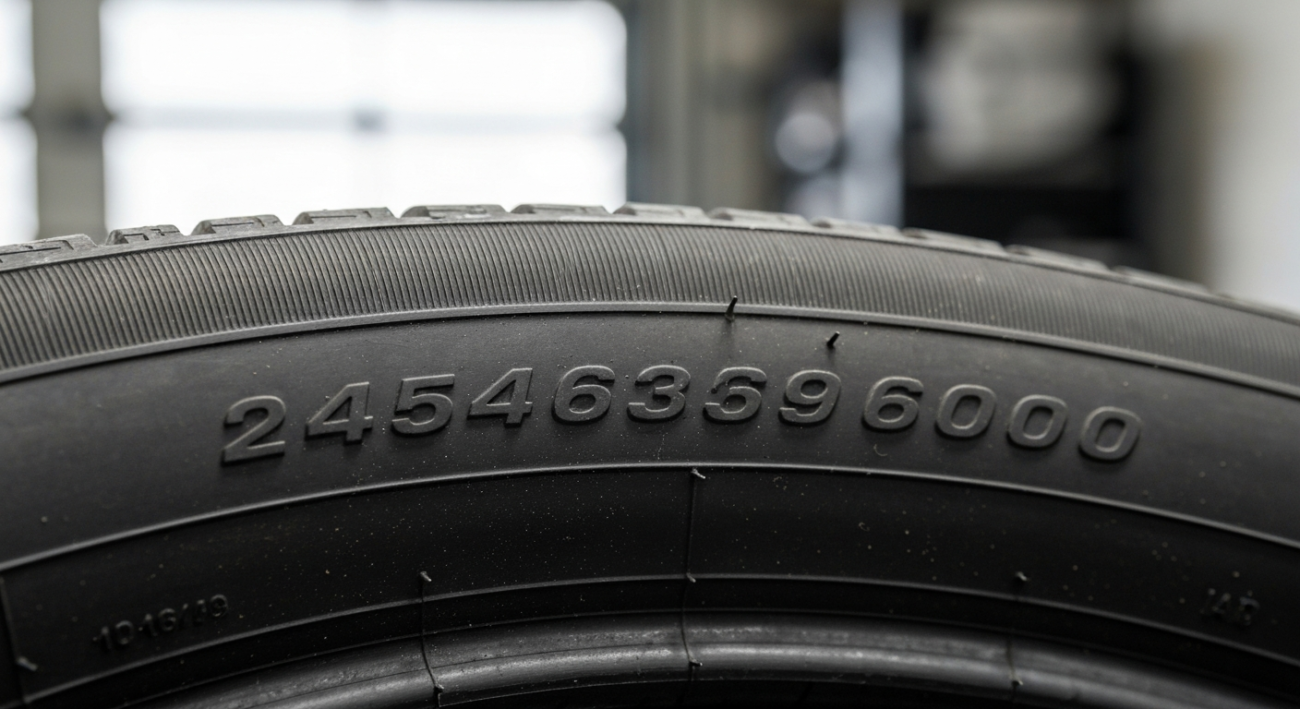
Quick Answer to Reading Tyre Size
You can find your tyre size printed clearly on the sidewall of each tyre. Understanding these numbers and letters helps you choose the right replacement tyres and ensures your vehicle performs safely. By the end, you will know exactly what each part of the code means and why it matters for your driving experience.
Why This Method Works
Reading the tyre size directly from the sidewall is the most reliable way to get accurate information. This method ensures you match the correct specifications, which is crucial for vehicle performance, safety, and compliance with manufacturer recommendations. It eliminates guesswork and provides precise data straight from the source.
What You Need
- Your vehicle’s tyre (or spare tyre)
- Good lighting (a flashlight might help)
- A clean cloth (optional, to wipe away dirt)
Step-by-Step Instructions
Step 1: Locate the Sidewall Information
The first step to understanding your tyres is finding the size information. This code is typically molded into the rubber on the sidewall of every tyre. It’s a series of letters and numbers that might look a bit confusing at first glance, like “P205/55R16 91H.” Make sure your tyre is clean enough to read these markings easily. Sometimes, dirt or mud can obscure the details. A quick wipe with a cloth can make a big difference. This information is vital for many aspects of car care. For instance, knowing your tyre size is essential if you ever need to change a flat. It also helps you determine the essential tools for changing a tyre, ensuring you are prepared for roadside emergencies.
Step 2: Understand the “P” or “LT” Designation
The very first letter you see often tells you the type of vehicle the tyre is designed for. A “P” stands for “P-Metric” and indicates the tyre is for passenger vehicles. Most cars, SUVs, and minivans use P-Metric tyres. If you see “LT” instead, it means “Light Truck.” These tyres are built for heavier loads, like those found on pickup trucks or larger SUVs. Knowing this initial designation helps ensure you’re looking at the right category of tyre for your vehicle. It’s a foundational piece of information before diving into the numbers.
Step 3: Decipher the Tyre Width (e.g., 205)
After the initial letter, you’ll find a three-digit number, such as “205.” This number represents the tyre’s width in millimeters. It’s measured from one sidewall to the other. So, a “205” tyre is 205 millimeters wide. This measurement is crucial because it affects your vehicle’s handling, grip, and even fuel efficiency. A wider tyre generally offers more grip but might slightly reduce fuel economy. When considering new tyres, it is important to match the width recommended by your car manufacturer to maintain optimal performance and safety.
Step 4: Grasp the Aspect Ratio (e.g., 55)
Following the tyre width, there’s usually a slash mark, then a two-digit number. For example, in “205/55,” the “55” is the aspect ratio. This number shows the height of the tyre’s sidewall as a percentage of its width. So, an aspect ratio of “55” means the sidewall height is 55% of the 205mm width. A lower aspect ratio means a shorter sidewall, which often translates to better handling and a sportier feel, but potentially a harsher ride. Conversely, a higher aspect ratio provides more cushion and a smoother ride. Understanding this number helps you balance ride comfort with driving performance.
Step 5: Identify the Construction Type (e.g., R)
After the aspect ratio, you’ll typically find a letter indicating the tyre’s internal construction. The most common letter is “R,” which stands for “Radial.” Radial tyres have layers of cord fabric arranged radially across the tyre, from bead to bead, under the tread. This construction method makes radial tyres durable, provides a comfortable ride, and offers good fuel economy. Almost all modern passenger car tyres are radial. Less common letters you might see include “D” for “Bias-Ply” (diagonal) or “B” for “Belted Bias,” but these are rare on today’s standard vehicles.
Step 6: Note the Rim Diameter (e.g., 16)
The next number is a two-digit figure, like “16,” which tells you the diameter of the wheel rim in inches that the tyre is designed to fit. So, a “16” means the tyre fits a 16-inch diameter rim. It’s incredibly important to match this number exactly when buying new tyres, as a tyre simply won’t fit a rim of a different diameter. This measurement is fundamental for ensuring proper fitment and safe operation of your vehicle. Mismatched rim and tyre sizes can cause serious safety hazards, compromising your vehicle’s stability and handling.
Step 7: Check the Load Index (e.g., 91)
Immediately following the rim diameter, you’ll see a two or three-digit number known as the load index, for example, “91.” This number isn’t the weight itself but a code that corresponds to the maximum weight capacity a single tyre can safely carry when properly inflated. A higher load index number means a higher carrying capacity. For a load index of “91,” the tyre can support 1,356 pounds (615 kg). It’s crucial that your replacement tyres have a load index equal to or greater than what your vehicle manufacturer specifies. Overloading your tyres can lead to premature wear and dangerous blowouts. Understanding How to read tyre size for this value is vital for vehicle safety. This is especially important when you’re considering how much weight your vehicle can safely carry, which also relates to ensuring correct lug nut torque after a wheel change. It’s also part of the process of preparing to loosen lug nuts if you’re taking the wheel off.
Step 8: Find the Speed Rating (e.g., H)
The final letter in the main sequence, like “H,” is the speed rating. This letter corresponds to the maximum safe speed at which the tyre can carry its specified load. Each letter represents a specific speed. For example, “H” indicates a maximum speed of 130 mph (210 km/h). Other common ratings include “S” for 112 mph (180 km/h) or “V” for 149 mph (240 km/h). It’s important never to install tyres with a lower speed rating than your vehicle’s original equipment, as this can compromise handling and safety. Always ensure your new tyres meet or exceed the recommended speed rating for your vehicle’s capabilities.
Step 9: Consider Additional Markings (e.g., M+S, DOT)
Beyond the main size code, you might find other important markings on the tyre sidewall. For example, “M+S” means “Mud and Snow,” indicating the tyre has good traction in these conditions. Some tyres might have a “DOT” code, which shows compliance with Department of Transportation safety standards, along with manufacturing information. You’ll also often see the maximum tyre inflation pressure. Knowing the correct tyre pressure is essential for safety and performance, and it’s closely related to systems like the tyre pressure monitoring system (TPMS) in modern vehicles. Always check your vehicle’s manual or the sticker inside the driver’s door jamb for the recommended operating pressure, not just the maximum pressure listed on the tyre itself. Finally, always be sure to know safety precautions when changing a tyre to handle any tyre-related issues responsibly.
Common Mistakes
- Confusing the maximum pressure listed on the tyre sidewall with the vehicle’s recommended operating pressure (found in the manual or door jamb).
- Ignoring the load index or speed rating when purchasing replacement tyres, which can compromise safety and performance.
- Attempting to mix different tyre sizes on the same axle or vehicle without specific manufacturer approval.
- Not cleaning the tyre sidewall adequately, leading to misreading or overlooking crucial information.
- Misinterpreting the aspect ratio as a direct height measurement in inches or centimeters, rather than a percentage.
If Something Doesn’t Work
The numbers and letters on the tyre sidewall are unreadable due to dirt or wear.
Thoroughly clean the tyre with soap and water and a brush. Use a bright flashlight to highlight the embossed characters. If still unreadable, consult your vehicle’s owner’s manual or the tyre placard sticker located inside the driver’s side door jamb for the correct tyre size.
There are extra symbols or codes on the tyre sidewall that are not covered in these steps.
Tyres can have specialized markings for specific conditions (e.g., winter tyres, run-flat tyres). Refer to your vehicle’s manual or contact a professional tyre technician for clarification on any unusual markings. These are often industry-specific codes.
My front and rear tyres have different sizes, or one tyre size is different from the others.
Some performance vehicles, or vehicles with specific handling requirements, are designed to have different tyre sizes on the front and rear axles. Always verify the correct tyre sizes for your specific vehicle model in your owner’s manual or on the door jamb placard. Do not arbitrarily mix sizes unless explicitly recommended by the manufacturer.
Expected Result
After following these steps, you will confidently be able to locate and understand every part of the tyre size code on your vehicle. You’ll know the tyre’s width, aspect ratio, construction type, rim diameter, load index, and speed rating. This knowledge empowers you to make informed decisions about tyre replacement, maintenance, and overall vehicle safety, giving you peace of mind on the road.
Summary: How to Read Tyre Size Effectively
Learning to read tyre size is a simple yet crucial skill for any vehicle owner. Each segment of the code on your tyre’s sidewall provides important information about its dimensions and capabilities. By understanding the width, aspect ratio, construction, rim size, load index, and speed rating, you ensure your vehicle has the correct tyres for safe and efficient operation. Always refer to your vehicle’s manual for recommended specifications and never hesitate to consult a tyre professional if you have questions or encounter unusual markings.
