
Quick Answer
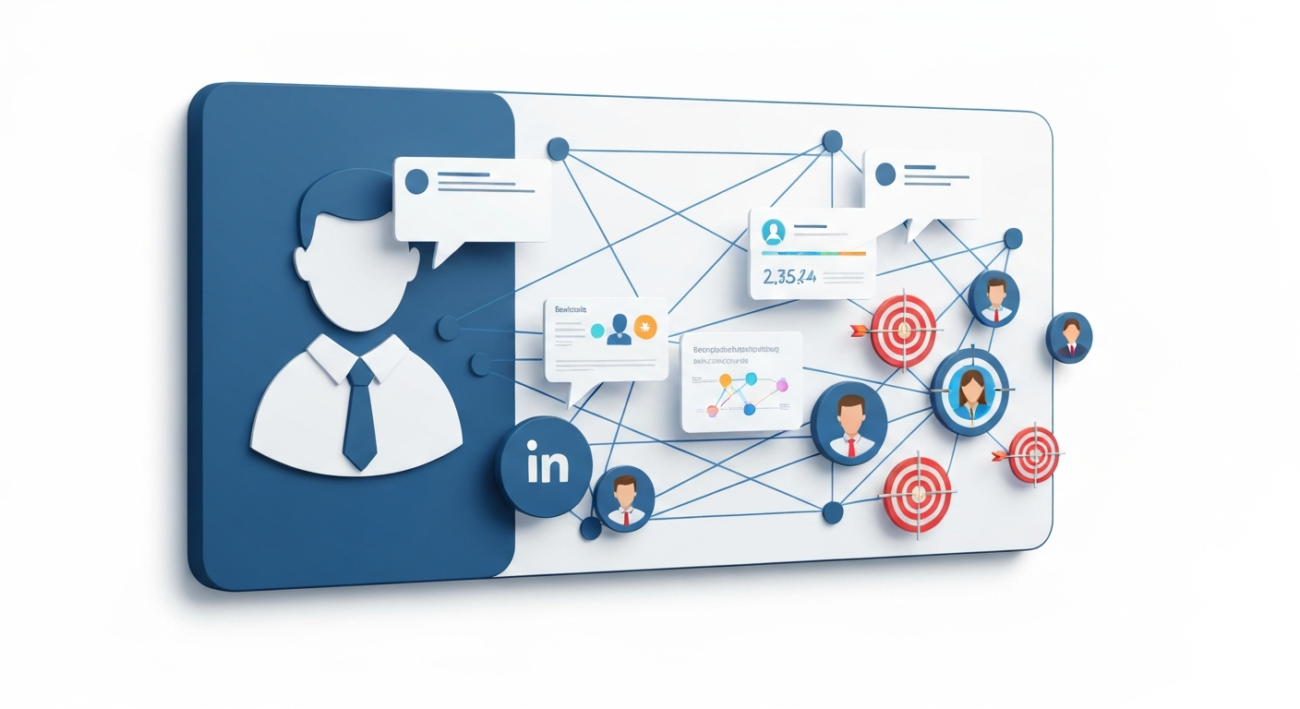
Advanced LinkedIn advertising strategies focus on highly precise targeting using LinkedIn’s unique professional data. This allows businesses to reach specific job titles, industries, company sizes, and even skill sets, ensuring their ad spend connects directly with decision-makers and relevant professionals who are most likely to engage with their products or services.
What This Means for Your Campaigns
Advanced LinkedIn advertising isn’t just about throwing ads at a broad audience. It’s about leveraging the platform’s rich professional data to pinpoint your ideal customer. Think beyond basic demographics. You can target individuals based on their current job function, seniority level, specific skills listed on their profile, the industry they work in, and even groups they belong to. This level of detail transforms your campaigns from general outreach to highly personalized engagement, leading to better conversion rates and a stronger return on investment.
Why Advanced LinkedIn Advertising Strategies Matter
In today’s competitive digital landscape, efficiency is key. Simply put, advanced LinkedIn advertising strategies help you avoid wasting valuable ad budget on irrelevant audiences. For B2B companies especially, connecting with the right professionals – those with purchasing power or influence – is crucial. LinkedIn provides that unique environment. By refining your targeting, you ensure your message resonates with prospects who are already in a professional mindset, significantly increasing the likelihood of lead generation and sales. This precise approach builds trust and relevance.
Common Reasons Basic Campaigns Fail
- Broad or generic audience targeting that reaches too many irrelevant users.
- Lack of compelling ad creative or messaging tailored to the professional audience.
- Insufficient budget allocation for specific, high-value target segments.
- Not segmenting audiences effectively, leading to one-size-fits-all campaigns.
- Ignoring crucial performance metrics, like conversion rates and cost per lead.
Effective LinkedIn Advertising Strategies and Solutions
Leverage Matched Audiences for Retargeting and Account-Based Marketing (ABM)
Matched Audiences are a game-changer. You can upload lists of existing contacts, company names, or website visitors to create custom target groups. This is incredibly powerful for retargeting individuals who have already shown interest in your brand, or for executing targeted Account-Based Marketing (ABM) campaigns where you specifically want to reach decision-makers within a predefined list of high-value companies. Use lookalike audiences to find similar professionals based on your best customer lists.
Combine Job Title and Industry Targeting with Seniority
Don’t just target ‘Marketing Manager.’ Refine it. Combine ‘Marketing Manager’ with specific industries like ‘Software Development’ and a seniority level like ‘Director’ or ‘VP.’ This multi-faceted approach ensures you’re not just reaching the right role, but the right role within the right context and at the right level of influence. Experiment with different combinations to find your sweet spot, always keeping your ideal customer profile in mind. This significantly narrows your focus to the most qualified leads.
Utilize Skill-Based and LinkedIn Group Targeting
Beyond traditional demographics, LinkedIn allows you to target users based on the skills listed on their profiles. If your product or service solves a specific technical challenge, targeting by skills like ‘Data Analytics’ or ‘Cloud Computing’ can be very effective. Similarly, targeting members of specific LinkedIn Groups can put your ads directly in front of highly engaged communities discussing topics relevant to your offering. This shows a deep understanding of your audience’s professional interests and pain points.
When These Strategies May Be Different
- When targeting a very niche or emerging industry where LinkedIn data might be sparse.
- For products/services with extremely broad appeal (e.g., general consumer goods) where other platforms might be more cost-effective.
- In situations where your primary goal is brand awareness rather than direct lead generation, allowing for slightly broader targeting.
- If your budget is extremely limited, forcing a focus on the absolute most crucial target segments.
Common Myths Debunked
LinkedIn Ads are too expensive for small businesses.
Reality: While LinkedIn has a higher CPC, its unparalleled targeting precision means you pay for quality leads, not just clicks. Small businesses can start with smaller, highly targeted campaigns and scale up, seeing better ROI than on platforms with cheaper but less qualified clicks.
Broad targeting is better for reach and brand awareness.
Reality: While broad targeting increases reach, it often dilutes your message and attracts irrelevant clicks. On LinkedIn, even for awareness, precise targeting ensures your brand message reaches the professionals who genuinely matter to your business, creating more impactful awareness.
When You Should Be Concerned
- Your ad campaigns consistently have a high click-through rate but very low conversion rate.
- You are spending a significant budget without seeing any qualified leads or demonstrable ROI.
- Your audience segmentation is so narrow that your campaigns aren’t delivering enough impressions or reach.
- You haven’t updated your targeting criteria or ad creatives in several months.
- You are getting clicks from individuals outside your target job titles or industries.
Background on LinkedIn’s Ad Evolution
LinkedIn has evolved significantly from primarily a professional networking site to a powerful B2B advertising platform. Its strength lies in its verified professional data, which allows advertisers to pinpoint audiences with remarkable accuracy based on job titles, company affiliations, skills, and professional interests. This unique data set makes it indispensable for B2B marketers looking to connect with decision-makers and industry influencers directly. The ad tools have become more sophisticated, offering deep analytics and various ad formats to cater to diverse campaign objectives.
What to Do Next for Campaign Success
Now that you understand the power of advanced LinkedIn advertising strategies, it’s time to put them into action. Start by reviewing your current campaigns and identifying areas where targeting can be refined. Experiment with different combinations of job title, industry, seniority, and skill-based targeting. Continuously monitor your campaign performance, paying close attention to conversion rates and cost per lead, not just clicks. A/B test your ad creatives and messaging to see what resonates best with your niche audiences. Consistent optimization is key to unlocking the full potential of your LinkedIn ad spend and driving meaningful business growth. Keep learning and adapting your approach for the best results.
While there’s no strict minimum, a daily budget of at least $10-$20 is often recommended to gain enough data for optimization, especially when using advanced targeting. For testing new strategies, a higher budget might be needed to gather statistically significant results faster.
It’s best practice to review your LinkedIn ad campaigns at least weekly. Pay attention to key metrics like CTR, conversions, and cost per conversion. Make small, iterative adjustments to your targeting, bids, or creatives based on performance data. Significant changes might require a 2-4 week observation period.
Yes, LinkedIn allows for highly specific company targeting through its ‘Company Name’ attribute or by uploading a list of target companies via Matched Audiences. This is excellent for Account-Based Marketing (ABM) strategies, allowing you to focus your ad spend on decision-makers within a predefined list of high-value organizations.
