
Quick Answer
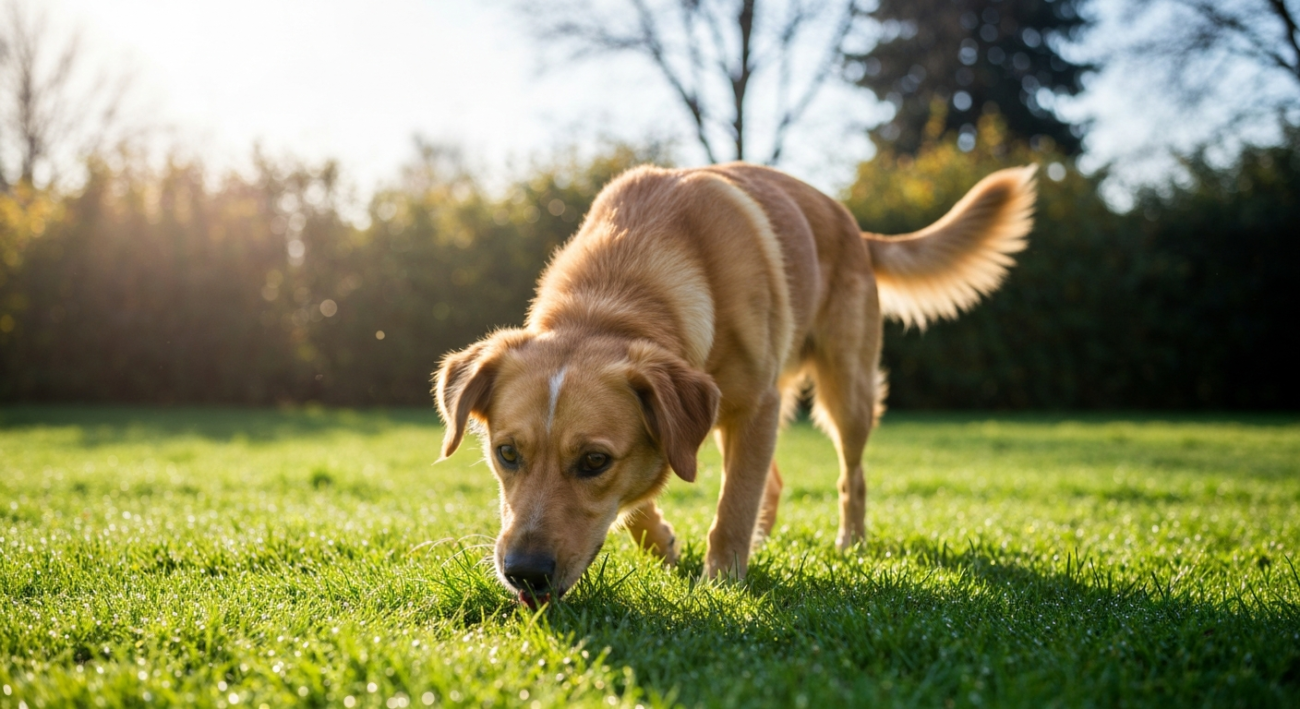
Many dogs eat grass, and it’s a common behavior that isn’t always a cause for concern. While some dogs might eat grass to relieve an upset stomach, others simply enjoy the taste or texture. It’s often a completely normal and natural instinct.
What Is It?
When we talk about why dogs eat grass, we’re referring to a widespread behavior where canines consume plant material, primarily green blades from lawns or fields. This isn’t just a quirky habit; it’s something observed in many dog breeds and can have several underlying reasons. Understanding this behavior can help you keep your furry friend healthy.
Key Takeaways
It’s Usually Normal
Most instances of dogs eating grass are not a sign of illness and are considered a natural canine behavior.
Potential Reasons Vary
From boredom to dietary needs or an upset tummy, there are multiple theories for why dogs eat grass.
Monitor for Changes
While usually harmless, significant changes in grass eating accompanied by other symptoms might warrant a vet visit.
Why It Matters
- Understanding why dogs eat grass helps alleviate owner worry about their pet’s health.
- It can sometimes indicate a mild stomach upset that resolves on its own.
- Knowing the reasons helps differentiate normal behavior from potential health issues.
- It highlights the importance of keeping your lawn free from harmful chemicals if your dog likes to graze.
How to Fix It
- Ensure your dog has a balanced diet. A complete and balanced dog food usually provides all necessary nutrients.
- Provide plenty of mental and physical stimulation. A bored dog might chew on grass for entertainment.
- Keep fresh water available at all times. Hydration is key to overall dog health.
- Consider offering safe, chewable toys as an alternative to grass for oral fixation.
Extra Tips
- Observe your dog: Note if they vomit after eating grass or if it’s a regular, symptom-free habit.
- Avoid pesticides: If your dog frequently eats grass, make sure your lawn is free of harmful chemicals.
- Plant a ‘dog garden’: Offer dog-safe plants like wheatgrass or catnip in a designated area.
When You Should Worry
- If your dog starts eating grass frantically and frequently, especially if it’s a new behavior.
- If eating grass consistently leads to vomiting, diarrhea, or signs of discomfort.
- If your dog shows other symptoms like lethargy, loss of appetite, or weight loss alongside grass eating.
- If you notice your dog consuming large amounts of grass and then struggling to pass stool.
Summary
The sight of dogs eating grass is a familiar one for many pet owners, and for the most part, it’s a perfectly normal and harmless habit. Whether it’s to soothe a mild stomach ache, satisfy a craving for roughage, or simply out of boredom, this natural behavior is part of being a dog. By ensuring a balanced diet, providing plenty of exercise, and keeping an eye out for any accompanying symptoms, you can help your dog stay happy and healthy. If you have concerns about why your dogs eat grass, especially if it’s accompanied by other worrying signs, always consult your veterinarian.
