
Simple Definition
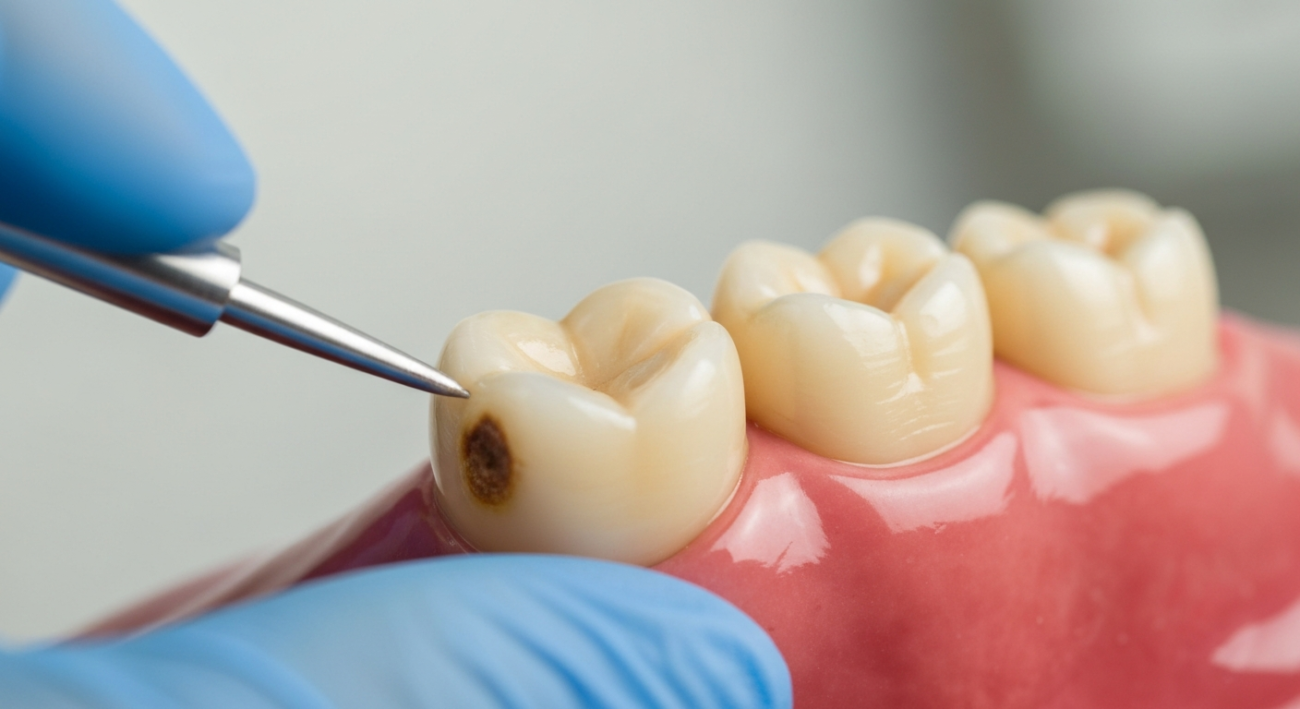
A cavity, also known as tooth decay or dental caries, is a damaged area in the hard surface of your teeth that develops into tiny holes or openings.
Easy Explanation
Simply put, a cavity is a tiny hole that forms in your tooth. It happens when acids, produced by bacteria in your mouth, eat away at the tooth’s enamel. If not treated, these holes can grow larger and cause pain, infection, and even tooth loss. Knowing what a cavity looks like can help you act fast.
History and Origin
Tooth decay has plagued humans for thousands of years, with evidence found in ancient skulls. While early civilizations understood tooth pain, the scientific understanding of cavities evolved over centuries. It wasn’t until the late 19th and early 20th centuries that researchers fully understood the role of bacteria and diet in cavity formation, leading to modern dental practices and preventive care.
Key Terms
Dentin: The layer beneath the enamel, which is softer and contains microscopic tubules that connect to the tooth’s nerve.
Plaque: A sticky film of bacteria that constantly forms on your teeth. It produces acids when you eat sugars.
How It Works
- Bacteria in your mouth combine with food particles, especially sugars, to form plaque.
- The bacteria in plaque produce acids that attack the enamel of your teeth.
- Over time, these acids create small holes in the enamel. This is the very beginning of a cavity.
- As the cavity grows, it moves deeper into the tooth, often reaching the softer dentin layer.
- If untreated, the decay can reach the pulp, the innermost part of the tooth containing nerves and blood vessels, leading to severe pain and infection.
Real-Life Example
Imagine a tiny apple that starts to rot. First, you might see a small brown spot on the skin. As the rot progresses, that spot gets bigger and deeper, eventually creating a hole. A cavity works similarly. It starts as a small, often unnoticeable spot on your tooth, then gradually becomes a visible hole if left unchecked.
Why It Matters
Spotting what a cavity looks like early can save you a lot of trouble. Catching tooth decay early means simpler, less expensive treatments like a filling, preventing the need for root canals or extractions. Maintaining good oral health, much like understanding why your tongue might be white, is crucial for your overall well-being and confidence.
Broader Implications
The health of your teeth and gums is closely linked to your overall health. Untreated cavities and gum disease can contribute to more serious health issues like heart disease, diabetes complications, and even respiratory problems. Understanding dental hygiene and knowing what a cavity looks like isn’t just about your mouth; it’s about your whole body’s health.
Common Myths
- Myth: Cavities always hurt. Fact: Not always! Many small cavities don’t cause pain, which is why regular dental check-ups are so important.
- Myth: Only sugary foods cause cavities. Fact: While sugar is a big culprit, any carbohydrate can contribute to plaque and acid production if not cleaned away.
- Myth: Baby teeth don’t need fillings because they’ll fall out anyway. Fact: Untreated cavities in baby teeth can cause pain, infection, and affect the development of permanent teeth.
Quick Quiz
Question: Which layer of the tooth is attacked first by acids leading to a cavity?
Answer: Enamel
Summary
Knowing what a cavity looks like is your first line of defense against tooth decay. It often starts as a small discoloration or sensitivity and can progress to a visible hole. Regular dental visits, good oral hygiene, and a balanced diet are key to preventing cavities and keeping your smile healthy.
