
Simple Definition
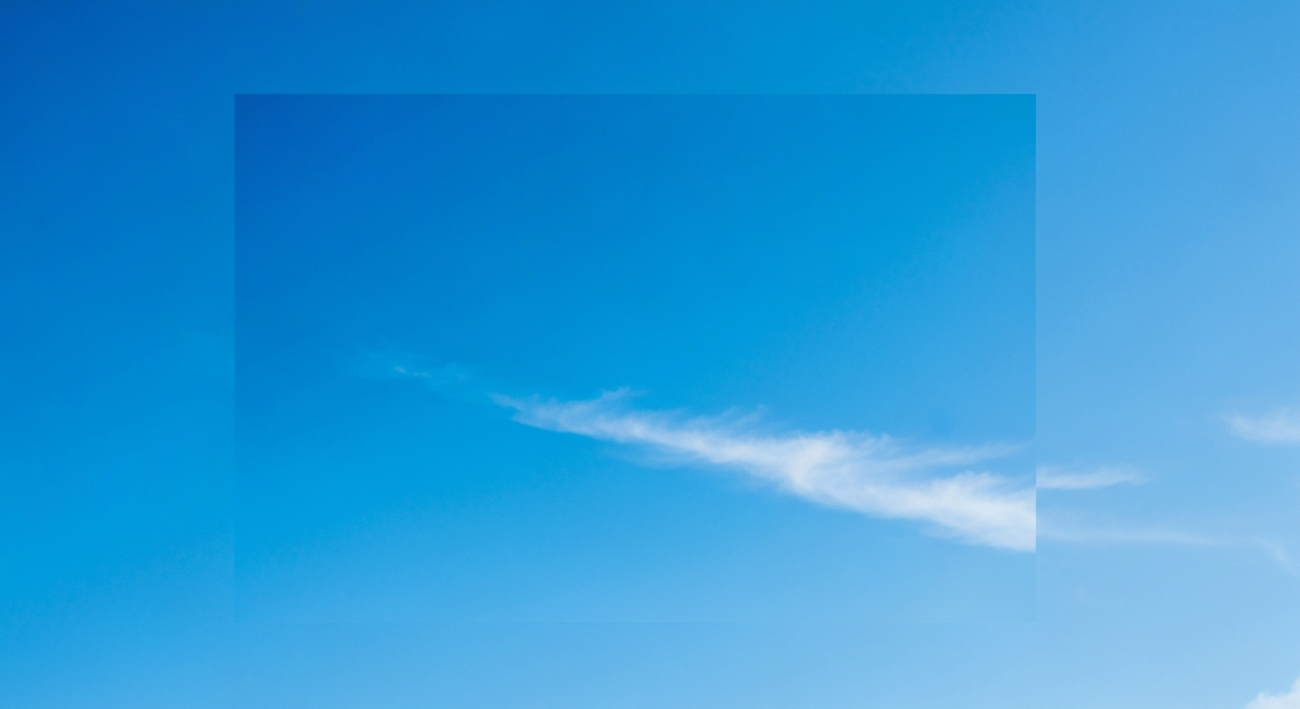
The Earth’s atmosphere appears blue primarily due to a phenomenon called Rayleigh scattering, which preferentially scatters shorter, bluer wavelengths of sunlight.
Easy Explanation
Simply put, the sky looks blue because of how sunlight interacts with the gases and tiny particles in our atmosphere. Blue light waves are shorter and get scattered in all directions much more than other colors. This scattered blue light reaches our eyes from all angles, making the sky appear blue.
History and Origin
The scientific explanation for why atmosphere is blue was first provided by British physicist Lord Rayleigh in the late 19th century. He developed a mathematical formula that described how light scatters off particles much smaller than the light’s wavelength. This phenomenon, now known as Rayleigh scattering, precisely explained the blue color of the sky and the reddish hues of sunsets, revolutionizing our understanding of atmospheric optics.
Key Terms
Wavelength: The distance between successive crests of a wave, determining its color in the visible light spectrum.
How It Works
- Sunlight, which appears white, is actually made up of all the colors of the rainbow, each with a different wavelength.
- When sunlight enters Earth’s atmosphere, it encounters tiny gas molecules like nitrogen and oxygen.
- These molecules are much smaller than the wavelengths of visible light.
- Rayleigh scattering dictates that shorter wavelengths (like blue and violet) are scattered much more efficiently than longer wavelengths (like red and yellow).
- As blue light is scattered in all directions across the sky, it reaches our eyes from every point, making the sky appear blue.
- Other colors, like red and yellow, pass more directly through the atmosphere to our eyes, especially when the sun is low on the horizon.
Real-Life Example
Imagine you’re standing outside on a sunny day. The sunlight travels down towards you. As it hits the tiny air molecules, the blue light bounces all around, like tiny little balls bouncing off walls in every direction. The red and yellow light mostly travels straight. So, no matter where you look in the sky, some of that scattered blue light is coming straight to your eyes, which is precisely why atmosphere is blue.
Why It Matters
Understanding why atmosphere is blue helps us appreciate the intricate physics of our planet. It highlights how the composition of our atmosphere interacts with light, influencing everything from daily weather patterns to the beauty of sunsets. This knowledge forms a fundamental part of atmospheric science and helps us interpret phenomena like pollution haze and even light pollution.
Broader Implications
The principles of Rayleigh scattering extend beyond just explaining why atmosphere is blue. It’s crucial in fields like atmospheric remote sensing, helping scientists analyze atmospheric composition and pollution. On other planets, the color of the sky depends on their atmospheric makeup and density, offering clues about their environment. For instance, Mars often has a reddish-brown sky due to dust scattering light differently. This phenomenon also has implications for understanding optical effects in materials and even for fiber optics.
Common Myths
- The sky is blue because it reflects the ocean’s color. This is incorrect; the ocean’s color is often influenced by the sky, not the other way around.
- The sky is blue because it’s full of water. While water vapor is in the atmosphere, it’s the nitrogen and oxygen molecules that primarily cause the scattering responsible for the blue color.
Quick Quiz
Question: What is the primary reason why atmosphere is blue?
Answer: Rayleigh scattering of sunlight by tiny gas molecules.
Summary
The vivid blue color of our atmosphere is a beautiful example of light physics in action. Thanks to Rayleigh scattering, shorter blue wavelengths of sunlight are scattered more widely by atmospheric gases, reaching our eyes from all directions and painting the sky blue. This fundamental principle helps us understand not just our own planet’s appearance but also the optics of light interactions in many other contexts.
