
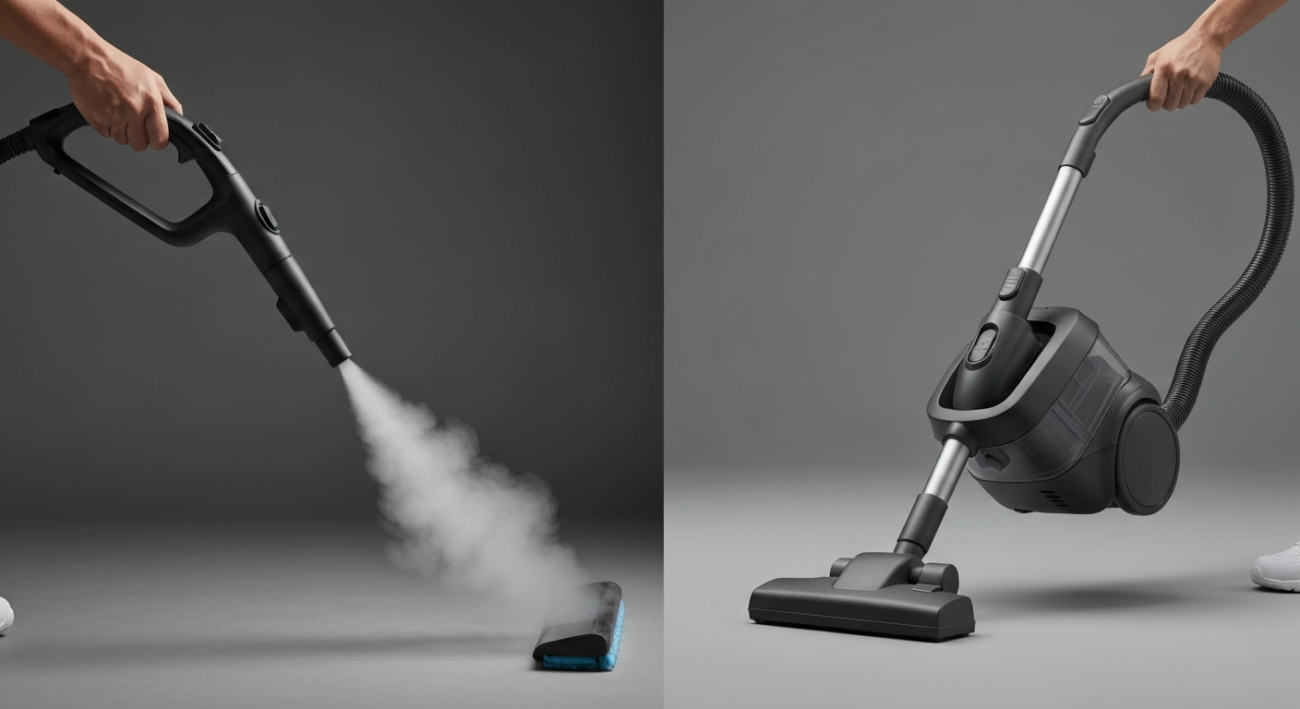
Solving the Mattress Cleaning Dilemma
Your mattress is a major investment and a crucial part of your daily health. Over time, it collects dust, skin flakes, sweat, and even dust mites, which can affect your sleep quality and overall well-being. Keeping it clean is essential, but many people are unsure about the best approach. Should you reach for a powerful vacuum cleaner or a sanitizing steam cleaner? This guide cuts through the confusion, helping you understand the pros and cons of each method. We’ll explore when to use a steam cleaner vs vacuum for mattress cleaning, ensuring your bed remains a fresh and hygienic sanctuary.
Why Your Mattress Needs Regular Cleaning
- Dust and dead skin cells accumulate daily, providing a feast for dust mites.
- Sweat and body oils are absorbed into the mattress, leading to odors and potential staining over time.
- Accidental spills, pet dander, and food crumbs can attract bacteria and mold if not addressed promptly.
- Without regular cleaning, allergens like dust mite feces can build up, triggering allergies and asthma symptoms.
- General wear and tear from daily use contribute to dirt embedding deeper into the mattress fibers.
Tools and Supplies for Mattress Cleaning
- A powerful vacuum cleaner with upholstery attachments.
- A handheld or canister steam cleaner with a fabric attachment.
- Distilled water (for steam cleaners, if recommended by manufacturer).
- Microfiber cloths or clean towels.
- Mild enzyme cleaner or specific mattress cleaning solution (spot treatment).
- Baking soda (for odor absorption).
- A soft brush or scrub brush.
- Protective gloves and a face mask (optional, for sensitive individuals).
Effective Home Cleaning Strategies
- Vacuum Cleaning for Mattresses: Vacuuming is your first line of defense against surface dirt and allergens. Start by stripping your bed of all linens. Use the upholstery attachment on your vacuum cleaner. Work in small, overlapping sections, moving slowly across the entire surface of the mattress. Pay extra attention to seams, crevices, and any tufted areas where dust tends to collect. For a thorough clean, vacuum both sides of the mattress if possible, especially if you can flip it. Vacuuming helps remove dust mites and their droppings, pet dander, and general debris without introducing moisture. It’s an excellent routine maintenance step that should be done regularly, perhaps once a month, to prevent buildup. This method is quick, easy, and completely dry, making it safe for all mattress types.
- Steam Cleaning for Mattresses: When considering a steam cleaner vs vacuum for mattress cleaning, steam cleaning offers a deeper level of sanitation. It uses hot vapor to kill bacteria, viruses, and dust mites, penetrating slightly below the surface. Before you begin, always vacuum the mattress thoroughly to remove loose dirt. Fill your steam cleaner with distilled water, if recommended, to prevent mineral buildup. Use the upholstery attachment and move it slowly across the mattress surface in overlapping strokes. Be careful not to oversaturate the mattress; too much moisture can lead to mold and mildew. Keep the steam moving and don’t linger in one spot. After steaming, gently blot any excess moisture with a clean, dry microfiber towel. Ensure the mattress is completely dry before putting linens back on, which might take several hours. Opening windows or using a fan can help speed up the drying process. For a detailed guide on steam cleaning a mattress, you can find more specific instructions. Steam cleaning is ideal for sanitizing and refreshing, especially if you have allergy concerns.
- Tackling Stains and Odors: For specific spots, a mild enzyme cleaner can be effective. Apply a small amount to a clean cloth, then gently blot the stain, working from the outside in. Never rub vigorously, as this can spread the stain. For odors, sprinkle a generous amount of baking soda over the entire mattress surface. Let it sit for several hours, or even overnight, to absorb smells. Then, thoroughly vacuum it away. Always test any cleaning solution on an inconspicuous area first to ensure it doesn’t cause discoloration.
Important Safety Tips for Mattress Cleaning
- Always unplug your vacuum or steam cleaner before changing attachments or cleaning.
- When using a steam cleaner, never oversaturate the mattress; excessive moisture can lead to mold and mildew.
- Ensure the room is well-ventilated when using cleaning solutions or a steam cleaner to prevent inhaling fumes.
- Allow the mattress to air dry completely after steam cleaning before making the bed to prevent moisture retention.
- Test any cleaning solutions on a small, hidden area of the mattress first to check for colorfastness or damage.
- Avoid using harsh chemicals or bleach on your mattress, as they can damage materials and leave residues.
- Wear gloves if you have sensitive skin and a mask if you’re particularly sensitive to dust or cleaning agents.
When Professional Help is Needed
- If your mattress has extensive or deep-set stains that home methods can’t remove, a professional cleaner has specialized equipment and stronger solutions.
- When dealing with suspected mold or mildew growth, a professional can assess the damage and use appropriate treatments safely.
- For mattresses with severe odors that persist despite baking soda and airing, professional services often have advanced deodorizing techniques.
- After a large liquid spill that has deeply penetrated the mattress, a quick professional response can help prevent long-term damage and mold.
- If you suffer from severe allergies or asthma and require the highest level of sanitization beyond what a home steam cleaner can provide, consider a professional service.
- For delicate or antique mattresses, professional cleaners have the expertise to clean without causing damage.
Final Thoughts: Choosing Your Cleaning Weapon
Ultimately, the choice between a steam cleaner vs vacuum for mattress cleaning depends on your specific needs. A vacuum cleaner is indispensable for regular maintenance, effectively removing surface dust, allergens, and dust mites without introducing moisture. It’s safe, quick, and should be a consistent part of your cleaning routine. On the other hand, a steam cleaner offers a deeper sanitization, ideal for killing bacteria and providing a fresh start. However, it requires careful application to avoid over-wetting. For the best results, consider a dual approach: frequent vacuuming for daily hygiene and occasional, cautious steam cleaning for a thorough, sanitizing boost. This combination will help ensure your mattress stays clean, fresh, and conducive to a good night’s sleep for years to come.
